ghazi52
THINK TANK: CONSULTANT


From flight to fight
A richly illustrated, tightly written history of PAF traces how it became a modern fighting forceSYED ALI HAMID
September 14, 2025
HL: Book review: Eagles of Destiny
Shldr: A richly illustrated, tightly written history of PAF traces how it became a modern fighting force
By Syed Ali Hamid
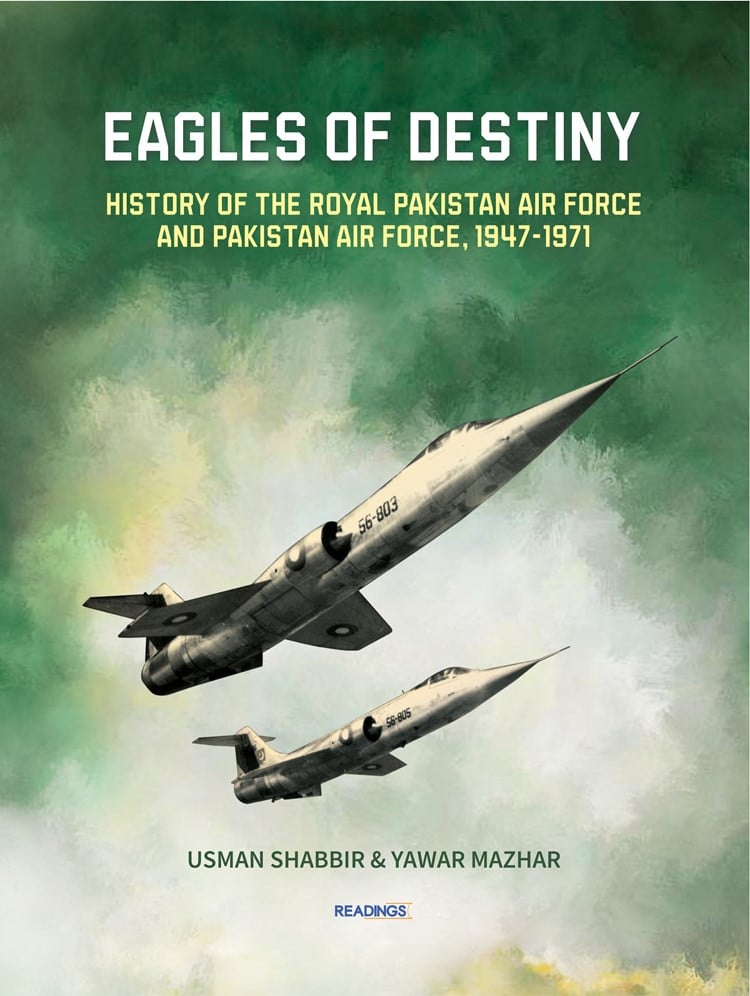
Only a few institutions in South Asia’s post-colonial landscape have had to build themselves as rapidly as Pakistan’s air arm. Born overnight in 1947, led at first by seconded RAF officers and a sprinkling of seasoned ex-Royal Indian Air Force hands, within a generation it was thrust into two major wars. The Royal Pakistan Air Force (RPAF) and its successor the Pakistan Air Force (PAF) provide a compact study in institutional learning under pressure. Eagles of Destiny offers a concise, well-illustrated narrative of that transformation from partition to the end of 1971. It is written by long-time researchers of PAF’s history, Usman Shabbir and Yawar Mazhar.
Structurally, the book makes an intelligent choice: it treats 1947–56 and 1956–71 as distinct arcs. The first is about birth, identity and survival: the RPAF inherits bases, odds-and-ends inventories, and a cadre of professionals while relying on RAF leadership and the British operational model. The second is about modernisation and doctrine: after 1956, with “Royal” dropped from the name, the PAF diversifies its equipment and moves toward an American-style tactical air force, aided by US assistance and a changing geopolitical environment, and then fights two very different wars in 1965 and 1971. In both arcs, the authors keep an eye on the institutional storyline — how training, procurement, basing and command evolve — rather than merely tallying sorties and kills and helps a general reader to understand a complex narrative.
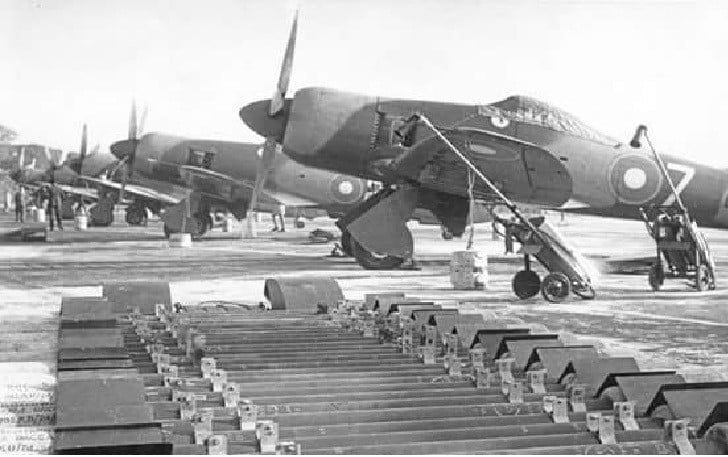
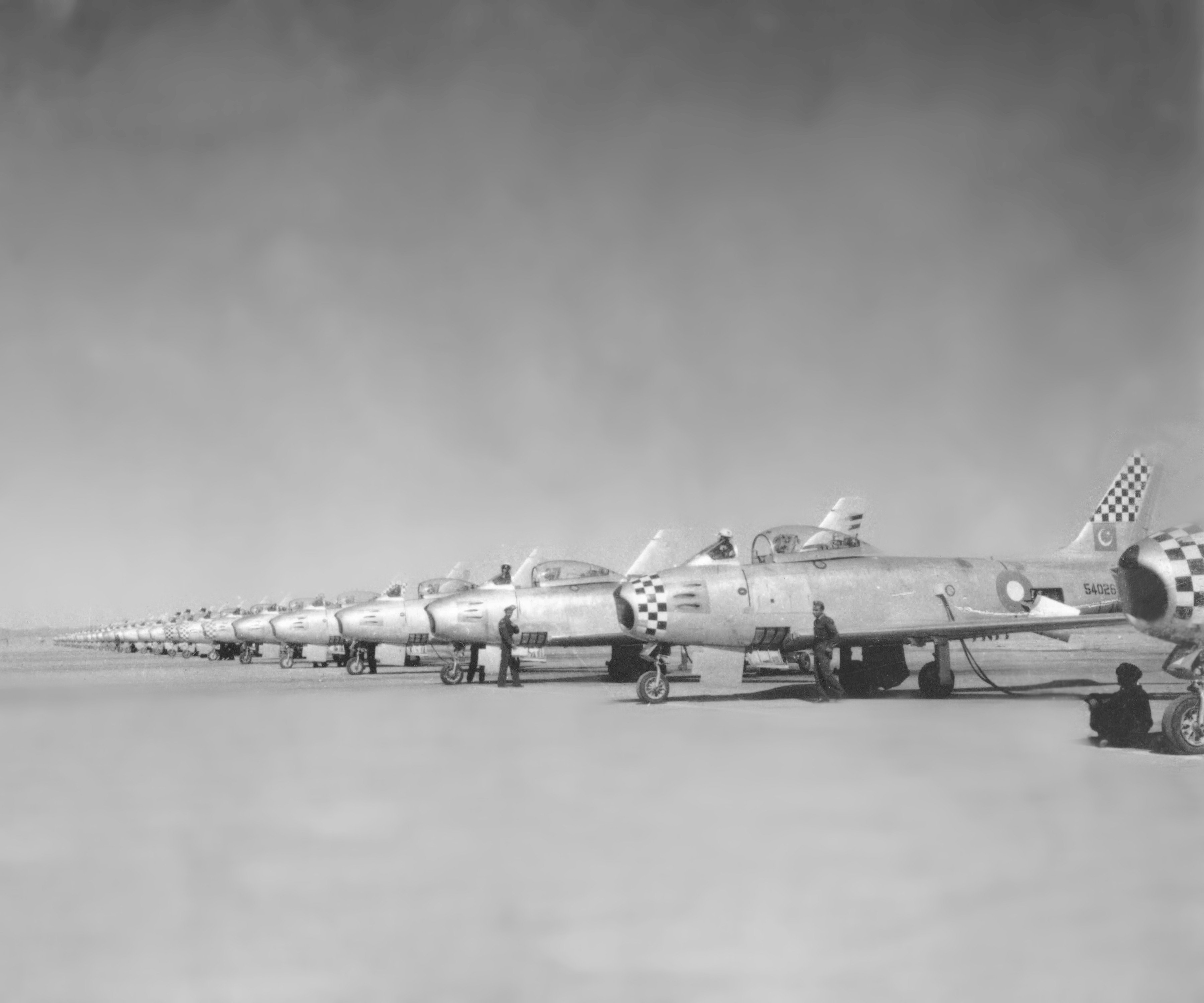
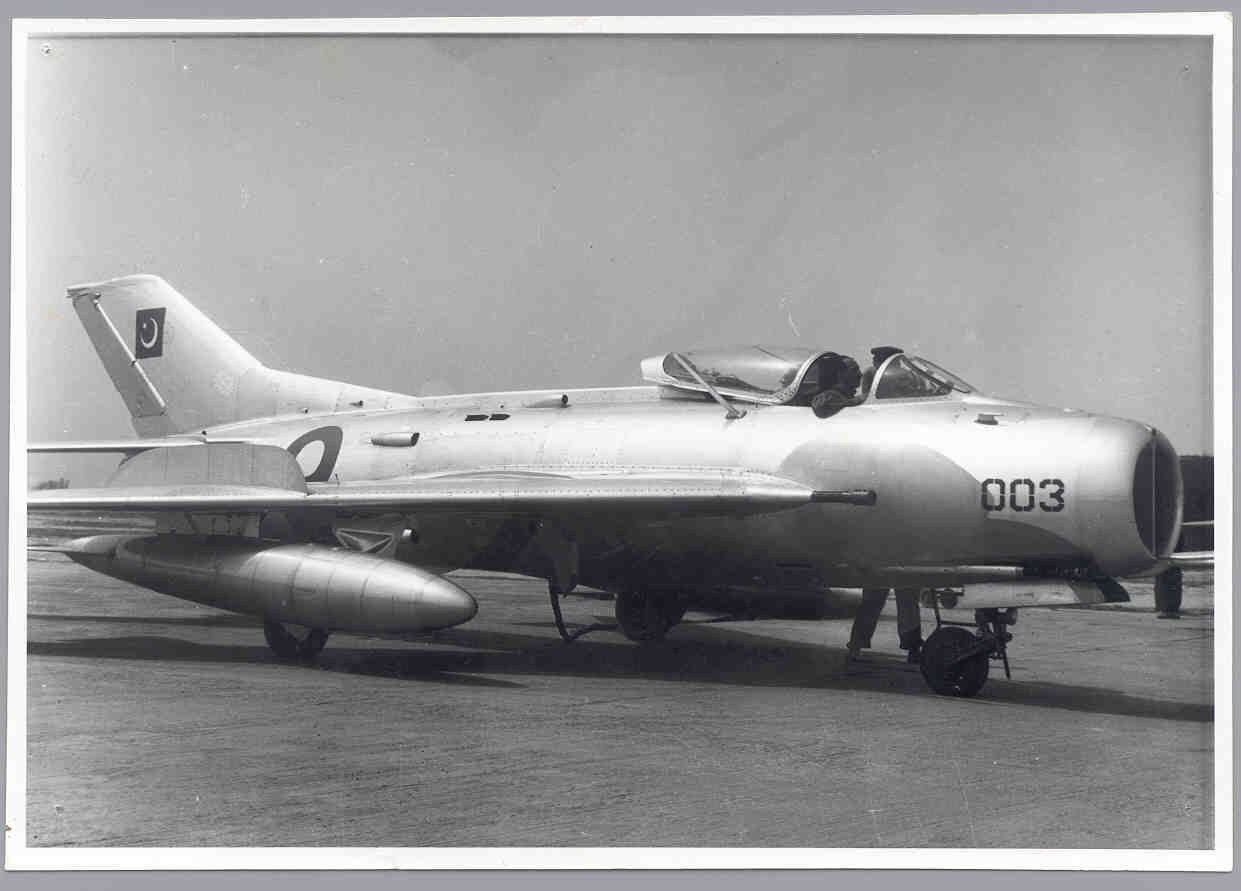
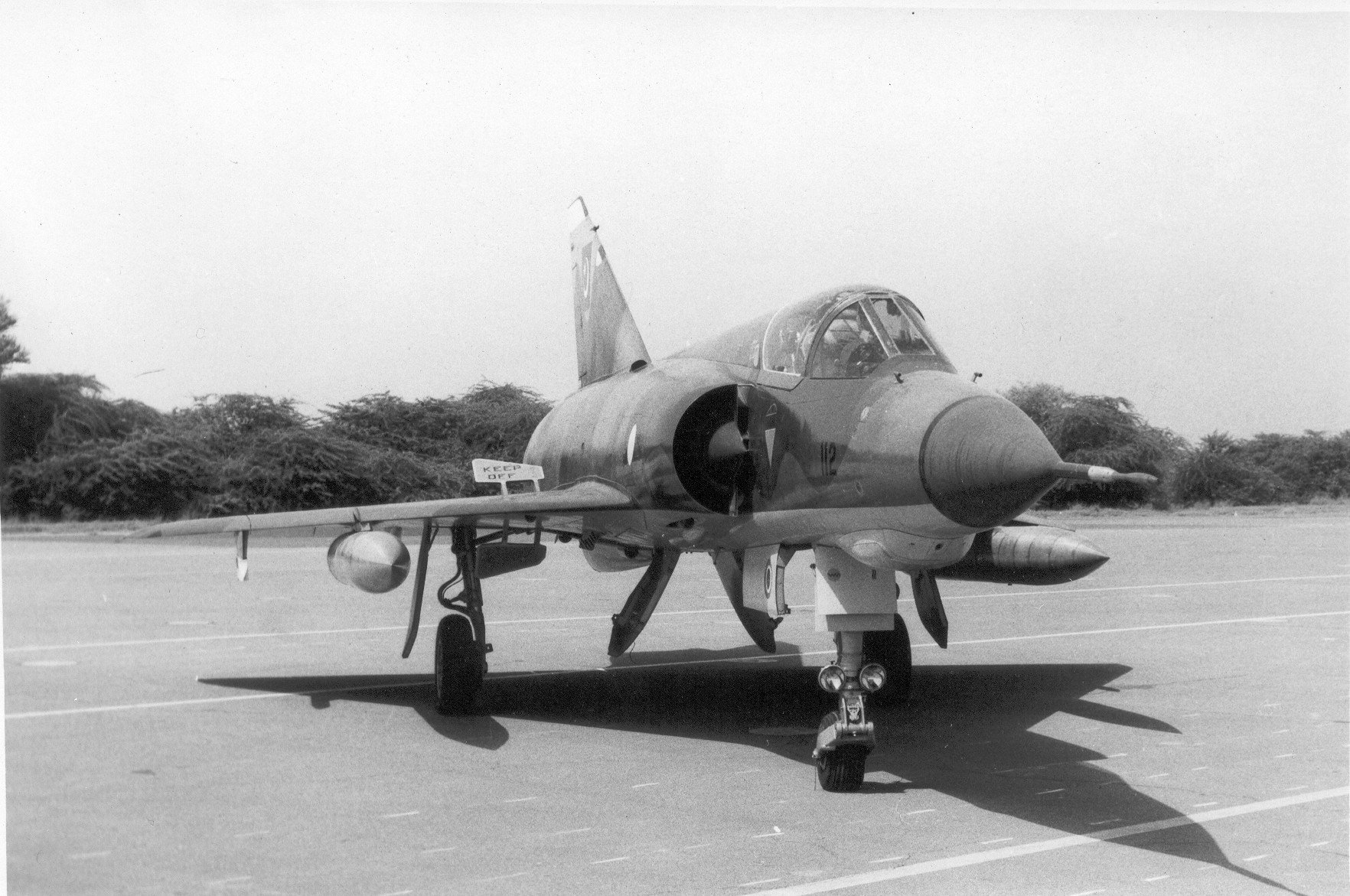
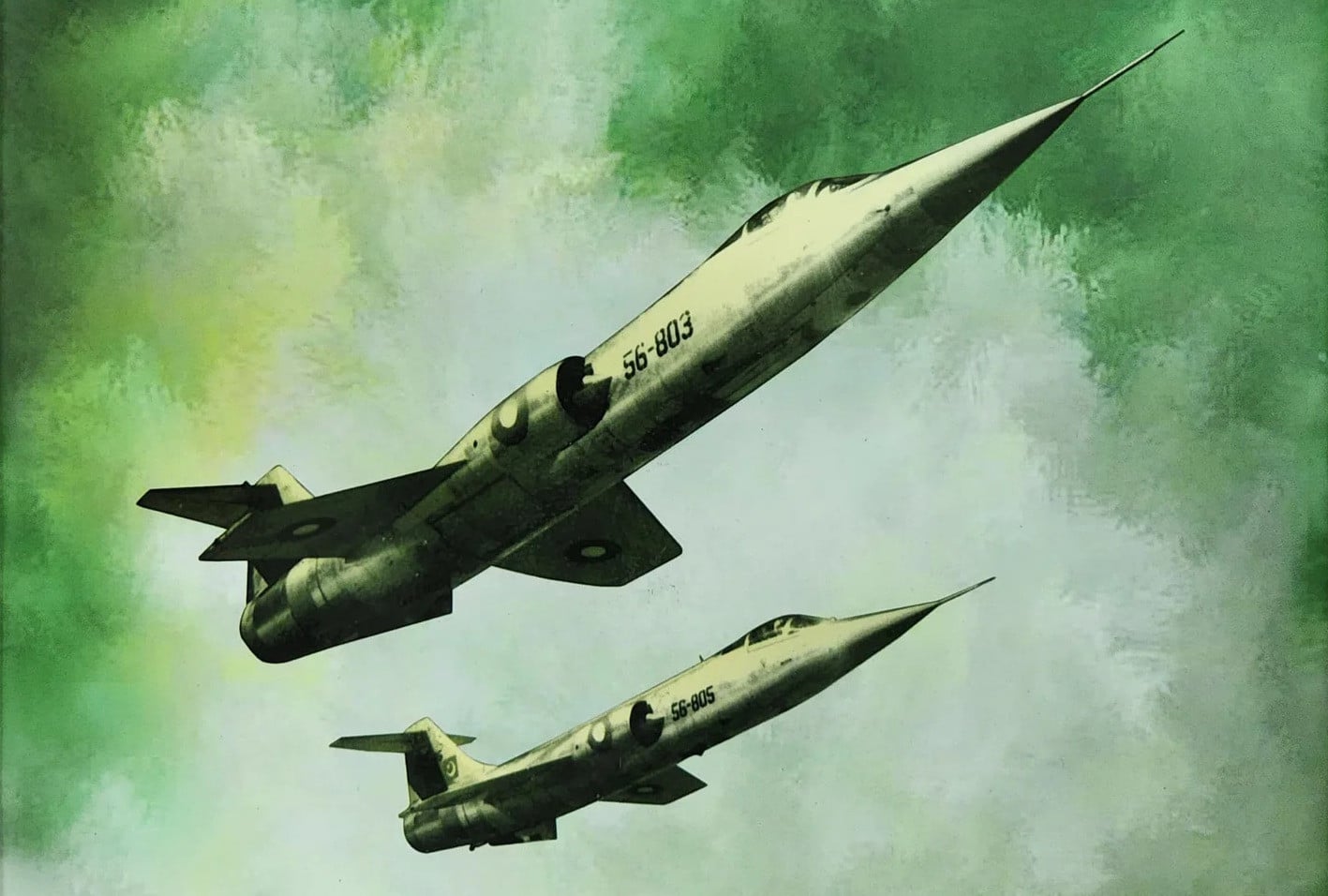
One of the book’s chief merits is its long gestation. Eagles of Destiny is the product of two decades of research, anchored in interviews with officers who either witnessed or shaped key episodes, alongside official documentation and private collections. The blend explains why the text often feels grounded in operational realities — how units trained, how squadrons were deployed, why certain aircraft were chosen — without ever tipping into memoir. It also explains the strong visual component: the volume is illustrated with dozens of rare photographs, commissioned maps and colour artworks, many of which have not been widely published. These images advance the narrative by showing bases, aircraft in Pakistani markings across eras, and personnel whose names recur in the text.
From flight to fight | The Express Tribune
A richly illustrated, tightly written history of PAF traces how it became a modern fighting force
 tribune.com.pk