Pakistan's power generation rises 5% in September as fuel costs surge 32%
Electricity generation reaches 13,217 GWh as average fuel cost rises to Rs9.35 per unit; DISCOs seek Rs2.56 per unit positive fuel cost adjustment
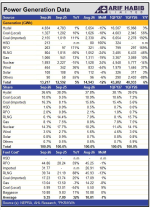
Pakistan's electricity generation increased by 5% year-on-year (YoY) to 13,217 gigawatt-hours (GWh) in September 2026, while the average fuel cost of generation surged 32% to Rs9.35 per kilowatt-hour (kWh), according to data compiled by Arif Habib Limited (AHL).
The increase in generation was supported by higher output from hydropower, local and imported coal, and wind energy, while changes in the fuel mix and higher costs of oil-based and RLNG generation contributed to the increase in average generation costs.
Consequently, electricity distribution companies (DISCOs) have sought a positive fuel cost adjustment (FCA) of Rs2.56 per unit for September 2026.
According to AHL's analysis of National Electric Power Regulatory Authority (NEPRA) data, electricity generation increased from 12,592 GWh in September 2025 but declined by 12% month-on-month (MoM) from 14,943 GWh in August 2026.
Hydropower remained the largest source of electricity, generating 4,834 GWh during September, up 1% from 4,783 GWh a year earlier. However, hydel generation declined by 15% MoM, with its share in the total generation mix falling to 36.6% from 38% in September 2025.
Imported coal-based generation recorded a 111% YoY increase to 2,155 GWh from 1,019 GWh, raising its share of total generation to 16.3% from 8.1%.
Local coal generation increased by 10% to 1,327 GWh, compared with 1,202 GWh in September last year, accounting for 10% of total generation.
Wind power generation rose by 36% to 464 GWh from 342 GWh, while solar generation remained unchanged at 108 GWh.
In contrast, electricity generation from regasified liquefied natural gas (RLNG) declined by 56% to 804 GWh from 1,815 GWh in September 2025, reducing its share in the generation mix to 6.1% from 14.4%.
Nuclear power generation fell by 15% to 1,893 GWh from 2,227 GWh, accounting for 14.3% of total electricity output.
Generation from natural gas increased by 13% to 1,066 GWh from 941 GWh, while furnace oil-based generation rose by 171% to 263 GWh from 97 GWh.
High-speed diesel (HSD) contributed 213 GWh during September, compared with no generation recorded from this source in the corresponding month last year.
The average fuel cost of electricity generation increased to Rs9.35 per kWh from Rs7.09 per kWh in September 2025, although it declined by 7% compared with Rs10.01 per kWh in August 2026.
Among individual fuels, furnace oil-based generation remained the most expensive source in the reported fuel-cost data, with its cost increasing by 59% YoY to Rs44.86 per kWh from Rs28.24.
RLNG-based generation costs surged by 88% to Rs39.74 per kWh from Rs21.19, while imported coal-based generation costs increased by 25% to Rs17.23 per kWh from Rs13.74.
In contrast, the fuel cost of local coal-based generation declined by 54% to Rs5.99 per kWh from Rs13.01 a year earlier.
Natural gas-based generation costs decreased by 3% to Rs13.04 per kWh from Rs13.50, while bagasse-based generation costs increased by 11% to Rs10.88 per kWh from Rs9.83.
During the first quarter of FY2026-27, total electricity generation increased by 6% to 43,282 GWh from 40,933 GWh in the corresponding period of the previous fiscal year.
Imported coal recorded the largest increase among major generation sources, with output rising by 192% to 6,654 GWh from 2,278 GWh.
Local coal generation increased by 56% to 4,603 GWh from 2,945 GWh, while wind generation rose by 37% to 1,979 GWh from 1,446 GWh.
Hydropower generation increased by 3% to 16,507 GWh from 15,968 GWh, while natural gas-based generation rose by 10% to 3,367 GWh from 3,069 GWh.
However, RLNG-based generation declined by 46% to 3,485 GWh from 6,433 GWh, while nuclear generation decreased by 14% to 4,948 GWh from 5,777 GWh.
The proposed positive FCA of Rs2.56 per unit reflects the higher generation fuel costs reported for September. The adjustment has been sought by DISCOs and remains subject to regulatory determination.





 Al - Haider VT-4 MBT - The Premier PA Ground Asset [Developments] (9 Viewers)
 PTI Murad Saeed in Afghanistan, was 'controlling KP govt' from there: Rana Sanaullah (6 Viewers)
 Federal cabinet gives nod to imposition of emergency in KP; summary sent to president (18 Viewers)


