General Economic Updates

After Fitch and S&P upgraded Pakistan's economic outlook and subsequent credit ratings, Moody's also did their assessment and upgrade Pakistan's international credit rating.

These positive movements in ratings mean that foreign institutions and economic watch dogs have built confidence in Pakistan's economy and its business conditions and with improvements, they are increasing the credit ratings.

It is expected that around 2028, Pakistan's GDP will go through a major realignment. If Pakistan can control is "cash economy" alone, its true GDP is over $600 billion and it can achieve its future target trajectory of $ 1 trillion economy between 2032-3035.

@PAKISTANFOREVER @Yasser76 @Hakikat ve Hikmet @Foxhound @Baibers_1260 You opinions please?
 

Economy
June 28, 2025

Pakistan Stock Market Delivers Over 55% Return in FY25, Outshining All Other Asset Classes​

by webdesk
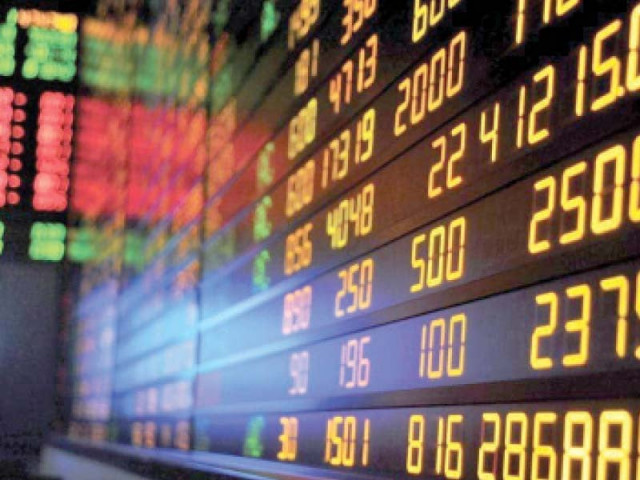
Pakistan’s equity market emerged as the best-performing asset class in fiscal year 2025, significantly outpacing traditional investment avenues such as gold, T-Bills, and bank deposits. According to a detailed report by Arif Habib Limited (AHL), the KSE-100 Index posted an impressive return of over 55%, cementing stocks as the most rewarding option for investors during the period.

The report highlights that while gold delivered a notable 47.56% return, other conventional instruments lagged behind. Treasury Bills (T-Bills) stood at 12.68%, Defense Saving Certificates (DSC) at 12.61%, bank deposits at 12.60%, Pakistan Investment Bonds (PIBs) at 11.97%, and the USD/PKR exchange rate offered a modest 1.91% gain.

AHL attributed the remarkable rally in equities to several key factors, including aggressive monetary easing by the central bank, a surge in market liquidity, and a broader unlocking of value across critical sectors. The brokerage observed that these drivers helped propel investor confidence and encouraged participation across a wider base.

The KSE-100 Index ended FY25 at 124,379 points, jumping from 78,445 at the close of FY24. This translated into a 58.6% return in local currency terms and about 55.5% in US dollar terms. AHL noted that the index’s compound annual growth rate remained superior to all other asset classes across long-term benchmarks, from 5-year to 20-year holding periods, underlining equities as the most lucrative choice for investors with a patient horizon in Pakistan.

FY25 also set records for the Pakistan Stock Exchange in terms of participation, achieving the highest trading volumes ever recorded and the most significant traded value since FY21. This underpins the growing appeal of equities among both institutional and retail investors looking to capture upside in a recovering economic environment.

Technology, Banks, Cement, Power, and Refinery sectors dominated trading activity during the year, with average daily volumes of 101 million, 57 million, 54 million, 47 million, and 44 million shares respectively. On the individual stock front, WorldCall Telecom (WTL) led the pack with an average volume of 50.9 million shares, followed by K-Electric (KEL), Cnergyico (CNERGY), Bank of Punjab (BOP), and Kosmopolitan (KOSM).

In terms of traded value, the most active sectors were Exploration and Production (E&P), Cement, Oil and Gas Marketing Companies (OGMCs), Banks, and Automobile Assemblers. Key scrips driving high-value trades included PSO, OGDC, Mari Petroleum, Hub Power, and Pakistan Petroleum Limited.

The report also pointed to standout sector gains, with Leasing jumping 224%, Woollen at 196%, Investment Banks up 130%, OMCs rising 109%, and Fertilizer adding 106%. On the flip side, Automobile Parts, Vanaspati, Synthetics, and Engineering sectors faced declines ranging from 8% to 20%.

Notable stock performers for FY25 included PGLC, NBP, BNWM, Glaxo, and FFC, each delivering triple-digit returns, while laggards like MEHT, EPCL, MUGHAL, THALL, and UNITY posted double-digit losses.

Overall, the year underscored the resilience of Pakistan’s stock market and reinforced equities as a compelling long-term asset class, driven by supportive macro policies and renewed investor appetite. The performance serves as a benchmark for both seasoned and emerging investors evaluating opportunities in Pakistan’s evolving financial ecosystem.


Pakistan’s Second-Hand Clothing Imports Hit Record High​


Pakistan’s imports of second-hand clothing have surged to an unprecedented 1.137 million tonnes, valued at $511 million, in the previous fiscal year, breaking the earlier record of 990,266 tonnes ($434 million) in FY24.

This significant increase highlights the rising demand for affordable clothing amid the country’s deepening poverty crisis.

With nearly 45% of Pakistan’s population now living below the poverty line, according to the World Bank’s latest report, second-hand clothing markets, commonly known as landa bazaars or flea markets, have become a lifeline for millions.

The World Bank’s report highlights a grim reality: the poverty threshold has been raised to $4.20 per person per day, up from $3.65, pushing the poverty ratio for lower-middle-income groups to 44.7%, compared to 39.8% under the previous benchmark.

Muhammad Usman Farooqui, General Secretary of the Pakistan Second-Hand Clothing Merchants Association (PSHCMA), attributes the surge in second-hand clothing imports to escalating poverty. “Families from lower and middle-income brackets are increasingly dependent on affordable used goods,” Farooqui said.

Farooqui has urged the government to reduce taxes and duties on second-hand clothing imports, which he argues are making these goods unaffordable for those who need them most. Currently, these imports are subject to a 10% regulatory duty, 5% customs duty, 6% advance income tax, and approximately 5% sales tax.

In addition, traders face a 5% sales tax on the difference between their purchase and sale prices, while domestic traders earning over Rs. 600,000 annually are liable to pay income tax. The Finance Bill 2024 has further complicated matters by designating second-hand clothing importers as withholding agents, requiring them to collect advance tax at 0.1% from distributors, dealers, and wholesalers. For non-compliant retailers, this tax rises to 2% or even 2.5%.

Farooqui noted that many individuals in the used clothing trade are unregistered with the Federal Board of Revenue (FBR) and lack fixed business locations or proper records, making compliance with these regulations difficult.

Used clothing is primarily imported from Europe, the USA, Japan, Korea, China, and Canada. Exporters in Pakistan’s special zones dominate 60-70% of these imports, sorting through unsorted clothing to extract higher-quality items for re-export, with only 10-20% sold locally.


Import duties on used clothing stand at Rs. 36 per kg, while shoes are taxed at Rs. 66 per kg. Farooqui stressed that reducing these taxes could provide much-needed relief for Pakistan’s disadvantaged segments.

Market surveys reveal the high prices of second-hand goods. Imported used jeans cost between Rs. 300-400, while a second-hand shirt is priced at Rs. 250-300. In contrast, new sports shoes made in Lahore cost Rs. 2,500-3,500, while branded shoes from Vietnam or China are priced at Rs. 4,000-5,500. Used sports shoes, however, are available for Rs. 600-800, making them a more accessible option for many.


@Fatman17 @Forsvaret
 

Pakistan’s Second-Hand Clothing Imports Hit Record High​


Pakistan’s imports of second-hand clothing have surged to an unprecedented 1.137 million tonnes, valued at $511 million, in the previous fiscal year, breaking the earlier record of 990,266 tonnes ($434 million) in FY24.

This significant increase highlights the rising demand for affordable clothing amid the country’s deepening poverty crisis.

With nearly 45% of Pakistan’s population now living below the poverty line, according to the World Bank’s latest report, second-hand clothing markets, commonly known as landa bazaars or flea markets, have become a lifeline for millions.

The World Bank’s report highlights a grim reality: the poverty threshold has been raised to $4.20 per person per day, up from $3.65, pushing the poverty ratio for lower-middle-income groups to 44.7%, compared to 39.8% under the previous benchmark.

Muhammad Usman Farooqui, General Secretary of the Pakistan Second-Hand Clothing Merchants Association (PSHCMA), attributes the surge in second-hand clothing imports to escalating poverty. “Families from lower and middle-income brackets are increasingly dependent on affordable used goods,” Farooqui said.

Farooqui has urged the government to reduce taxes and duties on second-hand clothing imports, which he argues are making these goods unaffordable for those who need them most. Currently, these imports are subject to a 10% regulatory duty, 5% customs duty, 6% advance income tax, and approximately 5% sales tax.

In addition, traders face a 5% sales tax on the difference between their purchase and sale prices, while domestic traders earning over Rs. 600,000 annually are liable to pay income tax. The Finance Bill 2024 has further complicated matters by designating second-hand clothing importers as withholding agents, requiring them to collect advance tax at 0.1% from distributors, dealers, and wholesalers. For non-compliant retailers, this tax rises to 2% or even 2.5%.

Farooqui noted that many individuals in the used clothing trade are unregistered with the Federal Board of Revenue (FBR) and lack fixed business locations or proper records, making compliance with these regulations difficult.

Used clothing is primarily imported from Europe, the USA, Japan, Korea, China, and Canada. Exporters in Pakistan’s special zones dominate 60-70% of these imports, sorting through unsorted clothing to extract higher-quality items for re-export, with only 10-20% sold locally.


Import duties on used clothing stand at Rs. 36 per kg, while shoes are taxed at Rs. 66 per kg. Farooqui stressed that reducing these taxes could provide much-needed relief for Pakistan’s disadvantaged segments.

Market surveys reveal the high prices of second-hand goods. Imported used jeans cost between Rs. 300-400, while a second-hand shirt is priced at Rs. 250-300. In contrast, new sports shoes made in Lahore cost Rs. 2,500-3,500, while branded shoes from Vietnam or China are priced at Rs. 4,000-5,500. Used sports shoes, however, are available for Rs. 600-800, making them a more accessible option for many.


@Fatman17 @Forsvaret

The source of poverty is incorrect. Yes we have poverty. But the base of their assessment for a labor class making minimum wage at Rs. 1200 per day is incorrect. It's average actually comes between Rs. 1500-2000 per day. Secondly, all this is on cash so it's never included in the official GDP.

We need to get away from cash and digitally record every rupee to re-balance our economy correctly and then re-balance daily wages so everyone gets their fair share of minimum wage. That's why a formal economy is so critical.

On clothes, one critical thing to remember is that in Pakistan, the craze of "brands" has increased ten folds in the past few years. From TV anchors to normal people and youth, wear and show case Western branded clothes and prefer buying used but in good condition Western branded clothes than Pakistani made clothes. So that "Western clothes" and "social media craze" has to be kept in mind. Pakistanis has a thing for foreign brands. We like show off.
 

Pakistan’s Second-Hand Clothing Imports Hit Record High​


Pakistan’s imports of second-hand clothing have surged to an unprecedented 1.137 million tonnes, valued at $511 million, in the previous fiscal year, breaking the earlier record of 990,266 tonnes ($434 million) in FY24.

This significant increase highlights the rising demand for affordable clothing amid the country’s deepening poverty crisis.

With nearly 45% of Pakistan’s population now living below the poverty line, according to the World Bank’s latest report, second-hand clothing markets, commonly known as landa bazaars or flea markets, have become a lifeline for millions.

The World Bank’s report highlights a grim reality: the poverty threshold has been raised to $4.20 per person per day, up from $3.65, pushing the poverty ratio for lower-middle-income groups to 44.7%, compared to 39.8% under the previous benchmark.

Muhammad Usman Farooqui, General Secretary of the Pakistan Second-Hand Clothing Merchants Association (PSHCMA), attributes the surge in second-hand clothing imports to escalating poverty. “Families from lower and middle-income brackets are increasingly dependent on affordable used goods,” Farooqui said.

Farooqui has urged the government to reduce taxes and duties on second-hand clothing imports, which he argues are making these goods unaffordable for those who need them most. Currently, these imports are subject to a 10% regulatory duty, 5% customs duty, 6% advance income tax, and approximately 5% sales tax.

In addition, traders face a 5% sales tax on the difference between their purchase and sale prices, while domestic traders earning over Rs. 600,000 annually are liable to pay income tax. The Finance Bill 2024 has further complicated matters by designating second-hand clothing importers as withholding agents, requiring them to collect advance tax at 0.1% from distributors, dealers, and wholesalers. For non-compliant retailers, this tax rises to 2% or even 2.5%.

Farooqui noted that many individuals in the used clothing trade are unregistered with the Federal Board of Revenue (FBR) and lack fixed business locations or proper records, making compliance with these regulations difficult.

Used clothing is primarily imported from Europe, the USA, Japan, Korea, China, and Canada. Exporters in Pakistan’s special zones dominate 60-70% of these imports, sorting through unsorted clothing to extract higher-quality items for re-export, with only 10-20% sold locally.


Import duties on used clothing stand at Rs. 36 per kg, while shoes are taxed at Rs. 66 per kg. Farooqui stressed that reducing these taxes could provide much-needed relief for Pakistan’s disadvantaged segments.

Market surveys reveal the high prices of second-hand goods. Imported used jeans cost between Rs. 300-400, while a second-hand shirt is priced at Rs. 250-300. In contrast, new sports shoes made in Lahore cost Rs. 2,500-3,500, while branded shoes from Vietnam or China are priced at Rs. 4,000-5,500. Used sports shoes, however, are available for Rs. 600-800, making them a more accessible option for many.


@Fatman17 @Forsvaret
The Rich get richer and the Poor get poorer.
 
... We need to get away from cash and digitally record every rupee to re-balance our economy correctly and then re-balance daily wages so everyone gets their fair share of minimum wage. That's why a formal economy is so critical. ...
Rebasing of the GDP (2025-2026) is currently being worked on.
 
The Rich get richer and the Poor get poorer.

That's everywhere, not just in Pakistan. But we do need to expand our economy and give our people better and higher paying opportunities.

Rebasing of the GDP (2025-2026) is currently being worked on.

Yes, aware. What's super critical is the one in 2028. We should officially jump up to $ 600 billion plus and start our journey towards top 20.
 
That's everywhere, not just in Pakistan. But we do need to expand our economy and give our people better and higher paying opportunities.
Not everywhere. The problem is we are not doing anything about it. Let's not hide behind the "economy needs to expand ".
 
Economy June 28, 2025

Pakistan Stock Market Delivers Over 55% Return in FY25, Outshining All Other Asset Classes​

by webdesk
Pakistan’s equity market emerged as the best-performing asset class in fiscal year 2025, significantly outpacing traditional investment avenues such as gold, T-Bills, and bank deposits. According to a detailed report by Arif Habib Limited (AHL), the KSE-100 Index posted an impressive return of over 55%, cementing stocks as the most rewarding option for investors during the period.

The report highlights that while gold delivered a notable 47.56% return, other conventional instruments lagged behind. Treasury Bills (T-Bills) stood at 12.68%, Defense Saving Certificates (DSC) at 12.61%, bank deposits at 12.60%, Pakistan Investment Bonds (PIBs) at 11.97%, and the USD/PKR exchange rate offered a modest 1.91% gain.

AHL attributed the remarkable rally in equities to several key factors, including aggressive monetary easing by the central bank, a surge in market liquidity, and a broader unlocking of value across critical sectors. The brokerage observed that these drivers helped propel investor confidence and encouraged participation across a wider base.

The KSE-100 Index ended FY25 at 124,379 points, jumping from 78,445 at the close of FY24. This translated into a 58.6% return in local currency terms and about 55.5% in US dollar terms. AHL noted that the index’s compound annual growth rate remained superior to all other asset classes across long-term benchmarks, from 5-year to 20-year holding periods, underlining equities as the most lucrative choice for investors with a patient horizon in Pakistan.

FY25 also set records for the Pakistan Stock Exchange in terms of participation, achieving the highest trading volumes ever recorded and the most significant traded value since FY21. This underpins the growing appeal of equities among both institutional and retail investors looking to capture upside in a recovering economic environment.

Technology, Banks, Cement, Power, and Refinery sectors dominated trading activity during the year, with average daily volumes of 101 million, 57 million, 54 million, 47 million, and 44 million shares respectively. On the individual stock front, WorldCall Telecom (WTL) led the pack with an average volume of 50.9 million shares, followed by K-Electric (KEL), Cnergyico (CNERGY), Bank of Punjab (BOP), and Kosmopolitan (KOSM).

In terms of traded value, the most active sectors were Exploration and Production (E&P), Cement, Oil and Gas Marketing Companies (OGMCs), Banks, and Automobile Assemblers. Key scrips driving high-value trades included PSO, OGDC, Mari Petroleum, Hub Power, and Pakistan Petroleum Limited.

The report also pointed to standout sector gains, with Leasing jumping 224%, Woollen at 196%, Investment Banks up 130%, OMCs rising 109%, and Fertilizer adding 106%. On the flip side, Automobile Parts, Vanaspati, Synthetics, and Engineering sectors faced declines ranging from 8% to 20%.

Notable stock performers for FY25 included PGLC, NBP, BNWM, Glaxo, and FFC, each delivering triple-digit returns, while laggards like MEHT, EPCL, MUGHAL, THALL, and UNITY posted double-digit losses.

Overall, the year underscored the resilience of Pakistan’s stock market and reinforced equities as a compelling long-term asset class, driven by supportive macro policies and renewed investor appetite. The performance serves as a benchmark for both seasoned and emerging investors evaluating opportunities in Pakistan’s evolving financial ecosystem.

Just for the benefit of a few
 
The source of poverty is incorrect. Yes we have poverty. But the base of their assessment for a labor class making minimum wage at Rs. 1200 per day is incorrect. It's average actually comes between Rs. 1500-2000 per day. Secondly, all this is on cash so it's never included in the official GDP.

We need to get away from cash and digitally record every rupee to re-balance our economy correctly and then re-balance daily wages so everyone gets their fair share of minimum wage. That's why a formal economy is so critical.

On clothes, one critical thing to remember is that in Pakistan, the craze of "brands" has increased ten folds in the past few years. From TV anchors to normal people and youth, wear and show case Western branded clothes and prefer buying used but in good condition Western branded clothes than Pakistani made clothes. So that "Western clothes" and "social media craze" has to be kept in mind. Pakistanis has a thing for foreign brands. We like show off.

The minimum wage threshold isn’t an average—it’s a minimum benchmark set by the World Bank. Even if some earn above it, nearly 45% of Pakistanis still fall below this line, which reflects systemic issues.

The informal cash economy obscures income data but doesn’t erase poverty; instead, it just allows the shielding of wealth from taxation and the exclusion of workers from projections that impact policy planning. While I agree that the economy must be formal and documented, it demands trust; thus, the current setup can push people further away.

While people aspire to try brands, the article draws a different conclusion based on stats: When imported used jeans cost Rs. 300–400 and new branded jeans exceed Rs. 5,000, the choice is often necessity, not vanity.
 
Not everywhere. The problem is we are not doing anything about it. Let's not hide behind the "economy needs to expand ".

Not hiding anywhere. The main issue is the cash or the black economy. Step 1 is to create a solid version of a functional documented economy so you can identify areas to fix immediately. Step 2 is to then create a skill based earning system. Step 2 is ready, step 1 is still in progress.

Pakistan's GDP CAN'T grow UNLESS more income generation on the bottom is expanded 2 to 3 times, to bring it near 1 lac as minimum wage in phase 1 of pushing for growth.
 
Not hiding anywhere. The main issue is the cash or the black economy. Step 1 is to create a solid version of a functional documented economy so you can identify areas to fix immediately. Step 2 is to then create a skill based earning system. Step 2 is ready, step 1 is still in progress.

Pakistan's GDP CAN'T grow UNLESS more income generation on the bottom is expanded 2 to 3 times, to bring it near 1 lac as minimum wage in phase 1 of pushing for growth.
Brother not happening. The largest block of non-tax payers the traders and tajirs are PML-N supporters. Next the jaghirdars sitting in parliament won't tax the agriculture sector (themselves) and lastly the real estate sector which includes DHAs etc don't pay taxes on actual real estate values. The salaried classes have been rogered with taxes. Come on man. Your articulation is great but the reality is quite different.
 
Just for the benefit of a few

The study below gives a good glimpse of the financial markets in Pakistan. Also, to note, the main reason beyond controlling the companies is that the stock market was spared mostly from heavy taxation; this led to the charge of banks and other institutions to invest in the markets to a greater degree.

These families, government entities, financial institutions, and multinationals control over 73% of the market capitalization, leaving only 27% in the hands of retail investors and small shareholders.

I personally do not put much credence in the Pakistan stock market.

The study:

 
Last edited:
Brother not happening. The largest block of non-tax payers the traders and tajirs are PML-N supporters. Next the jaghirdars sitting in parliament won't tax the agriculture sector (themselves) and lastly the real estate sector which includes DHAs etc don't pay taxes on actual real estate values. The salaried classes have been rogered with taxes. Come on man. Your articulation is great but the reality is quite different.

Brother - Not disagreeing with you. I know the reality on the ground. That's why I keep saying in my posts "2028" as the golden year. The thing is, we have to grow, the Hindutva has done magic to us internally as all major parties you mentioned above, have realized how big of an existential threat is looming at our doors. I am privy to some details not everything.

All big stakeholders have been communicated that times have changed. If Pakistan is here, we are too. They all know this especially post May's war. All these "entities" will come into the taxation system soon near real values. Otherwise you couldn't rebalance the economy and the GDP. You can count for 20% theft as that's everywhere including USA.

Just yesterday, I was in a 14th August event in two places. First handed I learned how Punjab CM has refused their own party workers "safaarish" for a few postings and half the party is upset because the CM is ONLY going merit based. In the second event, the discussion was one: Pakistan to grow conventionally against India". The talk is NOT about Pakistan is smaller, has no strategic depth, etc. It's about head-on collision but with a better economy.

The outcomes of this cultural and systematic change will reflect in 2028 IA.
 

Users who are viewing this thread

Pakistan Defence Latest

Country Watch Latest

Latest Posts

Back
Top