
Beijingwalker
VIP Member

How China came to dominate consumer technology
Benjamin BathkeOctober 15 2026
From action cameras and smartphones to EVs and robot vacuums, Chinese brands are gaining ground worldwide despite privacy and security concerns. What's driving their rise, and can European rivals keep up?
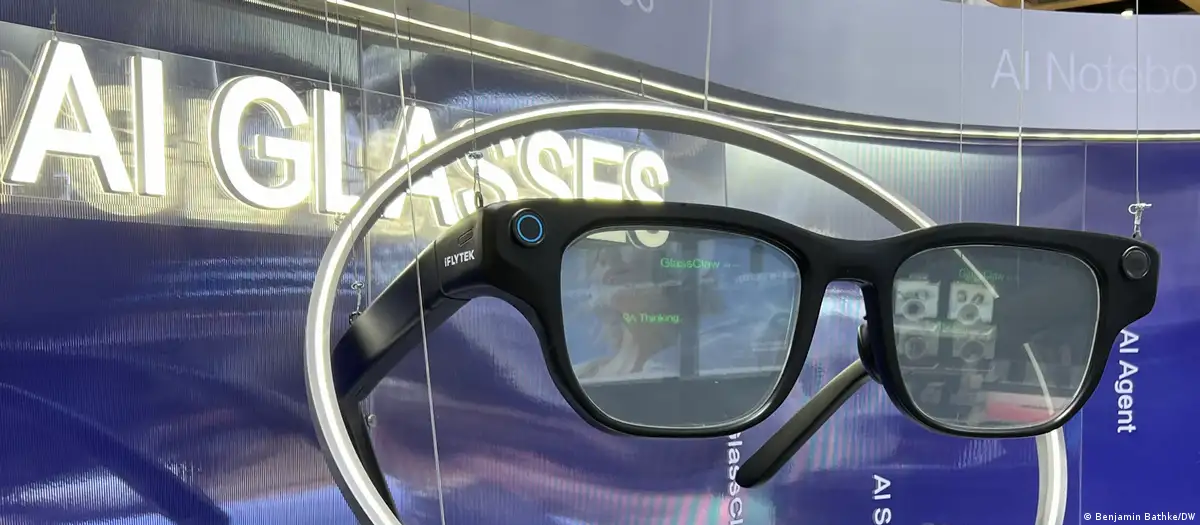
As technologies become more embedded in daily life, policymakers are weighing the benefits against concerns over data security and foreign influence
Do you remember the days when GoPro was synonymous with action cameras?
At its peak in 2015, the US company reigned supreme with around 6.6 million units sold that year and a market share of over 70%. Today, the pioneer is fighting for survival.
The main culprit? Chinese competition.
GoPro's biggest rivals, DJI and Insta360, entered the action camera market in 2019 and 2021, respectively. Today, they account for more than 90% of global smart handheld camera sales.
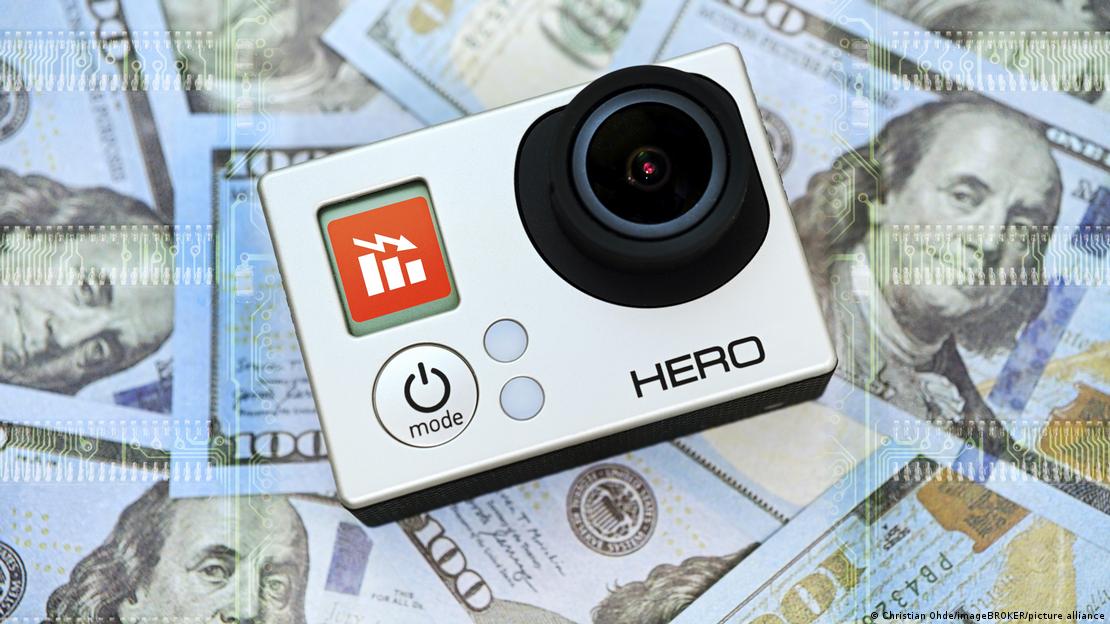
GoPro was saved from bankruptcy in September after failed product bets and competition from smartphones have contributed to its declineImage: Christian Ohde/imageBROKER/picture alliance
Alexander Hannemann, who regularly uses action cameras to film his motorcycle rides, says he switched from GoPro to Insta360 around two years ago.
"The quality is much better than a GoPro, even when I'm speeding up and going into corners at like 80 kilometers per hour," he told DW.
China's growing tech lead
GoPro's case is not an exception. Since around 2010, many Chinese brands have not only caught up but surpassed once-dominant Western rivals across the consumer technology industry, from smart TVs to robot vacuums.Gone are the days when "Made in China" stood for cheap, mass-produced products.
"China is still making affordable products today," says Chris Pereira, a Canadian entrepreneur and author with over 20 years of experience in China. "But the products are also high quality."
This combination has led to well over half of new consumer tech products globally coming from Chinese suppliers, Pereira adds.
BYD, Xpeng and other Chinese car manufactures sold almost two-thirds of all electric cars last year, surpassing incumbents like Tesla. In robot vacuums, Chinese brands dominate the global market, leaving former pioneer US company iRobot struggling to compete.
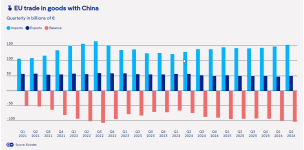
So why do Chinese companies increasingly outperform their Western rivals?
Pereira, whose consultancy iMpact helps Chinese companies gain traction overseas, attributes China's success to fierce domestic competition in cities like Shenzhen, Hangzhou and Shanghai; highly integrated supply chains and a can-do business culture that allows companies to innovate; and respond to problems quickly.
Other key reasons for China's competitive edge include unparalleled industrial automation, the strategic use of AI in manufacturing, responsiveness from regulators as well as relatively cheap labor, which together leads to significantly lower production costs and much faster innovation cycles than in the world's most advanced economies.
Joey Cheng, who moved to the US for his PhD studies over 20 years ago, is familiar with both the American consumer and the Chinese producer sides.
While his startup is based in the US, almost all the manufacturing is done in Shenzhen, where a large share of the world's hardware and consumer electronics are made.
"The supply chain in Shenzhen is basically inevitable for cost cutting and quick product development," Cheng says. "Especially as a startup you must get the product out quickly, or you'll get blown out of the water."
Privacy and security concerns persist
Although consumers are flocking to Chinese companies, some reservations persist.A recent poll found that more than 90% of Europeans do not trust Chinese technology companies with their data, while about 80% distrust US firms. Germans expressed the highest level of mistrust.
Nadine, a German travel blogger who uses DJI and Insta360 products, says she wouldn't use any Asian products at home.
"My home robot vacuum is from a German company for precisely this reason: So the data remains compliant with German regulations. After all, manufacturers can connect directly to the camera," she said, referring to camera and audio hacking incidents involving robot vacuums.
Still, Pereira says that Chinese companies expanding abroad have to pay a "trust premium."
"This trust deficit means that they need to be extra competitive in terms of product and price in order for the market to choose them," he says, adding that the gap can be narrowed by a presence in overseas markets like BYD's first European passenger-car plant, expected to open in Hungary later this year.
Chinese companies say they comply with EU data protection rules. However, domestic security laws in the US and China can require firms to hand over data to authorities, and German officials note limited oversight of whether data is transferred from European servers abroad.
In addition to privacy concerns, Chinese consumer tech firms have come under scrutiny over espionage and other risks, most recently regarding connected devices like EVs.
Is a new trade war brewing?
In light of security concerns, trade deficits and China's overall dominance, the US and several other Western countries have hit Chinese imports and companies with tariffs, blacklists and strict requirements. In late July, the Trump administration banned the import of humanoid robots manufactured outside the US.A representative of Chinese robot maker Primebot told DW that all Chinese consumer tech companies are feeling the effects.
"We might seek cooperation with a local US company. Another potential solution is building a factory there," he said.
European countries and the EU are also weighing more tariffs against Chinese companies.
Chris Pereira foresees that the tariffs will accelerate two trends among Chinese companies: Moving more manufacturing overseas and an increasing focus on challenging top-tier Western brands with premium goods.
"Chinese officials and companies recognize that manufacturing needs to be localized to a certain degree. One reason is to assuage the challenges of exporting, another is to create trust locally," Pereira sums up.
"The other trend is that once duties wipe out the price advantage at the bottom, the margin left is at the top, so Chinese brands are increasingly competing directly with established Western names, where trust matters most."
Can Western companies compete?
As China's dominance keeps growing, Western companies are scrambling to find ways to stay competitive.Kaz Merchant, who works for a UK-based company that imports and exports IT hardware, says smaller companies, in particular, must carve out a geographic niche.
"They need to have their own unique selling point for a certain product, which China might not have for that region. Or they need to partner with a Chinese company," he says.
To Pereira, a key issue Europe needs to solve is regulators' responsiveness.
"Chinese regulators tell you very clearly and quickly what you can do. That speed helps companies iterate and succeed overseas," Pereira says.
"If you're waiting weeks for a response, you're going to lose business."


