DDG-80
Trusted Member

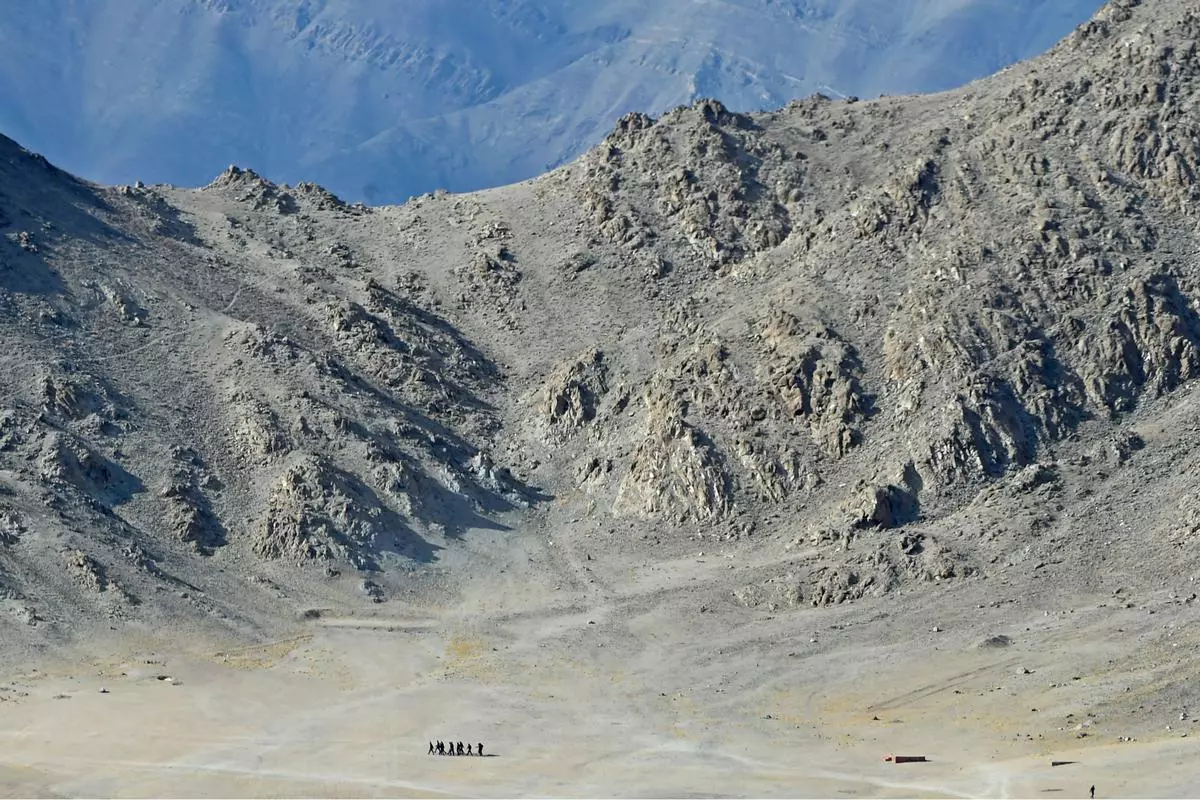
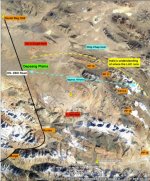
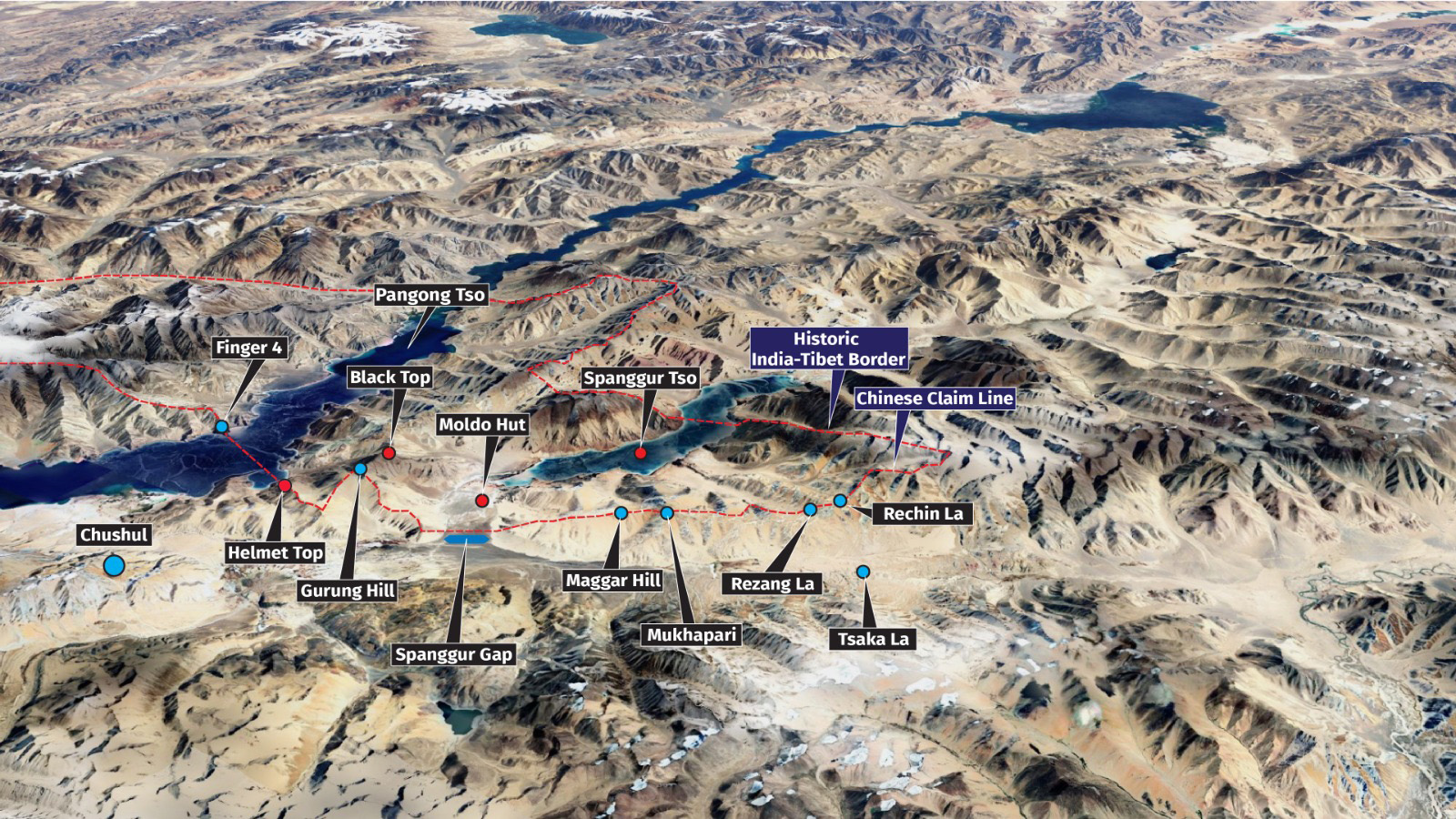
But post August 29-30 when we occupied the Rezang La and Rechin La complex, the most dominating features looking onto China’s Moldo garrison across the other side. We occupied the south bank and higher heights of Finger-4 dominating all the locations that the PLA had occupied. This action brought China back to the negotiating table. Our operations were well planned and well thought out and executed in a manner to totally surprise the PLA. They never expected that we’ll undertake such action. The credit goes to the soldiers on the ground and the zonal leaders who had planned, rehearsed. Since June 15 when the Galwan incident happened, we were preparing and, finally, we executed this to surprise our enemy.
Meanwhile, Gen. Joshi had also moved elements of an independent armoured brigade onto the ridgeline. By the afternoon of August 31, both sides had consolidated their presence resulting in an unprecedented situation where tank turrets were face to face, just 50 metres apart at some places. Another stalemate appeared to be in the offing.
However, the Northern Command had another surprise in store for the Chinese on the north bank of Pangong Tso. On August 31, troops under 39 Division (14 Corps elements) undertook a daring manoeuvre to go up the higher reaches of the Finger 4 ridgeline and managed to reach behind the PLA troops who had ensconced themselves on the slopes of Finger 4 since mid-May. Now, the Chinese were well and truly checkmated. They were outsmarted on the Kailash Range and had lost the advantage of sitting on the slopes of Finger 4 since the Indian troops had gone above and behind them by undertaking an unthinkable operation.
Looking back, those three days can be considered as a major turning point in the current round of India-China tension along the LAC. The Indian Army had turned the tables on the Chinese. The PLA commanders started taking the Corps Commanders level talks more seriously. Yet, it took nearly six more months to achieve the first set of disengagement on the north and south banks of Pangong Tso.
 stratnewsglobal.com
Meanwhile, Gen. Joshi had also moved elements of an independent armoured brigade onto the ridgeline. By the afternoon of August 31, both sides had consolidated their presence resulting in an unprecedented situation where tank turrets were face to face, just 50 metres apart at some places. Another stalemate appeared to be in the offing.
However, the Northern Command had another surprise in store for the Chinese on the north bank of Pangong Tso. On August 31, troops under 39 Division (14 Corps elements) undertook a daring manoeuvre to go up the higher reaches of the Finger 4 ridgeline and managed to reach behind the PLA troops who had ensconced themselves on the slopes of Finger 4 since mid-May. Now, the Chinese were well and truly checkmated. They were outsmarted on the Kailash Range and had lost the advantage of sitting on the slopes of Finger 4 since the Indian troops had gone above and behind them by undertaking an unthinkable operation.
Looking back, those three days can be considered as a major turning point in the current round of India-China tension along the LAC. The Indian Army had turned the tables on the Chinese. The PLA commanders started taking the Corps Commanders level talks more seriously. Yet, it took nearly six more months to achieve the first set of disengagement on the north and south banks of Pangong Tso.
Why Kailash Range Operation Was Planned And Executed
NEW DELHI: Three years ago around this time, then Northern Army Commander Lt Gen. YK Joshi ordered what has now come to be known as the Kailash Range operation to turn the tables on the Chinese PLA determined to change the status quo on the Line of Actual Control (LAC) in Ladakh. What you will read
stratnewsglobal.com