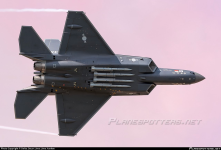
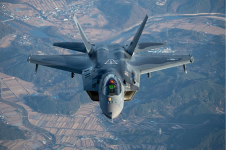
IFX Indonesian Fighter Experiment (KF21/IFX program)

South Korea–Indonesia Agree to Cooperate on KF-21 Fighter Jet Mass Production


Kookmin Ilbo |
2026.04.01
To view this content we will need your consent to set third party cookies.
For more detailed information, see our cookies page.


Relations upgraded to “Special Comprehensive Strategic Partnership”

President Lee Jae-myung: “K-defense industry values Indonesia as an important partner”

President Lee Jae-myung of South Korea and President Prabowo Subianto of Indonesia held a summit on the 1st at the Blue House (Cheong Wa Dae). The two countries agreed to elevate their relationship to a “Special Comprehensive Strategic Partnership.”

During the summit, the two leaders agreed to cooperate on the mass production of the IF-21, the Indonesian version of South Korea’s KF-21 supersonic fighter jet.


KF-21 joint development nearing completion

The leaders expressed satisfaction that the KF-21/IF-21 joint development project—ongoing for over 10 years—is expected to be completed by June. They agreed to cooperate on the mass production of the IF-21.

In addition, both sides agreed to explore further defense cooperation in:

  • Training aircraft
  • Anti-tank guided missiles
  • Ammunition

Past challenges, but strong future potential

Indonesia has participated in the KF-21 development project since 2016. However, there were difficulties along the way, including:

  • A reduction of more than 1 trillion won from its originally promised 1.7 trillion won contribution
  • Allegations of technology leakage involving Indonesian engineers
Despite these issues, Indonesia is currently seen as a highly likely major customer for the IF-21.

President Lee stated during the expanded talks:

“Indonesia is a valuable partner for K-defense today.”
President Prabowo responded:

“Even within a family, misunderstandings can occur. What matters is that Korea and Indonesia share common interests.”

Beyond exports: toward deeper defense cooperation

Senior Presidential Spokesperson Kang Yoo-jung stated that both countries agreed to expand cooperation beyond simple arms exports to include:

  • Joint production
  • Establishment of maintenance, repair, and overhaul (MRO) centers
  • Workforce training

Broader strategic cooperation

The two countries also agreed to upgrade their relationship to a “Special Comprehensive Strategic Partnership,” a unique status for both nations.

They also plan to strengthen cooperation in:

  • Strategic investments via Indonesia’s sovereign wealth fund (Danantara, worth about $1 trillion)
  • Critical minerals
  • Artificial intelligence (AI)
  • Renewable energy
Additionally, cooperation will be expanded to support:

  • Electric vehicle ecosystem development in Indonesia
  • Energy security (coal and liquefied natural gas/LNG), especially in response to Middle East-related risks

State honor awarded

President Lee awarded President Prabowo South Korea’s highest national honor, the Grand Order of Mugunghwa.


(3rd LD) Lee, Prabowo agree to elevate bilateral ties, expand defense industry cooperation​


18:26 April 01, 2026


(ATTN: UPDATES throughout with latest details, photos; RECASTS headline, lead)
By Kim Eun-jung


SEOUL, April 1 (Yonhap) -- President Lee Jae Myung and Indonesian President Prabowo Subianto on Wednesday agreed to expand defense industry cooperation by leveraging the joint development of the KF-21 fighter jet and work together to ensure stable energy supply chains amid the war in the Middle East.

During their summit talks, the two leaders agreed to elevate their special strategic partnership to a special comprehensive strategic partnership, the highest level of bilateral relations short of a formal alliance, to further advance cooperation across a wide range of areas.


They noted that the joint KF-21 development program, known as the IF-X project in Indonesia, is scheduled for completion in June after more than a decade of development.


view larger image
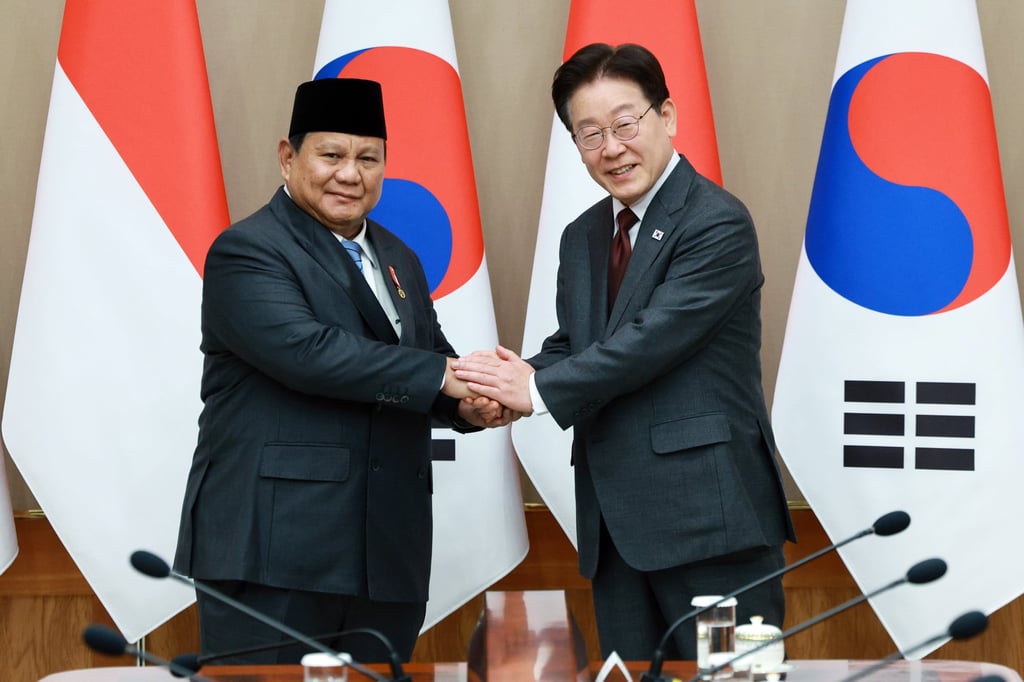
President Lee Jae Myung shakes hands with Indonesian President Prabowo Subianto during their summit talks at Cheong Wa Dae in Seoul on April 1, 2026. (Yonhap)

President Lee Jae Myung shakes hands with Indonesian President Prabowo Subianto during their summit talks at Cheong Wa Dae in Seoul on April 1, 2026. (Yonhap)

"(They) expressed their commitment to cooperation on the KF-21 production project and their expectations for the continued progress of other defense industry cooperation projects, including collaboration on trainer aircraft anti-tank guide missile systems, and ammunition," a joint statement said.


South Korea launched the KF-21 program in 2015 to develop a homegrown supersonic fighter jet, and Indonesia joined as a partner, agreeing to share development costs in exchange for technology transfers, a prototype and other conditions.


Seoul plans to sign a deal to export 16 units to Indonesia, which would mark the country's first overseas sale of its homegrown fighter jets.


Building on the momentum from the fighter jet program, the leaders committed to further expanding cooperation in defense and security, including joint research and development, and production.


As the summit took place amid growing uncertainty over oil and gas supplies following the outbreak of the Middle East conflict, Lee asked Prabowo to expand cooperation on resource supply chains between the two nations.


Lee said the prolonged war in the Middle East is likely to cause concerns about a "big impact" on energy supplies for both South Korea and Indonesia, noting the two nations "need to expand cooperation on resource security to minimize the impact of this crisis," according to a pool report.


view larger image
President Lee Jae Myung (R) holds summit talks with Indonesian President Prabowo Subianto at Cheong Wa Dae in Seoul on April 1, 2026. (Yonhap)

President Lee Jae Myung (R) holds summit talks with Indonesian President Prabowo Subianto at Cheong Wa Dae in Seoul on April 1, 2026. (Yonhap)


Lee highlighted the Southeast Asian nation's role in supplying key energy resources, such as liquefied natural gas (LNG) and coal. Indonesia is the sixth-largest LNG supplier to South Korea, which heavily relies on imports from the Middle East.


Noting Korean firms' participation in Indonesia's electric vehicle (EV) production, Lee expressed hope to expand cooperation on future projects in advanced industries, including shipbuilding and artificial intelligence (AI).


The leaders also reaffirmed their commitment to cooperation in developing Indonesia's EV ecosystem, ranging from the local production of EV batteries and battery recycling to strengthening the EV supply chain, according to the statement.


view larger image
President Lee Jae Myung (R) and Indonesian President Prabowo Subianto pose for a photo ahead of their summit talks at Cheong Wa Dae in Seoul on April 1, 2026. (Yonhap)

President Lee Jae Myung (R) and Indonesian President Prabowo Subianto pose for a photo ahead of their summit talks at Cheong Wa Dae in Seoul on April 1, 2026. (Yonhap)


Prabowo emphasized the importance of bilateral ties amid rising global uncertainties, expressing hope that the two countries will complement each other as partners with shared interests.


He noted that South Korea's advanced manufacturing capabilities and technology could align with Indonesia's abundant resources and market, while also stressing the need to strengthen cooperation in security and the defense industry.


During the summit, the two countries signed 10 memorandums of understanding (MOUs) to deepen economic ties and expand cooperation in areas such as critical minerals, advanced technologies, AI-based health care and intellectual property rights, among others.


Additional agreements focused on expanding cooperation in renewable energy, nuclear energy and the joint development of carbon capture and storage technologies.


Separately, the state-run Export-Import Bank of Korea and Danantara Investment Management, Indonesia's sovereign wealth fund, agreed to cooperate on financing to support Korean companies' entry into Indonesia in promising sectors, including critical minerals, data centers and renewable energy.


During the talks, the two leaders also discussed regional security issues, with Prabowo expressing support for Seoul's efforts to improve ties with Pyongyang and promote peace on the Korean Peninsula, while committing to active cooperation at both bilateral and multilateral levels.


"The two leaders reaffirmed their commitment to the complete denuclearization of the Korean Peninsula, and to lasting peace and stability in the region," the statement said.


view larger image
The Grand Order of Mugunghwa, South Korea's highest honor, awarded by President Lee Jae Myung to Indonesian President Prabowo Subianto, is seen in this photo provided by Cheong Wa Dae on April 1, 2026. (PHOTO NOT FOR SALE) (Yonhap)

The Grand Order of Mugunghwa, South Korea's highest honor, awarded by President Lee Jae Myung to Indonesian President Prabowo Subianto, is seen in this photo provided by Cheong Wa Dae on April 1, 2026. (PHOTO NOT FOR SALE) (Yonhap)


In their second meeting following their talks on the sidelines of the APEC summit in South Korea in November, Lee awarded Prabowo the Grand Order of Mugunghwa, South Korea's highest honor, in recognition of his contributions to strengthening bilateral ties, including support for Korean companies operating in the Southeast Asian nation, Cheong Wa Dae said.


Lee presented Prabowo with a traditional Korean bow set and a martial arts book from the Joseon Dynasty (1392-1910), reflecting the Indonesian president's strong interest in martial arts, shaped by his background as a former Army general and defense minister, Cheong Wa Dae added.


[email protected]
(END)


Related Articles


South Korea and Indonesia’s KF-21 fighter jet is ready. But will it sell?​

Only a handful of nations have ever built a supersonic fighter jet from the ground up

1775273384572.png

Park Chan-kyong
Published: 10:00am, 4 Apr 2026


South Korea has spent a decade and billions of dollars trying to build a world-class fighter jet. Now that the finish line is drawing near, it’s nearly time to find out who will buy one.

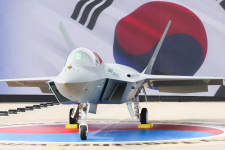
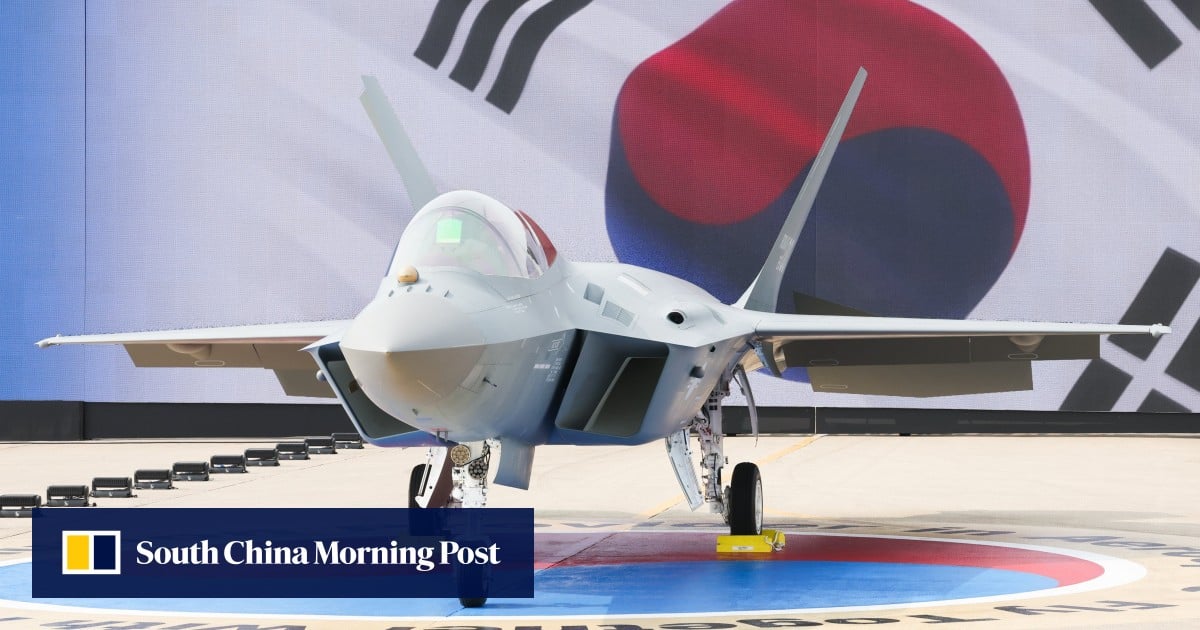
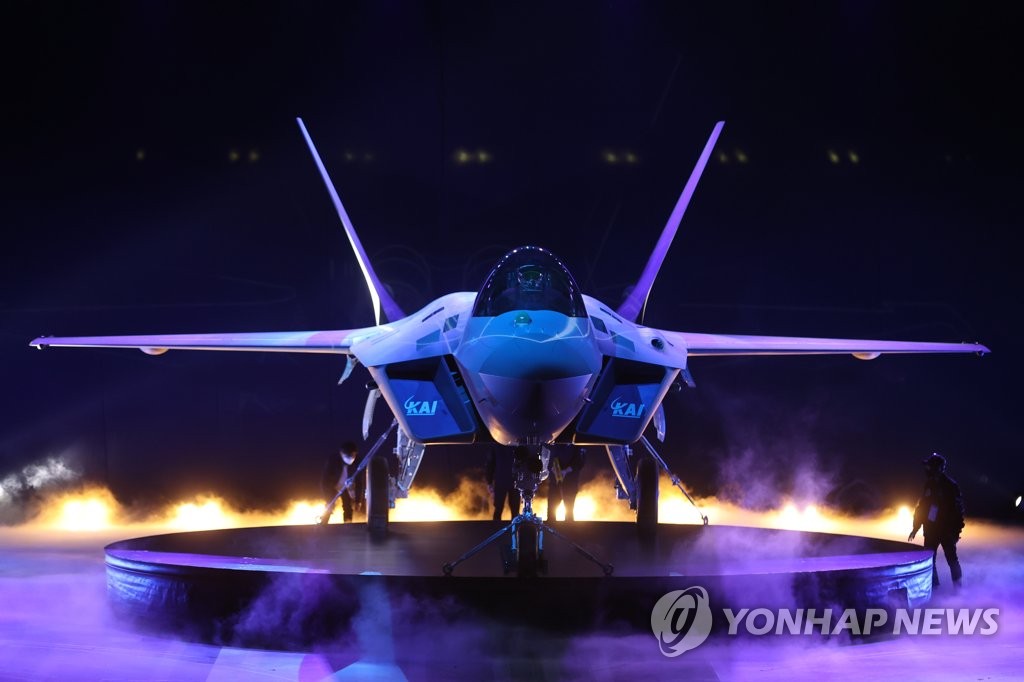
The first mass-produced KF-21 Boramae, developed jointly with Indonesia since 2015, was unveiled by Korea Aerospace Industries in Sacheon on March 25.

Analysts say the aircraft could pave the way for South Korea, already one of the world’s top 10 arms exporters, to grab an even bigger slice of the global market.

“The export of the KF-21, likely within a year of its domestic deployment, would mark a significant leap forward for South Korea’s defence industry in the global high-end weapons market,” said Professor Jang Won-joon of Jeonbuk National University’s Advanced Defence Industry Studies Department.

Indonesian President Prabowo Subianto (left) and South Korean President Lee Jae Myung shake hands in Seoul on Wednesday. Photo: Yonhap/AP

Indonesian President Prabowo Subianto (left) and South Korean President Lee Jae Myung shake hands in Seoul on Wednesday. Photo: Yonhap/AP

At a summit in Seoul on Wednesday, President Lee Jae Myung and Indonesian President Prabowo Subianto agreed to expand defence industry cooperation and confirmed that joint development of the KF-21 was on track to conclude in June.

In a joint statement, the two leaders committed to continued collaboration on the jet’s production and pledged joint development of trainer aircraft, anti-tank guided missile systems and ammunition.

Lee described the KF-21 as a “model example” of international defence cooperation in comments to Indonesian newspaper Kompas, calling for extending the partnership into naval vessels and air defence systems.

Prabowo, meanwhile, framed the alliance in terms of mutual advantage. “Korea possesses outstanding industrial and technological capabilities, while Indonesia has abundant resources and a large market,” he said.

Seoul had hoped to finalise a formal export agreement with Indonesia during Wednesday’s summit, but financial pressures tied to global instability and inflation reportedly delayed a deal.

Hunting for buyers​

The KF-21 is a “4.5-generation” supersonic fighter equipped with advanced radar technology, capable of reaching Mach 1.8 with a maximum range of 2,900km (1,800 miles).

Its development places South Korea in an elite tier of nations capable of producing advanced supersonic combat aircraft indigenously, alongside the likes of the United States, China, Russia, Japan, France and Sweden.

South Korea says it plans to produce 40 of the Block-1 variants, optimised for air-to-air combat, by 2028, with 20 units completed by 2027 and a further 20 the following year.

Indonesia is reportedly considering buying 16 Block-2 aircraft, which add air-to-ground and anti-ship strike capabilities.

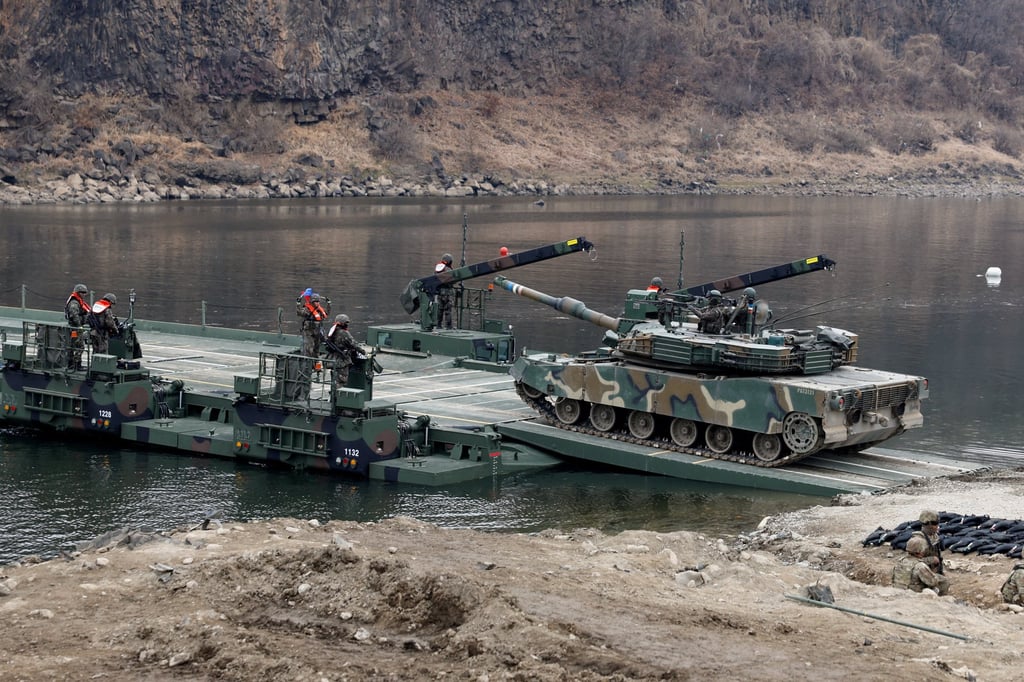
A South Korean army K1E1 tank crosses a pontoon bridge during a US-South Korea joint river-crossing exercise in Yeoncheon, South Korea, on March 14. Photo: Reuters

A South Korean army K1E1 tank crosses a pontoon bridge during a US-South Korea joint river-crossing exercise in Yeoncheon, South Korea, on March 14. Photo: Reuters

South Korean defence exports hit a record US$15.4 billion in 2025, up 60 per cent year on year, according to the Defence Acquisition Programme Administration, the government agency in charge of buying, developing and upgrading military equipment.


Analysts predict exports will soar even higher as global conflicts fuel demand and President Lee pushes for the country to become one of the world’s top four defence exporters by 2030.

But the KF-21’s development has not been without controversy. Indonesia previously requested a reduction in its financial contribution to the joint project, which has also been overshadowed by allegations of technology leaks involving Indonesian engineers.
Last year, the two countries reached a revised cost-sharing agreement, lowering Jakarta’s contribution from 1.5 trillion won (US$994 million) to 600 billion won, of which 500 billion won has been paid.

Economic cooperation between the two countries is becoming increasingly important

Lee Jae-hyon, Asan Institute for Policy Studies
Despite the setbacks, analysts stressed the importance of Indonesia’s participation in the project both as a vehicle for technology transfer and the long-term development of the Southeast Asian nation’s own defence industrial base.

Kim Mi-jung, a senior researcher at the Korea Institute for Industrial Economics and Trade think tank, said the programme could strengthen cooperation between South Korea countries across Southeast Asia, particularly in air and naval surveillance.

An Indonesian order for the jets might also catalyse interest from the Philippines, Thailand and other Southeast Asian nations, Professor Jang said.

Middle Eastern nations including the UAE and Saudi Arabia have also expressed interest in acquiring the aircraft, broadening the KF-21’s potential market.

South Korea and Indonesia’s defence ties date back decades, with Jakarta having previously imported Korean-made trainer aircraft, landing ships and submarines – purchases analysts credit with establishing Seoul’s credibility as a serious defence supplier.

Beyond defence ties​

Wednesday’s summit made clear that both governments recognise the significance of their broader relationship.

Lee highlighted Indonesia’s importance as a supplier of liquefied natural gas and coal, and called for deeper cooperation in shipbuilding, artificial intelligence and electric vehicles.

Both leaders also reaffirmed their commitment to building out Indonesia’s EV ecosystem, including battery production, recycling and supply chain development.

South Korea exported US$7 billion worth of goods to Indonesia last year while importing US$11.3 billion, according to trade data. The two countries have operated under a free-trade agreement since 2020, with trade flows anchored by Indonesian raw materials and South Korean semiconductors and machinery.


“Amid a rapidly shifting global and regional order, economic cooperation between the two countries is becoming increasingly important,” said Lee Jae-hyon, a principal fellow at the Asan Institute for Policy Studies in Seoul who specialises in Southeast Asian politics and international relations.

He pointed to Indonesia’s energy resources, in particular, given the ongoing instability along key Middle East shipping routes amid the US-Israel war on Iran.

As the KF-21 moved from development into deployment, both nations appeared poised “to turn a complex partnership into a long-term strategic asset”, Lee added.


Park Chan-kyong
Park Chan-kyong

Park Chan-kyong is a journalist covering South Korean affairs for the South China Morning Post. He previously worked at the Agence France-Presse's Seoul bureau for 35 years. He studied political science at Korea University and economics at the Yonsei University Graduate School.


Coordinating Minister Airlangga Reveals Continuation of KF-21 Fighter Jet Project​


Binti Mufarida
Kamis, 02 April 2026


To view this content we will need your consent to set third party cookies.
For more detailed information, see our cookies page.

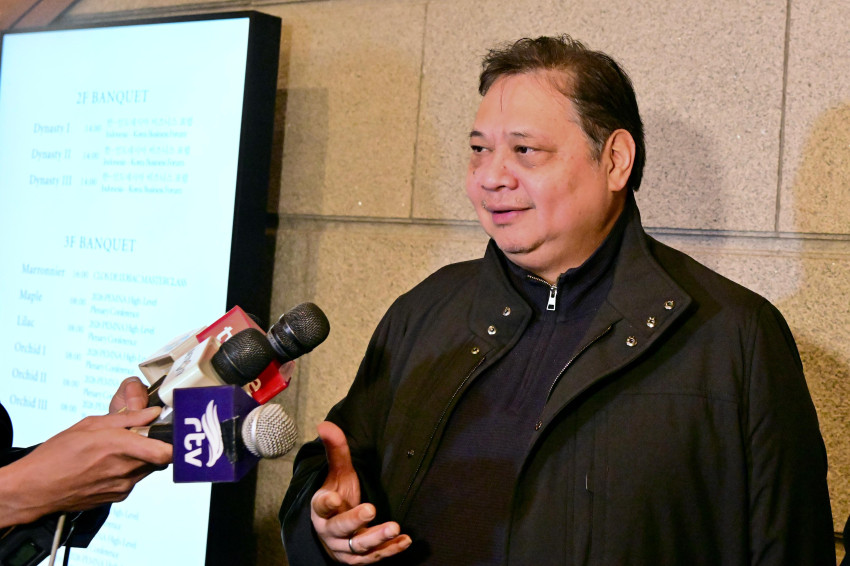
Coordinating Minister for Economic Affairs, Airlangga Hartanto, and Danantara CEO (parent company of Indonesian Aerospace), Rosan Roeslani.


SEOUL — The continuation of the KF-21/IFX fighter jet project was discussed during a bilateral meeting between Indonesian President Prabowo Subianto and South Korean President Lee Jae Myung.

The meeting took place at the Blue House (South Korean Presidential Office) in Seoul on Wednesday (April 1, 2026).


Strategic Defense Cooperation​

The meeting served as an important momentum for both countries to ensure the continuation of strategic cooperation in the defense sector, particularly the development of the KF-21/IFX fighter jet, which has spanned multiple administrations.

Coordinating Minister for Economic Affairs Airlangga Hartarto stated that President Prabowo will soon send technical and engineering teams to South Korea.

“In the bilateral meeting, one of the issues raised was indeed related to IFX, and the President conveyed that he will soon send a team, both technical and engineering,” said Airlangga, quoted Thursday (April 2, 2026).

Technical and Financial Considerations​

Airlangga added that the Indonesian government is also seeking a new payment scheme to support the continuation of the project.

The KF-21/IFX project began during the administration of President Susilo Bambang Yudhoyono (SBY) and was continued under President Joko Widodo (Jokowi).

“There are indeed technical issues related to specifications and others, but the expectation is that these will be resolved by sending the team there,” he concluded.


*It has been translated using AI
LEE [email protected]
Input : 2026-04-05

1775391854229.png
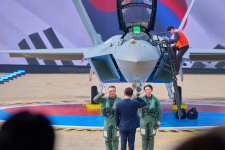
On the 25th of last month, a ceremony was held at the headquarters of Sacheon, South Gyeongsang Province, of the Korea Aerospace Industries (KAI) to release KF-21 Yangsan No. 1, which will be responsible for protecting the Korean Air Force's airspace. Pilots salute the president of Lee Jae Myung. The Blue House


The Korean fighter KF-21 "Boramae," which will shake the world's fighter market, is finally taking its first step in mass production, drawing attention from all over the world.

On the 25th of last month, a ceremony was held at the headquarters of Sacheon, South Gyeongsang Province, of the Korea Aerospace Industries (KAI) to release KF-21 Yangsan No. 1, which will be responsible for protecting the Korean Air Force's airspace.

Given that the actual production of electrification has begun beyond performance verification through the prototype, this shipment is evaluated as a turning point for the development business. KF-21 will be delivered sequentially to the Korean Air Force from the second half of this year and will begin full-scale electricity.

President Lee Jae Myung, who attended the event, praised all officials, including KAI, who led the development and production despite many difficulties and skepticism, as well as domestic research institutes, defense companies, the government and military, as well as researchers and technicians. The KF-21 project, which involves more than 600 domestic partners and aims for a localization rate of 65%, is already considered to be supporting the foundation of the Korean aviation industry.

1775457165841.png

President Lee said, "We will use the success of KF-21 as a strong foothold for Korea's four largest defense industries to leap forward," expressing his firm commitment to full support at the pan-governmental level and preoccupying the global market. President Lee said, "KF-21 has already received hot attention from countries around the world before the release of Unit 1 due to its excellent performance, low maintenance cost, and high expandability of the gas platform."

Expectations for exports to KF-21 are also rising more than ever. The key driving force for KF-21 to succeed in the global defense market is by far 'international trust'. The true competitiveness of KF-21 goes beyond mere performance metrics. Behind the specifications, which reach Mach 1.8 and a maximum armament of 7.7 tons, sits thousands of tests and the extreme challenges of the test pilots who performed them. Until the release of Yangsan No. 1, it went through 955 ground tests and 1601 flight tests with a total of six test machines.

1775456471004.png

Combat aircraft are usually operated for about 40 years once introduced, so the introducing countries prioritize strategic ties between manufacturing countries and stability of the operating ecosystem beyond the performance of the aircraft. In this context, Indonesia, a co-developer, is an important partner and customer in completing the global credibility of KF-21. Close cooperation with Indonesia is a strategic foothold to evolve KF-21 into a high-tech platform with global competitiveness, not just assets of Korea.

This is because as soon as Indonesia confirms its actual deployment, KF-21 will be upgraded to a global standard platform that is verified and operated by the international community beyond simple domestic fighter jets.

The power of such international solidarity has also been evident in the case of the world's strongest stealth fighter F-35. Lockheed Martin's strategy, which involved a number of allies such as the UK and Italy as partners from the development stage, gave the F-35 a strong standard status. The fact that major countries around the world operate together sends a strong signal of confidence to subsequent countries that they will not be isolated from component supply and performance improvement for the next few decades.

KF-21 is also expected to emerge as an irresistible attractive option for potential customers in the Middle East and Europe if the stability of the aircraft is proved through a strategic base called Indonesia.

Korea has already seen the success equation in which 'operational trust' leads to export expansion through cooperation with Indonesia. The door to exports opened in 2011 when Indonesia introduced the first domestic supersonic advanced trainer T-50 and later became a stepping stone to expand into the huge markets of Poland and Malaysia through the Philippines, Thailand, and Iraq.


With the successful reliability of operation built up by the early adopters for over a decade, T-50 aircraft, including the FA-50, were able to become bestsellers on the world stage. KF-21 is also expected to quickly secure competitiveness in the global market through this virtuous cycle structure.

1775456647093.png
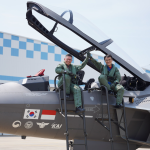
Indonesian test pilot take front seat during test flight that is accompanied by Korean test pilot in the backseat.

Partnerships with Indonesia are also essential in terms of economic ripple effects. Indonesia's confirmed volume, combined with the introduction volume of the Korean Air Force, becomes a key pillar in realizing economies of scale. This is the foundation for KF-21 to gain a price advantage among prominent competitors such as Rafale and Eurofighter. Furthermore, according to an announcement by the Korea Inorganic Systems Research Institute in 2017, the production inducement effect of KF-21 is expected to reach 24 trillion won and the technology ripple effect is expected to reach 49 trillion won.

Meanwhile, President Lee Jae Myung said on the 31st of last month, "I hope this successful experience will serve as an opportunity to expand defense cooperation in various fields such as ships and air defense weapons," referring to the joint development of Korean fighter KF-21 between South Korea and Indonesia.

"The joint development of next-generation fighter jets between South Korea and Indonesia is a model for international defense cooperation that can serve as a global example," President Lee said in a written interview with Indonesian media "Compas." The interview is said to have taken place ahead of a summit meeting with Indonesian President Prabowo Subianto at Cheong Wa Dae.

[Reporter Lee Dong In]


South Korea to Transfer One KF-21 Prototype to Indonesia, a Joint Development Partner


Yonhap News |
2026.04.07


To view this content we will need your consent to set third party cookies.
For more detailed information, see our cookies page.


South Korea has effectively agreed to transfer one of the six KF-21 Boramae fighter prototypes to Indonesia, its partner in the joint development program.

According to data submitted by the Defense Acquisition Program Administration (DAPA) to the National Assembly’s Defense Committee, South Korea and Indonesia reached a working-level agreement in February on a value transfer plan related to the KF-21 joint development project.


Value transfer worth around 600 billion won

The total value transfer amounts to approximately 600 billion won, reflecting Indonesia’s financial contribution to the KF-21 development program.

This package includes:

  • One KF-21 prototype aircraft
  • Technology transfer
  • Provision of development data
The breakdown is as follows:

  • Prototype No. 5: 350 billion won
  • Participation costs (Indonesian researchers’ labor) and technology transfer: 174.2 billion won
  • Development data: 75.8 billion won

To view this content we will need your consent to set third party cookies.
For more detailed information, see our cookies page.


Details of the prototype

The KF-21 prototype being transferred is No. 5, a single-seat aircraft.

It successfully completed its first flight in May 2023 and has been used mainly for:

  • Testing avionics performance, including the AESA radar
  • Conducting air-to-air refueling tests

Reduced contribution, adjusted compensation

Indonesia initially agreed to cover 20% of the development cost (around 1.6 trillion won) and receive value transfers of a similar scale.

However, due to economic difficulties, Indonesia reduced its contribution to 600 billion won, leading to a corresponding reduction in value transfer from 1.6 trillion won to 600 billion won.

Although the original agreement included transferring one prototype, South Korea had reconsidered the plan after Indonesia reduced its financial contribution.


Why South Korea agreed to transfer the prototype

Indonesia, as a potential export customer, strongly requested the prototype transfer.

South Korea ultimately decided that transferring a prototype—which has limited military operational value—would be more advantageous than transferring more sensitive fighter jet technologies.


Payment status and next steps

Indonesia has so far paid 536 billion won out of the total 600 billion won and plans to complete the remaining 64 billion won by June this year.

DAPA will determine the timing of the transfer of the prototype and development data after full payment is completed.


Separate negotiations for 16 aircraft export

Separately from the prototype transfer, South Korea is also in discussions with Indonesia regarding the export of 16 KF-21 fighter jets.


Last edited:
Alhamdulillah, Allahu Akbar

To view this content we will need your consent to set third party cookies.
For more detailed information, see our cookies page.
 
1775621352326.png

Despite Indonesian Aerospace engineers are coming home in May 2020 after the completion of design in the end of 2019 (CDR is in September 2019).

The work keep continuing and being sent to KAI from Indonesian Aerospace office. It is related to tandem seat prototype where the construction hasnt been made in 2020 and also component manufacturing for first protoype.

Exact numbers of Indonesian engineers are 116 who got home from Korean Aerospace in May 2020. But later they come back to Korea starting in August 2021.


-----------

This is the work being done by Indonesian Aerospace from their home office in Bandung after Indonesian engineers coming back from Korea in May 2020.

This is the activity in the year of 2020 in Indonesian Aerospace for fuselage design for tandem variant and first prototype component manufacturing.

Wing Access Cover Design & Analysist

Tandem seat forward Fuselage Structural Test Article

Air Frame Manufacturing for First Prototype


Indonesian Aerospace (PT Dirgantara Indonesia) Annual report for the year 2020 (page 82)

1775533588562.png
 
To view this content we will need your consent to set third party cookies.
For more detailed information, see our cookies page.


What KF21 5th prototype planned to be sent to Indonesia (Indonesian Aerospace) is intended for ? The answer is for plane development, KF21 Indonesian Version (IFX)

The same function like Indonesian Aerospace CN235 Test Bed plane.

To view this content we will need your consent to set third party cookies.
For more detailed information, see our cookies page.


Lets read old news talking about the matter


Create a fighter jet, Indonesia prepares massive resources

Anggi Kusumadewi, Resty Armenia, Prima Gumilang | CNN Indonesia
Wednesday, 02 Mar 2016 12:39 WIB

1775534823667.png

Jakarta, CNN Indonesia -- “Warplanes are like cell phones. The technology has changed over the years, whether it's about electronics, sensors or weapons."

Heri Yansyah, Head of the Korea Fighter Xperiment/Indonesia Fighter Xperiment (KF-X/IF-X) program at PT Dirgantara Indonesia, said this while talking to CNNIndonesia.com, Friday (19/2).

“So Indonesia must be able to upgrade this ever-changing technology. If you don't have the ability to upgrade, then buy the same aircraft as neighboring countries, then in two or three years, Indonesia will be defeated," said Heri.

Although comparing fighter planes with mobile phones, to make it far from easy. It took more than 10 years to develop the KF-X/IF-X which was designed to be a 4.5 generation multi-role fighter jet with technology approaching the capabilities of a 5th generation stealth fighter.

Since the jet engine was first developed in 1946, fighter aircraft have evolved to the fifth generation. This latest generation combines stealth technology for undetected radar, supersonic roaming capabilities, and new integrated sensors.

The only 5th generation fighter aircraft currently in service is the US Lockheed Martin F-22 Raptor. While a number of other jets from that generation, such as the F-35 Lighting II and the Sukhoi PAK FA, are still at the testing stage.

To make the KF-X/IF-X prototype, Indonesian and South Korean scientists will work hand in hand at the Korea Aerospace Industries headquarters in Sacheon, South Gyeongsang Province.

"At the peak of prototyping, 200 Indonesian engineers will be involved," said Heri, who in the 2011-2012 period went to South Korea for 18 months to work on the first phase of the KF-X/IF-X project, namely concept development.

The number of Indonesian engineers who went to South Korea in the second phase of work – prototyping – starting in 2016 was far more than the first phase, which only amounted to 52 people.


The Indonesian scientists will come to South Korea gradually over the next 10 years. "There are engineers who have to stay there for a full 10 years, but there are also those who are rotated," said Heri.

Build facilities

Domestically, Indonesia is speeding up the preparation of human resources and technology, starting from research on the core technology of fighter jet engines, materials, avionics, aerodynamics, to building a laboratory to support this research.

In addition, although the production of KF-X/IF-X is centered in South Korea, the headquarters of PT Dirgantara Indonesia in Bandung, West Java, will be no less busy. PTDI will monitor all the work on the fighter aircraft.

PTDI, for example, has prepared the Indonesian Design Center (DCI) to build technology, infrastructure and simulation capabilities. In this place, all stages of work on the KF-X/IF-X in South Korea will be communicated.

DCI is a mirroring of the Design Center building which was also built in Sacheon, South Korea. The Design Center in Sacheon is a kind of sealed and sterile building. People who enter it are prohibited from bringing flash drives and computers. There, Indonesian and South Korean scientists will work together.

Indonesia was also assigned the task of making aircraft components for the right wing and tail, as well as under-wing reinforcement.


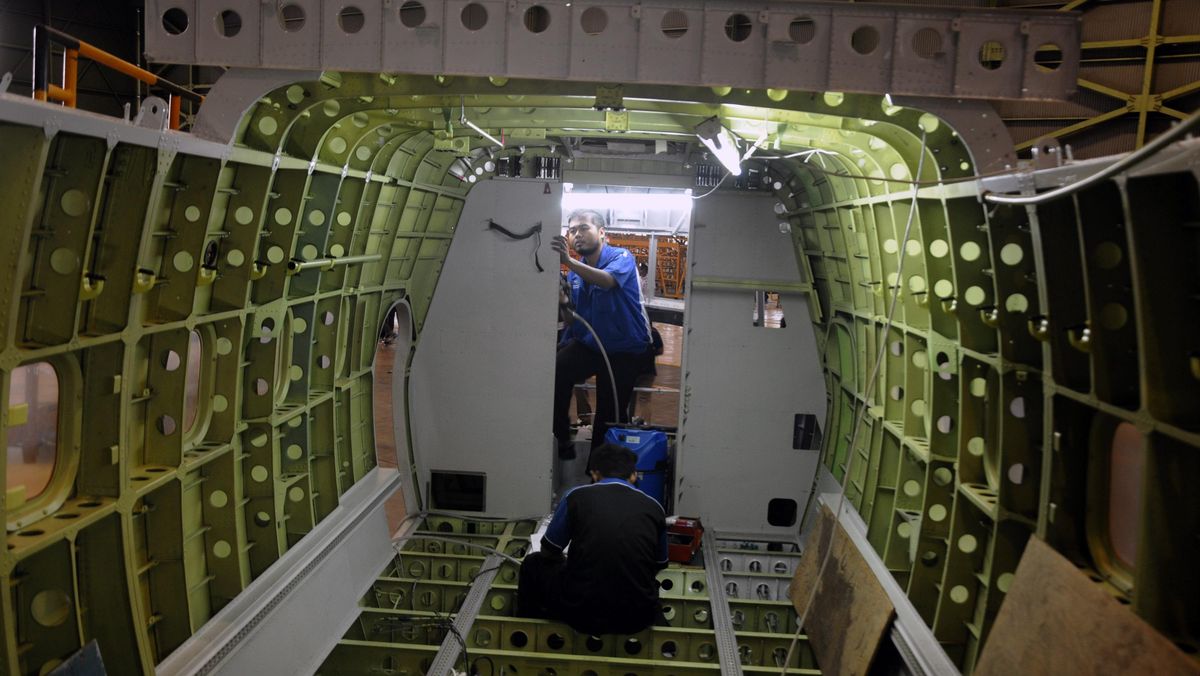
Also, Indonesia gets a share to make aircraft prototypes. A total of eight prototypes will be built – six flying prototypes, and two non-flying prototypes for structural testing.

"The fifth prototype will be made here," said Heri. "Why the fifth? Because this is the first time Indonesia has developed a fighter aircraft. For the first and second prototypes, Indonesia is not ready," added the PTDI aerodynamics expert.

Therefore, PTDI has also prepared composing hangar facilities, titanium hangars, production hangars, and final assembly hangars for fighter aircraft.


5th prototype should have been produced in Indonesian Aeospace since the beginning, but Jokowi administration delay in program funding that include KF21 production facility in Indonesian Aerospace make the plan impossible to achieve (building the 5th prototype in Indonesia)
 
1777027396829.png

To view this content we will need your consent to set third party cookies.
For more detailed information, see our cookies page.


To view this content we will need your consent to set third party cookies.
For more detailed information, see our cookies page.


First Flight of First Mass Production KF-21 for Korean Airforce​


KF-21 to Get Domestic 16,000 lbf Engine by Late 2030s​


Lee Hyeon-Ho


Hanwha Aerospace unveiled the prototype of its advanced aviation engine for the first time at the Farnborough Airshow held in the UK in July 2024. Photo courtesy of Hanwha Aerospace. - Seoul Economic Daily Politics News from South Korea

Hanwha Aerospace unveiled the prototype of its advanced aviation engine for the first time at the Farnborough Airshow held in the UK in July 2024. Photo courtesy of Hanwha Aerospace.


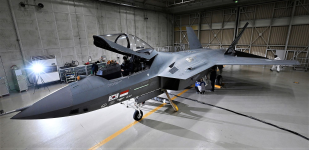
On March 25, a rollout ceremony for the first mass-produced KF-21 "Boramae" was held at Korea Aerospace Industries (KAI) in Sacheon, South Gyeongsang Province. It is the first Korean fighter jet built with a substantial amount of domestic technology. With full-scale mass production now underway, the first aircraft is scheduled to be delivered to the Air Force as early as September this year.

The Defense Acquisition Program Administration (DAPA) will invest approximately 10 trillion won ($7.3 billion) to deliver 40 early-version aircraft (twin-seat and single-seat) to the Air Force by 2028. The Air Force aims to subsequently acquire 80 additional Block-II successor aircraft with enhanced air-to-ground capabilities, deploying a total of 120 units in active service by 2032.

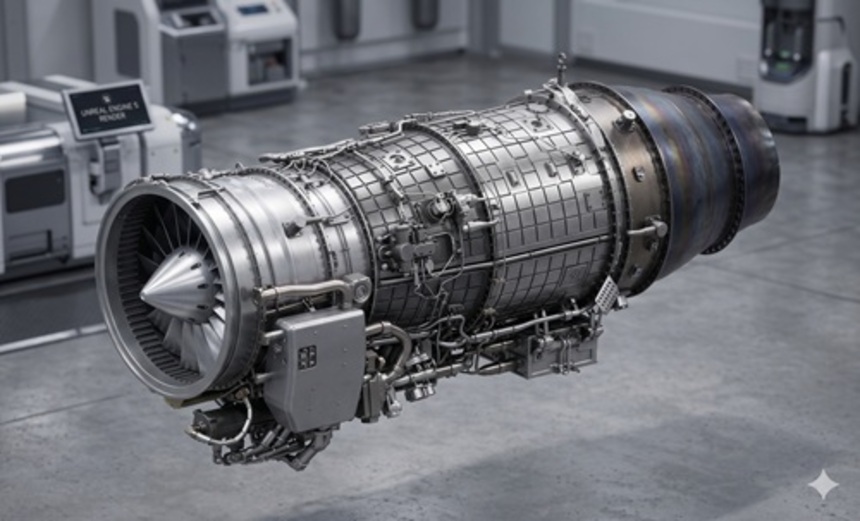
However, the engine mounted on the KF-21 is the "F414-GE-400K" manufactured by General Electric (GE) of the United States, produced by Hanwha Aerospace (012450.KS) under a technology transfer arrangement. Because the KF-21's "heart," its engine, is borrowed from the United States, it effectively acts as a shackle.

The engine is subject to the International Traffic in Arms Regulations (ITAR) administered by the U.S. State Department. ITAR contains third-country transfer control provisions, meaning that if even a single core U.S. component is included, approval from the U.S. administration is required. As a result, Korea must obtain an Export License (EL) whenever exporting the KF-21.

If engine problems arise, the reality is that Korea has no choice but to rely entirely on GE for support. This is why technological independence through domestic aircraft engine development is needed. While the localization rate of the initial KF-21 model reaches about 65%, the engine localization rate stands at only 39%.

The engine mounted on the KF-21 is GE's F414-400K. This engine is a modified version of the "F414-400K" installed on the U.S. F/A-18 "Super Hornet," adapted to fit the KF-21. The situation is similar for the FA-50 light attack aircraft, developed before the KF-21, which is equipped with GE's F404-102 engine.

Because ownership of the core aircraft engine technology rests with GE, there are limits to raising the localization rate. Is engine localization for Korean fighter jets therefore impossible? In response, the government is making active national-level investments in the aircraft engine sector.

Hanwha Aerospace manufacturing aircraft engines at its Changwon plant. Photo courtesy of Hanwha Aerospace. - Seoul Economic Daily Politics News from South Korea

Hanwha Aerospace manufacturing aircraft engines at its Changwon plant. Photo courtesy of Hanwha Aerospace.


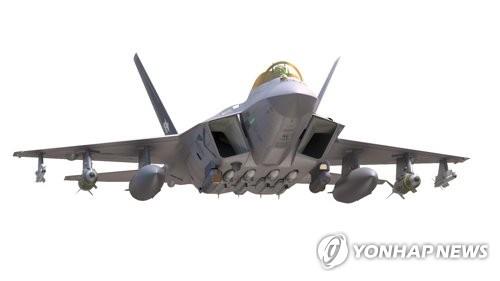
A conceptual image of a domestic stealth drone operating with the KF-21 Boramae (front). Photo courtesy of Defense Acquisition Program Administration. - Seoul Economic Daily Politics News from South Korea

A conceptual image of a domestic stealth drone operating with the KF-21 Boramae (front). Photo courtesy of Defense Acquisition Program Administration.

 
To view this content we will need your consent to set third party cookies.
For more detailed information, see our cookies page.


KF-21 passes final evaluation - what next for Korea's first homegrown fighter jet?​


[Exclusive] ADD and Hanwha Aerospace Complete Assembly of Korea’s First Long-Life Jet Engine ‘KTF5500’​

Kim Min-seok – Research Fellow, Korea Defense & Security Forum
1778760637030.png


South Korea has completed assembly of its first domestically developed long-life jet engine, marking a major milestone in the country’s aerospace and defense industry.

According to sources, the first prototype of the KTF5500 jet engine — developed under the leadership of South Korea’s Agency for Defense Development (ADD) — was assembled on April 26 at a factory operated by Hanwha Aerospace in Changwon.

The achievement is significant because South Korea had previously relied entirely on imports for long-life jet engines. The successful assembly of the KTF5500 is now viewed as an important step toward technological independence in the aviation engine sector.

The development is also expected to open opportunities for South Korea’s domestic jet engine industry beyond unmanned aerial vehicles (UAVs), potentially supporting future military aircraft such as the KF-21 Boramae as well as business jets.


Long-Life Jet Engine Technology​

Jet engines are generally divided into two categories:

  • Short-life engines
  • Long-life engines
Because jet engines operate under extremely high temperatures and rotational speeds, durability and heat resistance are critical factors.

Short-life engines, which typically last only dozens of flight hours, are mainly used for one-time weapon systems such as missiles. They are unsuitable for UAVs or manned aircraft that require long operational endurance.

Until now, most engines designed by ADD and Hanwha Aerospace had been short-life engines.

Only a small number of countries — including the United States, Russia, China, the United Kingdom, France, Japan, and Ukraine — have successfully commercialized long-life jet engine technology.


KTF5500 Specifications​

The KTF5500 is designed as a long-life jet engine for unmanned aircraft.

Development began in December 2019 and is scheduled to continue through the end of 2027 as part of a long-term national project.

The program involves multiple South Korean defense companies, including Hanwha Aerospace and MNC Solution, which are responsible for system integration, components, and auxiliary systems.

Key specifications include:

  • Thrust class: 5,500 pounds (lb)
  • Comparable to Ukraine’s AI-222 engine
  • Suitable for:
    • Small trainer aircraft
    • Unmanned aerial vehicles
Although exact endurance figures have not been officially disclosed, the engine is believed to be capable of operating for more than 2,000 hours.


Strategic Significance​

The completion of the KTF5500 is seen as a breakthrough for South Korea’s defense industry, particularly in reducing dependence on foreign engine suppliers.

Export approval restrictions for foreign-made engines have previously created difficulties for South Korean defense exports. For example, systems such as the K2 tank and K9 self-propelled howitzer faced export complications before locally developed powerpacks helped open new markets, including Egypt.

Concerns have also been raised regarding the KF-21 fighter program, which currently uses the American-made GE F414 engine. Export approvals for foreign engines could potentially become an obstacle to future international sales of the aircraft.


Future Challenges​

Despite the milestone, several technological challenges remain.

The article notes that future UAV and collaborative combat aircraft (CCA) engines will require:

  • Lower specific fuel consumption (SFC)
  • Higher electrical power generation capability
The report suggests that South Korea should accelerate testing and evaluation of the KTF5500 while simultaneously developing next-generation UAV engines such as Hanwha Aerospace’s HAF4500.

It also argues that development expertise from the KTF5500 program should gradually be transferred from research institutes to the private aerospace industry to establish a more industry-led development ecosystem.

According to the article, such an ecosystem will be important for South Korea’s future goal of developing an advanced 16,000-pound-class jet engine by 2040.

 
To view this content we will need your consent to set third party cookies.
For more detailed information, see our cookies page.


First-ever look inside KAI's fighter jet mass production facility in Sacheon city​

 
Indonesia's defense strategy seems to be something wrong. The Indonesian Air Force even signed the contract for the KF-21, Rafale, and TAI KAAN ® in addition to the current Su-30, Su-27, F-16, and Bae Hawk a Mk.200. Russia, the U.S., the U.K., Korea, France, and Turkiye, there is no way that the supply or maintenance of parts will work properly.
 

Users who are viewing this thread

Pakistan Defence Latest

Country Watch Latest

Back
Top