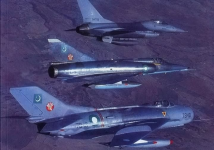
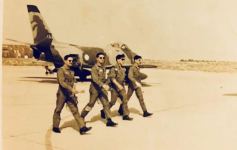
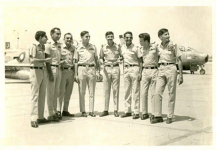
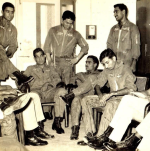
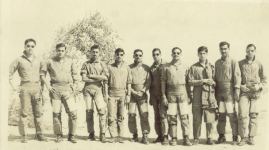
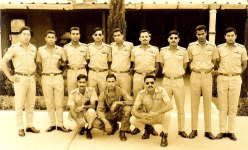
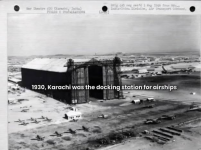
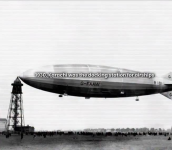
Images - Pakistan Air Force in the Mirror of History.
- Thread starter ghazi52
- Start date



Users who are viewing this thread
Pakistan Defence Latest
-
 After uneasy questions, Bangladesh Army chief broke into Nazrul geeti during Oct 1 darbar (2 Viewers)
- Latest: LeonBlack08
-

-

-
-
Country Watch Latest
-
 India Has Lost Air Superiority to Pakistan, No Jets Left to Fight (66 Viewers)
- Latest: Vikramaditya1
-
-
Iran - Israel/US War: Israel-US declare war on Iran, Iran responds (141 Viewers)
- Latest: BananaRepublic
-

-

Latest Posts
-
-
India Has Lost Air Superiority to Pakistan, No Jets Left to Fight (66 Viewers)
- Latest: Vikramaditya1
-
After uneasy questions, Bangladesh Army chief broke into Nazrul geeti during Oct 1 darbar (2 Viewers)
- Latest: LeonBlack08
-

-