Usman
@usman_cph
**The Jews and the Tempests in Rome**
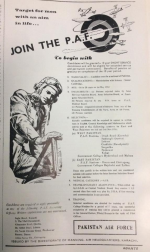
Sometimes while researching archives, you find a gem that even surprises you. Soon after independence, the Royal Pakistan Air Force (RPAF) faced a growing Indian airpower capability; not only was the RPAF considerably smaller in size, but the disparity also became greater when supporting infrastructure was taken into context.
The effects of this disparity were most apparent when, shortly after independence, the RPAF found itself almost helpless in supporting ground forces in the first Kashmir war. At the time, the RPAF could muster some supply-dropping missions using its limited Dakota fleet and then had to resort to night supply-dropping missions in the face of Royal Indian Air Force (RIAF) offensive counter-air capability.
The need to build up Pakistan’s military aviation capacity became apparent quickly. The RPAF, in the first instance, looked for additional aircraft of various types, accompanied by parallel efforts for a local training and maintenance infrastructure.
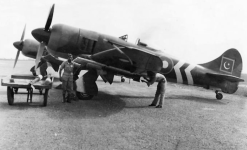
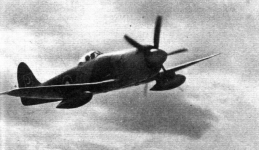
The RPAF’s growth plans were laid out in four phases, and as part of one of those phases, the RPAF looked into acquiring additional Tempest II aircraft to add to the 32 aircraft it had inherited upon independence.
Initially, an inquiry for 75 refurbished Tempest II aircraft from ex-RAF stocks was made, which was later reduced to 34 aircraft, including the possibility of converting 10 of these aircraft to dual-seaters.
Finally, an order for 24 aircraft was placed, refurbished in the UK, and delivered starting in 1949. These aircraft now carried the standard RPAF desert camouflage of dark earth and middle stone and were allocated serials A128–151.
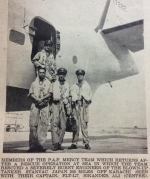
During January 1949, three of the Tempests were en route to Pakistan for delivery when, during a refuelling stop at Rome, one of the aircraft developed an engine fault. Now stranded in Rome until repairs could be conducted, it was here that Sunday Express Air Correspondent Squadron Leader Dundas got wind of a plot to steal the three Tempests. This started a chain of urgent secret telegrams between the British Foreign Office and the Air Attaché in Rome. One of these telegrams, No. 253, dated 8th February 1949 and addressed to Rome from the British Foreign Office, read: “1. Sunday Express Air Correspondent reported on February 6th that the Jews intend to steal three Tempest aircraft delayed at Rome by engine trouble while on their way from the United Kingdom to Pakistan. 2. In spite of this publicity we have strong reason to believe that this attempt may still take place in the immediate future.” The subsequent cyphers note the Air Attaché already being aware of the planned heist and the request to Italian authorities to provide guards and instructions to ensure the immobilisation of the aircraft. The British strongly believed that the Italian officer in charge of the airfield “… is implicated in the plot to steal these aircraft and that he is acting on orders, which may even be ministerial, from above.” Italy, along with Czechoslovakia, was the chief exporter of war material to both sides in the Palestine conflict and served as a training ground for Jewish aviation. Once tipped off, the British were quick to react and put safeguards in place, and in the end, all three aircraft took off on their onward journey to Pakistan.
Sources: *Eagles of Destiny: Birth and Growth of the Royal Pakistan Air Force 1947-1956* by Usman Shabbir & Yawar Mazhar; The National Archives, Reference FO 371/75397






 India Has Lost Air Superiority to Pakistan, No Jets Left to Fight (5 Viewers)
