K2RULEZ
Elite Member


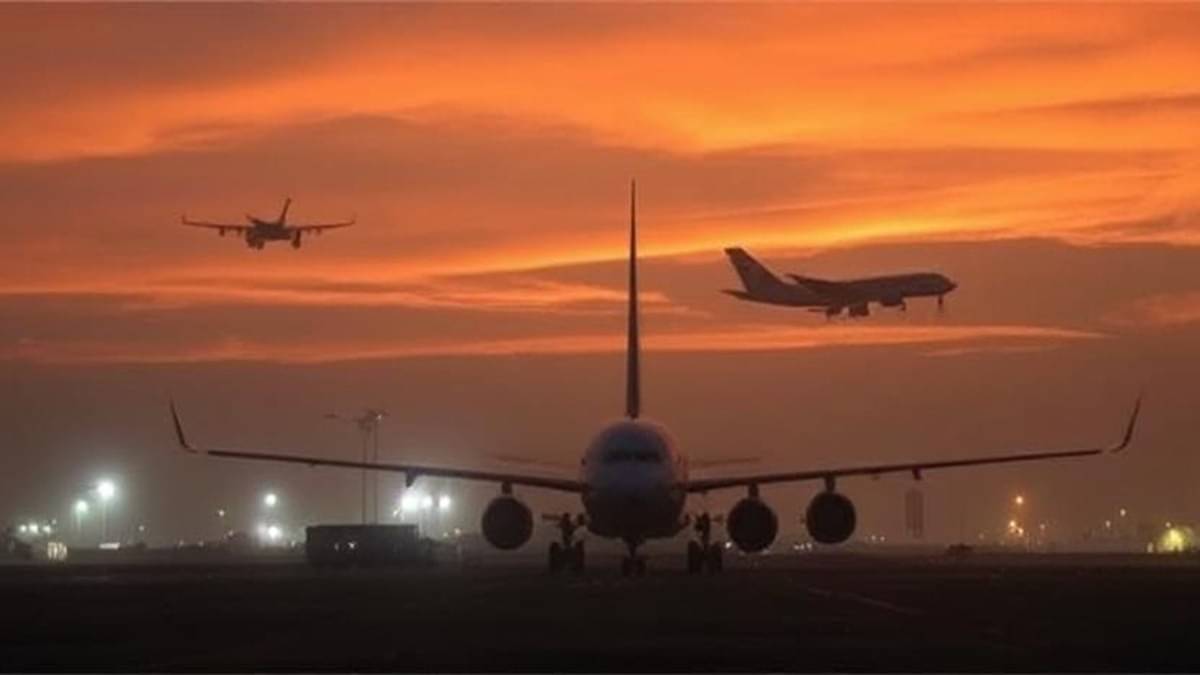
For Indian carriers, Air India and Indigo, the closure has meant longer routings for several international services, particularly those connecting northern India with Europe and North America.
New Delhi: India is turning to China for an alternative air corridor to Europe and North America amid Pakistan’s closure of its airspace to Indian carriers for the past 15 months.
Civil aviation minister Kinjarapu Ram Mohan Naidu on Tuesday said that diplomatic-level discussions are underway to secure access to Chinese airspace near Hotan in Xinjiang province.
“We are exploring alternate air spaces and Hotan is under discussion,” Naidu said on the sidelines of a ministry event in New Delhi. “Diplomatic-level discussions are underway. We are strongly pushing for Hotan.”
Under the broad routing being considered, wide-body aircraft could fly from northern India towards Leh, enter Chinese airspace, cross the Hotan area and then turn west towards Central Asia, before joining the scheduled routes to Europe, the UK and North America.
The discussions at the external affairs ministry level have been underway for about a year, Naidu said.
Pakistan first imposed the restriction on Indian aircraft in April 2025 following Operation Sindoor earlier that month, and has since extended it repeatedly. The latest Pakistani NOTAM (Notice to Airmen or Notice to Air Missions) keeps its airspace unavailable to Indian-registered aircraft and aircraft owned, operated or leased by Indian airlines until 24 October 2026.
For Indian carriers, the closure has meant longer routings for several international services, particularly those connecting northern India with Europe and North America. Flight times have increased by about 45 minutes to 2 hours, depending on the route.
The additional flying has resulted in higher fuel consumption, longer aircraft utilization and increased operating costs.
Pinching costs
The financial pressure is visible in the airlines’ latest annual numbers.
Air India reported a standalone net loss of ₹15,368 crore in fiscal year 2026 (FY26), while at the group level, the Tata-owned airline reported a net loss of ₹22,238 crore. Its FY26 board’s report described the operating environment for its network as an “exceptionally challenging backdrop,” citing airspace closures, geopolitical volatility, extended block times and payload restrictions that significantly affected long-haul operations.
The airline has previously estimated that the Pakistan airspace closure was adding substantially to its costs. Former Air India chief Campbell Wilson said in October that losses due to Pakistan airspace closure for a full year were around ₹4,000 crore.
IndiGo, the country’s largest airline, is relatively less impacted because of its limited flights to North American destinations. It reported a net loss of about ₹2,394 crore in FY26, compared with a profit in the previous year.
Its annual report said Indian aviation had been adversely affected by airspace closures for more than a year, forcing rerouting and cancellation of some services. It warned that intermittent airspace restrictions could continue to cause higher operating costs and schedule disruptions.
Indigo has not publicly quantified the financial impact of the Pakistan airspace closure.
The proposed Hotan corridor is not simply about saving a few minutes of flying time, but also reducing fuel burn and aircraft utilization.
The proposal to use Chinese airspace envisaged alternative routing and emergency access to airports including Hotan, Kashgar and Urumqi. The geography, however, makes the proposal complicated.
The airspace around Xinjiang is strategically sensitive, and parts of it are controlled by China’s military. The region is also surrounded by high terrain, raising operational and emergency-diversion considerations.
That means any commercial corridor would require Chinese approval, coordination with military and civilian air-traffic authorities, suitable routing arrangements and clarity on emergency diversions.
Still, even partial access could give Indian airlines another option for western international operations.
“Using Hotan Prefecture as an alternative route for flights to the US and Europe could offer some cost savings, but it may not fully offset the benefits of Pakistani airspace,” said Mark Martin of Martin Consulting, an aviation safety firm.
“Pakistan offered the fastest routes between India and Europe and the US through established high-altitude air traffic services trunk routes. Given the current restrictions, the Hotan route could provide some savings and operational efficiency, including shorter flight times to Europe and the US,” he added.
The issue extends beyond the balance sheets of individual airlines. Indian carriers are competing with foreign airlines that continue to have access to Pakistani airspace.
Foreign carriers flew more passengers out of India in the first six months of 2026 compared with the same period last year.
Meanwhile, homegrown carriers—Air India and IndiGo—carried fewer international passengers and lost market share amid higher costs from the airspace closure and rising jet fuel prices due to the war in West Asia. Jet fuel prices in Delhi rose from about ₹92,000 per kilolitre at the start of the year to around ₹1.21 lakh in September. Prices climbed sharply through April amid the West Asia war, eased briefly in July after government intervention, but rose again in August and September.
Domestic airlines accounted for 39.7% of passengers flying out of India in January-June 2026, down from 46% a year earlier, data from the Directorate General of Civil Aviation showed. Foreign airlines, meanwhile, increased their share to 60.3% from 54%, even as the overall outbound international passenger market contracted.

 www.livemint.com
New Delhi: India is turning to China for an alternative air corridor to Europe and North America amid Pakistan’s closure of its airspace to Indian carriers for the past 15 months.
Civil aviation minister Kinjarapu Ram Mohan Naidu on Tuesday said that diplomatic-level discussions are underway to secure access to Chinese airspace near Hotan in Xinjiang province.
“We are exploring alternate air spaces and Hotan is under discussion,” Naidu said on the sidelines of a ministry event in New Delhi. “Diplomatic-level discussions are underway. We are strongly pushing for Hotan.”
Under the broad routing being considered, wide-body aircraft could fly from northern India towards Leh, enter Chinese airspace, cross the Hotan area and then turn west towards Central Asia, before joining the scheduled routes to Europe, the UK and North America.
The discussions at the external affairs ministry level have been underway for about a year, Naidu said.
Pakistan first imposed the restriction on Indian aircraft in April 2025 following Operation Sindoor earlier that month, and has since extended it repeatedly. The latest Pakistani NOTAM (Notice to Airmen or Notice to Air Missions) keeps its airspace unavailable to Indian-registered aircraft and aircraft owned, operated or leased by Indian airlines until 24 October 2026.
For Indian carriers, the closure has meant longer routings for several international services, particularly those connecting northern India with Europe and North America. Flight times have increased by about 45 minutes to 2 hours, depending on the route.
The additional flying has resulted in higher fuel consumption, longer aircraft utilization and increased operating costs.
Pinching costs
The financial pressure is visible in the airlines’ latest annual numbers.
Air India reported a standalone net loss of ₹15,368 crore in fiscal year 2026 (FY26), while at the group level, the Tata-owned airline reported a net loss of ₹22,238 crore. Its FY26 board’s report described the operating environment for its network as an “exceptionally challenging backdrop,” citing airspace closures, geopolitical volatility, extended block times and payload restrictions that significantly affected long-haul operations.
The airline has previously estimated that the Pakistan airspace closure was adding substantially to its costs. Former Air India chief Campbell Wilson said in October that losses due to Pakistan airspace closure for a full year were around ₹4,000 crore.
IndiGo, the country’s largest airline, is relatively less impacted because of its limited flights to North American destinations. It reported a net loss of about ₹2,394 crore in FY26, compared with a profit in the previous year.
Its annual report said Indian aviation had been adversely affected by airspace closures for more than a year, forcing rerouting and cancellation of some services. It warned that intermittent airspace restrictions could continue to cause higher operating costs and schedule disruptions.
Indigo has not publicly quantified the financial impact of the Pakistan airspace closure.
The proposed Hotan corridor is not simply about saving a few minutes of flying time, but also reducing fuel burn and aircraft utilization.
The proposal to use Chinese airspace envisaged alternative routing and emergency access to airports including Hotan, Kashgar and Urumqi. The geography, however, makes the proposal complicated.
The airspace around Xinjiang is strategically sensitive, and parts of it are controlled by China’s military. The region is also surrounded by high terrain, raising operational and emergency-diversion considerations.
That means any commercial corridor would require Chinese approval, coordination with military and civilian air-traffic authorities, suitable routing arrangements and clarity on emergency diversions.
Still, even partial access could give Indian airlines another option for western international operations.
“Using Hotan Prefecture as an alternative route for flights to the US and Europe could offer some cost savings, but it may not fully offset the benefits of Pakistani airspace,” said Mark Martin of Martin Consulting, an aviation safety firm.
“Pakistan offered the fastest routes between India and Europe and the US through established high-altitude air traffic services trunk routes. Given the current restrictions, the Hotan route could provide some savings and operational efficiency, including shorter flight times to Europe and the US,” he added.
The issue extends beyond the balance sheets of individual airlines. Indian carriers are competing with foreign airlines that continue to have access to Pakistani airspace.
Foreign carriers flew more passengers out of India in the first six months of 2026 compared with the same period last year.
Meanwhile, homegrown carriers—Air India and IndiGo—carried fewer international passengers and lost market share amid higher costs from the airspace closure and rising jet fuel prices due to the war in West Asia. Jet fuel prices in Delhi rose from about ₹92,000 per kilolitre at the start of the year to around ₹1.21 lakh in September. Prices climbed sharply through April amid the West Asia war, eased briefly in July after government intervention, but rose again in August and September.
Domestic airlines accounted for 39.7% of passengers flying out of India in January-June 2026, down from 46% a year earlier, data from the Directorate General of Civil Aviation showed. Foreign airlines, meanwhile, increased their share to 60.3% from 54%, even as the overall outbound international passenger market contracted.
India explores China’s Hotan corridor as Pakistan airspace ban drags on | Mint
For Indian carriers, Air India and Indigo, the closure has meant longer routings for several international services, particularly those connecting northern India with Europe and North America.
www.livemint.com