Indian Navy News & Discussions

To view this content we will need your consent to set third party cookies.
For more detailed information, see our cookies page.
 
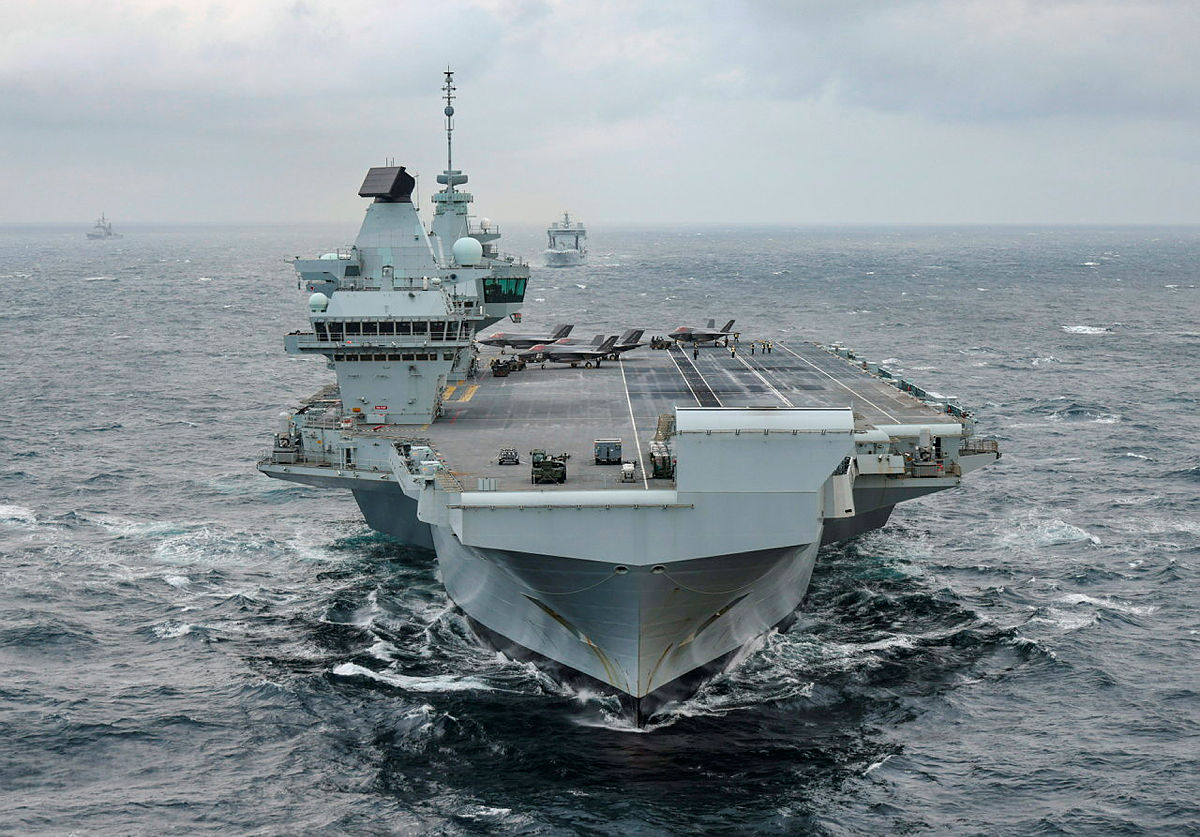
So not a third IN aircraft carier but just a replacement for the Vikramaditya?

1738591342063.png

To view this content we will need your consent to set third party cookies.
For more detailed information, see our cookies page.
 
So not a third IN aircraft carier but just a replacement for the Vikramaditya?

View attachment 98507

To view this content we will need your consent to set third party cookies.
For more detailed information, see our cookies page.

Yes, the Navy is finally shelving 3 carrier plan, opting to expand its attack submarine fleet along with 2 carriers !!
 
Yes, the Navy is finally shelving 3 carrier plan, opting to expand its attack submarine fleet along with 2 carriers !!
To be fair, its the Government that's forcing the Navy to drop the 3rd carrier and focus more on submarines. The Navy wants to be a Carrier centered force which is foolish imo.
 
To be fair, its the Government that's forcing the Navy to drop the 3rd carrier and focus more on submarines. The Navy wants to be a Carrier centered force which is foolish imo.

I am confused, whatever happened to all the fanboys om here telling us
Does this also mean Rafale M deal will be canned too I guess!?
 
I am confused, whatever happened to all the fanboys om here telling us
Does this also mean Rafale M deal will be canned too I guess!?
I don't know what folks were telling. Rafale M will not be dropped as there will continue to be 2 carriers that need a good air wing. The new one yet to be built will be to replace INS Vikramaditya instead of augmenting it.

This will unlock funds for building SSN's which have been sanctioned after the current SSBN line completes orders.
 
With ditching the third aircraft carrier, it looks like India is following the Soviet sea denial strategy against the Chinese and others. India is following Admiral Gorshokov’s playbook.

To view this content we will need your consent to set third party cookies.
For more detailed information, see our cookies page.


To view this content we will need your consent to set third party cookies.
For more detailed information, see our cookies page.
 

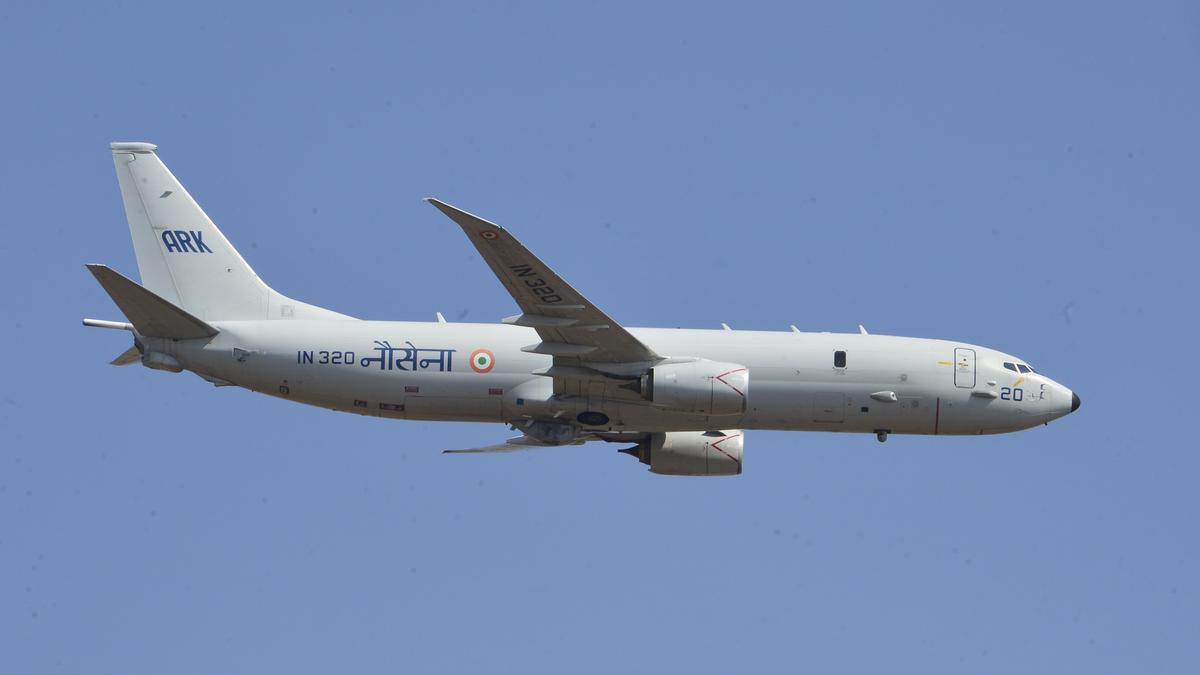
India may revive plan to procure six more P-8I maritime patrol aircraft from U.S.​

The issue is expected to figure in the talks between Prime Minister Narendra Modi and U.S. President Donald Trump​

Updated - February 12, 2025 10:24 pm IST - BENGALURU

“India is looking to revive the proposal to procure six more P-8I long-range maritime patrol aircraft from the U.S. and the issue is expected to figure in the talks between Prime Minister Narendra Modi and U.S. President Donald Trump,” sources in the know said.

Other big-ticket deals in the pipeline with the U.S. that could figure in the talks are the co-production of General Electric F414 jet engines and Stryker infantry combat vehicles in India under technology transfer.

The Navy had projected a requirement for more P-8Is sometime ago but it was deferred for few years. The P-8I, which can hunt submarines lurking in the deep oceans, is the primary platform for the Indian Navy for long-range surveillance and has become particularly critical as the Chinese naval presence has significantly expanded in the Indian Ocean Region (IOR).

“India is looking to revive the proposal to procure six more P-8I long-range maritime patrol aircraft from the U.S. and the issue is expected to figure in the talks between Prime Minister Narendra Modi and U.S. President Donald Trump,” sources in the know said.
Other big-ticket deals in the pipeline with the U.S. that could figure in the talks are the co-production of General Electric F414 jet engines and Stryker infantry combat vehicles in India under technology transfer.

The Navy had projected a requirement for more P-8Is sometime ago but it was deferred for few years. The P-8I, which can hunt submarines lurking in the deep oceans, is the primary platform for the Indian Navy for long-range surveillance and has become particularly critical as the Chinese naval presence has significantly expanded in the Indian Ocean Region (IOR).
https://vdo.ai/contact?utm_medium=video&utm_term=thehindu.com&utm_source=vdoai_logo

“India is keen to procure six additional P-8Is and preliminary discussions have commenced regarding pricing and other aspects, two sources in the know confirmed. There is a possibility that the intent to commence discussions could find mention among the outcomes of Mr. Modi’s visit,” the sources added.

India has contracted 12 P-8Is in two batches, eight under a $2.2-billion deal in 2009 and four more in 2016, under the optional clause in a deal worth over $1billion.

Subsequently, the Navy was keen on 10 more aircraft but that got truncated later and in November 2019, the Defence Acquisition Council approved the procurement of six aircraft. In May 2021, the U.S. State Department approved the possible sale of six additional P-8I aircraft and related equipment, a deal then estimated to cost $2.42 billion.

Contract for 31 MQ-9B

Complimenting the P-8Is will be the MQ-9B Sea Guardian High Altitude Long Endurance UAVs that the Navy will begin receiving from January 2029 onwards. Last October, India signed a nearly $3.5 bn contract for 31 MQ-9B — 15 Sea Guardians for the Indian Navy and 16 Sky Guardians, eight each for the Army and Air Force, under the Foreign Military Sales (FMS) programme of the U.S. government.

The MQ-9B with their long endurance to stay up on the sky will reduce the stress on the manned P-8I platforms in keeping an eye over the IOR.

Another platform that compliments both the P-8I and MQ-9B in anti-submarine warfare is the 24 MH-60R multi-role helicopters from Lockheed Martin that the Navy is currently in the process of inducting.


India may revive plan to procure six more P-8I maritime patrol aircraft from U.S.​

The issue is expected to figure in the talks between Prime Minister Narendra Modi and U.S. President Donald Trump​

Updated - February 12, 2025 10:24 pm IST - BENGALURU

“India is looking to revive the proposal to procure six more P-8I long-range maritime patrol aircraft from the U.S. and the issue is expected to figure in the talks between Prime Minister Narendra Modi and U.S. President Donald Trump,” sources in the know said.

Other big-ticket deals in the pipeline with the U.S. that could figure in the talks are the co-production of General Electric F414 jet engines and Stryker infantry combat vehicles in India under technology transfer.

The Navy had projected a requirement for more P-8Is sometime ago but it was deferred for few years. The P-8I, which can hunt submarines lurking in the deep oceans, is the primary platform for the Indian Navy for long-range surveillance and has become particularly critical as the Chinese naval presence has significantly expanded in the Indian Ocean Region (IOR).

“India is looking to revive the proposal to procure six more P-8I long-range maritime patrol aircraft from the U.S. and the issue is expected to figure in the talks between Prime Minister Narendra Modi and U.S. President Donald Trump,” sources in the know said.
Other big-ticket deals in the pipeline with the U.S. that could figure in the talks are the co-production of General Electric F414 jet engines and Stryker infantry combat vehicles in India under technology transfer.

The Navy had projected a requirement for more P-8Is sometime ago but it was deferred for few years. The P-8I, which can hunt submarines lurking in the deep oceans, is the primary platform for the Indian Navy for long-range surveillance and has become particularly critical as the Chinese naval presence has significantly expanded in the Indian Ocean Region (IOR).
https://vdo.ai/contact?utm_medium=video&utm_term=thehindu.com&utm_source=vdoai_logo

“India is keen to procure six additional P-8Is and preliminary discussions have commenced regarding pricing and other aspects, two sources in the know confirmed. There is a possibility that the intent to commence discussions could find mention among the outcomes of Mr. Modi’s visit,” the sources added.

India has contracted 12 P-8Is in two batches, eight under a $2.2-billion deal in 2009 and four more in 2016, under the optional clause in a deal worth over $1billion.

Subsequently, the Navy was keen on 10 more aircraft but that got truncated later and in November 2019, the Defence Acquisition Council approved the procurement of six aircraft. In May 2021, the U.S. State Department approved the possible sale of six additional P-8I aircraft and related equipment, a deal then estimated to cost $2.42 billion.

Contract for 31 MQ-9B

Complimenting the P-8Is will be the MQ-9B Sea Guardian High Altitude Long Endurance UAVs that the Navy will begin receiving from January 2029 onwards. Last October, India signed a nearly $3.5 bn contract for 31 MQ-9B — 15 Sea Guardians for the Indian Navy and 16 Sky Guardians, eight each for the Army and Air Force, under the Foreign Military Sales (FMS) programme of the U.S. government.

The MQ-9B with their long endurance to stay up on the sky will reduce the stress on the manned P-8I platforms in keeping an eye over the IOR.

Another platform that compliments both the P-8I and MQ-9B in anti-submarine warfare is the 24 MH-60R multi-role helicopters from Lockheed Martin that the Navy is currently in the process of inducting.


GoI is intend to buy 6 P-8I and option of 6 more and 24 MH-60R multi-role helicopters with option of another 12 more from US
 

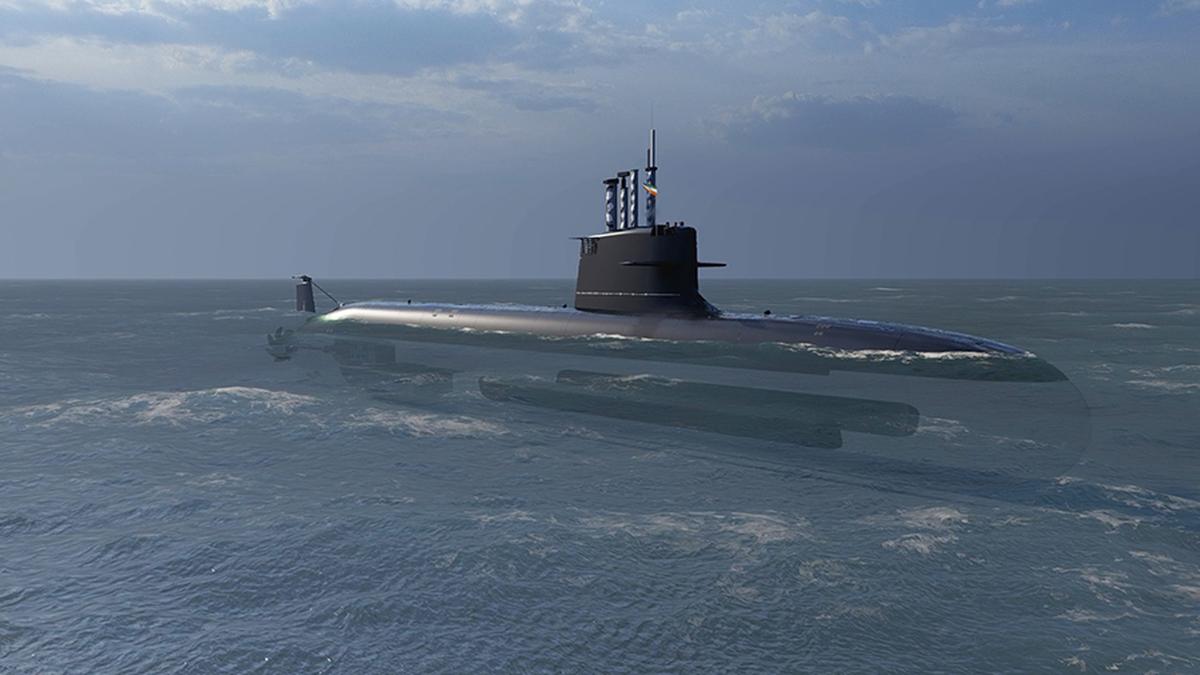
DRDO indigenous submarine proposal to go for CCS approval in couple of months; eight years for first sub​


With the deal to buy six new diesel-electric submarines entering the contract negotiation phase, the Defence Research and Development Organisation (DRDO) is gearing up to bring a proposal to design and develop an indigenous conventional submarine to the Cabinet Committee on Security (CCS) for approval.

The procurement deal comes under Project-75I, while the indigenous development proposal comes under Project-76.

“The inter-ministerial consultation is going on and it should be ready for CCS approval in the next two months,” said an official who did not wish to be named. “Once approved, the design phase is expected to take two to three years, and another five years for construction. So it is expected to take around eight years to have the first submarine, once the project is sanctioned,” the source said.

The indigenous submarine is expected to displace around 3,000 tonnes and will be capable of launching land attack cruise missiles (LACMs), which are still under development, from its torpedo tubes. A new LACM being developed by DRDO fits this criteria, sources stated.

Over 90% indigenous content
As reported by The Hindu last June, DRDO carried out a preliminary study to determine the contours of P-76, after a go-ahead from the Defence Ministry. P-76 will be a continuation of the Advanced Technology Vessel (ATV) project, under which the Arihant series of nuclear ballistic missile submarines (SSBN) are being built, with another project underway to build nuclear-powered attack submarines (SSN).

The project is aiming for 90% to 95% indigenous content, with major systems being sourced domestically including the weapons, missiles, combat management system, sonars, communications, electronic warfare suite, mast, and periscope. Only some chips, electronics, and tubes will have to be imported, sources said, adding that the indigenous SSBNs also have over 90% indigenous content.

Parallel development
Meanwhile, the P-75I tender for six conventional submarines is set to begin contract negotiations after long delays, with the bid by Mazagon Dock Shipbuilders Limited (MDL) in partnership with Germany’s ThyssenKrupp Marine Systems (TKMS) of Germany have cleared the technical evaluation. The deal is estimated to be worth around ₹70,000 crore, way above the earlier benchmark of ₹43,000 crore. The final contract is expected to take at least a couple of years given the tough negotiations, and the first submarine will be delivered seven years later. This means that the P-75I and P-76 programmes will progress almost in parallel, if the development of the latter goes as per plan.

As reported earlier, the indigenous SSN programme is also in the design phase, which is expected to take four to five years, with another five years estimated for the construction and validation of the first submarine. From the proof of concept to the final construction plan, there are four stages of development, another source said.

Long timeframes
In December, Navy Chief Adm Tripathi said that a realistic timeframe would probably see the first SSN inducted in 2036-37, followed by the second one a couple of years later. Last October, the CCS approved the indigenous construction of two SSNs estimated to cost around ₹35,000 crore, while India’s fourth SSBN was launched into the water at the Ship Building Centre in Visakhapatnam.

The SSNs are a critical requirement for the Navy to keep a watch over the Indo-Pacific region as they provide unlimited endurance to perform a variety of tasks; their endurance is only limited by that of the crew.

The Indian Navy currently has 17 conventional submarines in service, but the majority of them are ageing platforms. This includes seven Russian Kilo class submarines, four German HDW submarines, and six French Scorpene submarines. A contract for three additional Scorpene-class submarines is set to be signed very soon, with the first of the them likely to be delivered in 2030.


India-UK agreements eye next-gen weapons​


BENGALURU: The India-UK strategic partnership has taken a major step forward eyeing collaboration in next-generation weapon systems with the formal launch of Defence Partnership–India (DP-I) on Monday, the opening day of the five-day Aero India 2025.

The two countries on Monday signed several agreements. They agreed to expand their collaboration on next-generation weapons with Thales and Bharat Dynamics Limited (BDL) signing a contract that will deliver Laser Beam Riding MANPADs (LBRM), with an initial supply of High Velocity Missiles (STARStreak) and launchers to be delivered this year.

This contract represents an important next step for India-UK defence cooperation in the critical area of air defence.

Following the signing of this initial LBRM contract, both Thales and BDL will further collaborate to produce Lightweight Multirole Missiles (LMM).

This develops and expands the partnership between Indian and British industry, laying the foundation for BDL and Indian industry to form an integral part of Thales’ global supply chain. It will address mutual security concerns, create jobs in both countries and enable interoperability by both the armies.

UK looking forward to working with India, says diplomat

Announcing DP-I, UK Defence Minister Lord Vernon Coaker opened the UK-India Defence Partnership Pavilion at Aero India 2025 and highlighted establishing a dedicated programme office within the UK’s Ministry of Defence that would serve as a one-stop shop for strengthening bilateral defence collaboration between the two countries.

In a separate development, Matra BAe Dynamics UK (MBDA UK) and BDL have been working together on the installation of a first-of-its-kind Advanced Short-Range Air to Air Missile (ASRAAM) assembly and test facility in Hyderabad, arming current fleet of India’s fighter jets as well as exporting to the world.

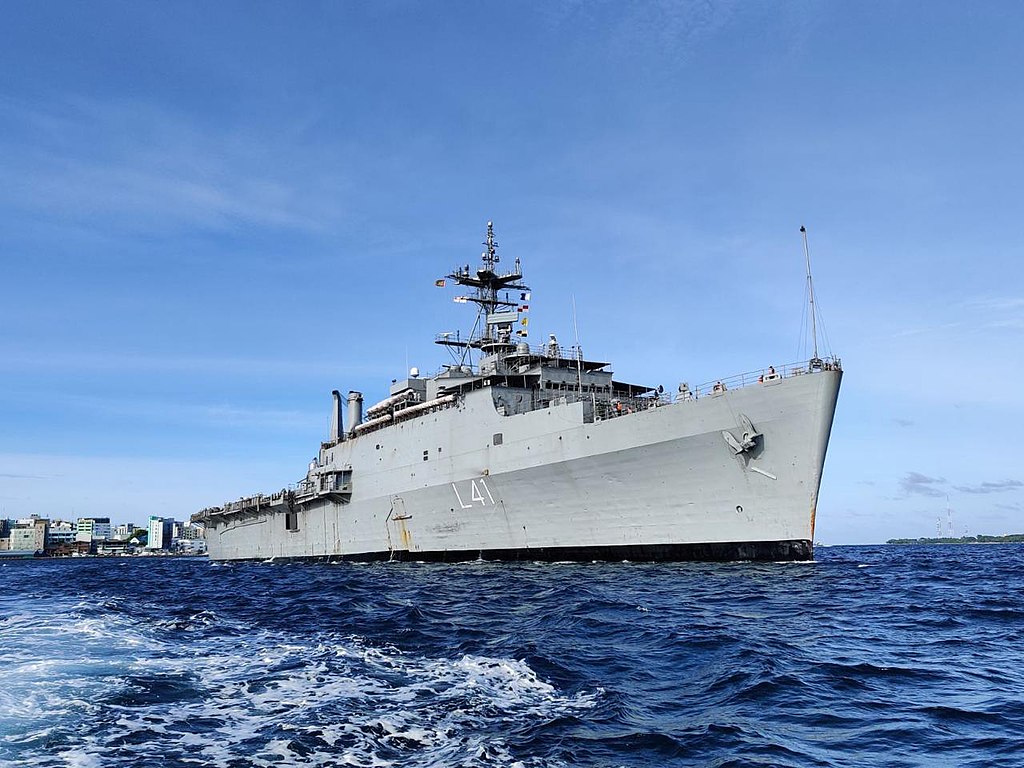
On the maritime front, the UK and India have signed a Statement of Intent to design and develop an Integrated Full Electric Propulsion (IFEP) system for India’s next generation Landing Platform Dock (LPD) fleet. The landmark maritime electric propulsion capability transfer will ensure self-reliance in the power and propulsion of the Indian Navy’s next generation fleets.

As next steps, GE Vernova and BHEL are working to develop India’s first maritime Land Based Testing Facility to deliver LPD in the water by 2030.

Coaker said, “Our Defence Partnership and the UK-India Defence Partnership Pavilion will help strengthen our cooperation further, supporting economic growth in both our countries and India’s Atmanirbhar ambition. This event showcases our collaboration in next-generation capability, and the massive potential the UK and India can unlock by working together.”

Lindy Cameron, British High Commissioner to India, said, “India is taking significant steps in its journey to become Atmanirbhar in its defence capabilities. The UK is really looking forward to working with India as a partner of choice in supporting this ambition: collaborating on defence technologies lies at the heart of this. These are landmark agreements that support our economic growth and joint security.”


Users who are viewing this thread

Country Watch Latest

Latest Posts

Back
Top