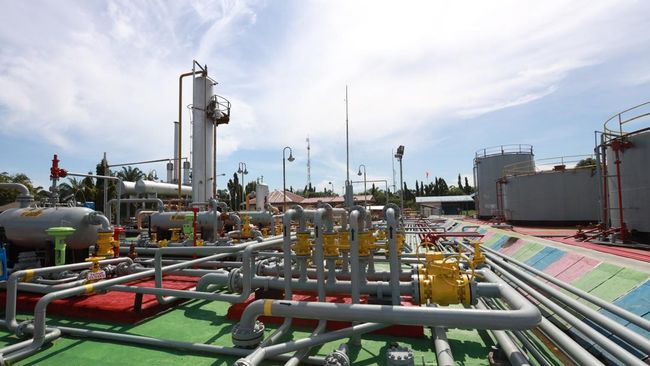
Indonesia state owned enterprise super-holding will be started with asset at 1 trillion USD (2024)

France’s Total exits Indonesia fuel retail market


To view this content we will need your consent to set third party cookies.
For more detailed information, see our cookies page.


Vincent Fabian Thomas (The Jakarta Post)
PREMIUM
Jakarta ● Tue, May 11, 2021


Total Oil has closed all of its gas stations in Indonesia as the French oil and gas supermajor throws in the towel in a market overwhelmingly dominated by state-owned Pertamina.

Total Oil Indonesia marketing manager Magdalena Naibaho said on Tuesday that the Paris-based company had closed all 18 of its gas stations across Greater Jakarta and Bandung.

“This decision is in line with Total’s global strategy to actively manage our business portfolio,” she told The Jakarta Postvia text message. Magda noted that Total would still continue its lubricant selling operations as the other component of its local downstream business. However, she declined to comment on the tight market competition.

The decision makes Total the second oil and gas company to exit Indonesia’s fuel retail market after Malaysia’s Petronas...

 
Pelita Air, Garuda Indonesia to add 26 planes to fleets this year


Jakarta
Fri, January 3, 2025


1735957461114.webp

Domestic carrier Pelita Air and flag carrier Garuda are both planning to expand their fleets this year as the SOEs Ministry aims to consolidate state-owned airlines by mid-2025 in a bid to cut costs.


Pelita Air, Garuda Indonesia to add 26 planes to fleets this year. Domestic carrier Pelita Air and flag carrier Garuda are both planning to expand their fleets this year as the SOEs Ministry aims to consolidate state-owned airlines by mid-2025 in a bid to cut costs.


Citilink targets 56 aircraft ready to fly this year


Andi Hidayat - detikFinance
Thursday, Jan 02 2025 16:59 WIB

To view this content we will need your consent to set third party cookies.
For more detailed information, see our cookies page.


Jakarta -

PT Citilink Indonesia will focus on restoring or maintaining all aircraft in 2025. As for today, Citilink has 56 aircraft, of which 19 of which require maintenance.

President Director of PT Citilink Indonesia, Dewa Kadek Rai said, his party will focus more on restoring the aircraft rather than adding new units for rent. He also detailed two types of aircraft owned by Citilink, namely Airbus 320 and ATR 72.

"So the total of Citilink aircraft is 56 with only two types, the first is Airbus 320 (suple) 49 pieces and the remaining 7 is ATR 72. So now our aircraft is still grounded, still needs maintenance stages, maintenance is approximately 19 aircraft," said Dewa to reporters after meeting the Minister of SOEs, Erick Thohir, at the Office of the Ministry of SOEs, Jakarta, Thursday (2/1/2025).

Dewa said the maintenance of the aircraft as a whole is targeted to be completed until the end of 2025. So, he said, 56 units of Citilink aircraft can operate this year.

As for now, Citilink serves 75 routes with 49 destinations. If the aircraft maintenance target can be achieved until the end of this year, said Dewa, Citilink will also increase the frequency and add some routes.


CLSA Forecasts Bank Mandiri to Overtake BRI as Indonesia’s Most Profitable Bank in 2025​


Harso Kurniawan

January 11, 2025 | 11:02 am

To view this content we will need your consent to set third party cookies.
For more detailed information, see our cookies page.

Alexandra Askandar, Bank Mandiri Vice President Director


Jakarta. Indonesia's banking landscape is poised for a significant shake-up in 2025, as liquidity challenges and slowing credit growth reshape the industry. According to a report by CLSA, state-owned Bank Mandiri (IDX: BMRI) is projected to overtake state-owned Bank Rakyat Indonesia (IDX: BBRI) as the country’s most profitable bank by net earnings.


CLSA’s research forecasts Bank Mandiri’s net profit to grow modestly by 0.4 percent to Rp 60.3 trillion ($3.69 billion) in 2025, surpassing BRI’s expected net profit of Rp 57 trillion—a steep 19% decline from earlier projections. In contrast, net profit for Bank Central Asia (IDX: BBCA) is expected to fall slightly by 1 percent to Rp 57.6 trillion, placing it behind Mandiri.


The report highlights that Bank Mandiri’s steady performance, combined with a relatively high profit base, positions it as the top contender amid tightening liquidity conditions and challenges in credit expansion. For 2024, however, BRI is still anticipated to lead with a net profit of Rp 58.8 trillion, ahead of Mandiri (Rp 56 trillion) and BCA (Rp 54.5 trillion).


Indonesia’s government has set a credit growth target of 11-13 percent for 2025, slightly higher than the 10-12 percent target for 2024. However, the country’s four largest banks are signaling a more cautious outlook. CLSA notes that Mandiri’s slower credit growth stems from its already large base, while BRI remains conservative as it focuses on improving its micro-loan segment.


Retail credit is expected to be the main driver of growth in 2025, with potential support from monetary easing. CLSA predicts a 50-basis-point cut in the Bank Indonesia (BI) benchmark rate to 5.5 percent this year. However, liquidity challenges persist due to a volatile rupiah and expected increases in government bond issuances to support fiscal expansion.


CLSA maintains an “outperform” rating for major Indonesian banks, including Bank Central Asia, Bank Rakyat Indonesia, and Bank Mandiri, as well as state-owned Bank Negara Indonesia (IDX: BBNI) and Bank Tabungan Negara (IDX: BBTN). The target prices for these banks are Rp 12,100, Rp 5,100, Rp 7,700, Rp 5,950, and Rp 1,450, respectively. In contrast, BTPN Syariah (IDX: BTPS) and Bank Jago (IDX: ARTO) received a “hold” rating, reflecting their less favorable outlook.


Despite tightening liquidity, CLSA notes that asset quality remains stable, with adequate loan-at-risk coverage across major banks. Stable credit costs are expected to provide some relief to the sector as it navigates a challenging macroeconomic environment.

 
Antam (ANTM) to build a new gold plant in JIIPE Gresik

ANTM has signed a land purchase agreement with the JIIPE manager on December 27, 2024.


14 January 2025

To view this content we will need your consent to set third party cookies.
For more detailed information, see our cookies page.

Freeport Chopper and Gold Smelter in Gresik, East Java


Bisnis.com, JAKARTA - PT Aneka Tambang Tbk. (ANTM) or Antam will build a new precious metal processing plant in the Java Integrated Industrial and Ports Estate (JIIPE) area, Gresik, East Java.

Corporate Secretary Division Head of Various Mine Syarif Faisal Alkadrie said the factory will later focus on processing gold raw materials and aims to increase the production capacity and operational efficiency of the company.

"In addition to the processing plant, we will also utilize the integrated infrastructure in JIIPE to support the entire operational process," Faisal said when confirmed by Bisnis, Tuesday (1/14/25).However, Faisal said Antam is still in the stage of planning and evaluating the construction plan of the new factory.

In addition, he ensured the gold purchase cooperation from PT Freeport Indonesia in the implementation process earlier this year."We are optimistic that this collaboration will bring benefits to both parties and add value to Antam through easier access to high-quality raw materials," he said.

As is known, ANTM has signed a land purchase agreement with the manager of JIIPE on December 27, 2024.With direct access to pure gold raw materials of 99.99%, ANTM can save country division through import reduction and increased use of domestic products.

Previously, PT Freeport Indonesia together with ANTM officially signed a gold buying and selling agreement, Thursday (7/11/2024).In the signing carried out in Jakarta, ANTM will absorb 30 tons of gold per year from the Freeport smelter in Gresik, East Java. This absorption is considered to encourage the production of the gold industry.

President Director of Freeport Indonesia Tony Wenas said this cooperation increasingly strengthened the company's intention to boost the downstream to increase added value.

"The contract for this stage is 5 years worth US $ 2.5 billion or around Rp200 trillion and this is very proud for us where our production gold is consumed by Antam and can provide added value for industrialization in Indonesia," he said.

He explained that PTFI has executed a special mining business license (IUPK) mandate by building a precious metal refinery (PMR) facility in smelter in Gresik. PTFI also conducts the process of mining, processing, and the refining of gold is integrated and the largest in the world.

Meanwhile, PTFI PMR became one of the producers of pure gold bulls in Indonesia with a refining capacity of about 50 tons of gold and 200 tons of silver per year. In addition, the smelter is also able to produce platinum group metals, namely 30 kg of platinum and 375 kg of palladium.


BNI Posts $1.4 Billion Net Profit in 2024, Credit Growth Outpaces Industry​


Nida Sahara

January 22, 2025 | 9:30 pm

To view this content we will need your consent to set third party cookies.
For more detailed information, see our cookies page.

Wisma BNI46


Jakarta
. Bank Negara Indonesia (IDX: BBNI) recorded a net profit attributable to shareholders of Rp 21.46 trillion ($1.4 billion) in 2024, a 2.63 percent increase from Rp 20.91 trillion in 2023. The growth was supported by a robust credit expansion and operational efficiency despite a slight dip in net interest income (NII).


The state-controlled lender's NII declined 1.91 percent year-on-year (YoY) to Rp 40.48 trillion, while fee-based income rose 1.28 percent to Rp 10.25 trillion. Operating profit stood at Rp 26.61 trillion, boosted by a reduction in impairment losses to Rp 7.79 trillion from Rp 9.36 trillion.


BNI outperformed industry credit growth, with total loans disbursed climbing 11.62 percent YoY to Rp 775.87 trillion, surpassing the banking sector's average growth of 10.39 percent. Corporate loans led the growth, increasing 17.6 percent, followed by consumer loans at 14.5 percent. Subsidiaries contributed significantly, with a 79.7 percent surge in credit distribution.


“Credit growth was balanced and aligned with the national economic recovery. Our prudent approach has also strengthened asset quality,” said Novita Widya Anggraini, BNI's Finance Director, on Wednesday.


The non-performing loan (NPL) ratio improved to 2 percent, with loan-at-risk (LaR) and credit cost ratios dropping to 10.3 percent and 1.1 percent, respectively.


BNI maintained a loan-to-deposit ratio of 96 percent, supported by liquidity incentives under Bank Indonesia’s Macroprudential Liquidity Policy (KLM). Retail deposit growth enabled the bank to sustain a net interest margin (NIM) of 4.2 percent for 2024.


Subsidiaries further enhanced performance, with BNI Finance and hibank reporting credit growth of 88 percent and 76 percent YoY, respectively. “The joint financing initiatives and support for micro, small, and medium enterprises (MSMEs) will be key drivers for future growth,” Novita added.


Sustainability Initiatives


The bank ramped up its sustainability efforts, allocating Rp 190.5 trillion—or 25 percent of its total loans—to sustainable financing. Of this, Rp 73.4 trillion was directed to green financing, while Rp 117 trillion supported MSMEs.


“Our commitment to green transition is reflected in our Rp 6 trillion in sustainability-linked loans as of December 2024,” said David Pirzada, BNI’s Risk Management Director.


The bank has also initiated solid waste management programs and plans to expand its Climate Risk Stress Test coverage to 100 percent of its loan portfolio in 2025.


Indonesia to Maximize Local Refineries, Cut Crude Oil Exports​


Herman

January 30, 2025 | 10:29 am


To view this content we will need your consent to set third party cookies.
For more detailed information, see our cookies page.

One of Pertamina Refineries


Jakarta. Energy and Mineral Resources Minister Bahlil Lahadalia announced that all state-owned crude oil initially designated for export would now be redirected to domestic refineries.


Additionally, crude oil from contractors that do not meet current specifications will be blended and processed to meet the requirements for local refinery consumption. This initiative aims to enhance the utilization of the country’s oil refineries, increase domestic fuel production, and reduce reliance on imports.


"Following President Prabowo Subianto’s directive, we have instructed domestic refineries to utilize all crude oil, including those previously deemed non-compliant with specifications. This will further reduce crude oil exports," Bahlil said in a statement.


Bahlil added that the government is working to enhance the capacity and technological flexibility of the country’s refineries. Key facilities such as those in Balikpapan, Cilacap, and Dumai are now equipped to process various types of crude oil, including those that previously did not meet standards.


The government is also expediting the construction of new refineries, including the Tuban and Balongan facilities, which are expected to significantly boost processing capacity in the coming years.


Indonesia’s crude oil exports this year are estimated to reach approximately 28 million barrels. Of this, around 12–13 million barrels are targeted to strengthen domestic refinery supply. The Energy and Mineral Resources Ministry has urged oil and gas regulatory body SKK Migas, oil and gas contractors, and state-owned energy company Pertamina to support the policy’s implementation.


"We are encouraging SKK Migas, contractors, and Pertamina to ensure that domestic crude oil adds value locally, thereby reducing imports," Bahlil concluded.


DPR Set to Approve Revised SOEs Law, Paving the Way for Danantara Investment Superholding​


The Jakarta Globe
February 3, 2025 | 5:47 pm

To view this content we will need your consent to set third party cookies.
For more detailed information, see our cookies page.


Jakarta. The House of Representatives (DPR) is set to bring the revised draft of the State-Owned Enterprises (SOEs) Law to the Plenary Session on Tuesday, which includes provisions for the establishment of investment superholding Daya Anagata Nusantara (Danantara), that would manage $600 billion in assets by consolidating government-run businesses (the starting of joining for 7 SOE companies - Indos).


Deputy Speaker of the DPR, Sufmi Dasco Ahmad confirmed the legislation would be brought to the full House for approval on Feb. 4.


The revised BUMN law, which has received backing from both the DPR’s Commission VI and government representatives, includes several critical updates. Among the most notable is the introduction of provisions concerning the formation and governance of Danantara, which is expected to play a central role in managing state-owned enterprises' investments. The law stipulates that the minimum capital required for Danantara will be Rp 1,000 trillion, or $60 billion.


The revised BUMN law introduces several key provisions aimed at modernizing and optimizing the operations of state-owned enterprises. These include:


  1. Expanding and adjusting the definition of SOE to allow for more efficient operations in line with current regulatory developments.
  2. Introducing a clearer framework for subsidiary companies of BUMNs, which were not adequately addressed in the previous law.
  3. Establishing the Daya Anagata Nusantara Investment Management Agency (BPI Danantara), which will handle investments and operational matters for state-owned enterprises.
  4. Strengthening governance structures with more detailed rules for privatization, corporate actions, and asset management.
  5. Ensuring better inclusion for women, people with disabilities, and local communities within SOEs' workforce and leadership.
  6. More detailed provisions on restructuring, mergers, acquisitions, and the creation or dissolution of subsidiaries.
  7. Stronger oversight mechanisms, including internal audits and collaboration with SMEs and cooperatives.

The revisions also aim to enhance the competitiveness and sustainability of SOEs through clearer regulations on corporate governance, employee training, and community engagement, particularly in areas around SOE operations.


State-Owned Enterprises Minister Erick Thohir said the establishment of BPI Danantara is a pivotal aspect of the revised BUMN framework. Thohir explained that the new investment body will be crucial for driving growth and modernizing the sector, supporting the government's broader economic development agenda.


“The formation of BPI Danantara, along with its structure and governance, will lay the foundation for a more strategic and sustainable approach to managing Indonesia's state-owned enterprises,” Thohir said in a recent working meeting with the DPR.


President Prabowo Subianto intends to establish Danantara as an investment management body that would be akin to Singapore’s Temasek. According to media reports, Danantara will start by combining the assets of 7 state-owned enterprises (SOEs). They are mining holding MIND ID, telco firm Telkom, utility PLN, oil company Pertamina, as well as banking giants BRI, Mandiri and BNI.


Last edited:

Corporate Loans Drive Bank Mandiri’s Rp 55.8 Trillion (3.42 billion USD) Net Profit in 2024​


Nida Sahara

February 5, 2025 | 2:33 pm

To view this content we will need your consent to set third party cookies.
For more detailed information, see our cookies page.


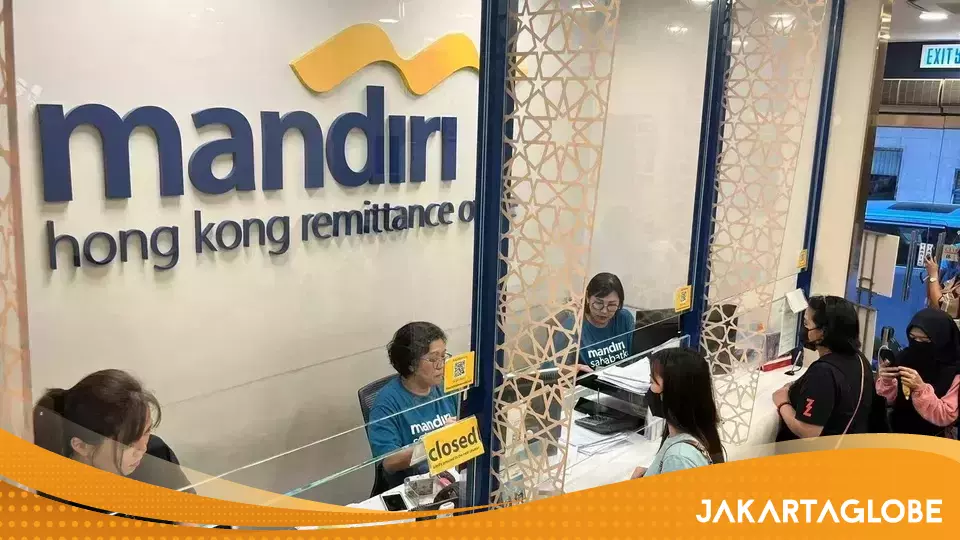
Jakarta. State-owned Bank Mandiri (IDX: BMRI) posted a consolidated net profit of Rp 55.8 trillion ($3.42 billion) for 2024, a 1.31 percent increase year-on-year, on the back of robust credit growth across its core business segments.


“Accelerating with the right strategies has enabled Bank Mandiri to achieve strong, healthy, and quality growth in 2024, providing a solid foundation to sustain this performance into 2025,” CEO Darmawan Junaidi said in a virtual earnings call on Wednesday.

The lender’s consolidated loans reached Rp 1,670.55 trillion, up 19.5 percent year-on-year, with wholesale or corporate lending—Bank Mandiri’s core focus—driving the gains. Corporate lending surged 25.5 percent to Rp 913.3 trillion, while retail and subsidiary loans climbed 113 percent to Rp 757.2 trillion.


Small and medium enterprise (SME) loans also saw steady growth, rising 6 percent year-on-year to Rp135 trillion by year-end.


Asset quality continued to improve, with the loan-at-risk (LAR) ratio dropping 51 basis points to 6.81 percent. The non-performing loan (NPL) ratio was contained at 0.97 percent, down 5 basis points from the previous year, while the bank’s coverage ratio remained robust at 304 percent.


Third-party funds (DPK) rose 7.73 percent year-on-year to Rp 1,699 trillion, with low-cost funds (CASA) accounting for 80.3 percent of total DPK. Savings grew 13.4 percent to Rp 665 trillion, while current accounts expanded 3.6 percent to Rp 606 trillion.

Bank Mandiri’s subsidiaries delivered a consolidated net profit of Rp 11.8 trillion, up 9.28 percent year-on-year, with total assets growing 13.5 percent. Non-interest income reached Rp 42.32 trillion, up 4.12 percent, supported by digital banking, treasury services, trade finance, and investment management.

"Bank Mandiri aims to sustain growth in 2025 by focusing on prudent credit expansion, risk management, and diversifying revenue streams through fee-based income initiatives," Darmawan concluded.


Danantara: Indonesia’s New Sovereign Wealth Fund​


February 6, 2025 Posted by ASEAN Briefing
Written by Ayman Falak Medina Reading Time: 3 minutes

To view this content we will need your consent to set third party cookies.
For more detailed information, see our cookies page.

New skyscrapers (2 towers/336 meters and 276 meters) being built by an SOE company, PT Taspen


Indonesia has launched Danantara, a sovereign wealth fund designed to optimize the management of state-owned enterprises (SOEs), attract foreign capital, and drive national economic growth. With an initial capital of at least 1,000 trillion rupiah (US$61 billion), Danantara is positioned to be one of the largest financial instruments in Southeast Asia.


Although not Indonesia’s first sovereign wealth fund, Danantara marks a strategic shift in how the country manages state assets and long-term investments. It builds upon the foundation of the Indonesia Investment Authority (INA), established in 2021 under President Joko Widodo, which currently manages US$10.5 billion in capital. However, the creation of Danantara aligns with President Prabowo Subianto’s more ambitious economic agenda, which seeks to achieve 8 percent annual GDP growth during his five-year term.


To support this vision, Danantara aims to expand its asset base significantly, to manage $982 billion by 2029. If successful, this would make Danantara the fourth-largest sovereign wealth fund in the world, putting it on par with investment giants like Norway’s Government Pension Fund Global and Abu Dhabi Investment Authority.


Why Danantara was Created: Addressing economic ambitions beyond INA​


Indonesia’s previous sovereign wealth fund, the Indonesia Investment Authority, was launched in 2021 to attract foreign investment into infrastructure, banking, and state-owned enterprises. However, with a capital base of just US$10.5 billion, INA was not designed to consolidate and restructure SOEs at scale.


By contrast, Danantara has been given a much broader economic transformation mandate. Unlike INA, which focuses on asset management and co-investments, Danantara has the authority to directly oversee SOEs, approve capital increases, and restructure companies through mergers, acquisitions, and spin-offs.


This shift reflects Prabowo’s goal of accelerating economic growth, securing Indonesia’s position as a regional economic powerhouse, and ensuring that SOEs contribute more effectively to national wealth creation.


Financial strength: Danantara’s asset base and economic potential​


Danantara’s US$61 billion starting capital makes it a major player among global sovereign wealth funds. But its real ambition lies in scaling up— with projections of reaching US$982 billion in assets under management by 2029.


With this level of capital, Danantara is expected to:


  • Finance large-scale infrastructure and industrial projects to accelerate economic modernization.
  • Expand Indonesia’s global investment footprint by entering international markets.
  • Strengthen SOE profitability through strategic capital management and restructuring.

Governance and oversight: Ensuring accountability and strategic decision-making​


Danantara operates under a structured governance model designed to ensure accountability, financial discipline, and independence from political interference.


Key governance structures include:


  • Supervisory board – Appointed by the President of Indonesia, responsible for setting high-level strategy and ensuring transparent governance.
  • Executive management team – Led by financial and investment experts, tasked with managing daily operations and optimizing SOE asset performance.

Unlike many previous SOE investment models, Danantara is expected to operate with strong financial oversight, strict reporting mechanisms, and international best practices.


Investment Strategy: Driving growth and maximizing returns​


Danantara’s investment strategy is designed to optimize SOE performance, attract global investors, and ensure Indonesia’s long-term economic stability.


Direct and indirect investments


  • Danantara will invest directly in SOEs while also facilitating third-party investments to enhance capital efficiency.
  • Partnerships with international institutional investors will be prioritized to bring in foreign expertise and funding.

Capital increases and corporate restructuring


  • Danantara has the authority to approve capital injections and restructure SOEs through mergers, acquisitions, and spin-offs.
  • This approach will boost efficiency and improve financial sustainability across Indonesia’s largest state-owned enterprises.

Asset management and dividend optimization


  • The fund will leverage SOE assets strategically to generate long-term revenue streams.
  • SOE dividends will be reinvested in high-growth sectors, including renewable energy, technology, and digital infrastructure.

Key SOEs under Danantara: The fund’s investment backbone​


Danantara consolidates Indonesia’s most strategic and profitable state-owned enterprises, including:


  • Perusahaan Listrik Negara (PLN) – State power utility, driving the country’s energy transition.
  • Pertamina – The state-owned oil and gas giant, leading Indonesia’s energy security and renewable energy investments.
  • PT Mineral Industri Indonesia (MIND ID) – Overseeing Indonesia’s vast mineral and mining sector.
  • Telkom Indonesia – The largest telecom operator, playing a crucial role in Indonesia’s digital economy expansion.
  • Bank Mandiri, Bank Rakyat Indonesia (BRI), and Bank Negara Indonesia (BNI) – Three of Indonesia’s largest state-owned banks, driving financial inclusion and economic growth.

Foreign Investment Opportunities: A Gateway for Global Investors​


Danantara is actively positioning itself as an attractive destination for foreign investment, offering structured investment channels in key industries.


With a clear investment roadmap and a target of managing US$982 billion by 2029, the fund offers structured entry points for foreign capital.


Investors can engage through public-private partnerships (PPPs) in infrastructure, renewable energy, and digital transformation projects, or form joint ventures with SOEs in sectors such as mining, telecommunications, and finance. Additionally, as Danantara seeks to optimize and privatize select state-owned assets, foreign investors may have the opportunity to acquire equity stakes in key Indonesian enterprises.


The government is expected to introduce regulatory incentives, including tax benefits and streamlined bureaucratic processes, to ensure a favorable business environment and attract global investment.


Conclusion: Danantara’s Role in Indonesia’s Economic Future​


Danantara is Indonesia’s most ambitious sovereign wealth fund initiative. Its clear strategy is to expand assets to nearly US$1 trillion, enhance SOE performance, and attract global investment.


If executed successfully, it has the potential to transform Indonesia’s economy and solidify its status as a global investment powerhouse.


Last edited:

BRI Reports $3.7 Billion Net Profit in 2024 on Strong MSME Lending​


Monique Handa Shafira
February 12, 2025 | 1:17 pm

1739377199008.webp
Bank Rakyat Indonesia (BRI) President Director Sunarso, center, attends the annual shareholders meeting in Jakarta, Friday, March 1, 2024. (B-Universe Photo/David Gita Rosa)


Jakarta. Jakarta. State-lender Bank Rakyat Indonesia (IDX: BBRI) posted a net profit of Rp 60.64 trillion ($3.7 billion) in 2024, a 0.4 percent increase year on year, President Director Sunarso announced Wednesday.


BRI’s total assets grew 1.42 percent year-on-year to Rp 1,992.98 trillion, driven by selective loan disbursement, with a strong focus on micro, small, and medium enterprises (MSMEs).


BRI’s total loan portfolio expanded 6.97 percent year-on-year to Rp 1,354.64 trillion, with MSMEs accounting for 81.97 percent of total lending, equivalent to Rp 1,110.37 trillion. The bank also improved asset quality, with its non-performing loan (NPL) ratio declining to 2.78 percent from 2.95 percent a year earlier.


"BRI has also strengthened its loan loss reserves, with NPL coverage reaching 215.01 percent," Sunarso said.

Total third-party deposits reached Rp 1,365.45 trillion, with low-cost funds (CASA) comprising 67.30 percent or Rp 918.98 trillion.


BRI’s digital banking platform, BRImo, played a key role in this expansion, with user numbers rising 22.12 percent year-on-year to 38.61 million. Transaction volume surged 34.57 percent to Rp 5,596 trillion.


As of December 2024, BRI maintained a Loan-to-Deposit Ratio (LDR) of 88.85 percent and a Capital Adequacy Ratio (CAR) of 26.63 percent, signaling strong capital buffers to support future growth.


Danantara Set for Launch on Feb. 24 with $20 Billion Initial Capital​


Jayanty Nada Shofa

February 14, 2025 | 3:11 pm


To view this content we will need your consent to set third party cookies.
For more detailed information, see our cookies page.


Jakarta. President Prabowo Subianto is set to launch Danantara, the state-owned investment super holding that will be the Indonesian equivalent to Singapore’s Temasek, later this month.


The much-awaited superholding will start off with $20 billion in initial funding.


Work is underway for Indonesia’s second sovereign wealth fund. The country’s lawmakers recently revised a law on state-owned enterprises (SOEs) -- an amendment that could pave the way for Danantara. This superholding will manage multibillion-dollar assets belonging to state-run businesses. Speaking virtually at Dubai’s World Governments Summit, Prabowo revealed that Indonesia would officially launch Danantara on Feb. 24 after a series of delays. The retired army general is also banking on Danantara to put Indonesia on track towards his 8 percent growth goal.


“According to our initial evaluations, Danantara’s assets under management will exceed $900 billion. … This fund will invest our natural resources and state assets into sustainable, high-impact projects,” Prabowo told the conference.

Some of these high-impact projects will include renewable energy and downstream industries, to name a few. Indonesia has set out a grand plan to develop the domestic production of its commodities, including critical minerals -- an economic policy that the country has been pushing since Former President Joko “Jokowi” Widodo’s administration. Danantara will also invest the state assets in food production and advanced manufacturing.


“All these projects will contribute to achieving our committed target of 8 percent economic growth,” Prabowo said.


“The [name] Danantara means the future energy of Indonesia. … The initial investment cash fund this year will be $20 billion. This will be transformative and we plan to start with 15-20 multibillion-dollar projects which will create a significant value added for us,” Prabowo said.


For context, Prabowo wants to unlock an 8 percent economic growth within his term. This is quite an ambitious target, considering that the Indonesian economy only expanded 5.03 percent.


Danantara’s launch has seen some postponements in the past. Indonesia originally planned to inaugurate the superholding in early November, not long after Prabowo’s swear-in ceremony. The plan continued to get delayed with the government saying that it was still waiting for the necessary regulatory framework. Prabowo’s statement also meant that the launch would take place quite earlier than the latest deadline. Deputy SOE Minister Kartika Wirjoatmodjo said a few days ago that Danantara was set for launch in March.


The country at present already has a sovereign wealth fund: the Indonesia Investment Authority (INA), which was founded under Former President Joko “Jokowi” Widodo in 2021. Reports showed that Danantara would manage assets of SOEs, including banks Mandiri and BNI, state utility PLN, oil and gas company Pertamina, mining giant MIND ID, and telecommunications company Telkom. There are also plans to have Danantara consolidate the $10.5 billion sovereign wealth fund INA under its wings.


According to media reports, Pandu Sjahrir, the founding partner of the venture capital firm AC Ventures, will reportedly join the top brass of Danantara. Pandu is the nephew of Former Chief Investment Minister Luhut Binsar Pandjaitan.


To view this content we will need your consent to set third party cookies.
For more detailed information, see our cookies page.


Government-owned stakes in Indonesia’s biggest lenders Bank Mandiri, Bank Rakyat Indonesia and Bank Negara Indonesia, as well as utility company Perusahaan Listrik Negara, miner Mining Industry Indonesia, energy firm Pertamina and telco Telkom Indonesia, are among those expected to be transferred to Danantara, media outlets have reported.

Those companies have combined assets reaching US$600 billion (S$814.4 billion), according to CreditSights, Fitch Group’s debt research firm.


Under current rules, dividends are paid to the Finance Ministry, while government holdings in state companies are managed by the Ministry of State-Owned Enterprises.

Dr Toto Pranoto, a University of Indonesia lecturer who was a consultant for the Bill, told Reuters the new legislation proposes that the State-Owned Enterprises Ministry act as a supervisor for Danantara, and maintain a small stake in state companies and veto power on corporate actions.

Danantara will set up two entities: a “superholding” that manages state companies and an investment firm that will manage dividends and leverage assets, he said.

The agency seeks to replicate some of the success of Singapore’s Temasek, which had a portfolio value of US$284 billion in investments globally as at March 2024, with a 14 per cent total shareholder return since its inception in 1974, according to its website.

In its January note, CreditSights said that if Danantara could efficiently and effectively consolidate state-owned enterprises (SOEs), it would bring about better funding access and operational improvements, as well as better access to global markets.

But it also warned that the agency could be susceptible to political interference.

“We see some risks upon the establishment of Danantara, including potential political influence on the utilisation of the fund, the integration process, and influence of Danantara on the strategic direction of the SOEs,” it said, adding that Danantara was still seen as a modest credit-positive event for the concerned SOEs.

The office of Danantara did not immediately respond to a request for comment about possible political influence on the agency. REUTERS


Prabowo Appoints Rosan, Pandu, and Dony to Lead $900 Billion Danantara Fund​


Muhammad Firman, Vinnilya

February 24, 2025 | 5:06 pm


To view this content we will need your consent to set third party cookies.
For more detailed information, see our cookies page.

Danantara's chief executive officer Rosan Roeslani (center), the fund's chief operations officer Dony Oskaria (left) and its chief investment officer Pandu Sjahrir (right) speak to reporters at the State Palace in Jakarta on Feb. 24, 2025. (Antara Photo/Muhammad Adimaja)


Jakarta. President Prabowo Subianto has appointed seasoned businessmen Rosan Roeslani, Pandu Sjahrir, and Dony Oskaria to lead Indonesia’s newly launched sovereign wealth fund, Daya Anagata Nusantara (Danantara). The fund is expected to manage over $900 billion in state assets and oversee an initial $20 billion investment in strategic industries.


Rosan, the founder of Recapital Advisors and Indonesia’s investment minister, will serve as Chief Executive Officer (CEO). Pandu, an investor specializing in energy and technology, has been named Chief Investment Officer (CIO), while Dony, currently Deputy Minister of State-Owned Enterprises (SOEs), has been appointed Chief Operating Officer (COO).The leadership team will work under the supervision of Erick Thohir, the SOE minister, who chairs Danantara’s supervisory board, alongside vice chairman Muliaman Hadad.


Concerns Over Dual Roles


Rosan and Dony’s concurrent positions in the government have sparked concerns over potential conflicts of interest. Toto Pranoto, Associate Director of the SOE Research Group at the Faculty of Economics and Business, University of Indonesia (FEB UI), said such dual roles should ideally be temporary

“The management of a fund as significant as Danantara should be handled professionally by leaders who can dedicate their full time to it,” Toto said at Investor Daily Talk on Monday.


He pointed to Singapore’s Temasek Holdings as a benchmark, where top executives, including the chairman, operate independently and are not tied to bureaucratic interests.


“It will be interesting to see in the coming months whether this dual-role structure is viewed positively or negatively by the market,” Toto added. “To build trust, the government may need to reconsider and eventually transition to a structure where Danantara is fully managed by dedicated, full-time executives.”


Danantara will prioritize investments in nickel, bauxite, and copper downstream industries, data centers, artificial intelligence (AI), oil refineries, petrochemical plants, food and protein production, aquaculture, and renewable energy. The fund aims to drive Indonesia’s industrialization and reduce reliance on raw material exports.


“These are the sectors that will define our future, resilience, and national self-sufficiency,” Prabowo said at the launch event.


Profiles of Danantara’s Leaders


Rosan Roeslani


A close confidant of Prabowo, Rosan played a key role in his 2024 presidential campaign as chairman of Prabowo's campaign team. He previously served as Indonesia’s ambassador to the US (2021-2023) and led the Indonesian Chamber of Commerce and Industry (Kadin) from 2015-2020.


Rosan co-founded Recapital Advisors with former Tourism Minister Sandiaga Uno, expanding it into mining, infrastructure, media, and banking. The firm’s portfolio includes stakes in Aetra (Jakarta’s water utility), Capitalinc Investment (MTFN), Bank Pundi (BEKS), Bank Seabank Indonesia, and Intermedia Capital (MDIA), the parent company of ANTV.


Pandu Sjahrir


A prominent investor and nephew of National Economic Council chairman Luhut Binsar Pandjaitan, Pandu has deep ties in Indonesia’s coal and energy sectors. He played a key role in the growth of Toba Bara Sejahtera (TOBA), now TBS Energi Utama. Pandu has stepped down as deputy chief executive officer of TBS Energi Utama, following his appointment as Danantara's CIO.


Beyond energy, Pandu has made his mark in technology and finance. He has held key roles as President Commissioner of Sea Group (Shopee’s parent company), Commissioner of Gojek (since 2017), and Commissioner of the Indonesia Stock Exchange (BEI) since 2020. He also co-founded AC Ventures and led Indonesia’s Fintech Association (AFTECH) since 2021.


Dony Oskaria


A longtime executive in state-owned enterprises, Dony was appointed Deputy Minister of SOEs in October 2024. Before that, he led InJourney, Indonesia’s aviation and tourism SOE holding, and previously served as Vice President Director of Garuda Indonesia.


His private-sector experience includes senior roles at CT Corp, overseeing Trans Studio, Trans Hotel, and Trans Mall, as well as a tenure at Bank Mega.


Managing $900 Billion in Assets
Danantara is expected to become one of the world’s largest sovereign wealth funds, consolidating $900 billion (Rp 14,724 trillion) worth of state-owned assets. The entity will drive capital allocation to high-impact sectors while ensuring long-term financial sustainability.


Prabowo’s administration is betting that the fund’s success will accelerate economic growth and solidify Indonesia’s position as a global investment hub.


"Danantara signals a new era for SOEs—not only as business entities but also as national assets that serve as agents of development, economic growth, and public welfare," Prabowo said.


However, concerns over governance remain. Prabowo said Danantara will be subject to regular audits and open to scrutiny from any party, aiming to ensure transparency and accountability.


Executives Provide New Insights into Danantara​


Heru Andriyanto, Bambang Ismoyo

February 28, 2025 | 11:10 am


To view this content we will need your consent to set third party cookies.
For more detailed information, see our cookies page.


Jakarta. For the first time in history, Indonesian state-owned enterprises (SOEs) will stop channeling their dividends to the state budget and instead redirect them to Danantara, the country’s newly established sovereign wealth fund. This fundamental shift is among the key transformations brought by Danantara, as revealed during the BNI Investor Daily Roundtable in Jakarta on Thursday.


At the event, Danantara Chief Operating Officer Dony Oskaria and Chief Investment Officer Pandu Patria Sjahrir addressed growing public curiosity about the fund’s role and objectives. The discussion was hosted by B-Universe Media Holdings Executive Chairman Enggartiasto Lukita at the Ritz Carlton Hotel in Jakarta.


Danantara represents a bold shift in Indonesia’s economic strategy, consolidating SOE assets under a sovereign wealth fund that seeks to drive national growth while ensuring strong governance and strategic investments.


Its executives claim that with robust oversight mechanisms and a commitment to collaboration with the private sector, Danantara aims to position itself as a major global investment player while strengthening Indonesia’s long-term economic foundation.

Agent of Economic Growth
Pandu said Danantara is designed not only to optimize shareholder value but also to serve as an agent of economic growth. He acknowledged investor concerns about returns but reassured them that the fund will operate within a framework that balances profitability with its broader economic mission.


"Danantara must generate returns above the cost of capital, but at the same time, it has a responsibility to stimulate national economic growth," Pandu explained.


In its early operational phase, Danantara will assess various investment opportunities across public and private markets, including equity investments both domestically and internationally. The fund aims to play a pivotal role in financing key sectors, ensuring that capital flows into high-growth industries that align with Indonesia’s long-term development strategy.

Managing All State-Owned Enterprises
Dony revealed that by the end of March, Danantara will take charge of all 47 SOEs, marking an unprecedented consolidation of state assets. Initially planned for seven major SOEs, this transition has now been expanded to cover the entire state-owned portfolio.


In its first phase, Danantara will consolidate seven key SOEs -- Bank Mandiri, BNI, BRI, PLN, Pertamina, Telkom, and mining holding MIND ID -- and manage $20 billion in startup funding. Investments will focus on mineral processing, artificial intelligence, data centers, petrochemicals, aquaculture, and renewable energy, leveraging budget efficiency measures implemented under President Prabowo Subianto’s administration.


With projected assets under management of $900 billion, Danantara is poised to become one of the world’s largest sovereign wealth funds. Government data indicates that total consolidated SOE assets reached Rp 10,950 trillion in 2024, reflecting a 5.3 percent increase from Rp 10,402 trillion in 2023. Meanwhile, SOE dividend contributions stood at Rp 86.38 trillion as of December 2024.


Strengthening Operational and Investment Base
Danantara’s management is divided into two core functions: operational and investment, Dony explained. In its first phase, the fund will implement measures to prevent “accumulated risks” from SOEs under its oversight.


"We need to differentiate investment strategies based on risk profiles to prevent overlaps and ensure effective risk management," he said.


Danantara will restructure SOEs into distinct business groups, streamlining operations to eliminate inefficiencies. Many SOEs operate in similar sectors at a smaller scale, leading to fragmentation and reduced competitiveness.


"For instance, several SOEs have overlapping businesses in construction, logistics, and insurance, which limits their ability to compete effectively," Dony noted.


Developing Financial Roadmap for SOEs
Dony and Pandu expressed confidence that SOEs will continue playing a crucial role in economic growth while contributing more significantly to national development. However, certain SOEs remain a financial burden due to outdated business models and an inability to adapt to market changes.


To address this, Danantara will introduce a financial roadmap to identify struggling SOEs and provide solutions for their revitalization.


"The combined profit of SOEs reaches Rp 347 trillion ($20.9 billion) per year. Their dividends and tax contributions make up around a quarter of the state budget," Dony said.


SOE dividends will be reinvested in productive sectors, Dony said, dismissing public concerns that Danantara will deplete state money and SOE assets in its investment campaign.


"A fundamental business review will determine whether SOE businesses remain relevant in today’s market. If a state company can no longer compete, it will be restructured or shut down," he explained.


Dony also stressed that job preservation is a priority. President Prabowo has instructed that Danantara should not cut jobs but rather create new employment opportunities within the SOE sector.


State Funding and Collaboration with Private Sector
Dony pointed out that many SOEs have engaged in non-profitable infrastructure projects, leading to financial strain. The amended SOE law now mandates that government-commissioned projects must be fully state-funded to prevent financial imbalances within SOEs.


“Many SOEs were previously involved in infrastructure projects that had little to no commercial benefit, which led to financial strain. The revised law ensures that future state assignments will be fully funded by the government, preventing such inefficiencies," he explained.


Pandu assured private sector players that Danantara is a reliable business partner for both domestic and multinational corporations. He emphasized that all Danantara executives, including CEO Rosan Roeslani, come from strong private-sector backgrounds, making them well-versed in corporate governance and market dynamics.


“We understand the private sector's concerns. Good governance is our cardinal rule and we are committed to earning market trust. Our mission is to create a thriving private sector because we must succeed together,” Pandu said.


Clarifying Legal Immunity Claims
During the discussion, Dony addressed misconceptions about Danantara’s legal immunity, emphasizing that the fund is not above the law.


Some members of the public misinterpreted the amended SOE law, assuming it granted Danantara full legal exemption. Dony clarified that while commissioners and directors cannot be prosecuted for financial losses, this exemption does not apply to fraud or corruption cases.


"It’s important to clarify this issue because Danantara has been widely perceived as untouchable, which is simply not true," Dony said.


He explained that Danantara’s leadership must demonstrate that decisions were made without conflicts of interest to qualify for legal protection.


To ensure transparency, professionalism, and accountability, Danantara is subject to multiple layers of oversight, including law enforcement agencies and public auditors. The fund will also have an independent oversight committee, auditors, and an ethics council.

 
Journalist talk to Danantara leaders extensively

To view this content we will need your consent to set third party cookies.
For more detailed information, see our cookies page.


----------------------

PHE Oil Production in January 2025 Reaches 553.67 Thousand Barrels Per Day​


CNBC Indonesia

08 March 2025 18:00

1741540401096.jpeg
Photo: PT Pertamina Hulu Energi (PHE) as Subholding Upstream Pertamina recorded oil and gas production of 1.04 million barrels of oil equivalent per day (MBOEPD) in the 2024 Quarter III. (Doc PHE)

Jakarta, CNBC Indonesia - PT Pertamina Hulu Energi (PHE) as Subholding Upstream Pertamina is committed in maintaining energy security and ensuring the availability of national energy through continuous increase in oil and gas production.

This is seen from the realization of production in January 2025 which shows encouraging results, namely oil production reached 553.67 thousand barrels of oil per day (MBOPD) and gas production of 2,826.56 million cubic feet per day (MMSCFD).

In January 2025, PHE successfully completed the drilling of exploration wells as 2 wells, the well exploitation of 70 wells, 80 wells and well service, 3,016 wells. PHE also recorded a 3D Seismic survey of 164.29 square kilometers (km2).

To optimize oil and gas production, PHE carries out a variety of strategies, including exploration of new regions, unproducible well reactivation, as well as the application of Enhanced Oil Recovery (EOR) technology. Technologies such as waterflood and steamflood are applied to improve the production efficiency of wells that are already in operation for a long time.


In addition, the acceleration of greenfield projects or new fields is also a priority. “We are focusing on exploring new regions, including drilling in deep-sea areas deepwaterand deeper targets from conventional wells. This is a strategic step to ensure energy reserves remain sufficient in the future, "said PH President Director of PHE who also serves as Finance and Investment Director of PHE Danusaputro in Media Engagement activities in Jakarta, Friday (7/3/2025).


The Pertamina's Upstream Subholding currently contributes 69% to national oil production and 37% to national gas production. In the Company’s Work Plan and Budget (RKAP) of 2025, Pertamina oil production is targeted to reach 416 thousand barrels of oil per day (MBOPD) and gas production of 2,536 million cubic feet per day (MMSCFD).

Going forward, PHE will continue to drive operations efficiency and look for new exploration opportunities. "With the right strategy, Indonesia's oil and gas industry still has great potential to develop and continues to be the main pillar of national energy security," said Dannif.

This great potential is seen in PHE's achievement in oil and gas exploration in 2024. Last year, the realization of the discovery of 2C Recoverable Subholding Upstream Upstream Pertamina Group's 2-Nighty oil and gas resource (MMBOE) or 2C Inplace by 1.75 BBOE.

The realization of the exploration proposal findings in 2024 is the largest in the last fifteen years or since 2009, and increased by 34% when compared to the 2023 achievement recorded at 488 MMBOE.

The discovery of 2C contijen oil and gas resources is mainly boosted from the discovery of High Impact Discovery well Tedong (TDG)-001 in the Pertamina EP Working Area (WK) in Region IV Zone 13, with 2C Recoverable resources of 548 bcfg and condensate of 13.51 mmbc.

Tedong well drilling (TDG)-001 is a series of drilling in the frontier area as well as economic development of the Eastern Indonesia region at five points, namely East Wolai (EWO)-001, West Wolai (WWO)-001, Julang Emas (JLE)-001, Yaki Emas (YKE)-001 and Tedong (TDG)-001.


In addition to the Tedong (TDG)-001 well, the discovery of oil and gas resources in the structure of Padang Pancuran (PPC)-1 which is administratively located in South Sumatra in WK Jambi Merang also boosted the realization of the discovery of 2C Subholding Upstream Pertamina Group's content of 2C Subholding Upstream in 2024.


This structure is found through a PPC-1 well that is drilled as deep as 3,750 feet or equivalent to 1,143 meters with 2C Recoverable resources of 140.6 mmboe (2C Inplace 550 mmbo). The exploration in this structure still leaves 2-3 importing appraisals again.

In 2024, PHE successfully completed the drilling of exploration wells as 22 wells. PHE also recorded a survey of 2D Seismic along 769 kilometers (km) and Seismic 3D covering an area of 4,990 square kilometers (km2).

PHE will continue to invest in the management of operations and upstream oil and gas business according to the principles of Environmental, Social, and Governance (ESG). PHE is also always committed to Zero Tolerance on Bribery by ensuring prevention of fraud is done and ensuring the company is clean from bribery.


One of them is with the implementation of the Anti-Bribery Management System (SMAP) which has been standardized ISO 37001:2016. PHE continues to develop prudent and excellent operations at home and abroad professionally to realize the achievement of being a world-class oil and gas company that is Environmentally Friendly, Social Responsible and Good Governance.


To view this content we will need your consent to set third party cookies.
For more detailed information, see our cookies page.

To view this content we will need your consent to set third party cookies.
For more detailed information, see our cookies page.


To view this content we will need your consent to set third party cookies.
For more detailed information, see our cookies page.


To view this content we will need your consent to set third party cookies.
For more detailed information, see our cookies page.


Full List of Danantara’s Organizational Structure: Thaksin Shinawatra, Ray Dalio Included​


To view this content we will need your consent to set third party cookies.
For more detailed information, see our cookies page.


Danantara Organizational Structure
Steering Council

  • Joko Widodo
  • Susilo Bambang Yudhoyono

Supervisory Council

  • Erick Thohir
  • Muliaman Hadad
  • Sri Mulyani Indrawati

Advisory Council

  • Ray Dalio
  • Helman Sitohang
  • Jeffrey Sachs
  • F. Chapman Taylor
  • Thaksin Shinawatra

Oversight and Accountability Committee

  • Chairperson of the Financial Transaction Reports and Analysis Center (PPATK)
  • Chairperson of the Corruption Eradication Commission (KPK)
  • Chairperson of the Supreme Audit Agency (BPK)
  • Chairperson of the Finance and Development Supervisory Agency (BPKP)
  • National Police Chief
  • Attorney General

Executive Leadership

  • Chief Executive Officer: Rosan Roeslani
  • Chief Operating Officer: Dony Oskaria
  • Chief Investment Officer: Pandu Sjahrir

Managing Directors

  • Legal: Robertus Bilitea
  • Risk and Sustainability: Lieng Seng Wee
  • Finance: Arief Budiman
  • Treasury: Ali Setiawan
  • Global Relations and Governance: Mohammad Al Arief
  • Stakeholder Management: Rohan Hafas
  • Internal Audit: Ahmad Hidayat
  • Human Resources: Sanjay Bharwani
  • Chief Economist: Reza Siregar
  • Head of Office: Ivy Santoso

Committees

  • Risk Committee: John Prasetio
  • Investment and Portfolio Committee: Yup Kim

Operations Holding

  • Managing Director: Agus Dwi Handayo
  • Managing Director: Febriany Eddy
  • Managing Director: Riko Banardi

Investments Holding

  • Managing Director, Finance: Djamal Attamimi
  • Managing Director, Legal: Bano Daru Adji
  • Managing Director, Investment: Stefanus Ade Hadiwidjaja


Users who are viewing this thread

Pakistan Defence Latest

Latest Posts

Back
Top