Navigation
Install the app
How to install the app on iOS
Follow along with the video below to see how to install our site as a web app on your home screen.
Note: This feature may not be available in some browsers.
More options
Style variation
You are using an out of date browser. It may not display this or other websites correctly.
You should upgrade or use an alternative browser.
You should upgrade or use an alternative browser.
Iran Economy
- Thread starter Hack-Hook
- Start date
More options
Who Replied?



shapurzolaktaf
SpeedLimited
Better not to quote zionist/x sources, even if some are true. It's mostly propaganda news, psyops.

ghazi52
THINK TANK: CONSULTANT
Rising prices, falling currency: Iran’s economy faces rocky road
Iran’s currency has plunged from 34,000 rials/USD in 2016 to 430,000 in 2022 amid sanctions
Anadolu Agency
January 15, 2026
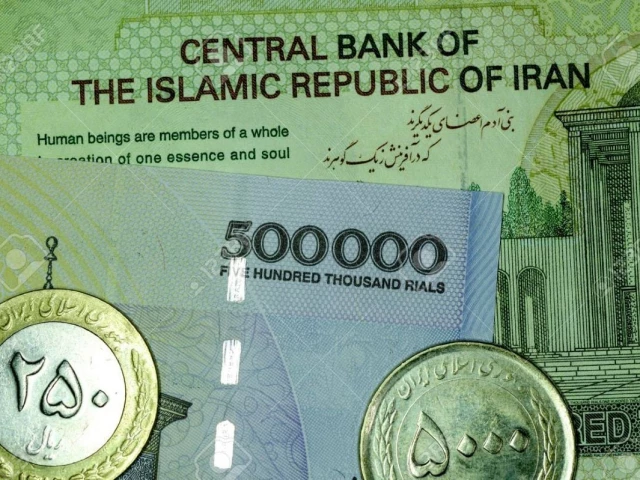
The Iranian rial has suffered a sharp and sustained decline, hitting record lows against the US dollar on the open market. PHOTO: 123rf.com
Iran’s economy is going through one of its most difficult periods in years, fueled by sanctions, high inflation, and a significant drop in the value of the national currency, the rial.
These pressures have had a direct impact on living standards and have also fueled recent protests.
The protests began on Dec. 28 in commercial hubs in the capital Tehran, when shopkeepers, merchants, and small business owners staged strikes and demonstrations to protest soaring inflation, the collapsing rial, and deteriorating economic conditions, and have since grown into nationwide anti-government expressions of discontent involving workers, students, and others across multiple cities.
The Iranian president said Sunday that his government is determined to address Iran’s economic problems amid the protests. Masoud Pezeshkian said the government admits to “shortcomings and problems” and is working hard to alleviate the people’s concerns, especially on the economy.
There are no official casualty figures from the protests, but the Human Rights Activists News Agency (HRANA), a US-based rights group, estimates that the death toll has reached 2,615, including both security forces and protesters, with 2,054 injured, and 18,470 arrested.
Currency collapse at center of crisis
The Iranian rial has suffered a sharp and sustained decline, hitting record lows against the US dollar on the open market. It started last year at around 817,000 rials per $1, then sank to 1.42-1.47 million rials on the parallel market by late 2025.
Due to the rial’s sharp decline, most Iranians have struggled to keep up with steadily rising prices.
The currency has been suffering for years in the face of sanctions and inflationary pressures, going from about 34,000 rials to the US dollar in 2016 to around 270,000 in 2021 and some 430,000 in 2022.
By 2023-2024, the rial had crossed the 750,000 mark on the open market, and its depreciation accelerated in 2025. Since 2020, the rial has lost nearly 800% of its value, and as of this week it trades at around 1.5 million rials to the dollar, severely eroding household purchasing power.
As the rial weakened, import costs shot up, feeding inflation and forcing businesses to raise prices. For ordinary Iranians, the falling currency has wiped out savings, reduced purchasing power, and created fear that prices will continue rising.
Traders and shopkeepers have been among the first to protest, as they struggle to afford goods amid daily currency swings.
ghazi52
THINK TANK: CONSULTANT
Inflation eroding living standards
Inflation has remained above 40% annually, with food and housing costs rising even faster in some areas. Wages have failed to keep pace, leaving households with less real income each month. Middle- and lower-income families are increasingly forced to cut back on basic goods.
Consumer price inflation remains exceptionally high, with inflation estimated at 30.6% in 2020 before rising sharply to 43.4% in 2021 and staying elevated at around 44%–46% in both 2022 and 2023.
Although inflation eased to about 32.5% in 2024, it is projected to accelerate again, with the International Monetary Fund forecasting inflation of 42.4% in 2025 and remaining above 40% in 2026, underscoring the persistence of price pressures driven by currency weakness and structural constraints.
Food costs and staples have grown much faster, with sectoral inflation (such as bread and fruit) substantially outpacing the national rate.
The Statistical Center of Iran reported that food inflation last September reached 58%, more than double the rate in the same month the previous year.
According to the survey, fruit costs have soared 75% while bread and grains, which are staples in Iranian households, have almost doubled in price.
Inflation has remained above 40% annually, with food and housing costs rising even faster in some areas. Wages have failed to keep pace, leaving households with less real income each month. Middle- and lower-income families are increasingly forced to cut back on basic goods.
Consumer price inflation remains exceptionally high, with inflation estimated at 30.6% in 2020 before rising sharply to 43.4% in 2021 and staying elevated at around 44%–46% in both 2022 and 2023.
Although inflation eased to about 32.5% in 2024, it is projected to accelerate again, with the International Monetary Fund forecasting inflation of 42.4% in 2025 and remaining above 40% in 2026, underscoring the persistence of price pressures driven by currency weakness and structural constraints.
Food costs and staples have grown much faster, with sectoral inflation (such as bread and fruit) substantially outpacing the national rate.
The Statistical Center of Iran reported that food inflation last September reached 58%, more than double the rate in the same month the previous year.
According to the survey, fruit costs have soared 75% while bread and grains, which are staples in Iranian households, have almost doubled in price.
ghazi52
THINK TANK: CONSULTANT
Although the government provides cash handouts and subsidies, including monthly payments, and food staple, electricity, and foreign exchange subsidies, these measures have not offset the impact of rising prices, especially as the value of payments declines alongside the rial.
Sanctions and restricted oil revenues
Iran’s economy is still severely hampered by international sanctions. US sanctions limit access to the international financial system, banking transactions, and oil exports.
Even when Iran is successful in exporting oil, access to hard currency is often restricted, delayed, or held overseas.
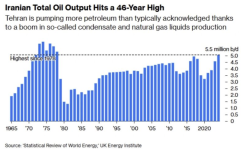
According to a Reuters survey, Iran’s oil output fell by 100,000 barrels per day in late 2025 due to the sanctions, which directly cut into government revenue.
Sanctions and restricted oil revenues
Iran’s economy is still severely hampered by international sanctions. US sanctions limit access to the international financial system, banking transactions, and oil exports.
Even when Iran is successful in exporting oil, access to hard currency is often restricted, delayed, or held overseas.
According to a Reuters survey, Iran’s oil output fell by 100,000 barrels per day in late 2025 due to the sanctions, which directly cut into government revenue.
ghazi52
THINK TANK: CONSULTANT
Total exports, oil and non-oil, are forecast to fall by around 16% to $100 billion in 2025, while imports are expected to fall by roughly 10% to $98 billion, according to IMF, reflecting tighter foreign exchange and sanctions pressure.
In 2025, the IMF projected a 300,000 barrels per day (bpd) decline in both output and exports as of last May. A greater decline of up to half a million bpd has been projected by independent energy analytics companies including Kpler, Vortexa, and TankerTrackers.
As a result, foreign exchange inflows have fallen and the Central Bank's capacity to maintain currency stability has been eroded. Additionally, sanctions have hindered trade and discouraged foreign investment, pushing Iran to rely on unofficial routes that raise prices and decrease transparency.
Iran's economy is still largely reliant on oil earnings, which cover a sizable portion of government revenues. In the fiscal year that ended last March, Iran's Central Bank estimated oil revenues of $67 billion. The bank reported oil revenues of $56 billion for fiscal 2024, $55 billion for 2023, $38 billion for 2022, and $23 billion for 2021.
However, according to the US' Energy Information Administration (EIA), the export figures vary. In the calendar year 2018, when the first Trump administration tightened sanctions on Iran, oil revenues reached $51 billion, according to the EIA. In 2020, they sank to $5 billion, before rebounding to $43 billion in 2024.
In 2025, the IMF projected a 300,000 barrels per day (bpd) decline in both output and exports as of last May. A greater decline of up to half a million bpd has been projected by independent energy analytics companies including Kpler, Vortexa, and TankerTrackers.
As a result, foreign exchange inflows have fallen and the Central Bank's capacity to maintain currency stability has been eroded. Additionally, sanctions have hindered trade and discouraged foreign investment, pushing Iran to rely on unofficial routes that raise prices and decrease transparency.
Iran's economy is still largely reliant on oil earnings, which cover a sizable portion of government revenues. In the fiscal year that ended last March, Iran's Central Bank estimated oil revenues of $67 billion. The bank reported oil revenues of $56 billion for fiscal 2024, $55 billion for 2023, $38 billion for 2022, and $23 billion for 2021.
However, according to the US' Energy Information Administration (EIA), the export figures vary. In the calendar year 2018, when the first Trump administration tightened sanctions on Iran, oil revenues reached $51 billion, according to the EIA. In 2020, they sank to $5 billion, before rebounding to $43 billion in 2024.
ghazi52
THINK TANK: CONSULTANT
Iran’s fiscal position remains under strain, with the government running persistent budget deficits amid constrained revenues and rising spending pressures.
According to IMF-based estimates, the budget deficit stood at around 4.1% of GDP in 2024 and is expected to widen to about 6% of gross domestic product (GDP) in 2025, before remaining elevated at roughly 6.2% of GDP in 2026.
The deterioration reflects limited oil revenue recovery under sanctions, weak non-oil tax collection, and higher outlays on subsidies, wages, and social support, adding to inflationary and currency pressures.
In its most recent budget, the government estimated daily oil shipments of 1.85 million barrels per day at $67 per barrel. However, the IMF projected that actual exports would only average 1.1 million barrels per day, showing a significant deficit.
According to IMF-based estimates, the budget deficit stood at around 4.1% of GDP in 2024 and is expected to widen to about 6% of gross domestic product (GDP) in 2025, before remaining elevated at roughly 6.2% of GDP in 2026.
The deterioration reflects limited oil revenue recovery under sanctions, weak non-oil tax collection, and higher outlays on subsidies, wages, and social support, adding to inflationary and currency pressures.
In its most recent budget, the government estimated daily oil shipments of 1.85 million barrels per day at $67 per barrel. However, the IMF projected that actual exports would only average 1.1 million barrels per day, showing a significant deficit.
ghazi52
THINK TANK: CONSULTANT
GDP, unemployment figures
Over the last five years, Iran’s economy has navigated a volatile landscape defined by a modest recovery followed by a recent significant slowdown.
After a period of lost growth in the late 2010s, GDP rebounded with growth rates of about 4.1% in 2021 and 4.4% in 2022, largely driven by a recovery in oil exports and domestic services following the pandemic. This momentum peaked in 2023 with a 5.3% expansion, but the trajectory has since cooled considerably.
By 2024, growth slowed to roughly 3.7%, and estimates for 2025 from the IMF and the World Bank suggest a near-stagnant rate of just 0.3% to 0.6%.
This recent deceleration is attributed to intensified sanctions, chronic inflation (averaging near 40%), and severe energy shortages that have hampered industrial productivity.
While the oil sector remains a primary driver of the nominal economy -- which fluctuated between $350 billion and $475 billion -- non-oil sectors continue to struggle under structural constraints and a weakening currency.
In addition, the labor market over the last five years has been characterized by a jobless recovery followed by a tightening market amid recent economic stagnation.
Official figures showed the total unemployment rate declining from 9.3% in 2021 to a record low of approximately 7.2% to 8.2% by late 2024.
Youth unemployment remains a critical challenge, consistently hovering between 20% and 23%, nearly triple the national average.
Over the last five years, Iran’s economy has navigated a volatile landscape defined by a modest recovery followed by a recent significant slowdown.
After a period of lost growth in the late 2010s, GDP rebounded with growth rates of about 4.1% in 2021 and 4.4% in 2022, largely driven by a recovery in oil exports and domestic services following the pandemic. This momentum peaked in 2023 with a 5.3% expansion, but the trajectory has since cooled considerably.
By 2024, growth slowed to roughly 3.7%, and estimates for 2025 from the IMF and the World Bank suggest a near-stagnant rate of just 0.3% to 0.6%.
This recent deceleration is attributed to intensified sanctions, chronic inflation (averaging near 40%), and severe energy shortages that have hampered industrial productivity.
While the oil sector remains a primary driver of the nominal economy -- which fluctuated between $350 billion and $475 billion -- non-oil sectors continue to struggle under structural constraints and a weakening currency.
In addition, the labor market over the last five years has been characterized by a jobless recovery followed by a tightening market amid recent economic stagnation.
Official figures showed the total unemployment rate declining from 9.3% in 2021 to a record low of approximately 7.2% to 8.2% by late 2024.
Youth unemployment remains a critical challenge, consistently hovering between 20% and 23%, nearly triple the national average.

Persian Gulf
INT'L MOD

OldTwilight
Registered Member
شما اگر روزی ۱ میلیون تومان پس از اندازه کنی ، به شرط ثابت ماندن قیمت ها ( شرط محال )برای خرید ارزانترین خودرو ایران خودرو از درب کارخانه باید ۹۲۴ روز پول پس انداز کنی
باید ۱۰۰ روز اضافه تر هم روزانه ۱ میلیون تومان پس انداز کنی تا بتونی با پرداخت مالیات ، عوارض و بیمه ، ماشین رو پلاک کنی
عزیزان جیره خوار ، بار بعدی با کشتار هم اعتراضات جمع نمی شه ، منم خیلی از این نظام و کشور دفاع کردم ولی این دیگه ظلمه
باید ۱۰۰ روز اضافه تر هم روزانه ۱ میلیون تومان پس انداز کنی تا بتونی با پرداخت مالیات ، عوارض و بیمه ، ماشین رو پلاک کنی
عزیزان جیره خوار ، بار بعدی با کشتار هم اعتراضات جمع نمی شه ، منم خیلی از این نظام و کشور دفاع کردم ولی این دیگه ظلمه
Cancerous Tumor
Registered Member
If we want to know why are they double down on economic pressure in Iran after Venezuela's case. we should be looking at some of Mr Paul Krugman's or similar experts takes about U.S economy.
For some reason there are a lot of deepfake clips of Mr Krugman out there too !
Just quick search you will see his interests are around issues of :
For some reason there are a lot of deepfake clips of Mr Krugman out there too !
Just quick search you will see his interests are around issues of :
- Taxes (avoidance
 )
) - Tariffs
- Zombies ( yes zombies he even wrote a book about them ! )
- Inflation
- Federal reserve ( clown picks vs real economists )
Last edited:
Cancerous Tumor
Registered Member
U.S under Mr Biden had similar issues too with little bit more room for smaller actors and more taxes on big actors.
Iran's economy in comparison to world's economy is small but if zombie project in Iran fails it will surely fail in U.S too so another bad news for certain companies and political factions
I believe there is only one political faction in U.S and it is state of economy
latest project to fix be books and hiding issues under the rug was around the time of invasion of Iraq and it's interesting from start of 2000 a lot has changed around us for example at that time our biggest partners were Germany and Japan a few years later China took their place in Iran and i don't think we need to say more about direction of outcome.
were three most important internal and external issues of U.S since year 2000 and in each phase U.S implemented an active/hyper active plan to these issues meanwhile China took passive path it's interesting after each phase China end up in better position compared to U.S each time.
First case heavily damaged Iran's economy.
Second Iran's oil sale benefited from it (but it's debatable if whole economy benefits from rising price of oil )
Covid-19's case was harmful more than other countries.
Iran's economy in comparison to world's economy is small but if zombie project in Iran fails it will surely fail in U.S too so another bad news for certain companies and political factions
I believe there is only one political faction in U.S and it is state of economy
latest project to fix be books and hiding issues under the rug was around the time of invasion of Iraq and it's interesting from start of 2000 a lot has changed around us for example at that time our biggest partners were Germany and Japan a few years later China took their place in Iran and i don't think we need to say more about direction of outcome.
- Invasion of Iraq and Afghanistan
- Banking bubble of 2007-2008
- Covid-19
were three most important internal and external issues of U.S since year 2000 and in each phase U.S implemented an active/hyper active plan to these issues meanwhile China took passive path it's interesting after each phase China end up in better position compared to U.S each time.
First case heavily damaged Iran's economy.
Second Iran's oil sale benefited from it (but it's debatable if whole economy benefits from rising price of oil )
Covid-19's case was harmful more than other countries.
Cancerous Tumor
Registered Member
According to Mr Bahrami's statements :
price of egg today is almost same as a month before changes in government policy ( egg price is same 11 toman/~8-10 cents per egg as before )
price of chicken is slightly higher ~5 percent increase to ~ $1.5 per Kg of meat ( now 190 toman vs before it was 180 toman)
What changed ? instead of giving cash to producers and importers they are giving it's cash as credit to all people equally.(maybe top 10% of people or wealthy ones are still having issues to get it )
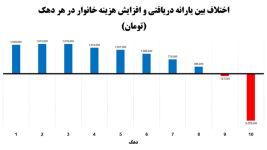
~ 80% of people are better off with new policy and ~20 percent are slightly or highly losing with it.
Chart source :Shahraranews.ir
Cancerous Tumor
Registered Member
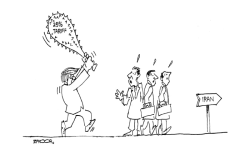
Talking about zombie project , supreme court of U.S rejected it's government tariff regime :
One day in Iran's "supreme court" will fix these stupid inflationary budgets in governments too, one day
In celebration of 48th year of revolution in Iran I will(try to) post about winners and losers of Iran compared to end of Pahlavi's rule.
Ruling finds president exceeded his powers by imposing duties without clear congressional authorization; Trump says he is ‘ashamed’ of certain justices
btw it has 6 republican leaning and 3 democrat judges in it.One day in Iran's "supreme court" will fix these stupid inflationary budgets in governments too, one day
In celebration of 48th year of revolution in Iran I will(try to) post about winners and losers of Iran compared to end of Pahlavi's rule.
Users who are viewing this thread
Total: 2 (members: 0, guests: 2)
Pakistan Defence Latest
-
 PAF pilot highlights how chinese J10C fighters have left US F16's Obsolete (15 Viewers)
- Latest: Michael
-

-

-

-

Country Watch Latest

Latest Posts
-

-

-
-
PAF pilot highlights how chinese J10C fighters have left US F16's Obsolete (15 Viewers)
- Latest: Michael
-
