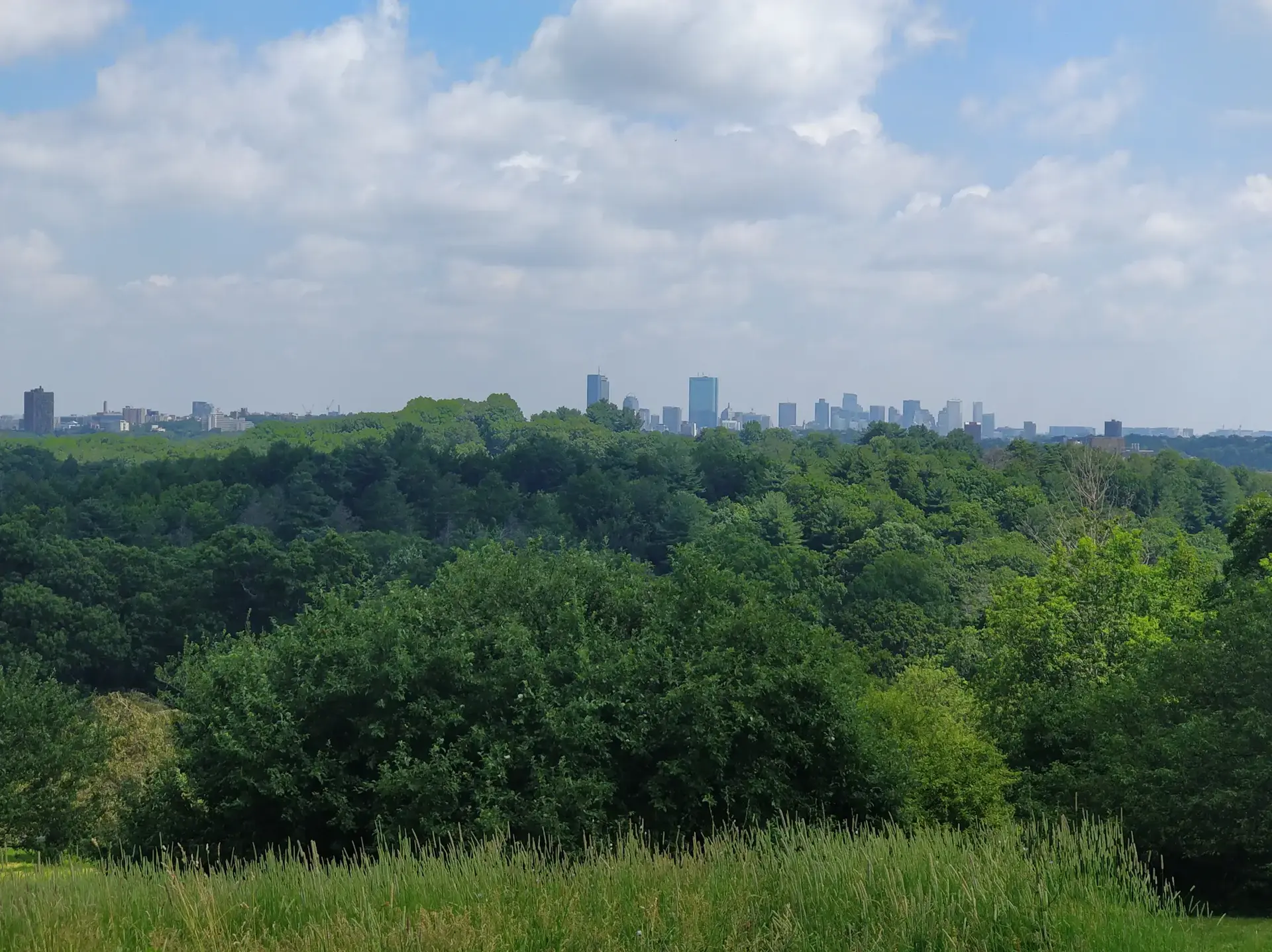
I understand why people react strongly when they hear about trees being cut in or around Islamabad. This city’s identity is tied to its green cover, the hills, the ridges, the quiet pockets of forest that make it feel different from every other major city in the country. Once those natural spaces are disturbed, they don’t grow back the same way. So the concern is real, and it deserves a real answer.
But this is exactly why we need to rethink how we build, not just how much we build.
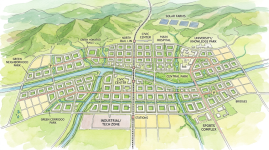
If we keep expanding outward with low‑density housing, we’ll keep clearing land, cutting trees, and stretching Islamabad’s footprint deeper into areas that should remain untouched. The alternative and the smarter path is to grow vertically and compactly.
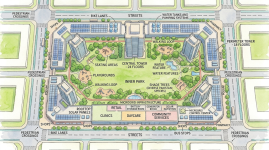
A high‑density, microgrid‑powered vertical city isn’t about stacking towers for the sake of density. It’s about creating compact, self‑sustaining superblocks where each 250m × 250m cluster can comfortably house 2,000 to 4,500 residents, depending on the mix of 2, 3, 4 and 5 bedroom units. When you concentrate people vertically instead of horizontally, you dramatically reduce the amount of land you need. That means fewer trees cut, fewer hills disturbed, and far less pressure on Islamabad’s natural terrain.
And the good news is that Islamabad actually has three ideal locations where this kind of vertical city can grow without touching the protected green areas that people are rightly worried about.
1. Chakri–Ring Road North Corridor
A wide, flat expansion zone north of the Rawalpindi Ring Road.
It’s far from the Margalla foothills, has no airport height restrictions, and offers enough space to build a full vertical district without disturbing any forested areas.
2. Sangjani–Shah Allah Ditta South Plains
A natural westward expansion area with open plains.
It sits outside the protected Margalla region, making it suitable for mid‑ to high‑rise development while keeping the hills and ridges untouched.
3. Rawat–Kallar Syedan North Quadrant
A large southeastern belt with broad, developable land banks.
It’s well‑connected and ideal for phased vertical development again, without pushing into Islamabad’s green corridors.
By focusing growth in these three zones, we can meet housing demand, support population growth, and modernize the region, all while keeping Islamabad’s natural landscape intact. This isn’t just a construction strategy. It’s a commitment to protecting the environment while planning responsibly for the future.
This model can apply to any city including Multan, Lahore, Faisalabad and Karachi.