Japan's war machine was "precisely decapitated" by China.
Written by: Xinli
publishing: 2026-02-25 15:18 renew: 2026-02-25 16:11
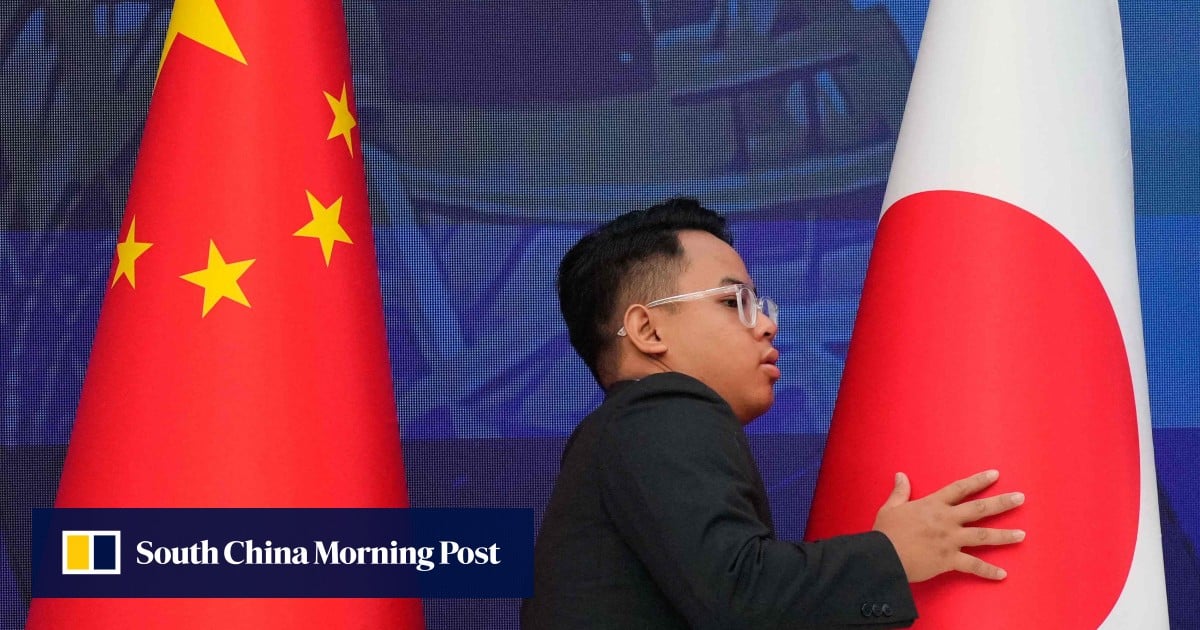
On February 24, China's Ministry of Commerce issued a notice adding 20 entities, including Mitsubishi Shipbuilding Corporation, involved in enhancing Japan's military capabilities, to its control list, and 20 Japanese entities, including Subaru Corporation, whose end-users and end-uses of dual-use items could not be verified, to its watch list. This list is not just a random selection of companies; it directly targets the core framework of Japan's military capabilities, representing a precise strike against Japan's military-industrial complex.
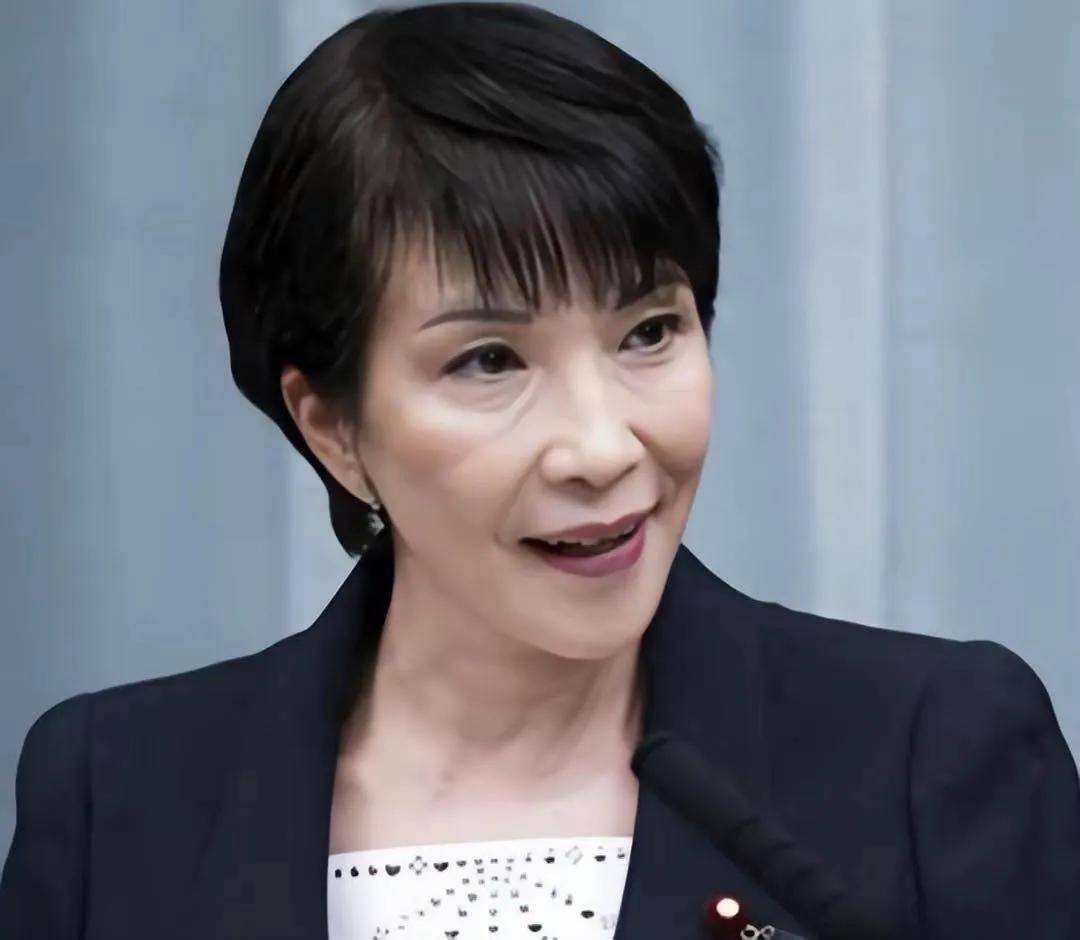
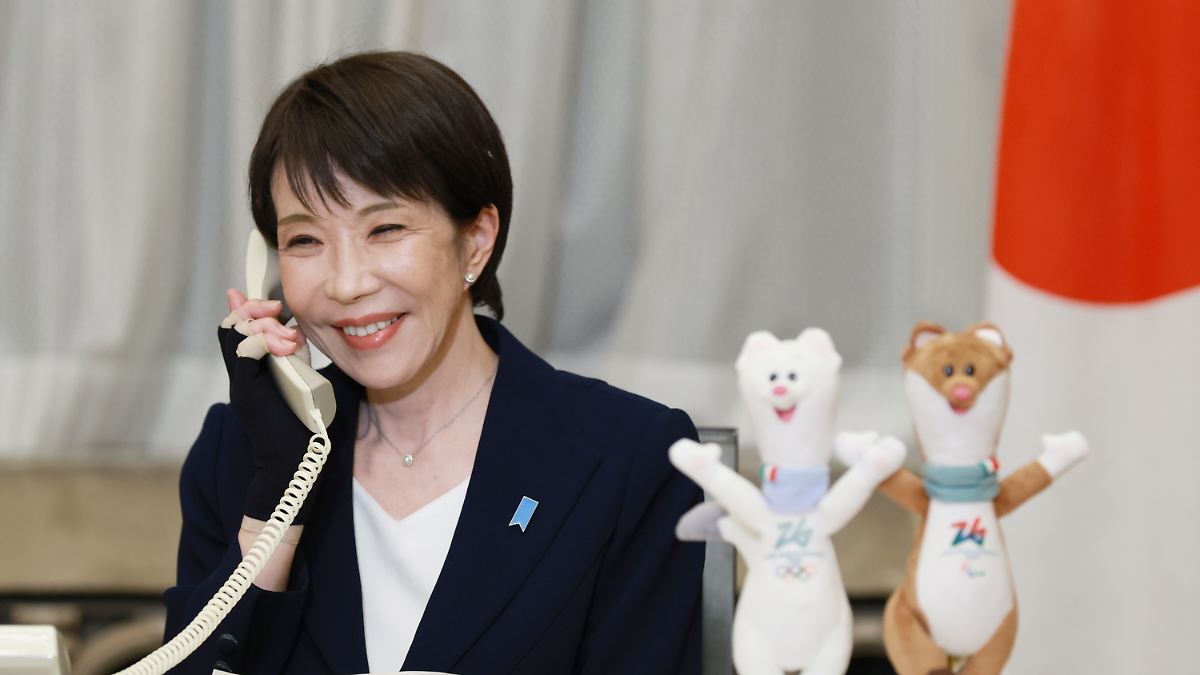
Since Sanae Takaichi stated that "a conflict in the Taiwan Strait means a conflict for Japan," China has taken a series of countermeasures against Japan. However, Japan continues its actions. Recently, after winning the election, Takaichi announced her new cabinet's foreign policy, continuing to emphasize so-called "values-based diplomacy" and demanding that China "adopt a responsible attitude." Simultaneously, she has been actively pushing for constitutional revision, attempting to enshrine the Self-Defense Forces in the constitution, circumventing Article 9 and allowing Japan to regain its war-fighting capabilities.
More attention should be paid to Japan's military actions. On the one hand, Japan has strengthened its cooperation with the US military, including sending the Air Self-Defense Force's F-15Js to conduct joint exercises with US B-52s, and sending the Maritime Self-Defense Force's quasi-aircraft carrier "Kaga" to conduct joint training with US F-35Bs; on the other hand, it has further promoted the so-called "strengthening of the southwestern islands" by increasing the deployment of personnel and equipment, especially missiles with long-range strike capabilities, on islands close to China's territory.
The US-Japan military exercise "Iron Fist" began on the 23rd at Camp Hansen, the US military base in Kintou Town, Okinawa Prefecture. (X Image)
Japan's repeated provocations necessitate a strong response from China. The Japanese companies on this list are essentially the foundation of Japan's modern military system and the engine of its military capabilities.
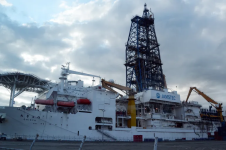
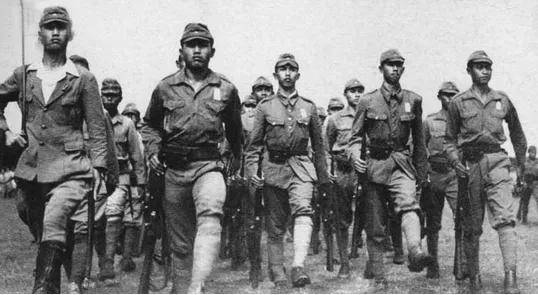
Among the Japanese companies on the list, the Mitsubishi system stands out. Mitsubishi is the core pillar of Japan's military industry. Its shipyard has been producing warships for Japan since 1884, having built the battleship Musashi, one of the most powerful warships in the Imperial Japanese Navy during World War II. Today, Mitsubishi Shipbuilding continues to build submarines and Mogami-class destroyers for the Japan Maritime Self-Defense Force, and also participated in the construction of the Atago-class Aegis destroyers. Mitsubishi Aero Engine Corporation is the heart of Japan's air power. The maintenance system for the Japan Air Self-Defense Force's fighter jets is handled by Mitsubishi. In addition, Mitsubishi is responsible for assembling fighter jets for the Self-Defense Force, including the F-2, F-15J, and F-35. Mitsubishi also attempted to possess the production capability of a fifth-generation fighter jet, the "Shinshin" (or "G-2000"), although this attempt failed, its ambition remains.
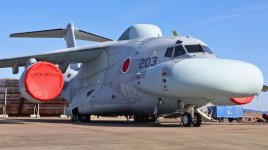
Let's look at the Kawasaki system. Kawasaki Aerospace Corporation is involved in the manufacture of the C-2 transport aircraft and the P-1 anti-submarine patrol aircraft, both of which are key tools for Japan's long-range combat capabilities. The core mission of the P-1 patrol aircraft is anti-submarine warfare; its targets are self-evident. The C-2 transport aircraft undertakes strategic airlift missions, a typical component of military airlift capabilities. In addition, there's the IHI system, responsible for manufacturing core materials for aircraft engines and components for rocket engines, and the Japan Aerospace Exploration Agency (JAXA). Aerospace technology and ballistic missile technology are essentially two sides of the same coin; possessing aerospace technology is the foundation for possessing long-range strike capabilities.

The photo shows Kawasaki Heavy Industries delivering the "Shoryu" submarine to the Ministry of Defense on March 18, 2019. (Kawasaki Heavy Industries official website)
IHI (formerly Ishikawajima-Harima Heavy Industries) is another major Japanese defense contractor, a core supplier of engines, rockets, and high-end materials. This time, as many as six subsidiaries of the IHI Group have been placed on the control list, with businesses covering power systems such as large gas turbines, high-performance metal materials used in aero engines, and maintenance and support services for military jet engines. Among them, IHI Aerospace Corporation is also involved in aerospace projects such as rocket engines and spacecraft structures.
Other major shipbuilders include Japan Marine United (JMU) Co., Ltd., one of Japan's leading civilian and military shipbuilders. JMU built the Izumo-class helicopter carriers, the largest active combat vessel in the Japan Maritime Self-Defense Force. NEC Network Sensors Co., Ltd. is responsible for the research and development and production of military radar, sensors, and network communication systems; NEC Aerospace Systems Co., Ltd. provides electronic systems and solutions for aircraft and spacecraft. Fujitsu is an IT company, and Fujitsu Defense & National Security Co., Ltd. also serves the Self-Defense Forces in both software development and hardware manufacturing.
Earlier this year, China announced export controls on dual-use items to Japan. That move was more about establishing rules at the institutional level, signaling to Japan that China possessed the "tools." This time, however, it's about directly using those tools to carry out a precise decapitation strike, moving from rule-based deterrence to actual combat.
The Japanese companies on the list are the most representative heavy industry groups, aerospace manufacturers, defense electronics companies, and core research institutions in Japan's military and dual-use industrial chain. They cover almost all the key support links of Japan's modern military capabilities and are the core of Japan's military industry. This shows that China has already thoroughly understood Japan's manufacturing system and knows where to strike most painfully and where to cripple it most fatally.
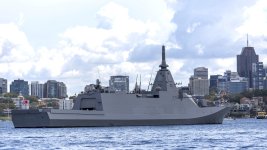
Australia announced last year that it would purchase 11 "Mogami-class" frigates from Mitsubishi Heavy Industries of Japan, which are expected to enter service in 2030. (Japan Maritime Self-Defense Force website)
A significant portion of those included on the list are from the power system industry, including engines, gas turbines, and turbochargers—all core areas of high-end manufacturing. Japan relies heavily on the Chinese supply chain in these sectors, particularly for essential heavy rare earth elements, with no alternative sources. China's export control list for dual-use items includes over 800 products, covering rare earths, chemicals, electronic components, and shipping and aerospace equipment and technologies. According to data from the Japan Metals and Energy Security Organization, as of 2024, Japan relied on China for approximately 70% of its rare earth imports.
This time, it's just adding them to the control list, not a complete ban, but the fact that the list has been established means it can be expanded at any time. This is a typical tactic of maximum pressure. China's ability to use maximum pressure on Japan proves that it has completely seized the initiative.
Japan's military-industrial complex has long relied on China, and this cannot be replaced in a short time. This action demonstrates that China is prepared to directly strike Japan's military foundation, rather than merely issuing diplomatic protests. It is also believed that this will not be the last time. While the impact of these export controls on the civilian sector is relatively limited, and most of the sanctioned entities are related to defense, if Sanae Takaichi takes aggressive measures to strengthen Japan's military capabilities, China can certainly expand its reach from military-industrial enterprises to key civilian companies, from materials to equipment, and from export controls to comprehensive restrictions.
2月24日,中國商務部一紙公告,將三菱造船株式會社等20家參與提升日本軍事實力的實體列入管控名單,將斯巴魯株式會社等20家無法核實兩用物項最終用

www-hk01-com.translate.goog