Anti-foreigner sentiments and politicians are on the rise as Japan faces a population crisis
Associated Press
36 minutes ago
TOKYO (AP) — Outside a train station near Tokyo, hundreds of people cheer as Sohei Kamiya, head of the surging nationalist party Sanseito, criticizes Japan’s rapidly growing foreign population.
As opponents, separated by uniformed police and bodyguards, accuse him of racism, Kamiya shouts back, saying he is only talking common sense.
Sanseito, while still a minor party, made big gains in July’s parliamentary election, and Kamiya’s “Japanese First” platform of anti-globalism, anti-immigration and anti-liberalism is gaining broader traction ahead of a ruling party vote Saturday that will choose the likely next prime minister.
Anti-immigrant policies, which allow populists to vent their dissatisfaction on easy targets, are appealing to more Japanese as they struggle with dwindling salaries, rising prices and bleak future outlooks.
“Many Japanese are frustrated by these problems, though we are too reserved to speak out. Mr. Kamiya is spelling them all out for us,” said Kenzo Hagiya, a retiree in the audience who said the “foreigner problem” is one of his biggest concerns.
The populist surge comes as Japan, a traditionally insular nation that values conformity and uniformity, sees a record surge of foreigners needed to bolster its shrinking workforce.
In September, angry protests fueled by social media misinformation about a looming flood of African immigrants quashed a government-led exchange program between four Japanese municipalities and African nations.
Even the governing party, which has promoted foreign labor and tourism, now calls for tighter restrictions on foreigners, but without showing how Japan, which has one of the world’s fastest-aging and fastest-dwindling populations, can economically stay afloat without them.
Kamiya says his platform has nothing to do with racism
“We only want to protect the peaceful lives and public safety of the Japanese,” he said at the rally in Yokohama, a major residential area for foreigners. Japanese people tolerate foreigners who respect the “Japanese way,” but those who cling to their own customs are not accepted because they intimidate, cause stress and anger the Japanese, he said.
Kamiya said the government was allowing foreign workers into the country only to benefit big Japanese businesses.
“Why do foreigners come first when the Japanese are struggling to make ends meet and suffering from fear?” Kamiya asked. “We are just saying the obvious in an obvious way. Attacking us for racial discrimination is wrong.”
Kamiya’s anti-immigrant message is gaining traction
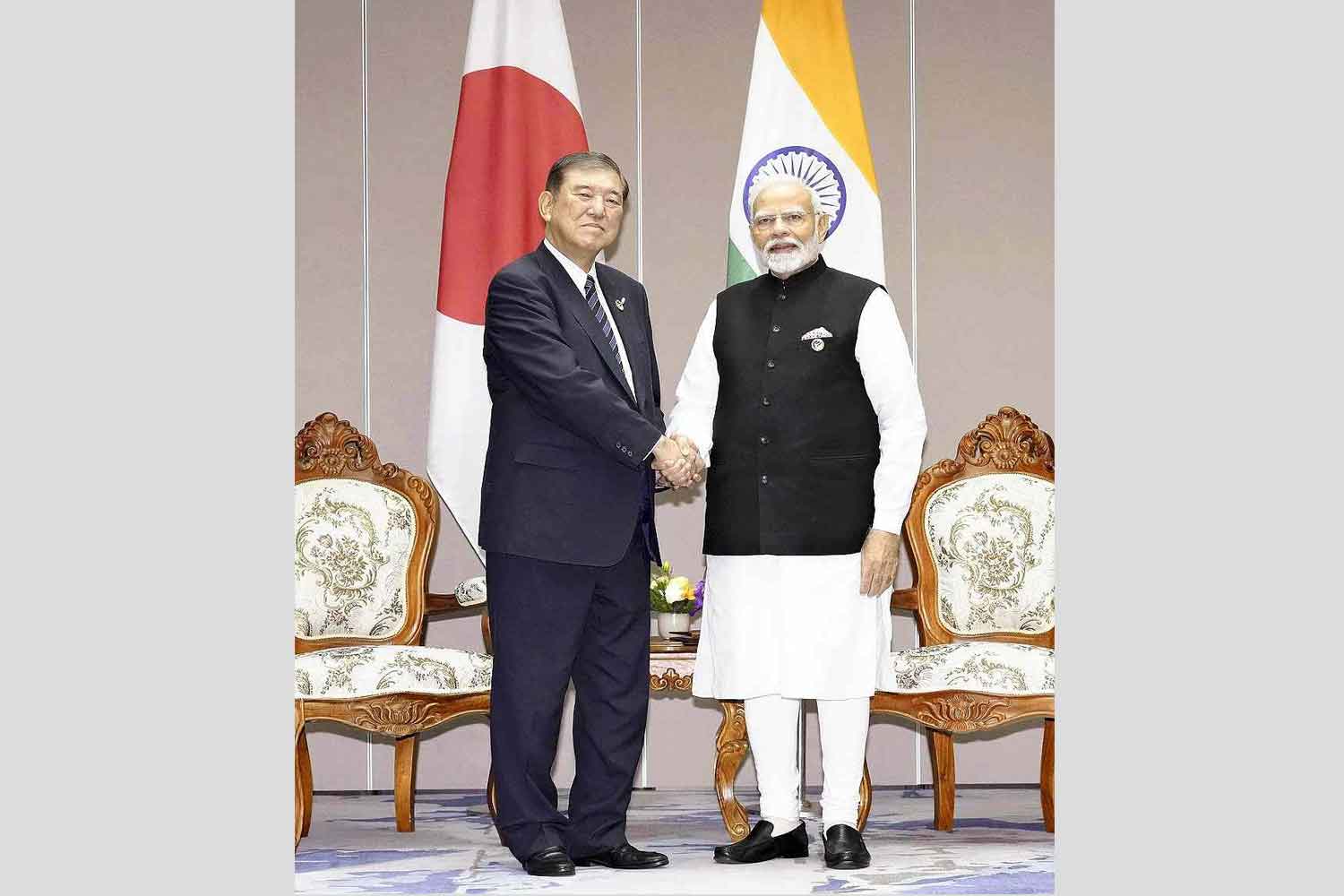
All five candidates competing in Saturday’s governing Liberal Democratic Party leadership vote to replace outgoing Shigeru Ishiba as prime minister are vowing tougher measures on foreigners.
One of the favorites, former Economic Security Minister Sanae Takaichi, a hardline ultra-conservative, was criticized for championing unconfirmed claims that foreign tourists abused deer at a park in Nara, her hometown.
Takaichi later said she wanted to convey the growing sense of anxiety and anger among many Japanese about ”outrageous” foreigners.
During the July election campaign, far-right candidates insulted Japan’s about 2,000 Kurds, many of whom fled persecution in Turkey.
A Kurdish citizen, who escaped to Japan as a child after his father faced arrest for complaining about military hazing, said he and his fellow Kurds have had to deal with people calling them criminals on social media.
Japan has a history of discrimination against ethnic Koreans and Chinese, dating from the colonialist era in the first half of the 20th century.
Some of that discrimination persists today, with insults and attacks targeting Chinese immigrants, investors and their businesses.
Hoang Vinh Tien, 44, a Vietnamese resident who has lived in Japan for more than 20 years, says foreigners are often underpaid and face discrimination, including in renting apartments. He says he has worked hard to be accepted as part of the community.
“As we hear about trouble involving foreigners, I share the concerns of the Japanese people who want to protect Japan, and I support stricter measures for anyone from any country, including Vietnam,” Hoang said.
Rising foreigner numbers, but not nearly enough to bolster the economy
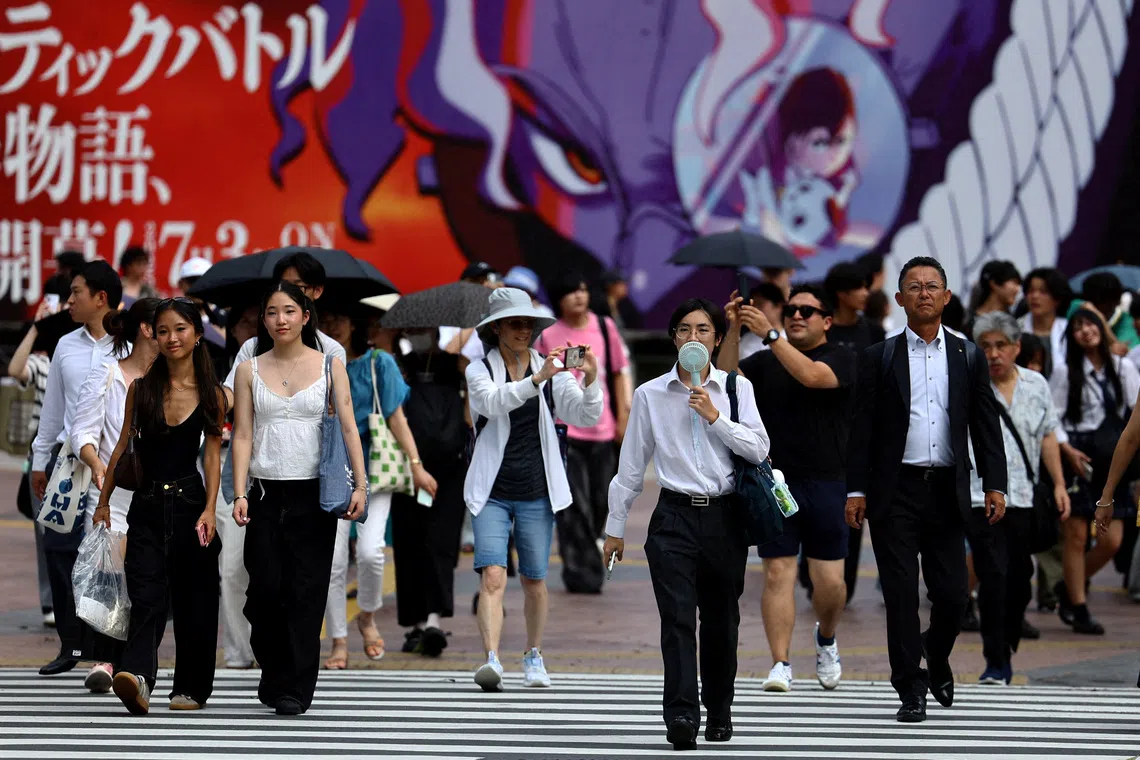
Japan’s foreign population last year hit a new high of more than 3.7 million. That’s only about 3% of the country’s population. Japan, which also promotes inbound tourism, aims to receive 60 million visitors in 2030, up from 50 million last year.
The foreign workforce tripled over the past decade to a record 2.3 million last year, according to Ministry of Health, Labor and Welfare statistics. An increase of 300,000 from a year earlier was twice the projected pace. Many work in manufacturing, retail, farming and fishing.
Even as the foreign population surged, only about 12,000 foreigners were arrested last year, despite alarmists’ claims that there would be a crimewave, National Police Agency figures show.
The pro-business ruling Liberal Democratic Party in 1993 launched a foreign trainee program and has since drastically expanded its scope in phases. But the program has been criticized as an exploitive attempt to make up for a declining domestic workforce. It will be renewed in 2027 with more flexibility for workers and stricter oversight for employers.
Many Japanese view immigrants as cheap labor who speak little Japanese, allow their children to drop out of school and live in high-crime communities, says Toshihiro Menju, a professor at Kansai University of International Studies and an expert on immigration policies.
He says the prejudice stems from Japan’s “stealth immigration system” that accepts foreign labor as de facto immigrants but without providing adequate support for them or an explanation to the public to help foster acceptance.
A Sanseito supporter in her 50s echoed some of these views but acknowledged that she has never personally encountered trouble with foreigners.
Meanwhile, Japan faces real economic pain if it doesn’t figure out the immigration issue.
The nation will need three times more foreign workers, or a total of 6.7 million people, than it currently allows, by 2040 to achieve 1.24% annual growth, according to a 2022 Japan International Cooperation Agency study. Without these workers, the Japanese economy, including the farming, fishing and service sectors, will become paralyzed, experts say.
It is unclear whether Japan can attract that many foreign workers in the future, as its dwindling salaries and lack of diversity makes it less attractive.
A growing party that’s part of a changing political landscape
Sanseito started in 2020 when Kamiya began attracting people on YouTube and social media who were discontent with conventional parties.
Kamiya, a former assembly member in the town of Suita, near Osaka, focused on revisionist views of Japan’s modern history, conspiracy theories, anti-vaccine ideas and spiritualism.
Kamiya said he is “extremely inspired by the anti-globalism policies” of U.S. President Donald Trump, but not his style. He invited conservative activist and Trump ally Charlie Kirk to Tokyo for a talk event days before his assassination, and Kamiya has compared his party to far-right parties such as the Alternative for Germany party (AfD), the National Rally of France and Britain’s Reform UK.
His priority, he said in an interview with The Associated Press, is to further expand his support base, and he hopes to field more than 100 candidates in future elections.
Immigrants represent a tiny minority in Japan, about 3 per cent of the population. Read more at straitstimes.com.

www.straitstimes.com
Anti-immigration uproar forces Japan to end Africa exchange plan
Elon Musk voices support for a Japan anti-immigration rally, sparking debate amid the country’s low immigration rates, aging population, and growing labor shortages.

americanbazaaronline.com
Elon Musk voices support for anti-immigration rally in Japan