Beijingwalker
VIP Member

Japan PM Takaichi sends offering to war-linked Yasukuni shrine on World War II anniversary
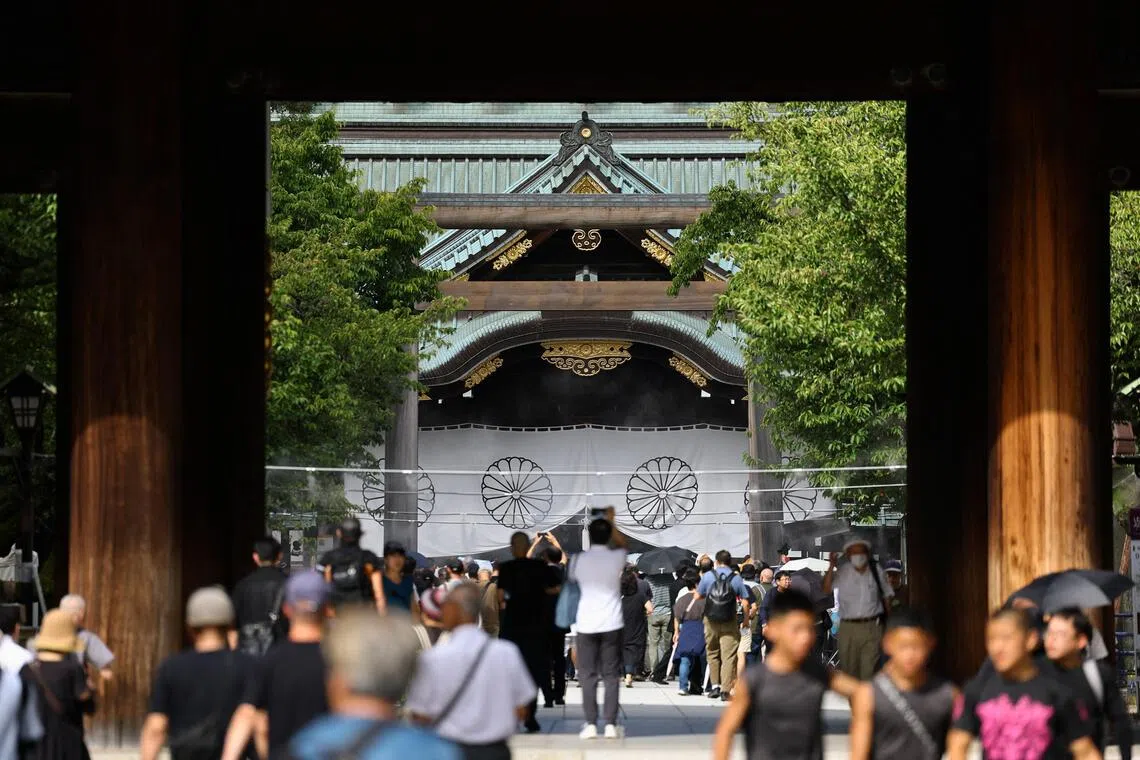
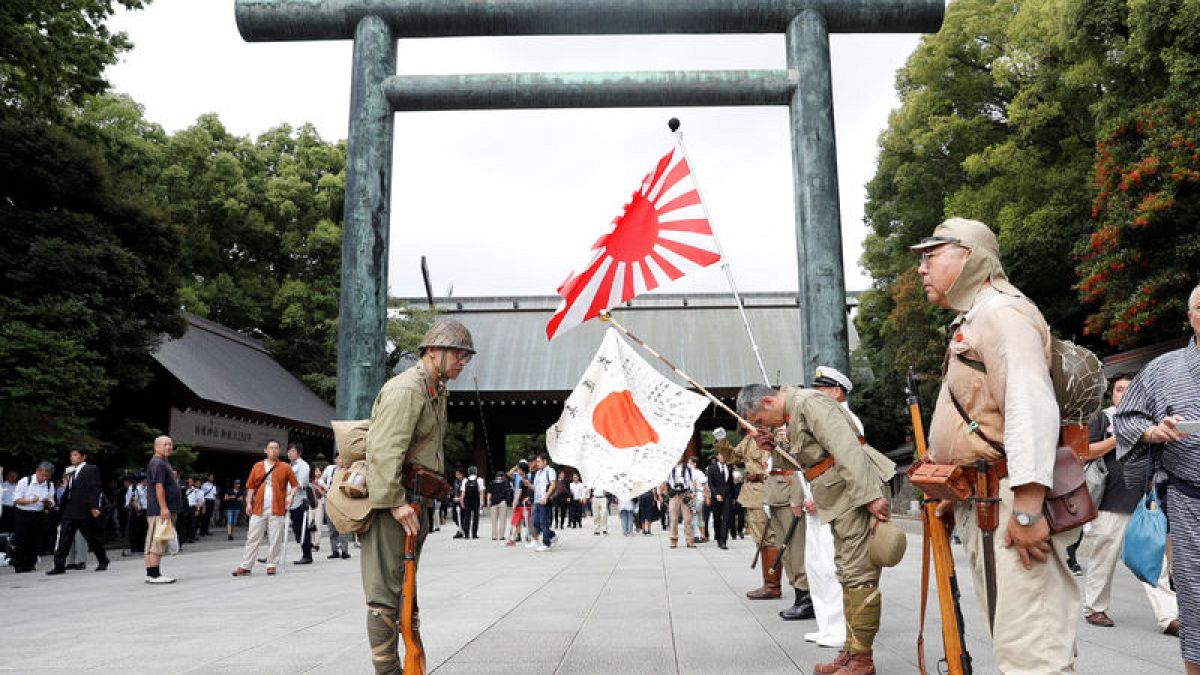
People paying tribute to the war dead at Yasukuni Shrine on the 81st anniversary of Japan's surrender in World War II on Aug 15.
PHOTO: REUTERS
Published Aug 15, 2026, 08:34 AM
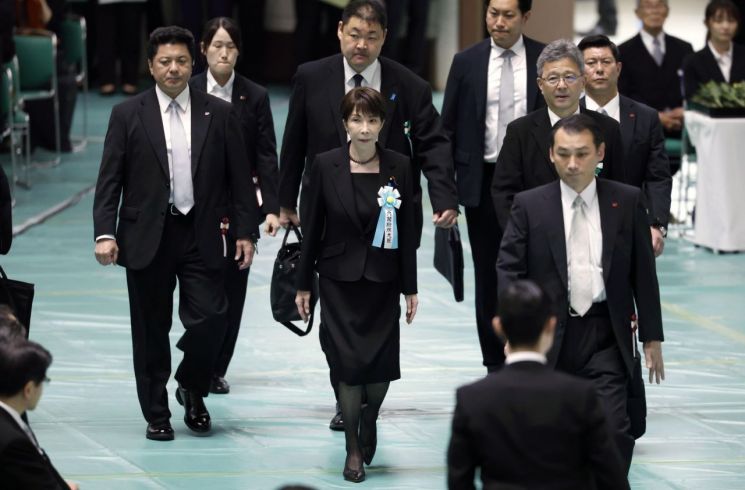
TOKYO - Japanese Prime Minister Sanae Takaichi on Aug 15 sent a ritual offering to the controversial Yasukuni shrine in Tokyo, while the country’s defence chief Shinjiro Koizumi and three other Cabinet members visited the site as Japan marks the 81st anniversary of the end of World War II.
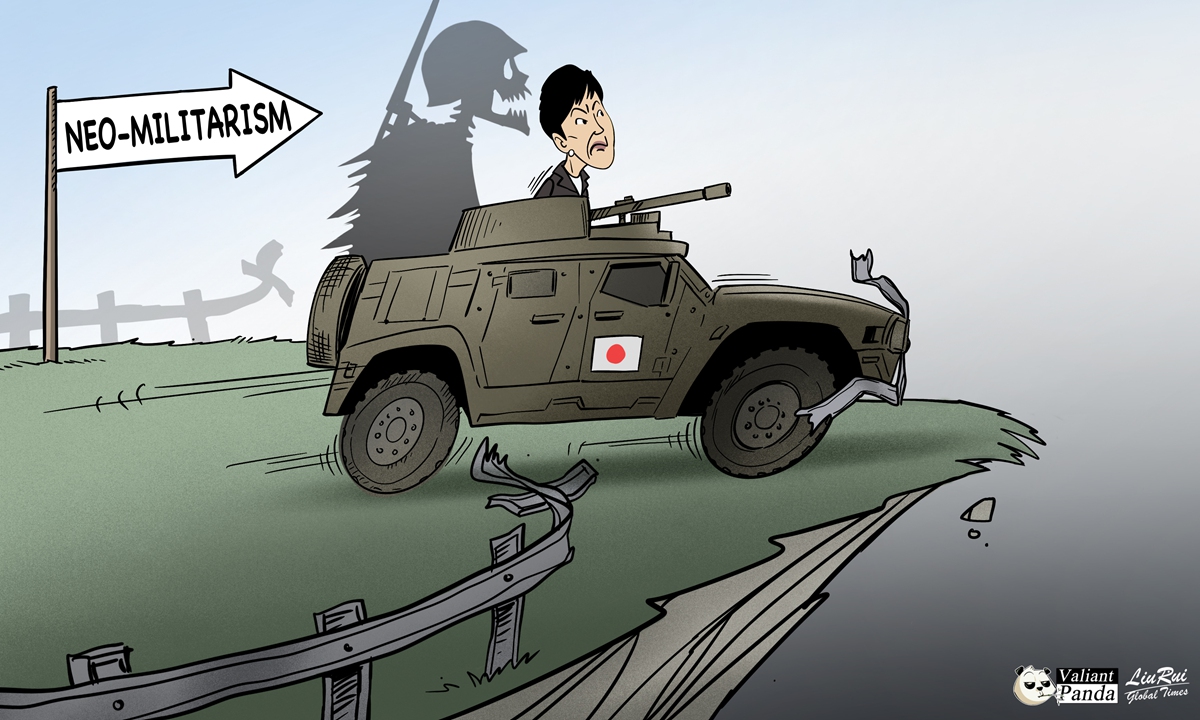
China responded quickly, saying it “deplores” the developments related to Yasukuni and had lodged “serious” protests with Japan.
Sources have said Takaichi, a conservative, is likely to refrain from visiting the war-linked shrine on the Aug 15 anniversary, the first since she became prime minister in 2025.
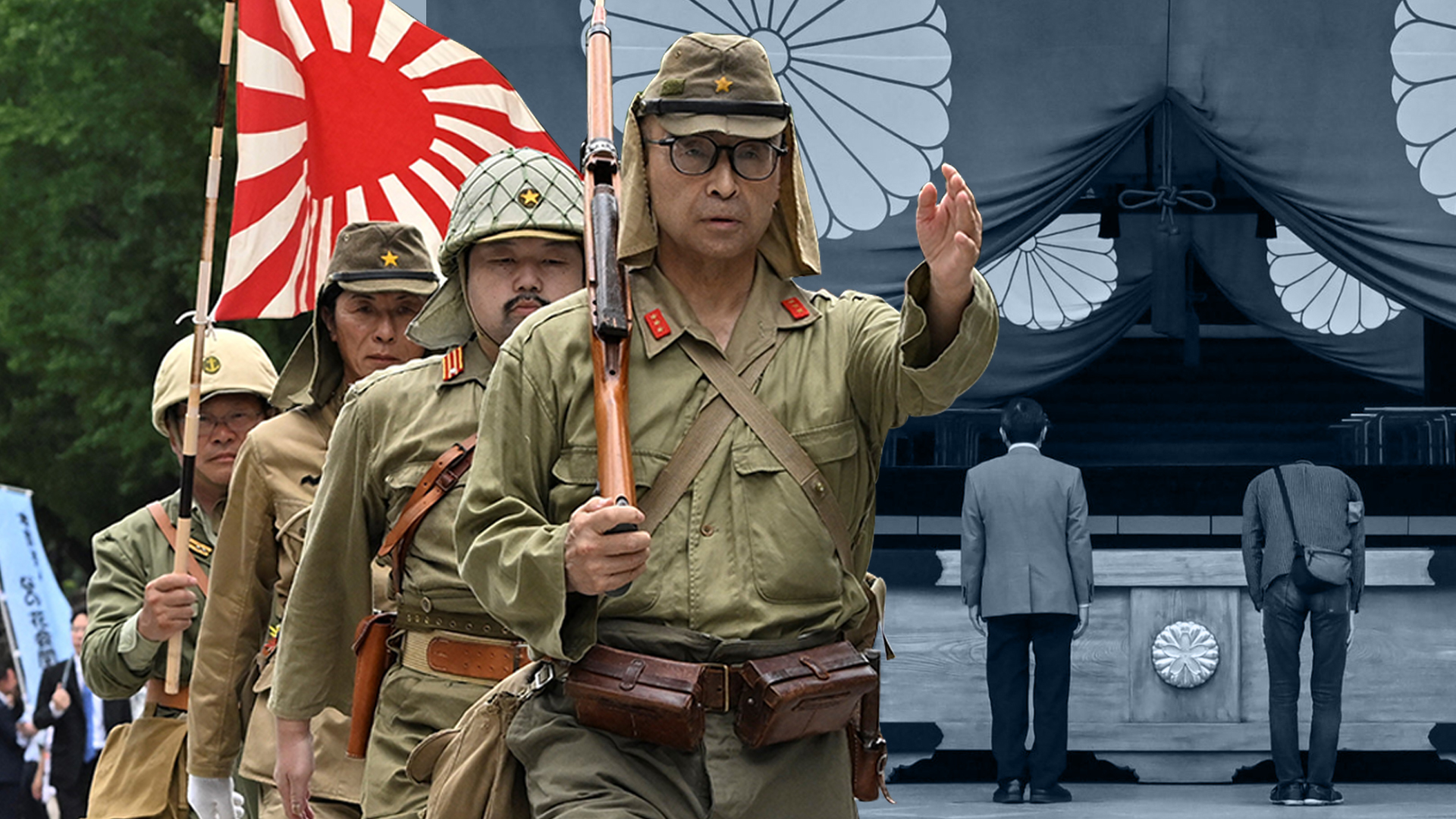
The shrine honours Japanese leaders convicted as war criminals and past visits by prime ministers and lawmakers have drawn sharp rebukes from China and South Korea, which both suffered under Japan’s wartime aggression.
Takaichi, as president of the ruling Liberal Democratic Party (LDP), paid for the offering out of her own pocket, according to a senior party executive.
“I fully understand how President Takaichi feels about the spirits of the war dead, so I visited the shrine with her feelings in mind,” LDP Secretary-General Shunichi Suzuki told reporter.
Koizumi became the first sitting defence minister confirmed to have visited the Shinto shrine on the anniversary since Minoru Kihara, who went on Aug 15, 2024. Kihara is now chief Cabinet secretary in Takaichi’s government.
“I renewed my pledge to renounce war and continue fulfilling the responsibility of Japan, which has consistently made strides as a peace-loving nation since the end of the war,” Koizumi said in a post on X.
The other three Cabinet members who went to the shrine are Minoru Kiuchi, economic and fiscal policy minister, Kimi Onoda, economic security minister, and Hitoshi Kikawada, in charge of issues related to Okinawa and the Northern Territories.
The Northern Territories, comprising four islands off Japan’s Hokkaido, are at the centre of a territorial row with Russia. Tokyo maintains that the former Soviet Union illegally seized the islands after the war.
Yasukuni enshrined 14 wartime leaders as deities in 1978, most of whom were convicted as Class-A war criminals. They include General Hideki Tojo, a wartime prime minister who was executed in 1948 for crimes against peace.
Japan has spent the decades since the end of the war committing itself to peace under its war-renouncing Constitution. In what it has described as an increasingly severe security environment, the country has been boosting its defence capabilities and spending.
Before taking office in October 2025, Takaichi visited the shrine during its seasonal festivals and on the Aug 15 war anniversary. But she has refrained from going to the shrine since becoming prime minister.
Takaichi has had to strike a balance as some conservative supporters want her to visit, while Japan’s ties with China remain frayed and those with South Korea are on the mend.
Japan has faced political and economic pressure from China since Takaichi suggested in Parliament in November 2025 that an attack on Taiwan could present a “survival-threatening situation” leading to an intervention by Japan’s Self-Defense Forces in support of the United States.
On winning the LDP leadership race in October 2025, Takaichi told a press conference she would decide “appropriately” on future visits to Yasukuni as prime minister, adding the matter “should never be made a diplomatic issue”.
She said during a TV programme in February 2026 that she would first seek “understanding” from the US and neighbouring countries before making such a visit. “I’ve been trying to prepare the conditions,” she said at the time.
Senior executives of the conservative LDP – Secretary-General Shunichi Suzuki, Haruko Arimura, head of its General Council, and Yasutoshi Nishimura, head of its Election Strategy Committee – went to the shrine on Aug 15.
Japan occupied a wide area of China by the end of the war and colonised the Korean Peninsula from 1910 to 1945. KYODO NEWS