JF-17 - Updates, News & Discussion

if i am not wrong i thing no 1, 2 and 3 were all block 1? only two block 2 crashes that is number 4 and 5?

Also 3 of the 5 crashes came in Attock District? this Attock region is very dangerous? dont know why?
Serial numbers beginning with 2 and 6 are all Block-2. So far, one Block-1 has crashed and four Block-2s have crashed to date.


List of PAF JF-17 Thunders Block-2

Aircraft No.
Number by Block
Block
Serial Number
Year
057​
01​
2A​
15-201​
2015​
058​
02​
2A​
15-202​
2015​
059​
03​
2A​
15-203​
2015​
060​
04​
2A​
15-204​
2015​
061​
05​
2A​
15-205​
2015​
062​
06​
2A​
15-207​
2015​
063
07
2A
15-209
2015
064​
08​
2A​
15-211​
2015​
065​
09​
2A​
15-212​
2015​
066​
10​
2A​
15-213​
2015​
067​
11​
2A​
15-216​
2015​
068​
12​
2A​
16-206​
2016​
069​
13​
2A​
16-208​
2016​
070​
14​
2A​
16-210​
2016​
071​
15​
2A​
16-214​
2016​
072​
16​
2A​
16-215​
2016​
073​
17​
2A​
16-217​
2016​
074​
18​
2A​
16-218​
2016​
075​
19​
2A​
16-219​
2016​
076​
20​
2A​
16-220​
2016​
077​
21​
2A​
16-221​
2016​
078​
22​
2A​
16-222​
2016​
079​
23​
2A​
16-223​
2016​
080​
24​
2A​
16-224​
2016​
081​
25​
2A​
16-225​
]2016​
082​
26​
2A​
16-226​
2016​
083​
27​
2A​
16-227​
2016​
084​
28​
2A​
16-228​
2016​
085​
29​
2A​
16-229​
2016​
086​
30​
2A​
16-230​
2016​
087​
31​
2A​
16-231​
2016​
088​
32​
2A​
16-232​
2016​
089​
33​
2A​
16-233​
2016​
090​
34​
2A​
16-235​
2016​
091​
35​
2A​
17-234​
2017​
092​
36​
2A​
17-236​
2017​
093​
37​
2A​
17-237​
2017​
094​
38​
2A​
17-238​
2017​
095​
39​
2A​
17-239​
2017​
096​
40​
2A​
17-240​
2017​
097
41
2A
17-241
2017
098​
42​
2A​
17-242​
2017​
099​
43​
2A​
17-243​
2017​
100​
44​
2A​
17-244​
2017​
101​
45​
2A​
17-245​
2017​
102​
46​
2A​
17-246​
2017​
103​
47​
2A​
17-247​
2017​
104​
48​
2A​
17-248​
2017​
105​
49​
2A​
??-249​
2017​
106​
50​
2A​
??-250​
2017​
107​
51​
2B​
17-601​
2017​
116​
52​
2A​
18-251​
2018​
117​
53​
2A​
18-252​
2018​
118​
54​
2A​
18-253​
2018​
119​
55​
2A​
18-254​
]2018​
120​
56​
2A​
18-255​
2018​
121​
57​
2A​
18-256​
2018​
122​
58​
2A​
19-257​
2019​
123​
59​
2A​
19-258​
2019​
124​
60​
2A​
19-259​
2019​
128​
61​
2B​
19-602​
2019​
129​
62​
2B​
19-603​
2019​
130​
63​
2B​
19-604​
2019​
131​
64​
2B​
19-605​
2019​
132​
65​
2B​
19-606​
2019​
133​
66​
2B​
19-607​
2019​
134​
67​
2B​
19-608​
2019​
135​
68​
2B​
19-609​
2019​
136​
69​
2B​
19-610​
2019​
137​
70​
2B​
19-611​
2019​
138​
71​
2B​
19-612​
2019​
140​
72​
2B​
20-613​
2020​
141
73
2B
20-614
2020
142​
74​
2B​
20-615​
2020​
143​
75​
2B​
20-616​
2020​
144​
76​
2B​
??-617​
2020​
145​
77​
2B​
??-618​
2020​
146​
78​
2B​
??-619​
2020​
147​
79​
2B​
??-620​
2020​
148​
80​
2B​
??-621​
2020​
149​
81​
2B​
20-622​
2020​
150​
82​
2B​
??-623​
2020​
151​
83​
2B​
??-624​
2020​
152​
84​
2B​
??-625​
2020​
153​
85​
2B​
20-626​
2020​
 
You are providing dates as if you are traveling back in time from future or you are like that old Russian babushka woman who predicts future events. Where is Chinese J35 in the equation?

Don’t make fun of my Quantum Ai prediction model. 😜

PAF Modernization Plan (updated)

• JF‑17 Block 3: Production continues till 2030, may see more blocks.

• J‑35 Stealth Fighter: Coming in 4 batches (6+ 8+ 12 + 14) total capped at 40 units between 2026 - 2030. prediction based on previous fighter Jet deliveries.

• KAAN (Türkiye): limited production 2027- 2029, Serial production starts from 2029-2031, Pakistan gets units ~2031–2032. Heavy air‑superiority role. Delays possible if conflict/technical issues arise.

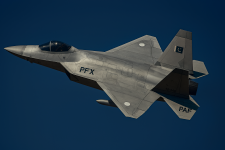
• PFX (Indigenous): Prototype/testing ~2030, enters production ~2032–2035. Designed to replace F‑16s. Delays possible if conflict/technical issues arise.

• F‑16 Block 50+ (Stop‑Gap) → Pakistan might consider if available and affordable, possibly via Saudi support.

Fleet Roles

• JF‑17 → Lightweight backbone into 2030s
• F‑16 → Phased out, but Block 50+ could serve as interim stop‑gap
• J‑35 → Interim stealth capability in limited numbers
• KAAN → Heavy 5th‑gen fighter via joint production
• PFX → Medium‑weight stealth, replacement for F‑16s

Here is the bottom Line:

JF‑17 stays as backbone → J‑35 fills gap → KAAN partnership gives heavy punch → PFX ensures long‑term independence.
 
Don’t make fun of my Quantum Ai prediction model. 😜

PAF Modernization Plan (updated)

• JF‑17 Block 3: Production continues till 2030, may see more blocks.

• J‑35 Stealth Fighter: Coming in 4 batches (6+ 8+ 12 + 14) total capped at 40 units between 2026 - 2030. prediction based on previous fighter Jet deliveries.

• KAAN (Türkiye): limited production 2027- 2029, Serial production starts from 2029-2031, Pakistan gets units ~2031–2032. Heavy air‑superiority role. Delays possible if conflict/technical issues arise.

• PFX (Indigenous): Prototype/testing ~2030, enters production ~2032–2035. Designed to replace F‑16s. Delays possible if conflict/technical issues arise.

• F‑16 Block 50+ (Stop‑Gap) → Pakistan might consider if available and affordable, possibly via Saudi support.

Fleet Roles

• JF‑17 → Lightweight backbone into 2030s
• F‑16 → Phased out, but Block 50+ could serve as interim stop‑gap
• J‑35 → Interim stealth capability in limited numbers
• KAAN → Heavy 5th‑gen fighter via joint production
• PFX → Medium‑weight stealth, replacement for F‑16s

Here is the bottom Line:

JF‑17 stays as backbone → J‑35 fills gap → KAAN partnership gives heavy punch → PFX ensures long‑term independence.

The J-35 is expected to be more advanced than the other jets, so please enlighten us as to why you think it's interim and will be bought in limited numbers.
 
Don’t make fun of my Quantum Ai prediction model. 😜

PAF Modernization Plan (updated)

• JF‑17 Block 3: Production continues till 2030, may see more blocks.

• J‑35 Stealth Fighter: Coming in 4 batches (6+ 8+ 12 + 14) total capped at 40 units between 2026 - 2030. prediction based on previous fighter Jet deliveries.

• KAAN (Türkiye): limited production 2027- 2029, Serial production starts from 2029-2031, Pakistan gets units ~2031–2032. Heavy air‑superiority role. Delays possible if conflict/technical issues arise.

• PFX (Indigenous): Prototype/testing ~2030, enters production ~2032–2035. Designed to replace F‑16s. Delays possible if conflict/technical issues arise.

• F‑16 Block 50+ (Stop‑Gap) → Pakistan might consider if available and affordable, possibly via Saudi support.

Fleet Roles

• JF‑17 → Lightweight backbone into 2030s
• F‑16 → Phased out, but Block 50+ could serve as interim stop‑gap
• J‑35 → Interim stealth capability in limited numbers
• KAAN → Heavy 5th‑gen fighter via joint production
• PFX → Medium‑weight stealth, replacement for F‑16s

Here is the bottom Line:

JF‑17 stays as backbone → J‑35 fills gap → KAAN partnership gives heavy punch → PFX ensures long‑term independence.

I believe we're headed for a pure Chinese fleet of JF-17, J-10 and J-35. Nothing else is affordable for us. Especially not KAAN with western engines.
 
@SiliconBit (silicon0000)
@Cipher212

Many defense experts believe Pakistan is gradually reshaping its long term airpower strategy. Instead of depending too heavily on Chinese imports, the country is now focusing on building real independence in its defense capabilities. This is why Pakistan is investing in joint development with Türkiye on the KAAN 5th generation fighter program and moving forward with its own PFX stealth jet. Both projects reflect a clear shift toward self reliance, modern technology access, and long term strategic stability.

Within this bigger vision, the J-35 serves an important but temporary role. Pakistan is expected to acquire around 40 aircraft in planned batches, partly because of budget constraints and partly to maintain a balanced set of partnerships rather than relying solely on one supplier. These J-35s will give the Pakistan Air Force a much needed early stealth capability and help bridge the gap during this decade of modernization.

Over time, the real backbone of Pakistan’s future airpower is expected to come from two pillars. KAAN, serving as the heavy 5th generation fighter, and PFX, evolving into Pakistan’s own medium weight stealth platform. Together, these programs represent a future where Pakistan has more control over the design, technology, and long term support of its air fleet.

Looking ahead, cooperation between Pakistan and Türkiye is likely to deepen even further. Future joint ventures may include the development of next generation BVR missiles as well as long range air defense systems. Working together on these advanced technologies would give both nations greater strategic autonomy, reduce dependence on external suppliers, and ensure that future fighters like KAAN and PFX are supported by homegrown weapons and defensive networks.

Altogether, these steps show that Pakistan isn’t just acquiring aircraft, it’s building a long term ecosystem of technology, partnerships, and capability that will shape its defense future for decades.

You can use this information and picture/s but give me credit for it.


@Corax

Disclaimer:
I am not making claims on behalf of anyone. I always provide a disclaimer because no one has the power to predict the future. What I share is simply my opinion, based on information currently available in the public domain and insights drawn from independent sources.
 

Attachments

  • IMG_2558.png
    IMG_2558.png
    1.9 MB · Views: 19
Last edited:
@SiliconBit (silicon0000)
@Cipher212

Many defense experts believe Pakistan is gradually reshaping its long term airpower strategy. Instead of depending too heavily on Chinese imports, the country is now focusing on building real independence in its defense capabilities. This is why Pakistan is investing in joint development with Türkiye on the KAAN 5th generation fighter program and moving forward with its own PFX stealth jet. Both projects reflect a clear shift toward self reliance, modern technology access, and long term strategic stability.

Within this bigger vision, the J-35 serves an important but temporary role. Pakistan is expected to acquire around 40 aircraft in planned batches, partly because of budget constraints and partly to maintain a balanced set of partnerships rather than relying solely on one supplier. These J-35s will give the Pakistan Air Force a much needed early stealth capability and help bridge the gap during this decade of modernization.

Over time, the real backbone of Pakistan’s future airpower is expected to come from two pillars. KAAN, serving as the heavy 5th generation fighter, and PFX, evolving into Pakistan’s own medium weight stealth platform. Together, these programs represent a future where Pakistan has more control over the design, technology, and long term support of its air fleet.

Looking ahead, cooperation between Pakistan and Türkiye is likely to deepen even further. Future joint ventures may include the development of next generation BVR missiles as well as long range air defense systems. Working together on these advanced technologies would give both nations greater strategic autonomy, reduce dependence on external suppliers, and ensure that future fighters like KAAN and PFX are supported by homegrown weapons and defensive networks.

Altogether, these steps show that Pakistan isn’t just acquiring aircraft, it’s building a long term ecosystem of technology, partnerships, and capability that will shape its defense future for decades.

You can use this information and picture/s but give me credit for it.


@Corax

Disclaimer:
I am not making claims on behalf of anyone. I always provide a disclaimer because no one has the power to predict the future. What I share is simply my opinion, based on information currently available in the public domain and insights drawn from independent sources.
bro is 1000% raja baja
 
@SiliconBit (silicon0000)
@Cipher212

Many defense experts believe Pakistan is gradually reshaping its long term airpower strategy. Instead of depending too heavily on Chinese imports, the country is now focusing on building real independence in its defense capabilities. This is why Pakistan is investing in joint development with Türkiye on the KAAN 5th generation fighter program and moving forward with its own PFX stealth jet. Both projects reflect a clear shift toward self reliance, modern technology access, and long term strategic stability.

Within this bigger vision, the J-35 serves an important but temporary role. Pakistan is expected to acquire around 40 aircraft in planned batches, partly because of budget constraints and partly to maintain a balanced set of partnerships rather than relying solely on one supplier. These J-35s will give the Pakistan Air Force a much needed early stealth capability and help bridge the gap during this decade of modernization.

Over time, the real backbone of Pakistan’s future airpower is expected to come from two pillars. KAAN, serving as the heavy 5th generation fighter, and PFX, evolving into Pakistan’s own medium weight stealth platform. Together, these programs represent a future where Pakistan has more control over the design, technology, and long term support of its air fleet.

Looking ahead, cooperation between Pakistan and Türkiye is likely to deepen even further. Future joint ventures may include the development of next generation BVR missiles as well as long range air defense systems. Working together on these advanced technologies would give both nations greater strategic autonomy, reduce dependence on external suppliers, and ensure that future fighters like KAAN and PFX are supported by homegrown weapons and defensive networks.

Altogether, these steps show that Pakistan isn’t just acquiring aircraft, it’s building a long term ecosystem of technology, partnerships, and capability that will shape its defense future for decades.

You can use this information and picture/s but give me credit for it.


@Corax

Disclaimer:
I am not making claims on behalf of anyone. I always provide a disclaimer because no one has the power to predict the future. What I share is simply my opinion, based on information currently available in the public domain and insights drawn from independent sources.

Very nice. Who paying for all that.
 
if i am not wrong i thing no 1, 2 and 3 were all block 1? only two block 2 crashes that is number 4 and 5?

Also 3 of the 5 crashes came in Attock District? this Attock region is very dangerous? dont know why?
PAC is located in Kamra, Attock. That could mean the crashed planes were undergoing some testing that went wrong ?
 
Don’t make fun of my Quantum Ai prediction model. 😜

PAF Modernization Plan (updated)

• JF‑17 Block 3: Production continues till 2030, may see more blocks.

• J‑35 Stealth Fighter: Coming in 4 batches (6+ 8+ 12 + 14) total capped at 40 units between 2026 - 2030. prediction based on previous fighter Jet deliveries.

• KAAN (Türkiye): limited production 2027- 2029, Serial production starts from 2029-2031, Pakistan gets units ~2031–2032. Heavy air‑superiority role. Delays possible if conflict/technical issues arise.

• PFX (Indigenous): Prototype/testing ~2030, enters production ~2032–2035. Designed to replace F‑16s. Delays possible if conflict/technical issues arise.

• F‑16 Block 50+ (Stop‑Gap) → Pakistan might consider if available and affordable, possibly via Saudi support.

Fleet Roles

• JF‑17 → Lightweight backbone into 2030s
• F‑16 → Phased out, but Block 50+ could serve as interim stop‑gap
• J‑35 → Interim stealth capability in limited numbers
• KAAN → Heavy 5th‑gen fighter via joint production
• PFX → Medium‑weight stealth, replacement for F‑16s

Here is the bottom Line:

JF‑17 stays as backbone → J‑35 fills gap → KAAN partnership gives heavy punch → PFX ensures long‑term independence.

J-10C just called asking ... Hey where's the party at?
 
if i am not wrong i thing no 1, 2 and 3 were all block 1? only two block 2 crashes that is number 4 and 5?

Also 3 of the 5 crashes came in Attock District? this Attock region is very dangerous? dont know why?
I think they were both blk 2 and may be we got the replacement Bravo aircraft for free too... will have to recheck but heard something about it being within a year warranty... the crash was due to some avionics glitch in software of flight controls, so they rectified it and also paid for a new aircraft... technically we are 4 JF less from total fleet even after 5 crashes...
Lastly, initially all JF-17 were stationed in Kamra and Peshawar, which are both close to Attock.
 

Users who are viewing this thread

Latest Posts

Back
Top