Fatman17
THINK TANK: CONSULTANT

- Thread starter
- #1,741
Security
A Russian Pilot Defected with A Mach 2.83 MiG-25 ‘Foxbat’ Fighter Jet
By
Christian Orr
https://www.19fortyfive.com/2025/12...-with-a-mach-2-83-mig-25-foxbat-fighter-jet/#
https://www.19fortyfive.com/2025/12...-with-a-mach-2-83-mig-25-foxbat-fighter-jet/#
https://www.19fortyfive.com/2025/12...-with-a-mach-2-83-mig-25-foxbat-fighter-jet/#
https://www.19fortyfive.com/2025/12...mach-2-83-mig-25-foxbat-fighter-jet/#comments

MiG-25 Foxbat. Image Credit: Creative Commons.
Key Points and Summary – The MiG-25 Foxbat debuted as a terrifying Soviet mystery: a blisteringly fast interceptor that spooked Western air planners.
-That mystique collapsed on September 9, 1976, when Soviet pilot Viktor Belenko defected to Japan in his Foxbat, handing the West an intelligence goldmine.

MiG-25. Image Credit: Creative Commons.
-Engineers quickly discovered that the feared jet was fast but crude—fuel-hungry, easy to track on radar, limited in range, and built with vacuum-tube avionics and poor maneuverability.
-Belenko received asylum in the United States and lived quietly as an aerospace engineer, while the MiG-25 fleet faded into retirement, its legend permanently punctured by one bold defection.
How Viktor Belenko’s Defection Dispelled the Myths of the MiG-25 Foxbat
The Soviet-designed MiG-25 (NATO reporting name “Foxbat”) has been mostly retired by its dozen or so users.The Algerian Air Force and the Syrian Air Force were the last two holdouts, but Algeria officially retired theirs in July 2022 (though they brought one back out in November 2024 for a parade), and Syria saw its entire aircraft inventory destroyed by the Israeli Air Force after the collapse of the Assad regime in early December 2024.
Even in retirement, the MiG-25 remains the fastest fighter-interceptor ever built at Mach 3.2 (Mach 2.83 in practical reality).
That is still slower than the also-retired SR-71 Blackbird (Mach 3.5) and X-15 (Mach 6.7). When the Foxbat first arrived in 1970, it was shrouded in mystique—it scared the hell out of U.S. and allied aerial warfare planners. But six years later, the bold defection of a Soviet MiG-25 pilot named Viktor Belenko dispelled the myths.
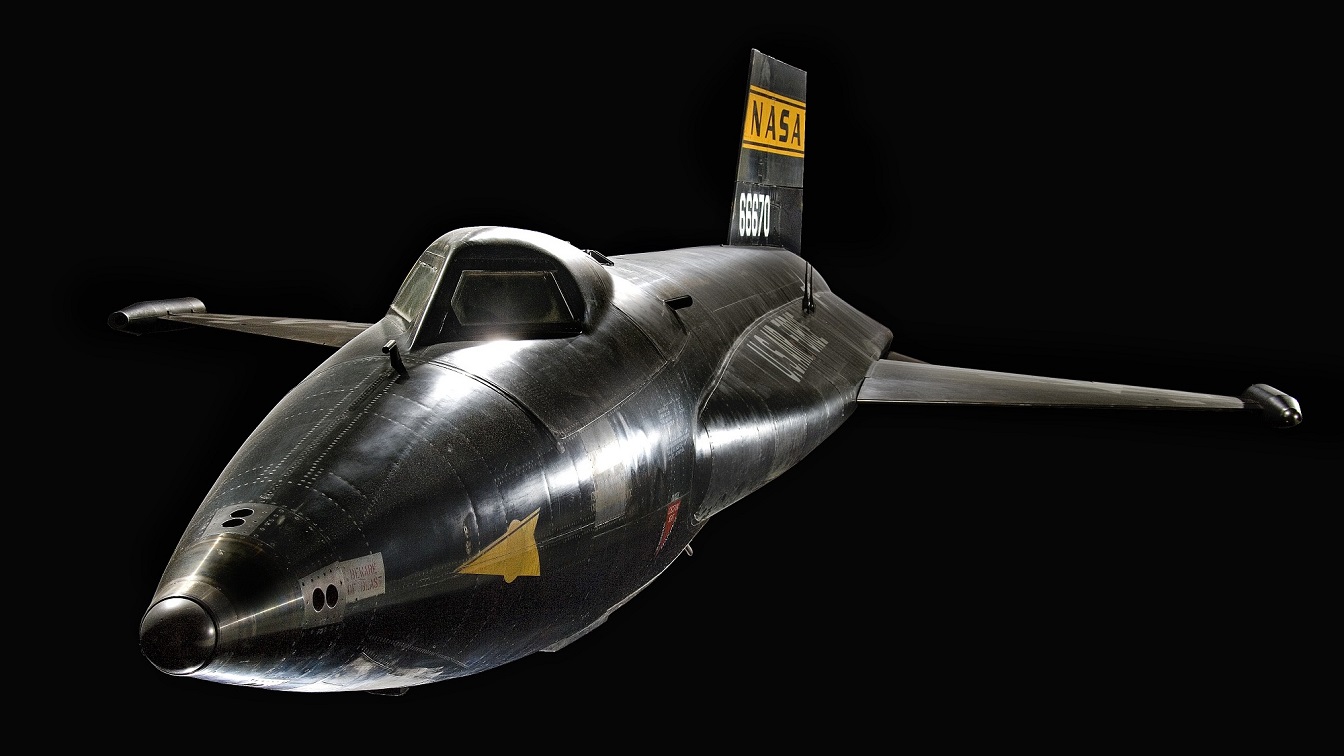
Three-quarter left front view of the North American X-15 (s/n 56-6670) at the Smithsonian National Air and Space Museum, July 10, 2007
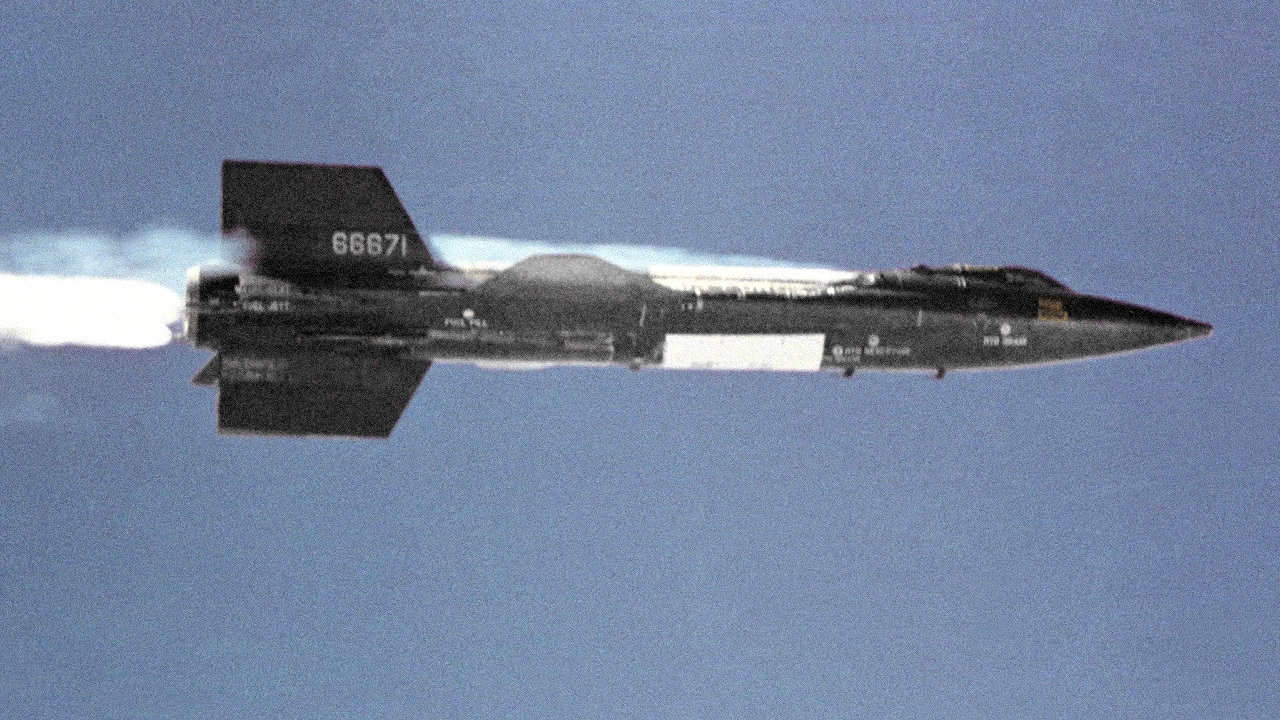
X-15. Image Credit: NASA.
Belenko Bio in Brief
Viktor Ivanovich Belenko was born on February 15, 1947 in the city of Nalchik.At some point in his early 20s, he earned a commission as a lieutenant in the Soviet Air Force. Lieutenant Belenko became a MiG fighter pilot, which made him as close to royalty as one could get in the ostensibly ultra-egalitarian Soviet society.
You Might Also Like
Cruise Ship Encounters Pirates - Watch What the Captain Does Next!Watch what happenedHappy in Shape
However, Viktor soon grew disillusioned with the rampant corruption, hypocrisy, and woeful inefficiency plaguing not just the air force but the Soviet Union as a whole. Soon enough, he started planning his defection. He would bring a huge prize along for his ride to exile.
MiG-25 Foxbat Flees to Freedom (Belenko Bursts the ‘Bat’s Bubble)
On September 9, 1976, Belenko made his bold move.While on a routine training mission out of Vladivostok, Viktor suddenly changed course and flew his Foxbat to Hakodate Airport in Hokkaido, Japan. Viktor was doubly-lucky; not only did he manage to avoid getting shot down by the Japan Air Self-Defense Force, he managed to touch down just before his plane would have run out of fuel. The MiG-25 was a gas-guzzler, and Belenko’s ‘Bat was practically running on fumes at time of touchdown.
This turned out to be a huge intelligence bonanza for the West, to say the least. Then-CIA Director and future U.S. President George Herbert Walker Bush was especially thrilled. Intelligence community staffers went though every nook & cranny and every nut & bolt of the bird, and in the process, they discovered that the previously feared Foxbat wasn’t all that it was cracked up to be. For all of its strengths, the MiG-25 also had some major weaknesses:=
-It could fly at extreme speeds, but in doing so it would risk damage to the airframe and engines.
-Its large size equated to a sizable radar cross-section that made it easy to track on radar.