Michael
VIP Member

@Pakistan Space Agency
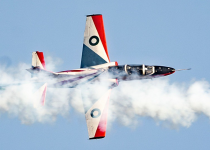
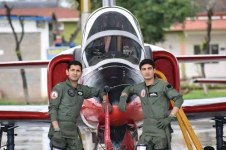
I will provide you with information about a special K-8 aircraft. This K-8 aircraft belongs to the China Flight Test Establishment and has undergone special modifications.
In 1979, China initiated the development of a single-axis variable-stability aircraft. However, the development process was not smooth. In 1984, the test aircraft experienced an unexpected incident during a test flight, causing a major setback in the development work, but the project was not abandoned.
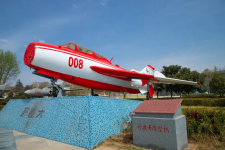
On April 22, 1989, the BW-1(008) variable-stability aircraft, based on the JJ-6 prototype, successfully completed its maiden flight.
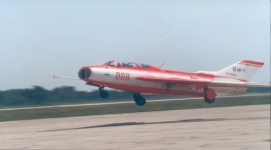
This experimental aircraft made outstanding contributions to the development and flight testing of the Chinese 3rd-generation (now referred to as 4th-generation) J-10 fighter jet.
Following the successful development of the BW-1 aircraft, the development of a three-axis variable stability aircraft was simultaneously initiated.
In 1991, the Integrated In-Flight Simulation Test Aircraft (IFSTA) project was officially launched. The IFSTA project used the K-8 trainer aircraft as its prototype platform, incorporating a variable stability system, a programmable multi-function display system, an automatic trim system, an airborne test system, and a variable feel system.
On June 25, 1997, the IFSTA(KBV-203) successfully completed its maiden flight. On September 11, 1998, the IFSTA completed all acceptance flight test procedures, with all functions and performance meeting the design specifications.
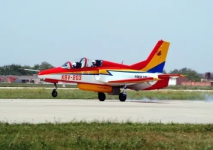
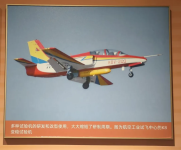
Currently, BW-1(008) has been retired and is stored at the flight test center; IFSTA(KBV-203) is still in service beyond its expected lifespan.
=========================================================
These specialized aircraft are essential testing tools in the design and development process of fighter jets. If Pakistan wants to develop its own fighter jets, it will first need to manufacture these test aircraft.
I will provide you with information about a special K-8 aircraft. This K-8 aircraft belongs to the China Flight Test Establishment and has undergone special modifications.
In 1979, China initiated the development of a single-axis variable-stability aircraft. However, the development process was not smooth. In 1984, the test aircraft experienced an unexpected incident during a test flight, causing a major setback in the development work, but the project was not abandoned.
On April 22, 1989, the BW-1(008) variable-stability aircraft, based on the JJ-6 prototype, successfully completed its maiden flight.
This experimental aircraft made outstanding contributions to the development and flight testing of the Chinese 3rd-generation (now referred to as 4th-generation) J-10 fighter jet.
Following the successful development of the BW-1 aircraft, the development of a three-axis variable stability aircraft was simultaneously initiated.
In 1991, the Integrated In-Flight Simulation Test Aircraft (IFSTA) project was officially launched. The IFSTA project used the K-8 trainer aircraft as its prototype platform, incorporating a variable stability system, a programmable multi-function display system, an automatic trim system, an airborne test system, and a variable feel system.
On June 25, 1997, the IFSTA(KBV-203) successfully completed its maiden flight. On September 11, 1998, the IFSTA completed all acceptance flight test procedures, with all functions and performance meeting the design specifications.
Currently, BW-1(008) has been retired and is stored at the flight test center; IFSTA(KBV-203) is still in service beyond its expected lifespan.
=========================================================
These specialized aircraft are essential testing tools in the design and development process of fighter jets. If Pakistan wants to develop its own fighter jets, it will first need to manufacture these test aircraft.