
Sultan Baybars
Registered Member

Lebanese Sunnis steal aid sent from Iran and boast about it
sad
Why the sectarianism?
Follow along with the video below to see how to install our site as a web app on your home screen.
Note: This feature may not be available in some browsers.
Lebanese Sunnis steal aid sent from Iran and boast about it
sad

I agree, it is very sad that these people steal aid just because it comes from shia IranWhy the sectarianism?

 www.bbc.com
the rockets were not launched by HezbollahIsrael strikes Lebanon after first rocket attack since ceasefire
View attachment 109400
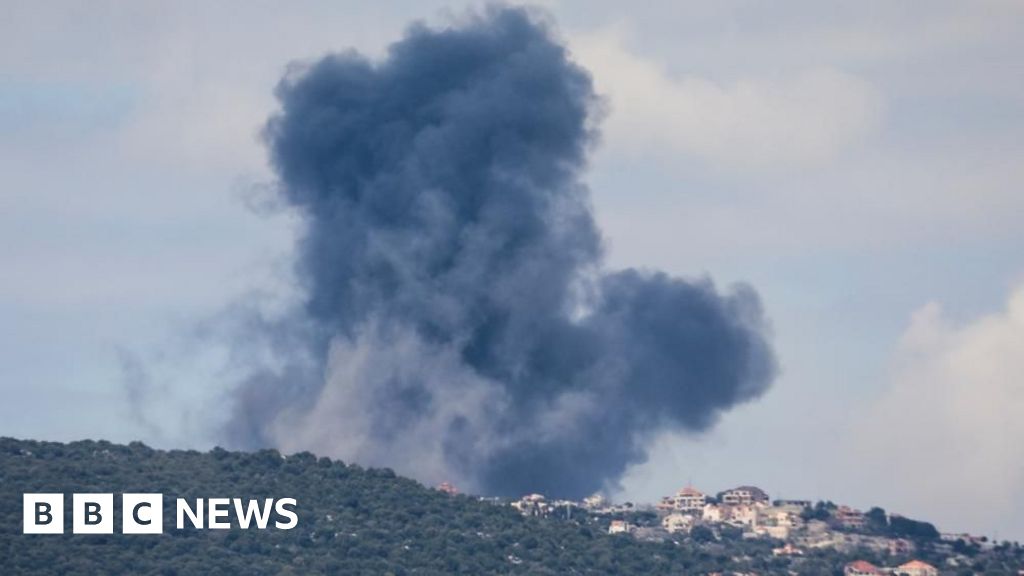
Israel says it has hit dozens of Hezbollah rocket launchers and a command centre in southern Lebanon after rockets were fired from there into Israel for the first time since November's ceasefire.
Prime Minister Benjamin Netanyahu said he had told the Israel Defense Forces "to act forcefully against dozens of terror targets".
Lebanon's health ministry said two people, including a child, were killed and eight injured in the strikes. Its prime minister warned against his country being dragged "into a new war".
Hezbollah, an armed group backed by Iran, said it had not carried out the rocket attack and remained committed to the deal which ended 14 months of fighting.
The UN peacekeeping force in Lebanon, Unifil, said it was "alarmed by the possible escalation of violence", urging both Israel and Lebanon to "uphold their commitments".
The IDF said three rockets were intercepted in the northern Israeli town of Metula in the morning. There were no injuries.
Hours later, the Lebanese army said it had conducted a search operation, discovering "three primitive rocket launchers" which it dismantled.
In a statement later on Saturday, Hezbollah denied any links to the rocket attack on Israel, and reaffirmed its commitment to the ceasefire deal.
The truce has been fragile. Israel has carried out nearly daily air strikes on what it describes as Hezbollah targets, and has indicated that attacks will continue to prevent the group from rearming.
In addition to that, the Israeli military is still occupying five locations in southern Lebanon, in what the Lebanese government says is a violation of the country's sovereignty and a breach of the ceasefire deal, which required the withdrawal of Israeli troops.
Israel says the Lebanese military has not yet fully deployed to those areas, and that it needs to remain at those points to guarantee the security of its border communities.
Saturday's rocket attack into Israel will put even more pressure on the Lebanese government, and probably be used as proof by Israel that the Lebanese army does not have full control of border areas.
Despite Israel's constant attacks, Hezbollah has not responded in kind. The group faces the huge challenge of providing financial help to its communities affected by the war, and pressure from its opponents to disarm.
Lebanon's President Joseph Aoun, who came to power in January, has said only the state should have arms in the country, in what is seen as a reference to Hezbollah's arsenal. Lebanon's international partners say they will only help the country if the government acts to curb Hezbollah's power.
Hezbollah launched its campaign the day after the Hamas attacks on southern Israel on 7 October 2023, saying it was acting in solidarity with Palestinians in the Gaza Strip.
The longstanding conflict escalated and led to an intense Israeli air campaign across Lebanon, the assassination of Hezbollah's senior leaders and a ground invasion of southern Lebanon.
The offensive killed about 4,000 people in Lebanon - including many civilians - and led to the displacement of more than 1.2 million residents from September to November 2024.
Israel's stated goal in its war against Hezbollah was to allow the return of about 60,000 residents who had been displaced from communities in the country's north because of the group's attacks, and to remove it from areas along the border.
Israel strikes Lebanon after first rocket attack since ceasefire
Lebanon's health ministry says seven people, including a child, were killed and 40 injured.

We all know Israel wants to destroy Hizbollah, overtake south Lebanon, kick all Lebanese out but even then they will not stop. They will use Lebanese army and HTS to corner Hizbollah.Someone should quickly authorize the Lebanese Forces to enter the kitchen and start making tea and baking biscuits.

Someone should quickly authorize the Lebanese Forces to enter the kitchen and start making tea and baking biscuits.
Lebanese army is not a factor at all, they are basically traitors to the country, unique situation.To be fair, everything Israel does is backed by the USN CSG in the Mediterranean. And it's also unfair to blame them while Turkey, GCC and nuclear Pakistan are cowering in fear and pretending to 'see no evil'.
Hezbollah is essentially withdrawing from the situation and deferring to the Lebanese state / army to deal with itLebanese army is not a factor at all, they are basically traitors to the country, unique situation.
You are aware the lebanese army will just deliver what jews want by them without any agency?Hezbollah is essentially withdrawing from the situation and deferring to the Lebanese state / army to deal with it
If the people realise the state / army is unwilling or unable to deal with it, then they will demand action, and only then Hezbollah will have refreshed its mandate to act

I wouldn't be surprised if Mossad-aligned takfiris or Christians did this, to blame the Shi'ites, and justify more Israeli bombing.the rockets were not launched by Hezbollah
Israel just took the opportunity to carpet bomb south lebanon even more
Kicking them out isn't the goal. Industrial-level genocide is. This is what they want to do to every population under their god-forsaken "Greater Israel" claims. Iran included, by the way- they want Khuzestan and think Iranians are Amalekites/spawn of Haman. Amalekites never existed, it's a symbolic term that they apply to anyone who resists them, that allows them to justify genocide.We all know Israel wants to destroy Hizbollah, overtake south Lebanon, kick all Lebanese out but even then they will not stop. They will use Lebanese army and HTS to corner Hizbollah.
slight majority of Lebanese people likely support the state and army, not HezbollahYou are aware the lebanese army will just deliver what jews want by them without any agency?
I do not see here any strategy only consequences of defeat.
Hezbollah should move into survival mode and as you suggested let the Lebanon army deal with intruders.slight majority of Lebanese people likely support the state and army, not Hezbollah
if those people don't have an issue with Israel's actions, Hezbollah is not in a position to act against their view at this time
until the sentiment shifts away from the state and army


