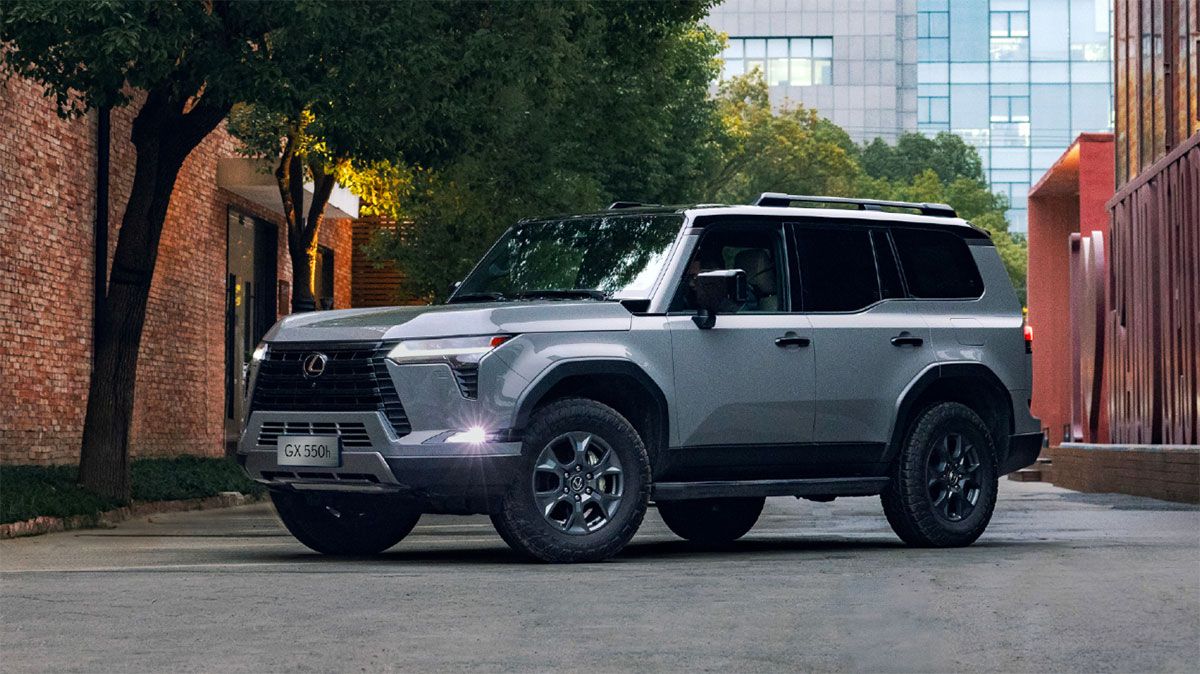
Lexus secures land for wholly-owned EV plant in Shanghai for $185 million

冖_冖

Registered Member
Joined
May 31, 2024
Messages
1,664
Reaction score
564
Reputation
510.2
Country of Origin
Country of Residence

Lexus secures land for wholly-owned EV plant in Shanghai for $185 million​

Apr 15, 2025, 12:13 PM GMT+8


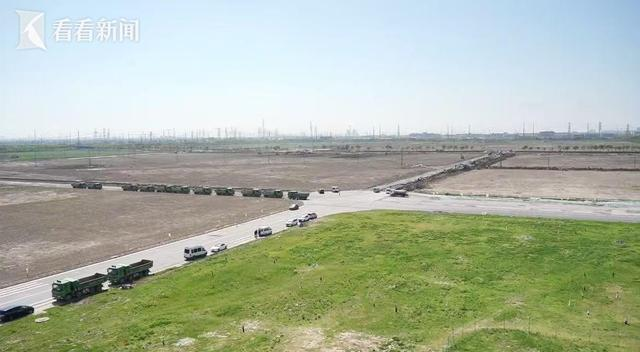
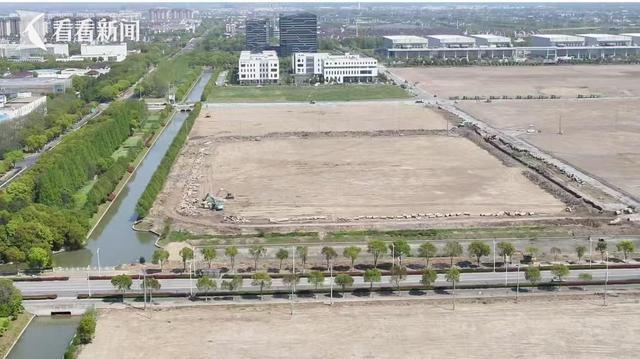
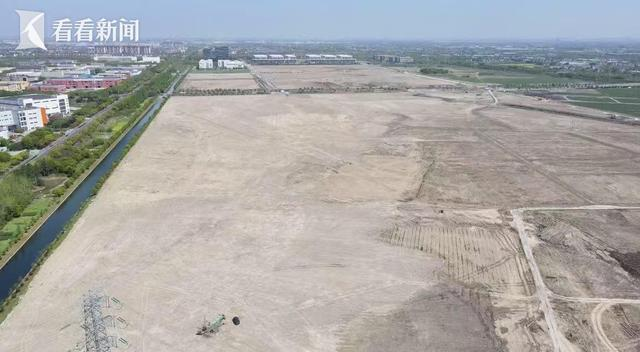
  • The land is located in Jinshan district in southwestern Shanghai and covers about 1.13 million square meters.
  • Lexus will become the second foreign automaker to have a wholly-owned auto plant in China.

Lexus, the premium brand of Japanese auto giant Toyota, has acquired a plot of land in Shanghai to prepare for the construction of its first wholly-owned electric vehicle (EV) plant in China.

Lexus paid RMB 1.353 billion yuan ($185 million) for an industrial land of about 1.13 million square meters in Jinshan district in southwestern Shanghai, according to an announcement by the Shanghai Public Resources Trading Center.

The land was sold on April 1 by the Shanghai Jinshan District Planning and Natural Resources Bureau, with a 50-year term of use, according to the announcement.

The land is allowed to be used for new energy vehicle (NEV) manufacturing, lithium-ion battery manufacturing, and other battery manufacturing.

Toyota announced on February 5 that it would build a wholly owned EV plant in Shanghai to produce Lexus models.

The first Lexus-branded battery electric vehicle (BEV) model was scheduled to go into production in 2027, according to the February statement.

The new company would have an initial capacity of about 100,000 units per year and will add about 1,000 new jobs in the early stages of production.

That means Lexus will become the second foreign auto brand after Tesla (NASDAQ: TSLA) to have a wholly-owned auto plant in China.

China relaxed restrictions in the pure electric vehicle sector in 2018, with foreign companies being allowed to operate as wholly-owned enterprises. Since 2022, China has further lifted foreign share ratio restrictions in passenger car manufacturing, allowing foreign-owned car companies to build wholly-owned factories.

Tesla's Shanghai factory -- located in the new Lingang district in eastern Shanghai -- started construction on January 7, 2019, and went into operation at the end of 2019, making it China's first wholly foreign-owned auto manufacturing project.

Toyota is the world's No. 1 automaker by sales, and China is its third-largest market after the US and Japan.
 
Source:
/
Last edited:

Toyota signs agreement with Shanghai: wholly-owned Lexus EV factory to begin production in 2027​


Apr 22, 2025 8:04 AM CEST

resizew_1024-e1745301630790-800x450.jpg


Toyota Motor Corporation and the Shanghai Municipal Government signed a strategic cooperation agreement on April 22, establishing a significant partnership to see the Japanese automotive giant develop new energy vehicles in China’s economic hub. The deal’s centrepiece is a wholly-owned Lexus electric vehicle factory to be built in Shanghai’s Jinshan District.


Photo credit: Kankan News

The agreement marks a pivotal moment for both Toyota and Shanghai. It represents the second major foreign automaker to establish a wholly-owned manufacturing facility in China after Tesla’s Shanghai Gigafactory and the first such venture by a Japanese automaker.


Photo credit: Kankan News

According to officials at the signing ceremony, Toyota will invest 14.6 billion yuan (2.02 billion USD) in the project, with an initial land acquisition of 1,692 mu (about 277 acres). The facility will integrate research and development, manufacturing, and sales functions, focusing on producing Lexus-branded electric vehicles and advanced battery technology.


Photo credit: Kankan News

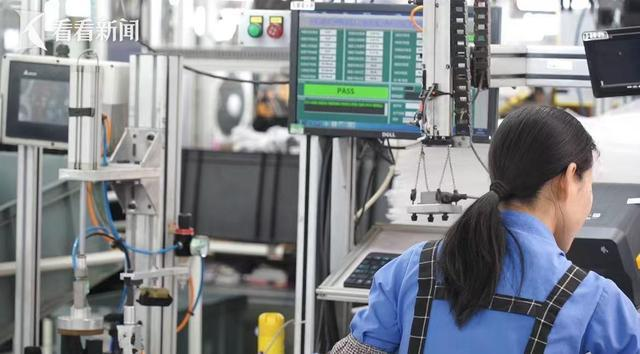
The localisation strategy appears extensive, with reports indicating that domestic component usage in the Lexus vehicles will exceed 95%, significantly reducing costs and potentially allowing price reductions of 15-20% compared to imported models.

Photo credit: Kankan News

This move represents a dramatic shift in Toyota’s China strategy, which has historically relied on joint ventures. The decision comes amid increasing competition in China’s electric vehicle market, where Toyota’s electric models account for less than 1% of its sales. Meanwhile, while maintaining its position as the top imported luxury brand with 18 million units sold in 2024, Lexus has seen a dramatic decline in its three-year value retention rate from 87.5% in 2021 to 59.35% last year.

For Shanghai, the Lexus project becomes its second globally influential new energy vehicle project after Tesla’s Gigafactory, further strengthening the city’s position as a global new energy vehicle industry cluster.

The agreement comes as Toyota aims to expand its global electric vehicle lineup to approximately 15 models by 2027, with a production target of about 1 million electric vehicles annually. The Chinese market is considered “absolutely core” to Toyota’s goal of selling 1 million pure electric cars globally by 2030.

As both Toyota and Lexus race to catch up with Chinese manufacturers and other international competitors in the electric vehicle space, the success of this project could determine Toyota’s future direction in the rapidly evolving automotive landscape.
 

Shanghai govt., Toyota sign agreements to officially launch Lexus EV & battery plant​


Toyota to build next-gen EV in China first, with gigacasting tech​

Toyota to Build Lexus EV in China, Breaking Japan-First Rule​

Next-Generation Electric SUV to Debut From New Shanghai Plant

Published 2026.08.28. 19:06:27

Toyota plans to produce and launch its latest electric vehicle equipped with advanced technology in China rather than in Japan for the first time, Japan's Nikkei reported on the 28th.

Toyota will begin production of a next-generation Lexus electric sport utility vehicle at a new plant in Shanghai in the fall of next year, according to the report. The model applies advanced technologies including giga casting, which consolidates multiple aluminum body parts into a single large component. Giga casting cuts body weight by up to 20%, extending driving range.

It is unusual for Toyota to launch a new model with advanced technology in China first, let alone produce it there. Toyota has until now developed and produced advanced vehicles in Japan before expanding to global markets, Nikkei said.
 

Users who are viewing this thread

Pakistan Defence Latest

Back
Top