Lloyd's removes Pakistan from war-risk maritime list

hydrabadi_arab

Trusted Member
Joined
Jul 31, 2015
Messages
7,032
Reaction score
13,683
Reputation
5,224.8
Country of Origin
Country of Residence
  • Decision to improve the competitiveness of Pakistani exports and strengthen the confidence of international shipping companies

In a major development for Pakistan’s maritime sector, the country and its territorial waters have been removed from the Listed Areas of Lloyd’s Market Association’s Joint War Committee (JWC), a move that will help reduce war-risk insurance premiums and shipping costs, Federal Minister for Maritime Affairs Muhammad Junaid Anwar Chaudhry said on Thursday.

The Joint War Committee Listed Areas are high-risk maritime zones designated by London marine insurers, specifically representing the Lloyd’s Market Association (LMA) and the International Underwriting Association (IUA).

Describing the development as a historic achievement, the minister, in a statement, said the decision would improve the competitiveness of Pakistani exports and strengthen the confidence of international shipping companies, traders and investors in the country.


He said the move could also make Karachi Port, Port Qasim and Gwadar more attractive to global shipping lines and investors, creating opportunities for regional trade, cargo transit and transhipment.

Chaudhry said the issue was taken up on March 13, 2026, when it was noted that Pakistan and its maritime areas had remained on the JWC’s Listed Areas for decades. Their inclusion had resulted in additional war-risk insurance premiums and surcharges for Pakistani shipping and trade, he said.

The prime minister subsequently constituted a special committee, headed by Junaid Chaudhry, to pursue the matter. The committee held negotiations with Lloyd’s officials and presented Pakistan’s case on the basis of technical evidence and factual data.

The minister said that sustained negotiations eventually resulted in Pakistan being removed from the list.

He said the decision would reduce the additional financial burden on the country’s maritime trade and help Pakistani exports compete more effectively in international markets.

Chaudhry said the development was an important step towards making Pakistan a major regional logistics, transit and transhipment hub.
 
Removing Pakistan from the Lloyd’s Joint War Committee (JWC) Listed Areas brings several major economic and strategic benefits to the country. By officially downgrading the risk level of Pakistan's waters, the international shipping industry has effectively removed a massive financial penalty that had been stifling the country's maritime trade for nearly 25 years.

Here is how this development directly helps Pakistan:

1. Drastically Lower Shipping Costs​

For decades, any commercial vessel entering Pakistani waters had to notify its underwriters and pay heavy "war-risk" insurance premiums. Shipping lines naturally passed these high costs down to businesses. The removal eliminates these mandatory surcharges, significantly lowering the overall freight costs for anyone doing business with Pakistan.

2. More Competitive Exports​

Because of the added insurance costs, Pakistani exporters historically faced higher freight rates than their competitors in safer regions. With shipping costs reduced, Pakistani goods—such as textiles, agricultural products, and manufactured items—become cheaper to transport. This makes them more aggressively priced and competitive in global markets.

3. Cheaper Imports and Inflation Relief​

Pakistan relies heavily on importing vital goods like petroleum, raw materials, industrial machinery, and food products. The elimination of war-risk premiums lowers the "landed cost" of these imports. Over time, cheaper supply chain costs can help ease domestic inflation and alleviate pressure on the country's foreign exchange reserves.

4. Increased Traffic for Major Ports​

Global shipping lines often limit their routes to high-risk zones to avoid the logistical headaches of securing extra insurance. With the risk label gone, Karachi Port, Port Qasim, and Gwadar Port will be treated as standard, unpenalized stops. This makes it much easier to attract major international shipping conglomerates and increase overall cargo volumes.

5. Unlocking Regional Transhipment Goals​

Pakistan has long envisioned itself as a premier logistics hub connecting the Middle East, South Asia, and landlocked Central Asian countries (a key goal of the China-Pakistan Economic Corridor). A safer maritime rating removes a critical barrier to this vision, encouraging international companies to confidently use Pakistani ports for "transhipment" (the unloading and transferring of cargo between vessels).

6. Boosted Global Image and Investor Confidence​

Being on a "war-risk" list inherently deters foreign investment. Being formally removed from it serves as a powerful endorsement of Pakistan’s improved maritime security and geopolitical stability. This improved country-risk profile can attract greater Foreign Direct Investment (FDI) not just in maritime infrastructure, but across the broader economy.
 
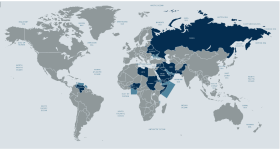
A historic day for Pakistan maritime trade. List of countries on this list before today.

1785413473377.png


"The elimination of container surcharges and hull premiums for vessels generates direct annual savings of between $600 million and over $1.1 billion in freight and insurance costs. Simultaneously, the improved competitiveness of key sectors such as textiles and agriculture, along with the expansion of transshipment and regional transit port services, has the potential to generate an additional $2 billion to $3 billion annually in export revenues."
 
Last edited:
It is a positive step, but a lot of it was already priced in. Each insurer dynamically reassess risk premium. Pakistan's risk premium would have been cheaper than Iran before today and would be more expensive than NZ even after today. So, the incremental impact may be overstated. In any event, good show by those who worked to make this possible.
 
It is a positive step, but a lot of it was already priced in. Each insurer dynamically reassess risk premium. Pakistan's risk premium would have been cheaper than Iran before today and would be more expensive than NZ even after today. So, the incremental impact may be overstated. In any event, good show by those who worked to make this possible.

This is big deal getting out of the list after 25 years and it will save money. You need to see positive side of things despite being in youthful phase of the life.
 
Pakistan manages to achieve durable peace for 2 years its economy will start flying, 8% growth YOY for the forseeable easy. There's a lot of catching up to do.
 

Users who are viewing this thread

Country Watch Latest

Back
Top