MNZGamerX
Registered Member

Former Bengal CM alleges Amit Shah asked her to withhold details linked to Bangladeshi political activist Sharif Osman Hadi's murder as Dhaka and New Delhi seek to steady ties
Faisal Mahmud Published 04.06.26

Mamata Banerjee’s allegation that home minister Amit Shah had asked her to suppress information related to a high-profile murder in Bangladesh has thrust one of the country’s most sensitive political cases back into the spotlight and created an uncomfortable moment for India-Bangladesh relations at a time when both sides are attempting to rebuild trust.
The former Bengal chief minister claimed this week that Shah had instructed her not to disclose the identities of individuals linked to the murder of Bangladeshi political activist Sharif Osman Hadi, a case that continues to carry enormous political weight in Bangladesh.
Mamata’s remarks, made at a political event in Calcutta, immediately drew attention because they appeared to suggest that Indian authorities possessed information about suspects connected to a murder that became one of the defining political events in Bangladesh over the past year.
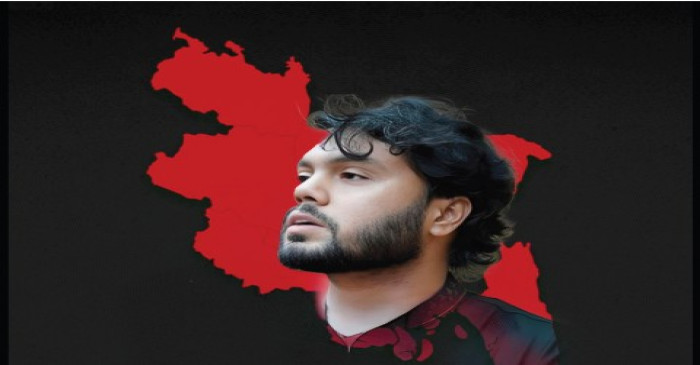
Hadi, spokesperson of Inqilab Moncho, emerged as one of the most recognisable figures of Bangladesh’s post-uprising political landscape. His killing in December 2025 triggered widespread public outrage, protests and demands for accountability.
The political fallout was so significant that commentators began referring to the phenomenon as the “Hadi effect” — a wave of public sentiment that reshaped political discourse and influenced electoral calculations across the country.
The importance of Mamata’s comments lies less in the allegation itself than in the questions it raises. If her claim is accurate, it would suggest that Indian authorities had access to information relating to suspects in one of Bangladesh’s most politically consequential murder cases.
If untrue, it risks further politicising an issue that remains deeply sensitive in Bangladesh.
Neither Shah nor India’s central government has publicly responded to the allegation. Mamata, however, has framed the issue as an attempt to suppress information, telling supporters that she had been discouraged from revealing details connected to the case.
The remarks have resonated in Bangladesh because the Hadi murder remains politically charged months after the killing. For many supporters, Hadi became a symbol of political resistance and national assertion during a period of profound political change.
His death generated intense public emotion, and the subsequent investigation became a test of the state’s ability to deliver justice in a case watched closely by both domestic and international observers.
The controversy comes at a delicate diplomatic moment. Relations between Dhaka and New Delhi have been undergoing a period of recalibration following political changes in Bangladesh and shifting regional dynamics.
Officials on both sides have emphasised the importance of restoring confidence, strengthening economic cooperation and maintaining security coordination.
Against that backdrop, Mamata’s comments introduce an issue that neither government is likely to welcome. Any suggestion that Indian political actors possessed information about the Hadi case risks fueling speculation in Bangladesh and providing fresh ammunition to groups that have long viewed India’s role in Bangladeshi affairs with suspicion.
Dhaka has so far sought to prevent the issue from escalating. State minister for foreign affairs Shama Obaed dismissed the significance of comments made by foreign political figures and said Bangladesh does not formulate policy based on statements from politicians outside the country.
She stressed that bilateral relations are conducted through official government channels and indicated that Dhaka was not attaching importance to Mamata’s remarks. The renewed attention also intersects with political developments in Bengal.
Mamata is operating in a significantly altered political environment after losing power following three consecutive terms in office. Since her defeat, she has repeatedly alleged electoral manipulation and accused the BJP of undermining democratic processes. The BJP has rejected those allegations.
The controversy also emerges as migration and border politics assume greater significance in Bengal. Immigration from Bangladesh has long been a contentious issue in state politics, but the debate has intensified following the election.
Questions surrounding citizenship, border security, voter rolls and demographic change have become central themes in the political discourse. As a result, developments in Bangladesh increasingly carry domestic political implications in Bengal. Issues that might once have remained confined to bilateral diplomacy now quickly become part of wider debates about security and identity politics.
The immediate diplomatic impact may be limited, particularly given Dhaka’s effort to downplay the issue. But the episode illustrates how quickly unresolved political controversies can cross borders in South Asia.
A statement delivered at a political gathering in Calcutta has revived debate around one of Bangladesh’s most consequential murder cases and injected a new element of uncertainty into a relationship that both governments are seeking to place on a steadier footing.
Whether Mamata’s allegation produces further disclosures, official responses or fresh scrutiny of the Hadi investigation remains to be seen. For now, it has succeeded in bringing the case back into the regional spotlight and reminding policymakers in both capitals that domestic political battles can carry consequences far beyond national borders.
Faisal Mahmud Published 04.06.26
Mamata Banerjee’s allegation that home minister Amit Shah had asked her to suppress information related to a high-profile murder in Bangladesh has thrust one of the country’s most sensitive political cases back into the spotlight and created an uncomfortable moment for India-Bangladesh relations at a time when both sides are attempting to rebuild trust.
The former Bengal chief minister claimed this week that Shah had instructed her not to disclose the identities of individuals linked to the murder of Bangladeshi political activist Sharif Osman Hadi, a case that continues to carry enormous political weight in Bangladesh.
Mamata’s remarks, made at a political event in Calcutta, immediately drew attention because they appeared to suggest that Indian authorities possessed information about suspects connected to a murder that became one of the defining political events in Bangladesh over the past year.
Hadi, spokesperson of Inqilab Moncho, emerged as one of the most recognisable figures of Bangladesh’s post-uprising political landscape. His killing in December 2025 triggered widespread public outrage, protests and demands for accountability.
The political fallout was so significant that commentators began referring to the phenomenon as the “Hadi effect” — a wave of public sentiment that reshaped political discourse and influenced electoral calculations across the country.
The importance of Mamata’s comments lies less in the allegation itself than in the questions it raises. If her claim is accurate, it would suggest that Indian authorities had access to information relating to suspects in one of Bangladesh’s most politically consequential murder cases.
If untrue, it risks further politicising an issue that remains deeply sensitive in Bangladesh.
Neither Shah nor India’s central government has publicly responded to the allegation. Mamata, however, has framed the issue as an attempt to suppress information, telling supporters that she had been discouraged from revealing details connected to the case.
The remarks have resonated in Bangladesh because the Hadi murder remains politically charged months after the killing. For many supporters, Hadi became a symbol of political resistance and national assertion during a period of profound political change.
His death generated intense public emotion, and the subsequent investigation became a test of the state’s ability to deliver justice in a case watched closely by both domestic and international observers.
The controversy comes at a delicate diplomatic moment. Relations between Dhaka and New Delhi have been undergoing a period of recalibration following political changes in Bangladesh and shifting regional dynamics.
Officials on both sides have emphasised the importance of restoring confidence, strengthening economic cooperation and maintaining security coordination.
Against that backdrop, Mamata’s comments introduce an issue that neither government is likely to welcome. Any suggestion that Indian political actors possessed information about the Hadi case risks fueling speculation in Bangladesh and providing fresh ammunition to groups that have long viewed India’s role in Bangladeshi affairs with suspicion.
Dhaka has so far sought to prevent the issue from escalating. State minister for foreign affairs Shama Obaed dismissed the significance of comments made by foreign political figures and said Bangladesh does not formulate policy based on statements from politicians outside the country.
She stressed that bilateral relations are conducted through official government channels and indicated that Dhaka was not attaching importance to Mamata’s remarks. The renewed attention also intersects with political developments in Bengal.
Mamata is operating in a significantly altered political environment after losing power following three consecutive terms in office. Since her defeat, she has repeatedly alleged electoral manipulation and accused the BJP of undermining democratic processes. The BJP has rejected those allegations.
The controversy also emerges as migration and border politics assume greater significance in Bengal. Immigration from Bangladesh has long been a contentious issue in state politics, but the debate has intensified following the election.
Questions surrounding citizenship, border security, voter rolls and demographic change have become central themes in the political discourse. As a result, developments in Bangladesh increasingly carry domestic political implications in Bengal. Issues that might once have remained confined to bilateral diplomacy now quickly become part of wider debates about security and identity politics.
The immediate diplomatic impact may be limited, particularly given Dhaka’s effort to downplay the issue. But the episode illustrates how quickly unresolved political controversies can cross borders in South Asia.
A statement delivered at a political gathering in Calcutta has revived debate around one of Bangladesh’s most consequential murder cases and injected a new element of uncertainty into a relationship that both governments are seeking to place on a steadier footing.
Whether Mamata’s allegation produces further disclosures, official responses or fresh scrutiny of the Hadi investigation remains to be seen. For now, it has succeeded in bringing the case back into the regional spotlight and reminding policymakers in both capitals that domestic political battles can carry consequences far beyond national borders.