
Feroze
SpeedLimited


More than 23,000 Syrian children killed by Assad regime since 2011: Syrian rights group
Short Url
More than 23,000 Syrian children killed by Assad regime since 2011: Syrian rights group
More than 23,000 Syrian children killed by Assad regime since 2011: Syrian rights group
 arab.news
SANA
November 20, 202619:31
Follow
- World Children’s Day highlights legacy of abuses against Syrian children
- Thousands of children remain missing despite fall of former regime, SNHR says
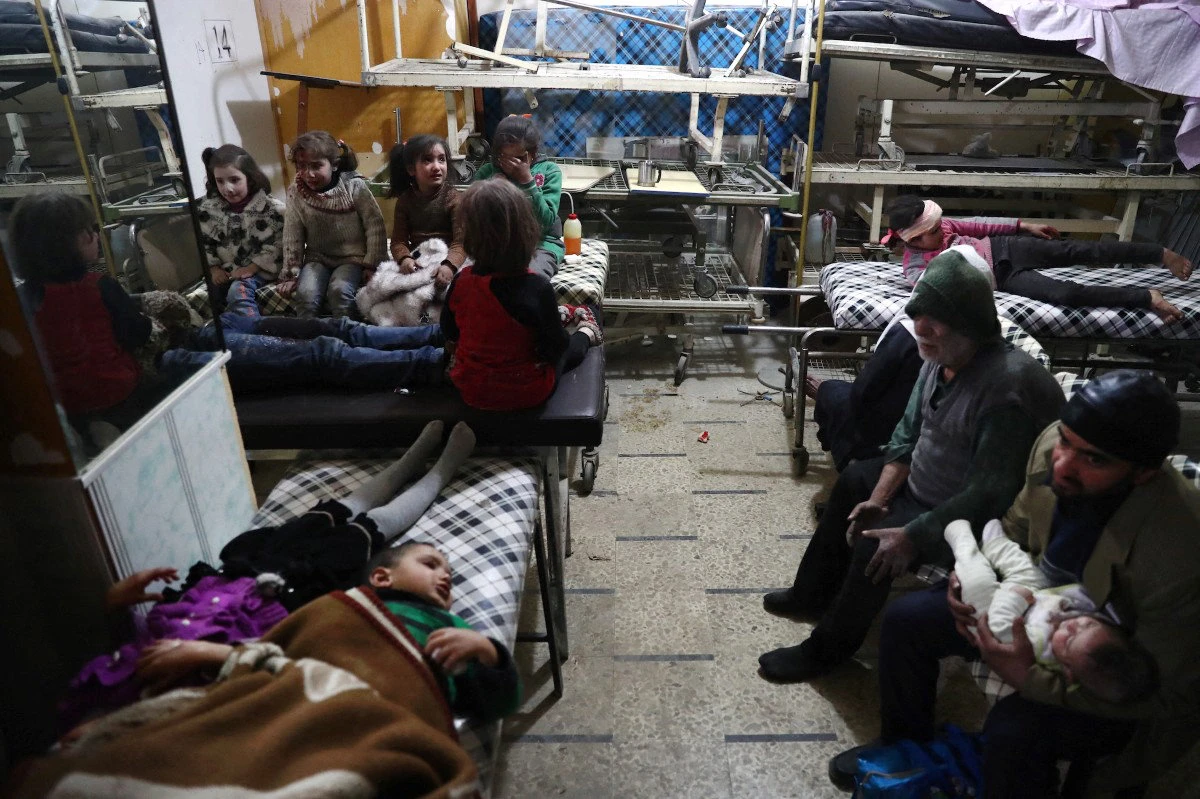
Marking World Children’s Day on Nov. 20, experts stressed the importance of protecting children’s rights in conflict zones, addressing the legacy of systematic abuses suffered by Syrian children, and guaranteeing their rights to life, safety, education, healthcare, and legal identity in line with international conventions.
More than 23,000 children killed, 3,736 disappeared
Speaking to SANA, Syrian Network for Human Rights (SNHR) Executive Director Fadel Abdul Ghany said Syrian children were among the civilian groups most heavily affected by systematic violations committed by the ousted regime since March 2011. He stressed the need to move from documentation to independent criminal investigations and victim compensation.
Abdul Ghany said SNHR has documented the extrajudicial killing of 23,146 children by the ousted regime’s forces, in addition to 222 children who died under torture in detention centers, noting that these figures represent the minimum number of verified cases.
According to updated figures released by SNHR on Friday, the ousted regime’s security agencies arrested and forcibly disappeared 3,736 children who remain unaccounted for. Abdul Ghany noted that enforced disappearance remains an ongoing crime as long as the fate or whereabouts of the victims are unknown, prolonging the suffering of their families.
The network also documented about 1,287 attacks on schools and kindergartens and at least 566 attacks on medical facilities since March 2011.
“These attacks destroyed hundreds of educational and healthcare institutions and deprived an entire generation of safe education and medical care,” Abdul Ghany said.
Legal identity challenges
Abdul Ghany said SNHR documented cases in which children were transferred by regime institutions to state care facilities without proper legal procedures, underscoring the need for independent investigations to establish their identities and reconnect them with relatives.
He added that the disappearance of parents and loss of civil records have created significant challenges in proving lineage and registering births. While the loss of documents does not automatically result in statelessness, it creates serious obstacles to accessing basic rights.
Abdul Ghany stressed that human rights databases built on testimonies, documents, and visual evidence are vital not only for documenting violations but also for identifying perpetrators and reconstructing crimes. Their value has increased with access to seized security, military, judicial, and civil archives of the former regime, which may help uncover the fate of missing children and identify those responsible for their detention.
He said priority should be given to safeguarding these archives, facilitating access to detention records, and strengthening cooperation among Syrian judicial authorities, the International, Impartial and Independent Mechanism (IIIM), and human rights organizations. Such efforts, he added, should support comprehensive reparation programs that include physical and psychological rehabilitation, restoration of civil documents, educational reintegration, and financial compensation.
War crimes and accountability
For her part, Rihada Abdoush, a member of the Freedoms and Human Rights Committee at the Central Bar Association, said the systematic violations committed against Syrian children amount to serious breaches of international human rights and humanitarian law and may constitute war crimes and crimes against humanity.
She emphasized that such crimes are not subject to statutes of limitations under international law and require parallel accountability efforts through Syrian courts and international legal mechanisms.
“These practices violate the 1989 Convention on the Rights of the Child and its Optional Protocols, as well as the four Geneva Conventions of 1949, which provide special protection for children and prohibit attacks on civilian sites, particularly schools,” Abdoush said.
She added that enforced disappearance is legally considered a continuing crime whose limitation period does not begin until the victim’s fate is established.
Abdoush noted that Syrian legislation also criminalizes such offenses, including Child Rights Law No. 21 of 2021, which prohibits the recruitment of children in armed conflict and obliges authorities to protect children from trafficking and treat trafficked children as victims in need of rehabilitation.
She added that the Syrian Penal Code, Legislative Decree No. 3 of 2010 on Combating Human Trafficking, and Law No. 30 of 2003 on Organ Transplantation impose severe penalties on those involved in trafficking children or human organs.
According to Abdoush, legal responsibility extends beyond individuals to associations, organizations, orphanages, and care institutions that failed to meet their legal and ethical obligations. She said prosecutions before Syrian courts, complemented by cases pursued abroad under universal jurisdiction, can help establish both individual and command responsibility using official archives as key evidence.
Abdoush called for aligning national legislation with international standards and adopting urgent legal and administrative measures to cancel records that erased children’s identities or deprived them of lineage and official documentation, thereby safeguarding victims’ rights to truth, justice, and reparation.
Observed annually on Nov. 20 since its establishment in 1954 and supported by UNICEF, World Children’s Day promotes international solidarity, raises awareness of children’s rights, and advances child welfare worldwide.
More than 23,000 Syrian children killed by Assad regime since 2011: Syrian rights group
More than 23,000 Syrian children killed by Assad regime since 2011: Syrian rights group
www.arabnews.com


