Navigation
Install the app
How to install the app on iOS
Follow along with the video below to see how to install our site as a web app on your home screen.
Note: This feature may not be available in some browsers.
More options
Style variation
You are using an out of date browser. It may not display this or other websites correctly.
You should upgrade or use an alternative browser.
You should upgrade or use an alternative browser.
Muhammad Ali Jinnah - The Great Leader
- Thread starter ghazi52
- Start date
More options
Who Replied?

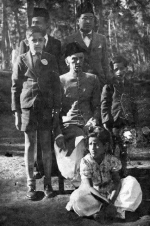
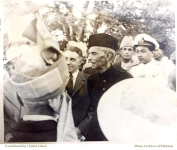
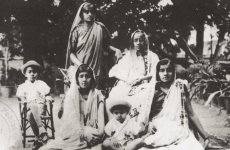

ghazi52
THINK TANK: CONSULTANT
- Thread starter
- #94
Honouring Jinnah’s legacy on diversity
Shahmeer Asif
December 21, 2024

Illustration by Gazein Khan
It’s the last month of the year. The chill in the air, combined with the festive vibe, feels magical. The happiness on the faces of youngsters and adults alike, is something only this month seems to bring.
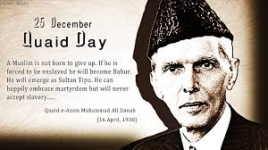
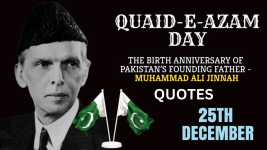
Why is that? Well, the holidays, along with the anticipation of the New Year, certainly play a part. But there’s more. Two significant events also make December special: December 25th holds dual importance for Pakistanis as it marks the birthday of Quaid-i-Azam Muhammad Ali Jinnah and the globally celebrated festival of Christmas.
On this day, we honour the legacy of the founder of the nation, while the Christian community celebrates the birth of Jesus Christ, Prophet Issa (AS), a symbol of peace, love and hope. This meaningful coincidence delivers a strong message of coexistence, diversity and the shared values that unites us as a nation.
I have witnessed December 25th in a way that I believe few of you might know. I’ve experienced the celebration and the joy of togetherness in both ways — our way and the way Christians do. This is because my best friend is a Christian, he is also my neighbour, and I’ve witnessed their festivities first-hand. We also share our celebrations together. Perhaps it is because of him that I cherish the birth of the father of the nation even more. Let me tell you why.
The feeling that this country is a gift we have after the great struggles and sacrifices of our forefathers, and, of course, the visionary leadership of Jinnah, fills me with immense joy and contentment. How could one be so selfless, to take actions that have given us a free land? A land where we enjoy everything without the suppression of any regime, where we can live according to our beliefs, and where I can roam freely with my friend from another religion. He is my brother, and I am his. We share happiness and togetherness. This is a blessing that most of us don’t fully realise, but I do. I feel that it is because of Jinnah that my friend and I can live this way, peacefully, without any boundaries separating us.
As a neighbour, I witness the festive decorations in Christian homes very closely. When Christmas is around the corner, the houses are filled with the aroma of cakes and cookies, and yummy traditional desserts; while the Christmas tree is decorated with little garlands, stars, fairy light and what not to make it look even more fascinating. And when it’s the morning of December 25th, all the members go to attend the Christmas service at the church.
The churches are also full of festivity and joy; their decoration just makes my heart skip a beat. Everywhere there are wreaths and garlands, the smell of fresh roses, and other flowers fill the air, the warm glow of candles at the chapel and platform just look mesmerising. The atmosphere is made even more special as everyone sings hymns and prays for peace and happiness for all. Then the pastor speaks about the importance of love and kindness, reminding everyone that these values are at the heart of Christmas.
Just like we after offering prayers on Eidul Fitr, and then gather at home to celebrate with our family, Christian families, also, after the services at church, celebrate the day at their homes, with their family members and friends. Like most festive gatherings, on this day, grievances are forgotten, as the occasion promotes love, care, harmony and togetherness. The tables are filled with delicious sweet and savoury dishes, including the traditional Christmas food items. This is also when the grandparents and the elderly share stories from their times, stories that teach everyone valuable lessons.
While the Christmas celebrations are in full swing, it reminds me of another great event, yes, Quaid-i-Azam Muhammad Ali Jinnah’s birthday, which also falls on the same day.
He’s rightly called the “father of the nation,” as he worked tirelessly to create Pakistan, a place where people of all religions could live freely. From the very beginning in our academic journeys, we have been taught that Jinnah believed in unity and equal rights for everyone. His speeches convey what a selfless, humble and sincere man he was!

Illustration by Gazein Khan
I know that for many kids, this might feel boring and typical of every year. But it is important to remind yourself of all the brave leaders, historical figures, and pivotal moments that made it possible for us to live in Pakistan. They may not seem significant to you, but by reminding yourself time and again of how it all happened, you will surely come to realise how important it is to preserve and protect this land.
And for this, I watch programmes on TV showing footage of Jinnah’s life. The stories about his struggles, his speeches and how he envisioned Pakistan as a land for everyone, regardless of their religion or background, make me respect this land even more. I watch with my family, feeling grateful for his leadership and for the sacrifices he made to give us this nation.
But you know what? My best friend never forgets me. He invites me to his home, where we share sweets and desserts, cherishing our friendship as we sit by the Christmas tree, admiring the twinkling lights. This is the moment when I reflect on what this friendship means to me and to him. If it weren’t for Jinnah’s dream, perhaps we wouldn’t be able to sit together like this.
My friend often tells me, “To me, December 25th isn’t just about Christmas. It’s a reminder of how special this country that we are living is, a place where my family can celebrate our traditions and honour the leader who made it all possible. It’s two celebrations in one heart — a heart filled with faith, gratitude and hope.”
I feel so proud of our friendship and our nation.
ssmate from a different faith, respect them and their beliefs. Make them feel valued and secure, knowing that they, too, have the right to live freely and celebrate their faith. After all, our religion teaches peace, harmony and respect for others. It is up to us to embody these values, show kindness and care for the minorities around us.
As Pakistan faces challenges related to religious intolerance and polarisation, the significance of December 25th grows even more profound. The day is a powerful reminder of the values that Pakistan was founded upon.
We, being in the majority, are responsible to guide and protect the minorities who are an integral part of this land, because it is their land too! We must ensure their safety and well-being, care for their needs and offer our support. We should also celebrate their happiness and stand by them in their moments of joy and grief. Granting minorities equal rights to celebrate their traditions, culture and religion is not just a privilege, but their rightful due.
A hopeful future
Hey, kids, don’t you think the coexistence of Quaid-i-Azam Day and Christmas on the same date serves as a beacon of hope for Pakistanis? Yes, it does, it reminds us that we have the potential to rise above divisions and live in harmony. This December 25th, let us celebrate not just the birth of a leader or the birth of a prophet, but also the birth of a timeless lesson: that diversity is a gift, and unity is its greatest expression.
Published in Dawn, Young World, December 21st, 2024
ghazi52
THINK TANK: CONSULTANT
- Thread starter
- #95
Jinnah’s vision of religious freedom
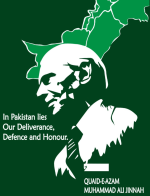
Jinnah dreamt of a country where people of all religions could live harmoniously. In his famous speech on August 11, 1947, he emphasised the need for religious freedom:
“You are free; you are free to go to your temples, you are free to go to your mosques or to any other place of worship in this State of Pakistan. You may belong to any religion, caste or creed — that has nothing to do with the business of the State.”
These words highlight the commitment of the Quaid to create a nation where diversity is celebrated rather than suppressed. He believed that religion should not interfere with matters of governance or equality, and ensured that every citizen — Muslim, Christian, Hindu or otherwise — felt a sense of belonging and security.
If you have a friend or cla
Jinnah dreamt of a country where people of all religions could live harmoniously. In his famous speech on August 11, 1947, he emphasised the need for religious freedom:
“You are free; you are free to go to your temples, you are free to go to your mosques or to any other place of worship in this State of Pakistan. You may belong to any religion, caste or creed — that has nothing to do with the business of the State.”
These words highlight the commitment of the Quaid to create a nation where diversity is celebrated rather than suppressed. He believed that religion should not interfere with matters of governance or equality, and ensured that every citizen — Muslim, Christian, Hindu or otherwise — felt a sense of belonging and security.
If you have a friend or cla
ghazi52
THINK TANK: CONSULTANT
- Thread starter
- #99
Armed forces pay tribute to Quaid-e-Azam on his birth anniversary: ISPR
Forces also extend Christmas greetings to Christians, expressing solidarity with their Christian brothers and sisters
News DeskDecember 25, 2024
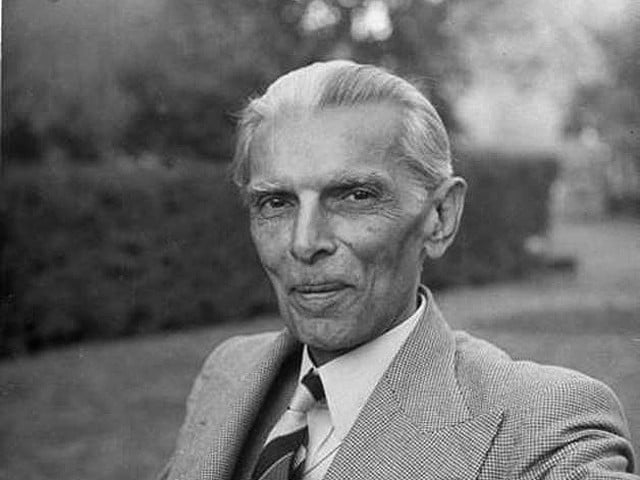
On the occasion of the birth anniversary of Quaid-e-Azam Muhammad Ali Jinnah, the Chairman Joint Chiefs of Staff Committee, the Service Chiefs, and Pakistan's armed forces paid a heartfelt tribute to the founder of the nation.
In a message issued by the Inter-Services Public Relations (ISPR), Pakistan's military expressed admiration for the enduring vision and exemplary leadership of Quaid-e-Azam.
The statement highlighted his tireless efforts that united the nation and laid the foundation for a sovereign and independent Pakistan.
The announcement further stressed the military's unwavering commitment to the founding principles of the nation—Unity, Faith, and Discipline—declaring these values as an enduring guiding light for the country.
On this national day, the armed forces renewed their dedication to these principles, which continue to inspire the nation.
Additionally, the armed forces extended warm Christmas greetings to the Christian community, expressing solidarity with their Christian brothers and sisters. The military celebrated the universal values of love, compassion, and peace that are central to the occasion.
The statement concluded by reiterating the armed forces' commitment to upholding the principles of protection, justice, and harmony while remaining steadfast in their service to the nation and its people.
ghazi52
THINK TANK: CONSULTANT
- Thread starter
- #100
What Jinnah thought of civil liberties and the right to a fair trial
The Quaid was clearer about the rule of law in 1918 than many that took oath under his portrait in 2024.Asad Rahim Khan
December 25, 2024
It’s a fickle thing, the public memory — in what it chooses to remember, and what it wishes to forget. It’s worse still on days like these, where everyone invokes the founder’s name and cites his message without actually understanding it, or what he stood for. After all, the act of forgetting is a statement of its own.
Because Muhammad Ali Jinnah is a problem for today’s Pakistan. He’s too liberal for the right, too nationalist for the left, too civilian for the generals, and too much of a merit hire for the dynasts. Wouldn’t it be best, then, to leave the gent on a pedestal that’s too high to reach?
But if the founder remains confined to portraits and postage stamps, it’s come with a cost: our now perma-crisis is the logical outcome of shirking his ideas for years. It’s also why a core aspect of his life has been suppressed so well: Jinnah as parliamentarian.
The Quaid ranked among the greatest lawmakers of his generation; in a land that increasingly sees the law as a force for coercion, that fact has faded from view. But reading Jinnah in today’s Pakistan — amid the 26th amendment as well as military trials of civilians — is no less than instructive.
For our purposes, we’ll revisit one of the earliest and most powerful speeches of his career: on the right to fair trial and due process in 1919. As the chaos of the first World War died down, India hoped for its liberties to be restored. What it got was the opposite: the all-out repression of the Rowlatt Act — emergency trials and arrests without cause.
In making their case, the British raged about low conviction rates in ordinary courts, how it was impossible to cope with agitations ‘under the normal law’, and how the protesters’ aim was to promote an uprising against the government.
The forces of anarchy were allowed ‘unrestricted license to prosecute their designs’, said crusty Home Member Sir William Vincent.
Up against such colonisers was Jinnah in the Imperial Legislative Council at Delhi. As India convulsed with protests, Jinnah said on September 23, 1918, “Surely it cannot be said that all of a sudden these men became regular criminals. The cause is this, my Lord, that there is discontent; there is dissatisfaction; there is unrest. Might I say, my Lord, that it is partly, if not wholly, due to your policy.”
Yes, India was aflame with riots, but the problem was born of an unfeeling regime and lack of representation — and the Rowlatt Bill “was a wrong remedy for the disease”.
Said the Quaid, “Instead of giving the powers to the executive, I would rather that the power was given to the judiciary, and I would rather even that these offences be tried in a summary way by judicial tribunals, because in my opinion, it is a lesser evil than the executive.”
ghazi52
THINK TANK: CONSULTANT
- Thread starter
- #101
A stark warning
Well over a century ago, Jinnah was against displacing the judges for the state. More the pity that our members so recently saw fit to pass the horror show of the 26th amendment — the Quaid was clearer about the rule of law in 1918 than many that took oath under his portrait in 2024.Which brings us to his main address on February 6, 1919 — what editors Malik Mohammad Jafar and I A Rehman would call one of the most glorious chapters of his long career.
“My Lord, to any man who believes in law and justice, these measures seem abhorrent and shocking … my first ground [for opposition] is this, that it is against the fundamental principles of law and justice, namely, that no man should lose his liberty or be deprived of his liberty without a judicial trial in accordance with the accepted rules of evidence and procedure.”
A forensic takedown followed: “… My third ground is that the powers which are going to be assumed by the executive, which means substitution of executive for judiciary, such powers are likely to be abused … Fourth … there is no precedent or parallel that I know of, in any other civilised country, where you have laws of this character enacted.”
And to what end? “… You may be able to get hold of more real offenders but … at the cost of many other innocent men who will be persecuted and who will have no chance, no opportunity, of a proper trial.”
Ultimately, if such a brutal law were passed, “you will create in this country, from one end to the other, a discontent and agitation, the like of which you have not witnessed, and it will have, believe me, a most disastrous effect upon the good relations that existed between the government and the people.”
Jinnah came to the crux: “I am a firm believer that no man’s liberty should be taken away for a single minute without a proper judicial inquiry.”
To be clear, this wasn’t some soapbox speech. When his warnings went unheeded, and Lord Chelmsford, India’s governor-general, pushed the emergency bill through, Jinnah stayed true to himself — he resigned from parliament as soon as the vote was announced in March 1919.
He would write to Chelmsford, “The constitutional rights of the people have been violated at a time when there is no real danger to the state, by an overfretful and incompetent bureaucracy which is neither responsible to the people nor in touch with real public opinion.”
Jinnah continued, “I can be of no use to my people in the Council, nor consistently with one’s self-respect is cooperation possible with such a government … a government that passes or sanctions such a law in times of peace forfeits its claim to be called a civilised government.”
ghazi52
THINK TANK: CONSULTANT
- Thread starter
- #102
Applying the Quaid’s principles today
All this would be helpful to reflect on today: the founder’s views on liberty, on judicial trials as a right, on not replacing judges with the executive, on civil unrest as a political problem. Not least, he underscored his words with action — quitting a parliament that passed ugly bills via non-representatives (the Indian members were unanimously opposed to the Rowlatt Act).Interestingly enough, Mr Jinnah’s 1919 speech would be revived almost a hundred years later in 2015 — in District Bar Association, Rawalpindi vs Federation, the Supreme Court would allow military courts to try terrorists.
In the minority were two future chief justices, Jawwad S Khawaja and Qazi Faez Isa. Siding with Justice Khawaja’s dissent (“… I am in complete agreement with his opinion“), Justice Isa cited Jinnah’s 1919 address to hold, “The Constitution does not permit trials of civilians by the military as it would contravene fundamental rights …”
But when military trials of civilians returned in 2023, it would be the retired Justice Jawwad S Khawaja, who fulfilled the spirit of the Quaid’s speech — challenging the trials before the Supreme Court. By contrast, when the same case was fixed, Justice Isa, still serving, stormed off the bench and refused to hear the matter.
As it turns out, Pakistan’s founding ideals have to be fought for every single day. Or, as the Quaid summed up back then, “My Lord, it is no use shirking the issue, it is no use hedging round the whole of this question.”
For a brief moment in time, the Supreme Court’s five-member bench had answered that question with courage — striking down the very provision that allowed for civilians to be court-martialed.
Not that this lasted: the judgment has since been suspended in appeal. Yet whatever the new ‘constitutional bench’ may decide, one fact is imperishable: the original verdict remains true to the Quaid’s address. May he be heard more often.

Hussain
Trusted Member
Hussain
Trusted Member
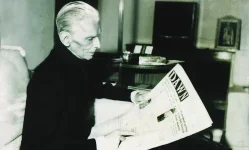
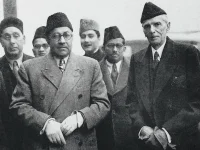
On December 25, 1947, Quaid-i-Azam Mohammad Ali Jinnah agreed to be photographed reading Dawn – the newspaper he had founded. The headline on the front page of Dawn that day read: ‘71 today’. The trace of a whimsical smile on Mr Jinnah’s lips is unmistakable as he is seen glancing at the newspaper.

Special report: The Legacy of Mr Jinnah 1876-1948
The Pakistan that emerged in 1947 was a mere shadow of what Jinnah had wanted.
www.dawn.com
Users who are viewing this thread
Total: 2 (members: 0, guests: 2)
Pakistan Defence Latest


Country Watch Latest
-

-
-
 B-21 manufacturing ramping as operational capability expected in 2027 (4 Viewers)
- Latest: F-22Raptor
-
-

Latest Posts
-
-
Makkah Defence Alliance: Turkey, Saudi Arabia, and Pakistan, news & updates (17 Viewers)
- Latest: mythbuster
-
-
-
B-21 manufacturing ramping as operational capability expected in 2027 (4 Viewers)
- Latest: F-22Raptor