Oil, Gas and Refinery Sectors - updates

Pakistan secures fuel shipments for March and April as Government moves to stabilise supply

By Staff Reporter | Profit
Mar 25, 2026

Pakistan’s petroleum supply chain remains stable despite ongoing turmoil in global energy markets, with authorities confirming that fuel inventories are at comfortable levels and import arrangements are firmly in place to sustain nationwide availability.

During a high-level review meeting chaired by Finance Minister Muhammad Aurangzeb, the government’s Committee to Monitor Petrol Prices assessed the country’s fuel supply outlook and logistical readiness amid continuing geopolitical tensions in the Middle East.

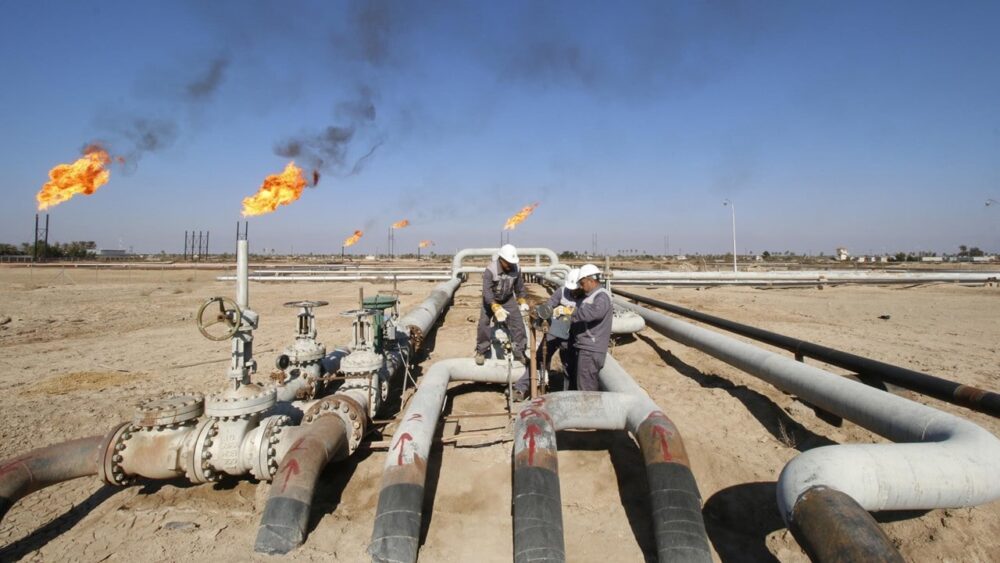
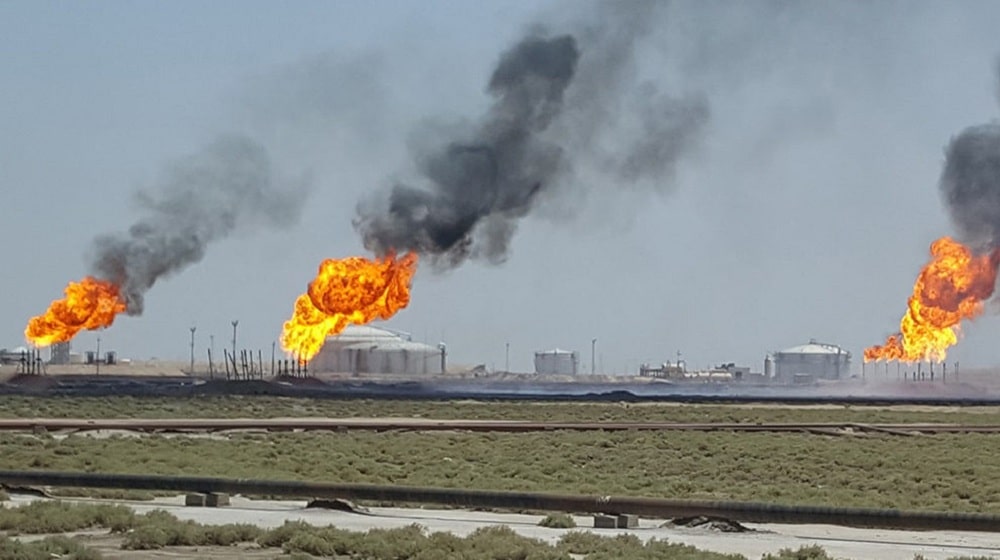
Officials reported that refineries are operating at normal production capacity, while distribution networks from import terminals to storage facilities and retail outlets are functioning smoothly.

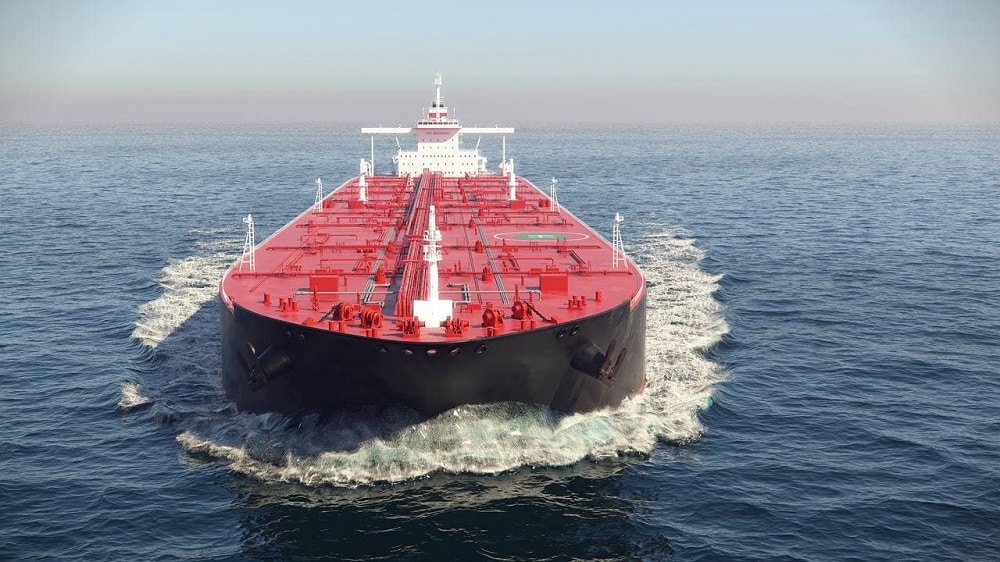
Participants were briefed that petrol cargoes for March and April have largely been secured, with additional shipments scheduled to further strengthen supply buffers. The update reflects ongoing efforts to maintain operational readiness across the energy value chain, including crude procurement, refining, storage and distribution.
 

Editorial:

Targeted fuel relief is not just a technical solution but a test of fair governance and social responsibility

Targeted relief

Editorial
March 27, 2026

THE latest proposal to introduce a mobile app-based fuel quota system, targeting subsidies for low-income users of two- and three-wheelers, is a positive attempt by the government to protect the poor against surging oil prices. It promises efficiency through digital vouchers, real-time quota tracking and automated validation at petrol pumps.

Fuel subsidies, if indiscriminate, largely benefit those who consume the most — usually higher-income households. Low- and middle-income citizens, reliant on two- and three-wheelers, receive little benefit. This strains the national exchequer and weakens social equity. With volatile global oil prices, unfocused relief risks becoming a costly populist gesture rather than meaningful support for the needy.

Targeted relief through mobile apps can ensure that subsidies reach those who truly need them. By linking fuel entitlements to verified income brackets, the government can shield the poor from price shocks without subsidising the affluent.

This approach also signals that state resources are allocated on the basis of need rather than privilege. Moreover, the principle of targeting is critical for fiscal discipline. Every rupee spent inefficiently on subsidies is a rupee that cannot fund essential services such as healthcare and education. In times of economic stress, ensuring that public money serves the maximum social good is both prudent and a state obligation.
 
While uncertainty in global energy markets deepens over the ongoing stalemate between the US and Iran, the benchmark crude and petroleum rates continue to fluctuate daily in response to speculation on diplomacy.

These swings, however, are largely superficial; the underlying supply risks remain acute as attacks on oil infrastructure in the Gulf and Strait of Hormuz’s closure have forced key producers to cut output.

Domestic policy cannot escape this global shock. The cost of maintaining fuel subsidies — whether through direct government outlays, provincial participation or indirect costs passed on to consumers — is immense.

Already, some Rs70bn has been spent in just two weeks to keep petrol and diesel rates unchanged, necessitating a Rs100bn cut in the development budget.

Earlier austerity directives, including reductions in discretionary spending and energy conservation, were meant to create fiscal space. But the current surge in global prices shows that the burden of energy shocks ultimately falls on public finances and, indirectly, the consumers.

As Pakistan navigates global energy volatility and domestic economic challenges, targeted fuel relief is not just a technical solution but also a test of fair governance and social responsibility.

Policymakers must resist populist pressure to offer indiscriminate subsidies, and instead, take steps that protect the poor, promote equity and preserve the state’s ability to meet broader developmental needs. Only by ensuring that relief reaches those who deserve it can we maintain both fiscal stability and social justice in these times.
 
Better invest in EV adoption to reduce oil imports and use surplus electricity.

Wow!! so you think that people will adopt EVs overnight and overnight an entire infrastructure will be set up to support them.

It's a waste of my time arguing with you then
 

LPG prices skyrocket

Aamir Shafaat Khan
March 28, 2026

1774695742764.png

The average price of 11.67kg LPG cylinder has risen to Rs3,900-5,135.—PPI/file

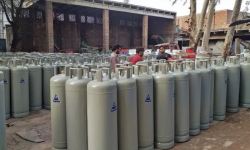
KARACHI: The national average price of liquefied petroleum gas (LPG) has increased to Rs3,900-5,135 per 11.67 kg cylinder from Rs3,150-3,968 ahead of the Middle East war.

According to data from the Sensitive Price Index (SPI) for the week ending March 26, the largest increases were observed across various cities in Punjab.

The increase in gas prices has already led to higher fares for LPG-run private transport, further adding hardships for low- and middle-income groups who mainly travel in LPG-driven rickshaws, buses, and minibuses.

As the US-Israel war has caused a price hike in LPG in the world market — the arrival of gas from Iran, which used to range between 10,000-12,000 tonnes a day, has also slowed down due to Eid and Nauroz holidays.

Convenor of the Standing Committee on LPG of the Federation of Pakistan Chambers of Commerce and Industry M. Ali Haider, stated that three vessels carrying approximately 20,000 imported LPG had arrived in Pakistan during March.

“The country has 13-14 days of LPG stocks and hopefully the arrival of gas from Iranian borders will improve after holidays, which may stabilise demand and supply,’ he said.

According to data from the Pakistan Bureau of Statistics (PBS), the import bill of LPG during 8MFY26 fell by four per cent to $696 million from $725 million in the same period last fiscal year.
 
To view this content we will need your consent to set third party cookies.
For more detailed information, see our cookies page.
 
To view this content we will need your consent to set third party cookies.
For more detailed information, see our cookies page.
 

Users who are viewing this thread

Pakistan Defence Latest

Back
Top