Navigation
Install the app
How to install the app on iOS
Follow along with the video below to see how to install our site as a web app on your home screen.
Note: This feature may not be available in some browsers.
More options
Style variation
You are using an out of date browser. It may not display this or other websites correctly.
You should upgrade or use an alternative browser.
You should upgrade or use an alternative browser.
Oil, Gas and Refinery Sectors - updates
- Thread starter ghazi52
- Start date
More options
Who Replied?


ghazi52
THINK TANK: CONSULTANT
- Thread starter
- #362
OGDC has set a target to increase oil production from the well to 25,000 barrels per day by 2028, while gas output is projected to reach 60 million standard cubic feet per day. The company also aims to scale up LPG production to 200 metric tonnes per day by the same year.
Calling the development an important milestone for the country’s energy security, Minister of State for Petroleum Ali Pervaiz Malik said the project would help save $329 million annually in foreign exchange.
“Discoveries will increase domestic reserves and reduce dependence on imported fuel,” he said, adding that the find would also help ease the energy crisis.
Calling the development an important milestone for the country’s energy security, Minister of State for Petroleum Ali Pervaiz Malik said the project would help save $329 million annually in foreign exchange.
“Discoveries will increase domestic reserves and reduce dependence on imported fuel,” he said, adding that the find would also help ease the energy crisis.

Fatman17
THINK TANK: CONSULTANT
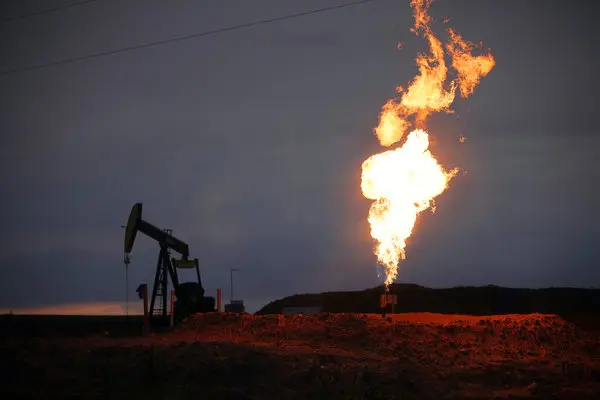
Pakistan’s biggest-ever well starts production as OGDC targets 25,000 BPD output - Profit by Pakistan Today
Kohat discovery yields 15,005 bpd oil and 45.36 MMscfd gas, with projections for higher output and $329 million annual import savings
 share.google
Pakistan’s biggest ever well starts production
Fatman17
THINK TANK: CONSULTANT
The Oil and Gas Development Company Limited (OGDCL) has achieved a historic milestone by launching commercial production from the Baragzai X-01 (Slant) well, which is now the highest-producing single well in Pakistan's history. Located in the Nashpa Block of the Kohat district in Khyber Pakhtunkhwa, this "Mega Well" provides a major boost to the country's energy security.
Key Production Metrics
The well's current and projected output from its five distinct hydrocarbon-bearing formations is as follows:
Economic and Strategic Value
The discovery, has significant financial implications for the national economy:
Key Production Metrics
The well's current and projected output from its five distinct hydrocarbon-bearing formations is as follows:
- Current Cumulative Production: Approximately 15,000 barrels of oil per day (BPD) and 45 million standard cubic feet per day (MMSCFD) of gas.
- Latest Injection (April 2026): Added 5,300 BPD of oil, 17 MMSCFD of gas, and 15 metric tons per day (MTD) of LPG.
- Future Targets: Production is expected to reach 25,000 BPD and 60 MMSCFD of gas in the near term.
- National Impact: This single well now contributes roughly 10% of Pakistan’s total crude oil production.
Economic and Strategic Value
The discovery, has significant financial implications for the national economy:
- Annual Revenue: Estimated to generate approximately Rs 57 billion (around $200 million) annually.
- Daily Revenue: Currently stands at roughly Rs 156 million.
- Foreign Exchange Savings: Expected to save Pakistan approximately $329 million per year by reducing the need for imported fuels.
- Technical Achievement: The well was developed in challenging terrain using advanced technologies, including a record-time construction of an 8-kilometer pipeline.
ghazi52
THINK TANK: CONSULTANT
- Thread starter
- #365
SINGAPORE/ISLAMABAD: Pakistani-flagged tanker Shalamar has exited the Gulf via the Strait of Hormuz carrying crude loaded from the United Arab Emirates, shipping data from Kpler and LSEG showed.
The Aframax tanker exited the waterway on Thursday laden with about 440,000 barrels of Abu Dhabi’s Das Blend crude loaded earlier this week, Kpler data showed.
The vessel is heading to the port of Karachi to discharge its cargo on April 19, according to the data.
The vessel is heading to the port of Karachi to discharge its cargo on April 19, according to the data.
The Shalamar was one of two Pakistani tankers that entered the strait on Sunday to load crude and oil products.
Pakistan’s petroleum minister said on Wednesday that the Shalamar loaded crude from the UAE at an ADNOC terminal. Pakistan National Shipping, which manages the Shalamar, did not immediately respond to a request for comment.
Traffic in the strait slowed this week due to the US blockade.
The Aframax tanker exited the waterway on Thursday laden with about 440,000 barrels of Abu Dhabi’s Das Blend crude loaded earlier this week, Kpler data showed.
The vessel is heading to the port of Karachi to discharge its cargo on April 19, according to the data.
The vessel is heading to the port of Karachi to discharge its cargo on April 19, according to the data.
The Shalamar was one of two Pakistani tankers that entered the strait on Sunday to load crude and oil products.
Pakistan’s petroleum minister said on Wednesday that the Shalamar loaded crude from the UAE at an ADNOC terminal. Pakistan National Shipping, which manages the Shalamar, did not immediately respond to a request for comment.
Traffic in the strait slowed this week due to the US blockade.
ghazi52
THINK TANK: CONSULTANT
- Thread starter
- #366
Govt mops up Rs180b via petroleum levy in 6 weeks
Imported fuel drives bulk of levy revenueIrshad Ansari
April 18, 2026
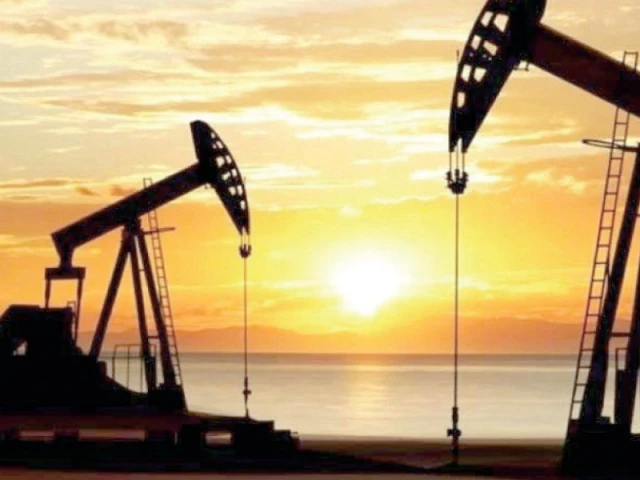
The meeting concluded with a mutual resolve to continue close collaboration between the Ministry of Petroleum and OGDC to overcome challenges and capitalise on opportunities within the energy sector.
ISLAMABAD: The federal government has collected more than Rs180 billion from the public under the Petroleum Development Levy (PDL) over the past one and a half months, amid heightened regional tensions, it has been revealed.
According to sources in the Ministry of Finance, the collection of the levy on petroleum products in Pakistan has increased extraordinarily.
They said that during the recent escalation and conflict between the United States and Iran, the government collected over Rs180 billion in the PDL from consumers within approximately six weeks.
Data further shows that from July of the current fiscal year to mid-April, a total of Rs1,234 billion has been collected under the petroleum levy. This represents an increase of around Rs400 billion compared to the same period last fiscal year, marking a significant fiscal jump in the country's history.
ghazi52
THINK TANK: CONSULTANT
- Thread starter
- #367
Month-wise figures show that Rs157 billion was collected in July, followed by Rs103.46 billion in August. In September, collections stood at Rs112.85 billion, while October saw Rs143.48 billion collected.
In November, the levy collection reached Rs148.36 billion, while December recorded the highest monthly collection of the fiscal year at Rs162.46 billion.
In the subsequent months, Rs108.76 billion was collected in January, Rs120.39 billion in February, and Rs139.48 billion in March. During the first 15 days of April alone, Rs38 billion has already been collected.
Sources said a major portion of the government's revenue came from imported petroleum products. From July to mid-April, more than Rs598 billion in levy was collected on imported petrol and diesel. Rs635.19 billion in the PDL was collected on products derived from crude oil between July and March.
In November, the levy collection reached Rs148.36 billion, while December recorded the highest monthly collection of the fiscal year at Rs162.46 billion.
In the subsequent months, Rs108.76 billion was collected in January, Rs120.39 billion in February, and Rs139.48 billion in March. During the first 15 days of April alone, Rs38 billion has already been collected.
Sources said a major portion of the government's revenue came from imported petroleum products. From July to mid-April, more than Rs598 billion in levy was collected on imported petrol and diesel. Rs635.19 billion in the PDL was collected on products derived from crude oil between July and March.
ghazi52
THINK TANK: CONSULTANT
- Thread starter
- #368
Pakistan in discussion with Qatar for supply of LNG cargoes amid electricity shortfall
Khaleeq KianiApril 19, 2026
ISLAMABAD: Pakistan and Qatar are in an advanced stage of discussions for the supply of at least four cargoes of liquefied natural gas (LNG), which could pass through the Strait of Hormuz, sources told Dawn on Sunday.
They also said that after facing criticism over loadshedding even before the start of summer, the Power Division had already placed an order to the Petroleum Division for arranging around 400 million cubic feet per day (mmcfd) of liquefied natural gas (LNG) for power generation.
LNG imports to Pakistan were disrupted early last month after the closure of the Strait of Hormuz amid a war in the Middle East, which began with US-Israel attacks on Iran. In retaliatory action, Iran targeted fuel installations in some of the Gulf countries that had US assets and bases.
ghazi52
THINK TANK: CONSULTANT
- Thread starter
- #369
Qatar’s LNG cargos had earlier also returned from the Hormuz chokepoint.
And while there is no official confirmation of the exact number, sources said at least 25-30 loaded cargoes of Qatar petroleum are believed to be stranded between the processing stations and Hormuz at present.
Pakistan had requested Qatar, at the highest level, to provide at least four of those to it, for which it would also utilise its renewed diplomatic capital, if so required, sources said. The technical teams of the two sides had been engaged on this matter.
Meanwhile, Prime Minister Shehbaz Sharif also concluded this week a tri-nation tour, during which he also visited Qatar as part of diplomatic efforts for de-escalation between the US and Iran.
And while there is no official confirmation of the exact number, sources said at least 25-30 loaded cargoes of Qatar petroleum are believed to be stranded between the processing stations and Hormuz at present.
Pakistan had requested Qatar, at the highest level, to provide at least four of those to it, for which it would also utilise its renewed diplomatic capital, if so required, sources said. The technical teams of the two sides had been engaged on this matter.
Meanwhile, Prime Minister Shehbaz Sharif also concluded this week a tri-nation tour, during which he also visited Qatar as part of diplomatic efforts for de-escalation between the US and Iran.
ghazi52
THINK TANK: CONSULTANT
- Thread starter
- #370
A senior government official at the Petroleum Division told Dawn that while there was a possibility of smooth operations of international fuel supply routes, particularly through the Strait of Hormuz, the Power Division had placed an order of more than 400mmcfd of LNG to meet electricity demand both in the service areas of K-Electric and distribution companies (Discos).
These sources said the electricity shortfall would keep on increasing as temperatures would rise in the days ahead, and it would be next to impossible to stabilise the national grid without electricity generation from major power plants, particularly those running on LNG in Punjab that had a total generation capacity of around 6000 megawatts.
These sources said the electricity shortfall would keep on increasing as temperatures would rise in the days ahead, and it would be next to impossible to stabilise the national grid without electricity generation from major power plants, particularly those running on LNG in Punjab that had a total generation capacity of around 6000 megawatts.
ghazi52
THINK TANK: CONSULTANT
- Thread starter
- #371
The utilisation of high-speed diesel (HSD) and even furnace oil at current market prices could significantly raise fuel costs. In that case, even one or two cargos from the open spot market could be economically viable in the greater power mix, the sources said.
“With the onset of the summer season, electricity demand has started to rise significantly across the country. In this regard, the availability of regasified liquefied natural gas (RLNG) remains critical for ensuring optimal power generation and maintaining system stability”, the Power Division wrote to the Petroleum Division in a letter seen by Dawn.
It highlighted that any shortfall in RLNG supply would necessitate increased reliance on expensive alternative fuels such as HSD. “This would not only result in a substantial increase in the overall cost of generation but would also lead to prolonged hours of load management, thereby increasing the fuel cost adjustment (FCA) burden on end consumers”, the Power Division explained, the source said.
“With the onset of the summer season, electricity demand has started to rise significantly across the country. In this regard, the availability of regasified liquefied natural gas (RLNG) remains critical for ensuring optimal power generation and maintaining system stability”, the Power Division wrote to the Petroleum Division in a letter seen by Dawn.
It highlighted that any shortfall in RLNG supply would necessitate increased reliance on expensive alternative fuels such as HSD. “This would not only result in a substantial increase in the overall cost of generation but would also lead to prolonged hours of load management, thereby increasing the fuel cost adjustment (FCA) burden on end consumers”, the Power Division explained, the source said.
ghazi52
THINK TANK: CONSULTANT
- Thread starter
- #372
All four mega LNG plants of the federal and Punjab governments and the medium-sized Nandipur plant can use HSD as an alternate fuel as the generation price difference when HSD is used is normally more than Rs25 per unit, which is estimated to be higher at present, given volatile oil pricing changing on a weekly basis. These plants are also required for system stability for the evacuation of surplus power from the southern part of the country.
In order to ensure smooth system operations and to avoid the aforementioned impacts, the Power Division has also provided a detailed weekly forecast of RLNG requirements – segregated for solar and non-solar hours, along with average demand — prepared for the National Grid Company (NGC) system.
“K-Electric has also conveyed its RLNG requirement for the KE system”, the Power Division said, formally requesting the Petroleum Division to manage and allocate the Qatar contracted RLNG cargoes in a manner that ensured the availability of RLNG in line with the demand plan for both NGC and KE systems, thereby supporting uninterrupted and cost-effective power generation.
In order to ensure smooth system operations and to avoid the aforementioned impacts, the Power Division has also provided a detailed weekly forecast of RLNG requirements – segregated for solar and non-solar hours, along with average demand — prepared for the National Grid Company (NGC) system.
“K-Electric has also conveyed its RLNG requirement for the KE system”, the Power Division said, formally requesting the Petroleum Division to manage and allocate the Qatar contracted RLNG cargoes in a manner that ensured the availability of RLNG in line with the demand plan for both NGC and KE systems, thereby supporting uninterrupted and cost-effective power generation.
ghazi52
THINK TANK: CONSULTANT
- Thread starter
- #373
Attock refinery operations normalise as transport links restored
Intervention and support by Petroleum Minister Ali Pervaiz Malik and the General Headquarters restored road transport, the refinery’s management confirmed
ghazi52
THINK TANK: CONSULTANT
- Thread starter
- #374
Pakistan LNG seeks three spot cargoes in first tender since December 2023
Energy minister says Pakistan is not sure when it will get more cargoes from QatarReuters
April 23, 2026
Pakistan LNG Limited has issued its first spot tender for liquefied natural gas (LNG) since December 2023 amid supply shortfalls triggered by the US-Israeli war with Iran.
The company is seeking bids from international suppliers for three LNG cargoes of around 140,000 cubic metres each for delivery on April 27-30, and on May 1-7 and 8-14 at Port Qasim in Karachi, according to an advertisement on Thursday for the tender that closes on April 24.
Energy Minister Awais Leghari told Reuters the LNG tender was aimed at meeting rising power demand and to cut reliance on costlier diesel and furnace oil.
Pakistan is not sure when it will get more cargoes from Qatar, Leghari said.
The tender also follows power shortages that triggered widespread outages last week, as a drop in hydropower and disruptions to LNG supplies exposed gaps in fuel availability amid rising demand.
ghazi52
THINK TANK: CONSULTANT
- Thread starter
- #375
Pakistan has not received any LNG cargoes loaded after the Middle East war began on February 28 and Iran shut off almost all shipping through the Strait of Hormuz, which connects the Gulf to the Indian Ocean.
Qatar depends on access through the strait to move its energy output. It supplied the bulk of the 6.64 million metric tonnes of LNG Pakistan imported last year, according to Kpler data.
Azerbaijan's state energy company SOCAR said on Tuesday it is ready to supply LNG to Pakistan as soon as it receives a request from Islamabad. A framework agreement signed in 2025 between SOCAR Trading and Pakistan LNG allows the South Asian buyer to buy cargoes under an accelerated procedure.
Qatar depends on access through the strait to move its energy output. It supplied the bulk of the 6.64 million metric tonnes of LNG Pakistan imported last year, according to Kpler data.
Azerbaijan's state energy company SOCAR said on Tuesday it is ready to supply LNG to Pakistan as soon as it receives a request from Islamabad. A framework agreement signed in 2025 between SOCAR Trading and Pakistan LNG allows the South Asian buyer to buy cargoes under an accelerated procedure.
Users who are viewing this thread
Total: 1 (members: 0, guests: 1)


