ghazi52
THINK TANK: CONSULTANT


- Thread starter
- #361
By Heba Moeen
March 09, 2025
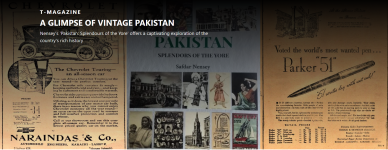
KARACHI: .For every collector, reminiscing about a bygone era is like travelling through time. Safdar Nensey’s coffee-table book, Pakistan: Splendours of The Yore, captures that sentiment from the very beginning with its thought-provoking foreword, which reads as follows. “Pakistan is a fractured nation. Collecting is a way of putting it back together again.” This is how the foreword reads.
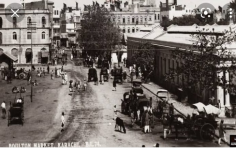
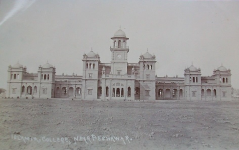
The book captures his collection of vintage advertisements, postcards, trade cards, maps, coins, matchboxes, stereographs, and ancient metal craft. The book also showcases advertisements published as far back as the 1920s, in British Indian cities that presently constitute Pakistan.
While vintage collections make one wonder how quality was not compromised before capitalism changed the world for the better and worse, Nensey’s book makes you wonder what life would have been like a few decades ago had you been there after witnessing the present.
“Past, in my vocabulary, is never dull. Rather, it is a venerable ancestor, a living force to reckon with, and learn from,” he writes. Nensey further suggests that we usually learn about history from books, but these books reflect the opinions and viewpoints of the people who wrote them. However, if we look at objects from the past—like coins, ads, maps, and photos—we can see history in a different way. By observing these ourselves, we can form our own ideas about history, based only on what we see, not on someone else's interpretation. Nensey’s collection takes you on a tour of yesteryear’s copywriting wonders in Pakistan.
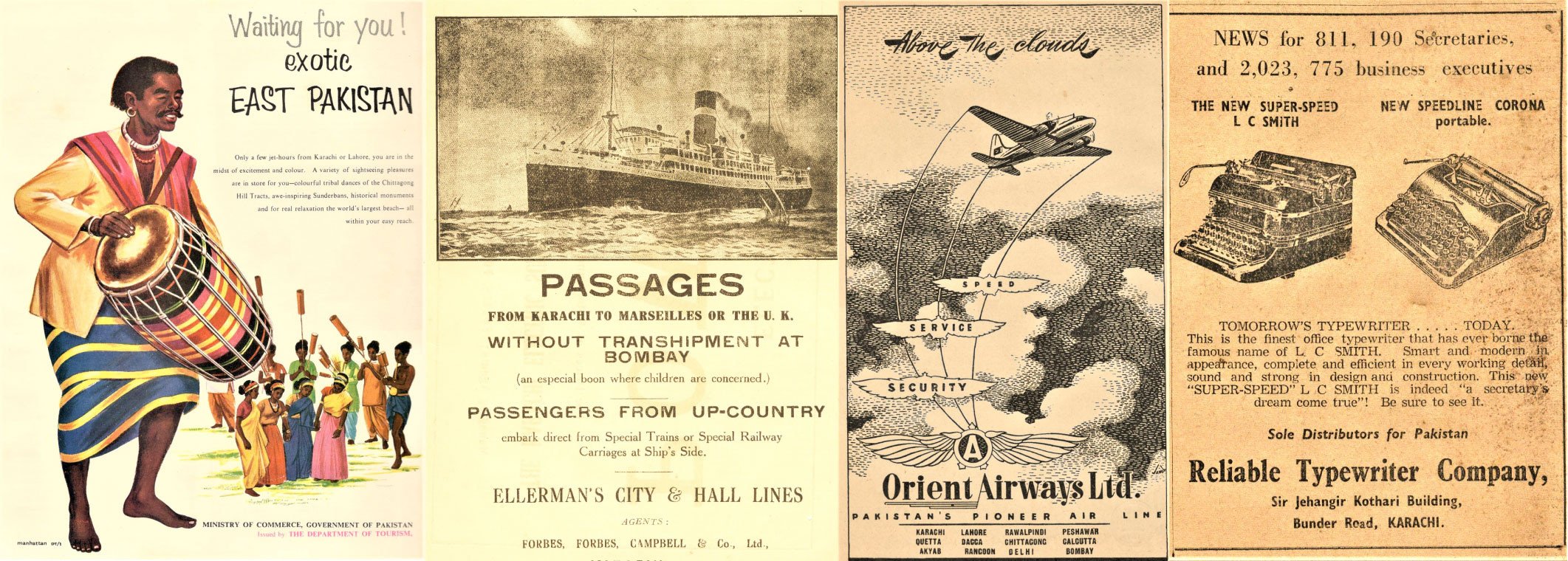
“The Chevrolet Touring — an all-season car” advertised by Naraindas & Co. was a status symbol; while not much has changed about owning a luxurious car in the present day as well, only a handful of people could afford and own vehicles. It was mostly the British or the upper class of native Indians.
Ships were a common mode of transport around the world, including India and although for instance, it is unheard of now that Hajj pilgrims would travel by ship, Pakistan’s shipping industry once dominated this space. MV Shams (1994) under PNSC was the last ship to perform Hajj service before eventually being scrapped .
These advertisements depict the cultural fusion which emanated during and post British rule. While photo enamelling is now unheard of now, Parker is still the pen of choice for collectors and those who still prefer writing as opposed to merely only typing.
Typewriters, now serving as decoration pieces for those who have a unique taste for vintage items such as individuals or museums like the TDF Ghar once occupied spaces in newspapers and magazines.
Orient Airways was a commercial airline established in 1946 in British India by Mirza Ahmed Ispahani and Adamjee Haji Dawood and was based in Calcutta. After the partition in 1947, it merged with Pakistan government’s proposed airline to form PIA and operate in Pakistan, playing a key role in transporting migrants and cargo between the two wings of the newly formed country.
In 1955, Orient Airways merged with several smaller airlines to form the national flag carrier, Pakistan International Airlines (PIA). This merger was part of the government’s strategy to create a unified, state-owned airline to better serve the country's growing aviation needs. After the merger, Orient Airways ceased to exist as an independent entity.
An ad highlights East Pakistan as a vibrant and integral part of Pakistan, once celebrated as an exotic tourist destination before its eventual separation. It embodies the kind of messaging we urgently need today as part of a nationwide awareness campaign to foster a sense of ownership and responsibility towards our country. Its message holds significant value for both citizens and the government, emphasising the need for a collective effort to cultivate a deeply rooted civic sense across all levels of society.