Fatman17
THINK TANK: CONSULTANT

Skip to contentSkip to footer

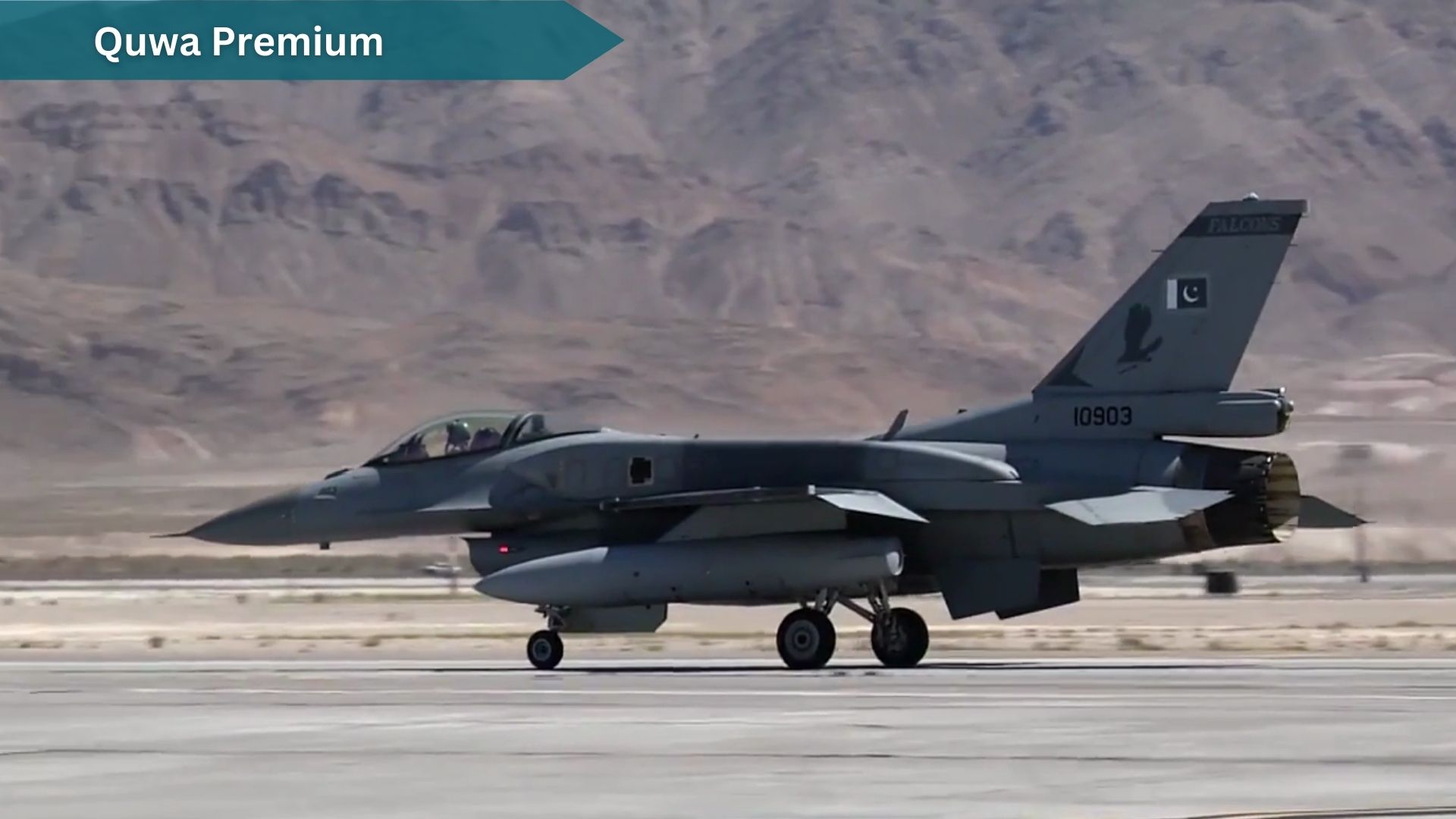
This funding seeks to specifically support the Technical Security Team (TST), a contingent of contractors stationed in Pakistan to monitor F-16 usage under strict end-use monitoring rules, which seem to require the Pakistan Air Force (PAF) to only use the F-16s, especially the newer F-16C/D Block-52 fighters, for counterinsurgency (COIN) and counter-terrorism (CT) operations.
Click Here
This monitoring is not new. The TST has been embedded since 2019, when the U.S. approved its ongoing deployment alongside a $125 million support package for the PAF F-16 fleet. Crucially, the monitoring may be tied to Pakistan’s access to critical sustainment programs to keep the F-16s flying.
For example, in 2022, the U.S. greenlit a separate $450 million deal for F-16 sustainment, which covers a range of essential tasks, like structural integrity checks, engine maintenance, and software updates.
Pakistan’s defence ties with the U.S. have chilled since the mid-2010s. In 2016, Pakistan sought to buy 8 additional F-16C/D Block-52s under the U.S. Foreign Military Financing (FMF) program.
However, Congress blocked the subsidy, forcing Islamabad to either pay full price or walk away from the deal. Pakistan chose the latter, shelving plans to expand its Fighting Falcon fleet. In the following years, the U.S. also blocked the use of military assistance to finance the Pakistan Army’s (PA) purchase of 12 AH-1Z Viper attack helicopters, among potentially other equipment.
However, in 2019, Pakistan’s priorities changed. India had engaged in a cross-border strike, one Pakistan felt necessitated a response. This response was a large-scale strike package consisting of JF-17, Mirage Retrofit of Strike Element (ROSE), and, for limited air-to-air engagements, the F-16A/B Block-15 Mid-Life Update (MLU). The JF-17s and Mirage ROSE that undertook air strikes across the Line of Control (LoC), while the F-16A/B MLUs (alongside other JF-17s) were in play to intercept Indian Air Force (IAF) fighters if they crossed into Pakistani territory. One such IAF fighter, a MiG–21bis, was shot down.
Pakistan apparently assuaged American scrutiny at that time, but the PAF leadership has little appetite to endure it again in the future. The PAF sees value in maintaining dedicated strike assets, but its platforms for this role (which it had used in 2019) have aged and, in the case of the F-16s, are restricted.
Thus, as the PAF modernizes its strike element, it will move away from the F-16, of which the F-16A/Bs will start reaching 50 years of age in the 2030s. By then, it is unclear whether the PAF could keep them serviceable as the airframes would reach, or exceed, their stated lifespans.
The PAF’s apparent interest in the Chinese J-35 could be an early move towards securing a replacement for the F-16A/Bs and Mirage ROSE, especially in the strike role. In fact, compared to the PAF’s fighters up to this point, the J-35 would have more range, a greater payload, and certain design attributes, like its low- observable (LO) airframe and dedicated electro-optical targeting, that make it an ideal strike platform.
US Unfreezes Aid for Monitoring Pakistan’s F-16s
Pakistan Air Force News by Bilal Khan February 23, 2025Bilal Khan
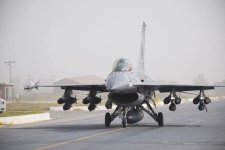
The U.S. State Department’s recent decision to exempt $397 million in security assistance from a broader aid freeze marks the latest turn in the decades-long saga of Pakistan’s F-16 program.This funding seeks to specifically support the Technical Security Team (TST), a contingent of contractors stationed in Pakistan to monitor F-16 usage under strict end-use monitoring rules, which seem to require the Pakistan Air Force (PAF) to only use the F-16s, especially the newer F-16C/D Block-52 fighters, for counterinsurgency (COIN) and counter-terrorism (CT) operations.
Timely Defence News with Verified Insights
Get the latest Pakistani defence news with reliable research and accurate forecastingClick Here
This monitoring is not new. The TST has been embedded since 2019, when the U.S. approved its ongoing deployment alongside a $125 million support package for the PAF F-16 fleet. Crucially, the monitoring may be tied to Pakistan’s access to critical sustainment programs to keep the F-16s flying.
For example, in 2022, the U.S. greenlit a separate $450 million deal for F-16 sustainment, which covers a range of essential tasks, like structural integrity checks, engine maintenance, and software updates.
Pakistan’s defence ties with the U.S. have chilled since the mid-2010s. In 2016, Pakistan sought to buy 8 additional F-16C/D Block-52s under the U.S. Foreign Military Financing (FMF) program.
However, Congress blocked the subsidy, forcing Islamabad to either pay full price or walk away from the deal. Pakistan chose the latter, shelving plans to expand its Fighting Falcon fleet. In the following years, the U.S. also blocked the use of military assistance to finance the Pakistan Army’s (PA) purchase of 12 AH-1Z Viper attack helicopters, among potentially other equipment.
Comments and Analysis
The PAF had agreed to these end-user requirements when it ordered the new-built F-16s in the 2000s, especially as Pakistan’s COIN/CT efforts began expanding around that period. In other words, Pakistan’s military leadership had aligned with Washington on steering its security priorities towards the Tribal Areas, and thus, most of its operational spending went into COIN/CT through the 2010s.However, in 2019, Pakistan’s priorities changed. India had engaged in a cross-border strike, one Pakistan felt necessitated a response. This response was a large-scale strike package consisting of JF-17, Mirage Retrofit of Strike Element (ROSE), and, for limited air-to-air engagements, the F-16A/B Block-15 Mid-Life Update (MLU). The JF-17s and Mirage ROSE that undertook air strikes across the Line of Control (LoC), while the F-16A/B MLUs (alongside other JF-17s) were in play to intercept Indian Air Force (IAF) fighters if they crossed into Pakistani territory. One such IAF fighter, a MiG–21bis, was shot down.
Pakistan apparently assuaged American scrutiny at that time, but the PAF leadership has little appetite to endure it again in the future. The PAF sees value in maintaining dedicated strike assets, but its platforms for this role (which it had used in 2019) have aged and, in the case of the F-16s, are restricted.
Thus, as the PAF modernizes its strike element, it will move away from the F-16, of which the F-16A/Bs will start reaching 50 years of age in the 2030s. By then, it is unclear whether the PAF could keep them serviceable as the airframes would reach, or exceed, their stated lifespans.
The PAF’s apparent interest in the Chinese J-35 could be an early move towards securing a replacement for the F-16A/Bs and Mirage ROSE, especially in the strike role. In fact, compared to the PAF’s fighters up to this point, the J-35 would have more range, a greater payload, and certain design attributes, like its low- observable (LO) airframe and dedicated electro-optical targeting, that make it an ideal strike platform.