UAV BLITZ OVER AFGHANISTAN
Contrary to claims of Pakistani fighter jets bombing Kabul and Kandahar, new indicators suggest the operation was executed by Pakistani combat drones (UCAVs).
Pakistan operates South Asia’s largest and most diverse drone fleet, capable of delivering precision-guided munitions (PGMs) up to 2,000 lbs in weight.
 Possible platforms involved:

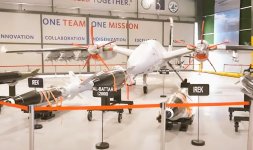
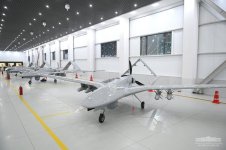
AKINCI UCAV — heavy Turkish drone with 1,500+ kg payload, long endurance, and the ability to fire SOM stand-off cruise missiles, MAM-series smart bombs, and MK-82/83/84 precision bombs.
Wing Loong II — Chinese MALE UCAV capable of deploying BA-7 air-to-ground missiles, GB7/GB20 laser-guided bombs, and AR-series PGMs.
Bayraktar TB2 — battle-proven drone equipped with MAM-L and MAM-C munitions, effective for high-accuracy strikes against light armor and static positions.
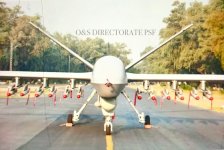
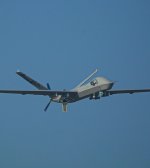
CH-4 — Chinese medium-altitude UCAV with AR-1 missiles and FT-9/FT-10 guided bombs, comparable in function to the US MQ-9 Reaper.
Shahpar I/II/III & Burraq — Pakistan’s indigenous drones, capable of electro-optical targeting and armed with Barq laser-guided missiles and guided rockets for tactical precision roles.
What the world initially thought were jet airstrikes may, in fact, have been a coordinated UAV strike package — silent, precise, and strategically deniable.
Pakistan’s UAV warfare doctrine appears to have reached a new operational maturity.