Pakistan Agriculture News / Discussions

Pakistan to double farm exports by 2035​

Plan integrates climate resilience and green growth initiatives with the China-Pakistan Economic Corridor

tribune


ISLAMABAD:
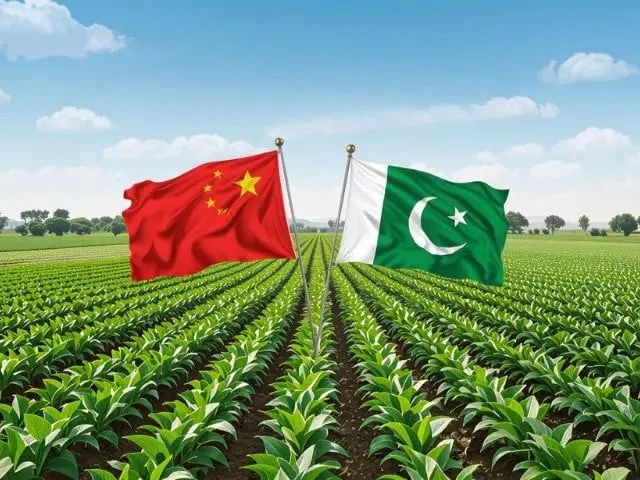
The government plans to double agricultural exports to China and the Gulf region by 2035 by adopting climate smart techniques under the newly unveiled Pakistan Climate Prosperity Plan, according to an official document.


The plan integrates climate resilience and green growth initiatives with the China Pakistan Economic Corridor (CPEC), upgrading highways, ports and energy transmission systems to withstand environmental stress. It also includes developing Pakistan's first agricultural trade hub at Gwadar Port to leverage CPEC connectivity for larger markets and improved cold?chain logistics.

Existing special economic zones will be transitioned into green economic zones, adopting clean energy and circular economy practices to meet international standards and boost export competitiveness.

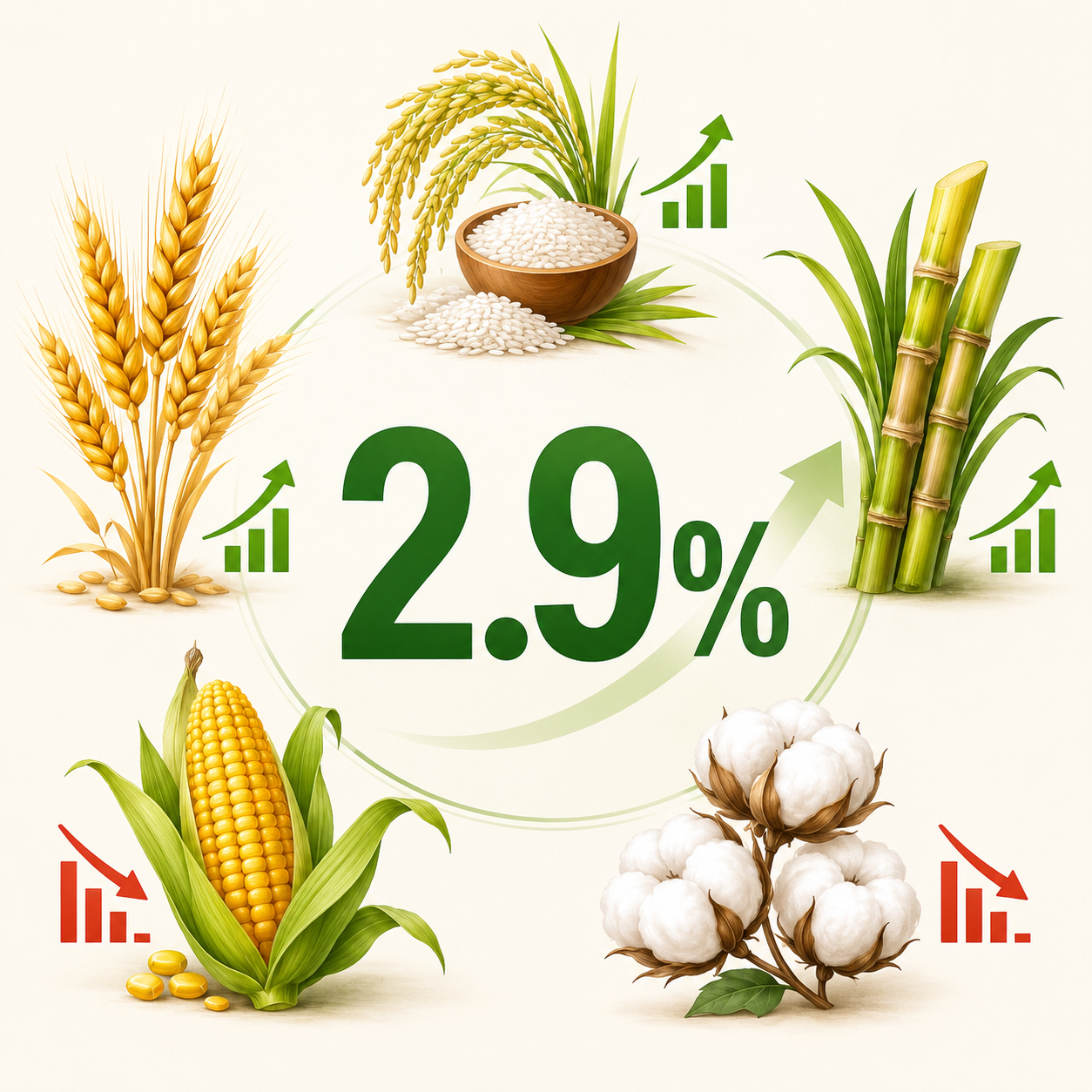
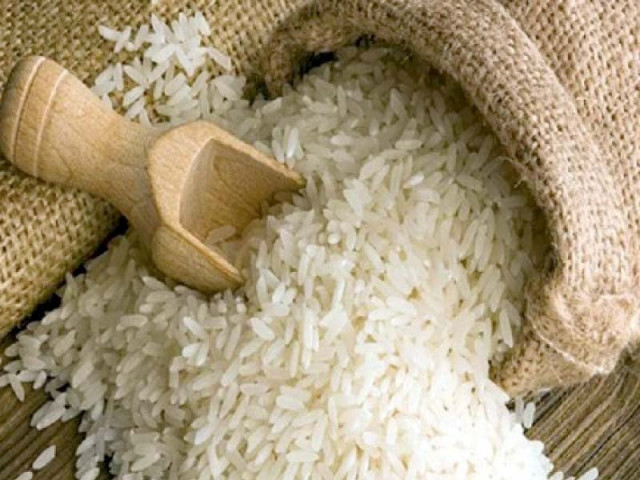
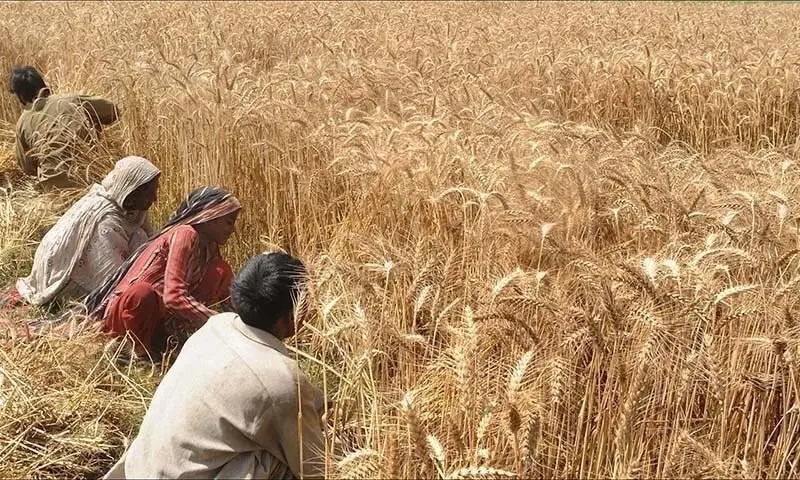
Other targets include reducing post harvest losses by 20% for wheat, cotton and rice by 2028; lowering water consumption in agriculture by 20% through efficient irrigation, water pricing, intercropping and precision farming by 2030; expanding agroforestry initiatives to 50,000 hectares by 2030; transporting 50% of perishable exports through modern cold-chain networks by 2035; rootstock innovation on critical horticulture varieties by 2028; leveraging blue carbon initiatives to create new revenue streams from fisheries conservation; and optimising 30% of agricultural subsidies.
 

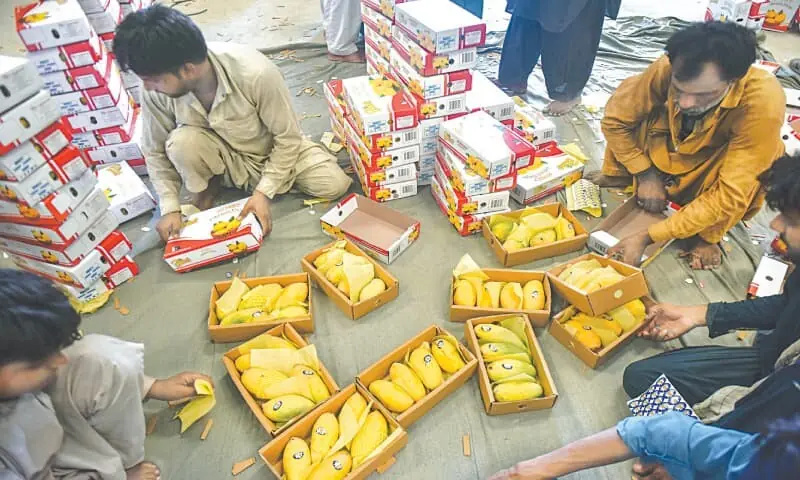
Mango 🥭 harvest in a bind
 

Punjab courts Chinese investment in farm machinery manufacturing​


Agriculture Minister Ashiq Kirmani says province’s dominant share in crop and livestock production offers major opportunities in equipment, seeds, fertiliser and biotechnology.
By
Monitoring Desk

pak-china-agri-3-696x418.webp


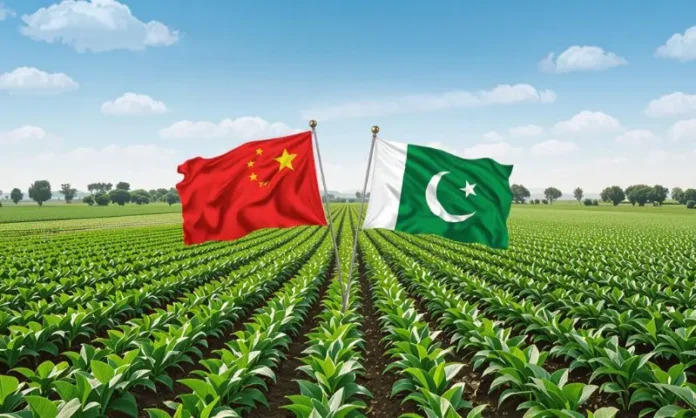
Punjab has invited Chinese companies to establish agricultural machinery manufacturing plants in the province as the government seeks to attract investment into agriculture, livestock and related industries.


Punjab Agriculture and Livestock Minister Syed Ashiq Hussain Kirmani made the offer during a meeting with a high-level Chinese delegation in Lahore on Saturday.

The minister said the use of modern farm equipment in Punjab was expanding steadily, with high-horsepower tractors, harvesters and other machinery currently being imported from China.

He said Chinese investors could also tap opportunities in seed development, fertiliser production, biotechnology and crop protection.

Kirmani said Punjab remains the core of Pakistan’s agricultural economy, producing 76% of the country’s wheat, 62% of rice, 54% of cotton, 98% of maize and 71.3% of sugarcane.

He added that the province contributes around 60% of national milk production and 65% of meat output, while the government is pursuing value addition and export-oriented initiatives in dairy and meat processing.


Members of the Chinese delegation said they were interested in bringing innovation to Punjab’s agriculture sector and in setting up manufacturing facilities for modern agricultural machinery.

Agriculture Secretary Iftikhar Ali Sahoo briefed the delegation on ongoing provincial initiatives to improve productivity and modernise the sector.

The meeting was also attended by Livestock Secretary Ahmad Aziz Tarrar, Tourism Secretary Socrates Aman Rana and other senior officials.


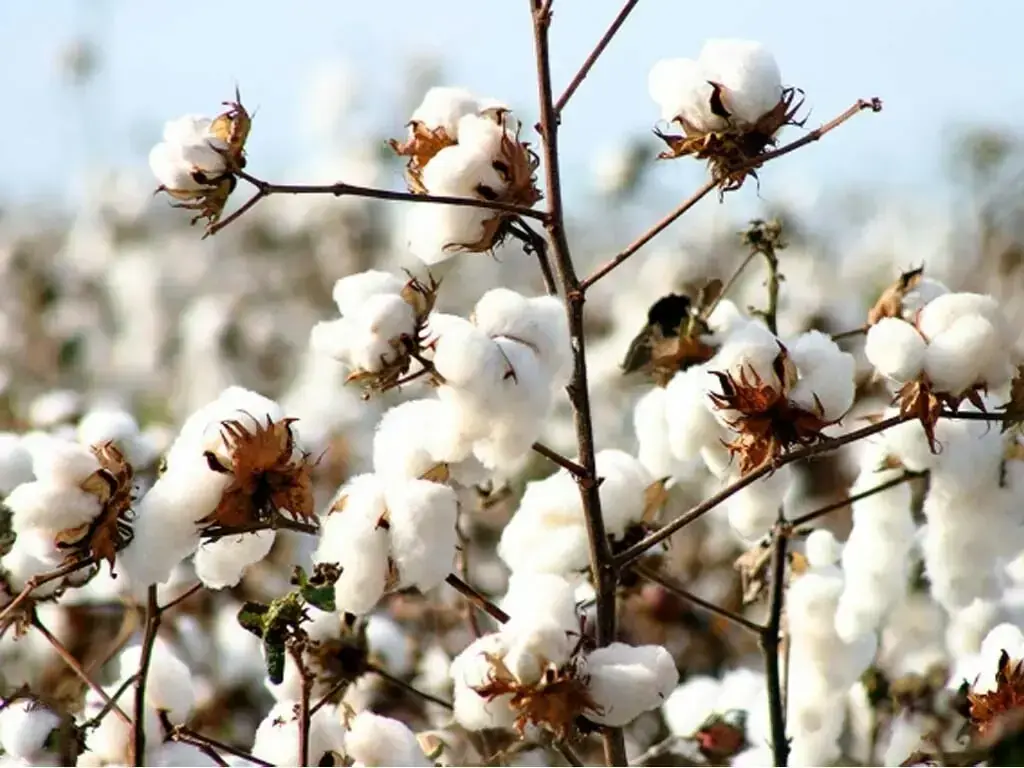
Pakistan importing cotton from US, Brazil even before local ginning season


The Newspaper's Staff Reporter
May 25, 2026

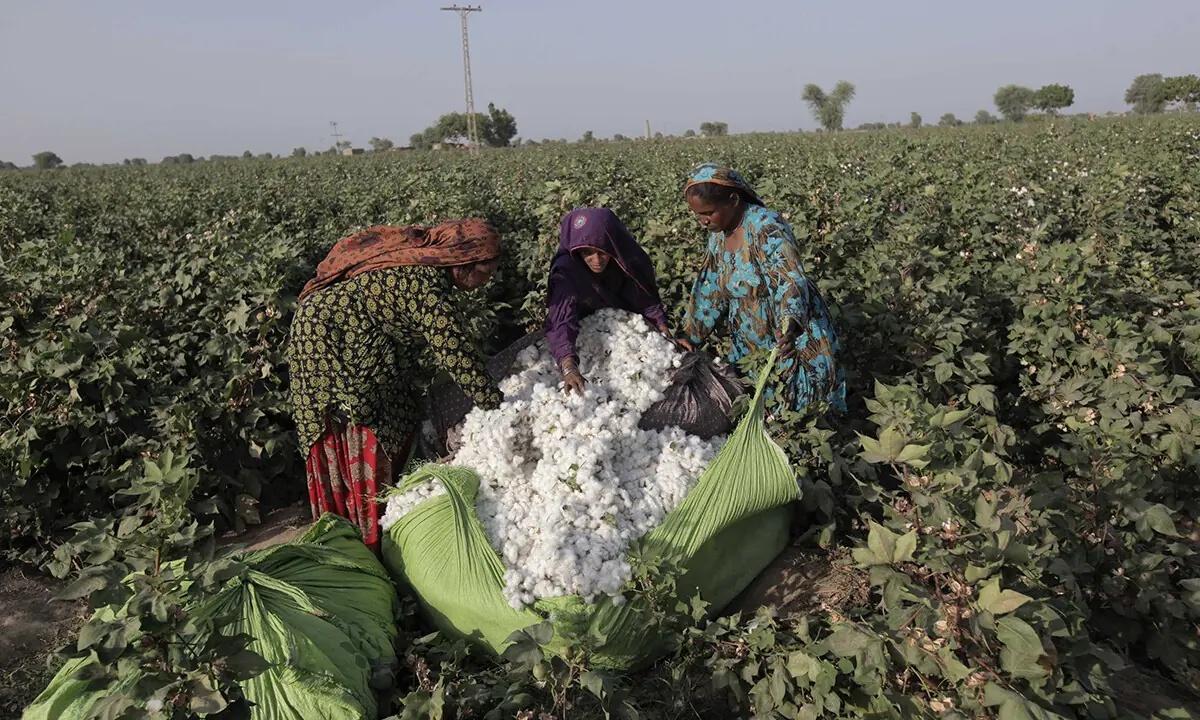
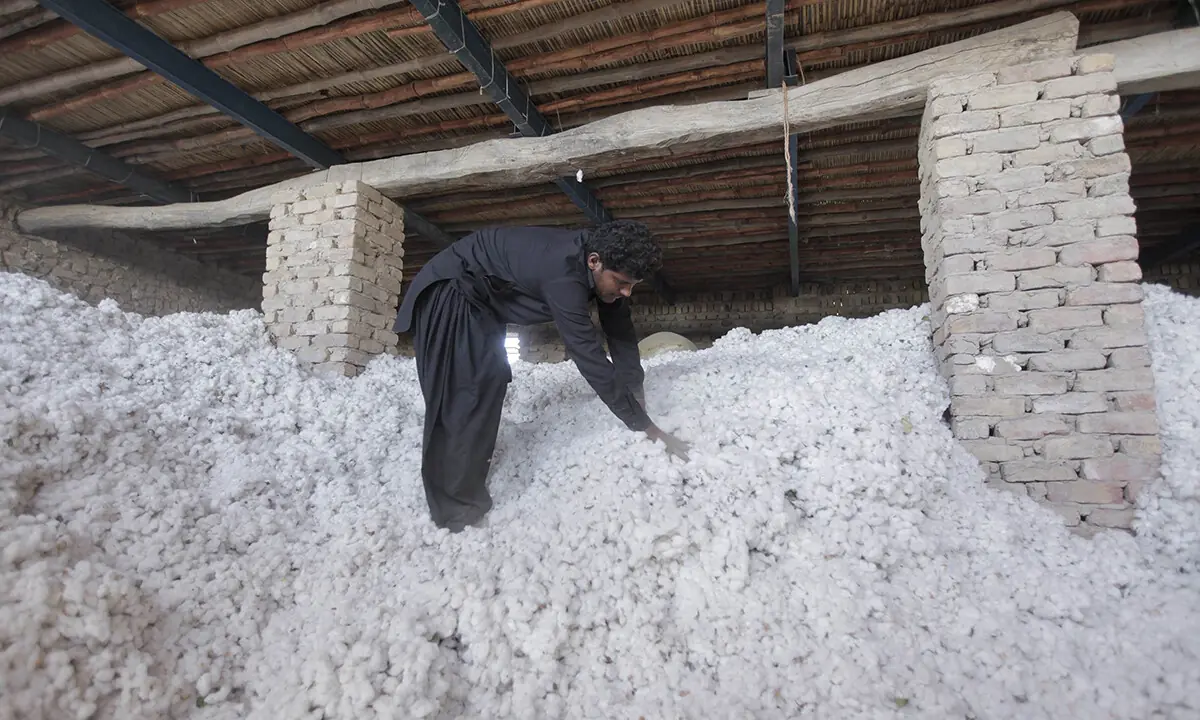
LAHORE: In an unprecedented development in Pakistan’s history, local textile mills have begun massive cotton imports from the United States even before the start of the new cotton ginning season, as the country has virtually run out of cotton stocks, triggering a sharp surge in domestic cotton and phutti prices.

Reports suggest that local textile mills have purchased an extraordinary 206,100 bales – around 95pc– of the total 216,000 bales of the US 2026-27 cotton crop sold during the past week. The millers are also importing cotton on a large scale from Brazil.

During fiscal year 2026-27, the country may spend billions of dollars in foreign exchange on the import of cotton and edible oil, potentially the highest import bill in the country’s history for these commodities.

Despite repeated announcements regarding cotton revival, the approval of another sugar mill in Rahim Yar Khan, Pakistan’s largest cotton-producing zone, is undermining efforts to restore cotton cultivation.
 

Pakistan seeks Chinese backing to revive agricultural research, expand farm modernization​


Pakistan seeks Chinese backing to revive agricultural research, expand farm modernization
By
Monitoring Desk


Pakistan has sought expanded Chinese support to modernize its agriculture sector, with Prime Minister Shehbaz Sharif on Tuesday proposing a deeper institutional partnership between the Chinese Academy of Agricultural Sciences and the Pakistan Agricultural Research Council.


Speaking at a Pakistan-China agricultural cooperation workshop in Beijing, the prime minister said Pakistan wanted Chinese assistance in revitalizing agricultural research institutions, introducing modern farming technologies and strengthening scientific collaboration.

He described agriculture as central to Pakistan’s economy and said research-driven reforms would be necessary to improve productivity, strengthen rural development and support long-term economic growth.

Prime Minister Shehbaz said PARC required urgent restructuring and called for CAAS to play a leading role in helping modernize Pakistan’s agricultural research system.

“The roadmap is absolutely clear that PARC is dormant,” he said, adding that Pakistan needed to rebuild research centres through modern scientific practices, innovation and fresh talent.


The prime minister said Pakistan would continue sending 1,000 agriculture graduates from all four provinces to Chinese universities for advanced training in agricultural sciences and modern farming techniques.

He said the programme was aimed at equipping young Pakistanis with technical expertise that could later be applied to domestic agricultural reforms.

The discussions come as Pakistan and China move to expand cooperation under the CPEC 2.0 framework, with agriculture emerging as one of the priority sectors in bilateral economic engagement.

Prime Minister Shehbaz said his recent meetings with Chinese President Xi Jinping and Premier Li Qiang focused on accelerating cooperation in agriculture, science, innovation and rural development.

During the workshop, CAAS President Huang Sanwen said the institution had already trained more than 300 Pakistani master’s and PhD students and hosted three meetings of the Pakistan-China Joint Working Group on Agriculture.


Separately, officials outlined plans to establish five Centres of Excellence at PARC with Chinese collaboration in areas including genomic crop research, livestock improvement, climate-smart agriculture, sustainable land and water management, and food processing.

According to officials, the proposed centres would be financed by Pakistan, while technical cooperation and institutional planning support have been sought from CAAS.

Prime Minister Shehbaz also received an honorary professorship from CAAS during the visit as Pakistan and China mark the 75th anniversary of diplomatic relations between the two countries.
 

Untimely rains harm mango, wheat crops

June 8, 2026
Hamza Habib

ISLAMABAD: Unexpec-ted rains in April badly hit the wheat and mango crops and the farmers fearing that the ongoing heat wave and any shortfall in the rain s during the monsoon season can damage the rice and cotton crops as well.

“Untimely rains in April badly damaged the mango crop and the output would be 40 percent less than what it was last year,” Khalid Khokhar, President of the Kissan Ittehad told Business Recorder. He said that Sindhri and Daesari somehow was damaged slightly but crops of chuansa, anwer Retol, and langra have been damaged by almost 40 percent.

Replying to query that why the local market flooded with mangoes, he said since there is no export of mangoes going on to Afghanistan and Iran, the growers are compelled to sell their crops in the domestic market. However, he said since Chuasa and Anwer Retol arrives in mid June and there is likelihood that the local market would witness a shortfall and higher prices of these varieties.

Waheed Ahmed, Patron-in-Chief of Pakistan Fruit and Vegetable Exporters, Importers and Merchants Association (PFVA) also admitted the fact that not only decline in mange production the exporters are also grappling with unprecedented logistical and financial hurdles as regional instability disrupts access to key Gulf markets, the largest destination for Pakistani mangoes.

“In view of the extraordinary challenges facing the trade, the export target has been reduced to 80,000 tons from last year’s 110,000 tons,” Ahmed said.
 

Users who are viewing this thread

Back
Top