Pakistan Agriculture News / Discussions

Thal Limited to invest $16mn in grain storage & milling facility in Punjab


Thal Limited (THALL) has announced plans to establish a wholly owned subsidiary in Pakistan to set up a modern grain storage and milling facility in Muzaffargarh, Punjab, with an investment of up to $16 million (Rs5.22 billion).

The listed company disclosed the development in its notice to the Pakistan Stock Exchange (PSX) on Friday.

“The Board of Directors of Thal Limited, in its meeting held on September 11, 2025, approved the incorporation in Karachi, Pakistan under the provisions of the Companies Act 2017, of a wholly owned subsidiary, as a private company limited by shares, to set up a high quality storage facility for major grains such as wheat and corn,” read the notice.


Share acquisition: Thal Limited to commence talks with SECMC stakeholders

THALL shared that alongside storage infrastructure, the new company will also integrate milling solutions to process and mill grains, with improved quality and value.

“The Board of Directors of the company have also approved, subject to compliance with all applicable statutory and legal requirements, the investment of up to $16 million (or equivalent in Pakistani Rupees) by the company in such wholly-owned subsidiary,” read the notice.

The above-mentioned investment will be executed in phases, with completion expected within 20 months. “This initiative is expected to play a significant role in improving Pakistan’s food security in the future,” it said.

Thal Limited was incorporated in Pakistan as a public limited company in 1966. The company’s principal activity is the manufacturing of jute goods, engineering goods, laminate sheets and paper sacks.
 

Chinese, Pakistani institutions to collaborate in botanical garden management​

By Khalid Aziz | Gwadar Pro
Sep 12, 2025

1758224481230.png

ISLAMABAD— The Abdul Wali Khan University, Mardan (AWKUM) has signed a Memorandum of Understanding (MoU) with the Chenshan Botanical Garden in Shanghai to strengthen academic and research collaboration, promote joint initiatives, and enhance mutual learning opportunities in agriculture and botanical sciences.

The MoU was signed by Dr. Fazal Said, an Associate Professor in the Department of Agriculture at AWKUM. He is currently attending the International Training Program on Botanical Garden Management and Development, being held in Shanghai from Sept. 1-20, 2025.

Said, one of two agricultural experts from Pakistan attending the training, told Gwadar Pro on Friday that the program brings together experts and academics from across the globe to exchange knowledge and best practices in botanical garden management, sustainable development, and conservation. The program is sponsored by the Chenshan Botanical Garden and the International Association of Botanical Gardens.
 

China to support Pakistan in developing high-quality hybrid seeds for boosting crop production​

The Frontier Post

IMG7698Seeds-e1701595414206.png


ISLAMABAD (APP): Liu Jianming, Deputy Party Secretary and Deputy Political Commissar of Xinjiang Production and Construction Corps, said that China will provide support to Pakistan in best-quality disease-resistant, high-yield hybrid seeds for cotton, canola, and wheat crops.

This aims to achieve bumper crop production while also meeting the ever-increasing needs of the textile industry to earn desperately needed foreign exchange.
 

Chinese hybrid canola spreads fragrance across Pakistan​

By Staff Reporter | Gwadar Pro
Sep 12, 2025

WUHAN –With the switch on, the canola spun rapidly in the press. Soon, a strong aroma filled the air. Watching the bright golden rapeseed oil flow into a barrel, Pakistani farmers all smiled with satisfaction.

Sayima Rizwan, a housewife from Gujranwala, praised the edible oil made from Chinese canola. “Now my family can’t live without it. With a reasonably price, this oil makes my dishes more fragrant.”

Wuhan Qingfa Hesheng Seed Co., Ltd. and EVYOL Group, a Pakistani agricultural enterprise, recently signed a memorandum of understanding (MoU) on canola industrialization cooperation. The two parties will further develop a comprehensive canola industry chain in Pakistan.

Chinese hybrid canola spreads fragrance across Pakistan


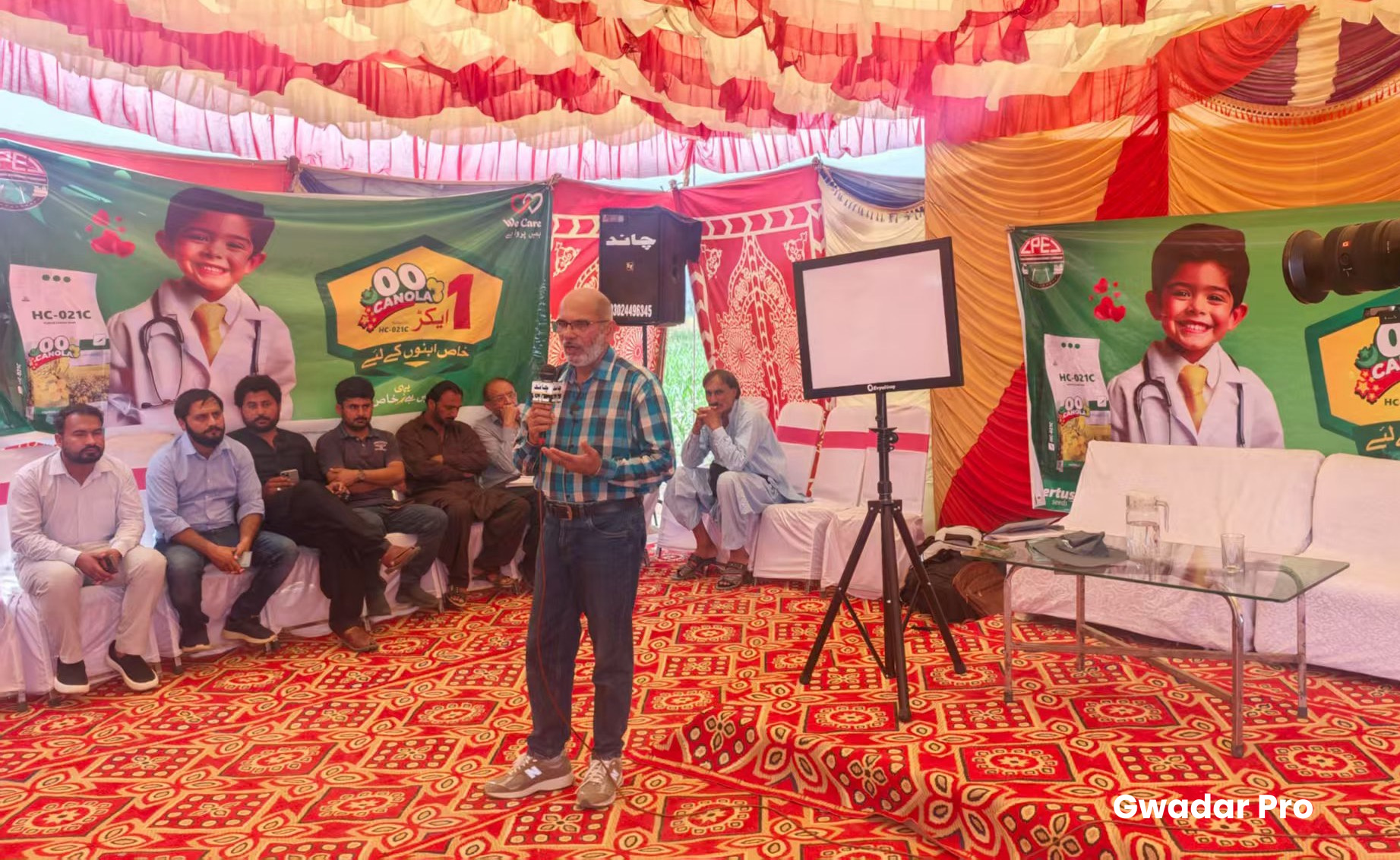
Qingfa Hesheng held a canola field training session in Pakistan [Photo provided to GP]

As one of the earliest Chinese seed companies to expand internationally, Qingfa Hesheng has been deeply engaged in the Pakistani market for 21 years. They discovered that Pakistan, a major consumer of edible oil, has an annual demand of 5 million tons, with 89% of which is imported, and annual cost is about USD 4 billion, resulting in an extremely low self-sufficiency rate.

“HC-021C, our low-erucic acid and low-glucosinolate hybrid canola variety, boasts an oil content exceeding 42% and an unsaturated fatty acid content exceeding 76%. Compared to local varieties, this represents an 8% increase in yield and a 6-8% increase in oil content,” said Zhou Xusheng, director of overseas business at Qingfa Hesheng in an interview with Gwadar Pro. “Low erucic acid means it’s more in line with modern healthy dietary needs. At the same time, the canola meal byproduct after extraction has a low glucosinolate content, into higher-quality feed, improving the overall benefits of local animal husbandry.”

Chinese hybrid canola spreads fragrance across Pakistan


Pakistani farmers use Chinese-made centrifugal oil filter [Photo provided to GP]

In recent years, Qingfa Hesheng has adopted an order-based production cooperation model to promote the planting of HC-021C on approximately 1.5 million mu (approximately 100,000 hectares) in the south Asia country, harvesting 250,000 tons of high-quality canola, equivalent to approximately 95,000 tons of edible oil, with a value of approximately USD 220 million.

“As Pakistan’s largest hybrid canola variety, HC-021C is expected to be promoted on an area of about 1 million mu (66666.7 hectares) in 2025-2026,” Zhou Zhanwang said.

“Our partnership with Chinese company ensures a stable supply of high-quality canola, which not only significantly reduces raw material and logistics costs, but also effectively increases the added value of end products. We’re going to undoubtedly plan to further expand our procurement scale in the future,” said Bashir, general manager of a Pakistani cooperative enterprise.

More than that, to adapt to local planting habits, Qingfa Hesheng independently developed two customized harvesting equipment to reduce canola losses and increase efficiency.

“We have established research and development farms in all canola promotion areas, providing systematic training for local technicians, and also introduced harvesting equipment, which could reduce harvest losses by nearly 30%. Besides, Chinese-made oil pressing equipment could also increase oil yield by about 10%, effectively helping farmers increase production and income,” Zhou introduced.

The reporter learned that the China-Pakistan Cooperation on the Promotion and Industrialization of New Hybrid Canola Varieties has been incorporated into the China-Pakistan Economic Corridor agricultural cooperation project. Qingfa Hesheng and EVYOL Group plan to further expand the application of hybrid canola within this framework by introducing the canola-cotton continuous cropping technology in Hubei Province, further expanding canola planting application in Pakistan.

Also, this breeding-planting-processing-sales full-chain model has been highly praised by Florence Rolle, the FAO Representative in Pakistan. “This technology transfer and industrial chain co-construction based on local needs provides a model for agricultural cooperation in developing countries.”
 

MoU signed to facilitate China-Pak coop in maize breeding & industrialization​

By Staff Reporter | China Economic Net
Sep 8, 2025

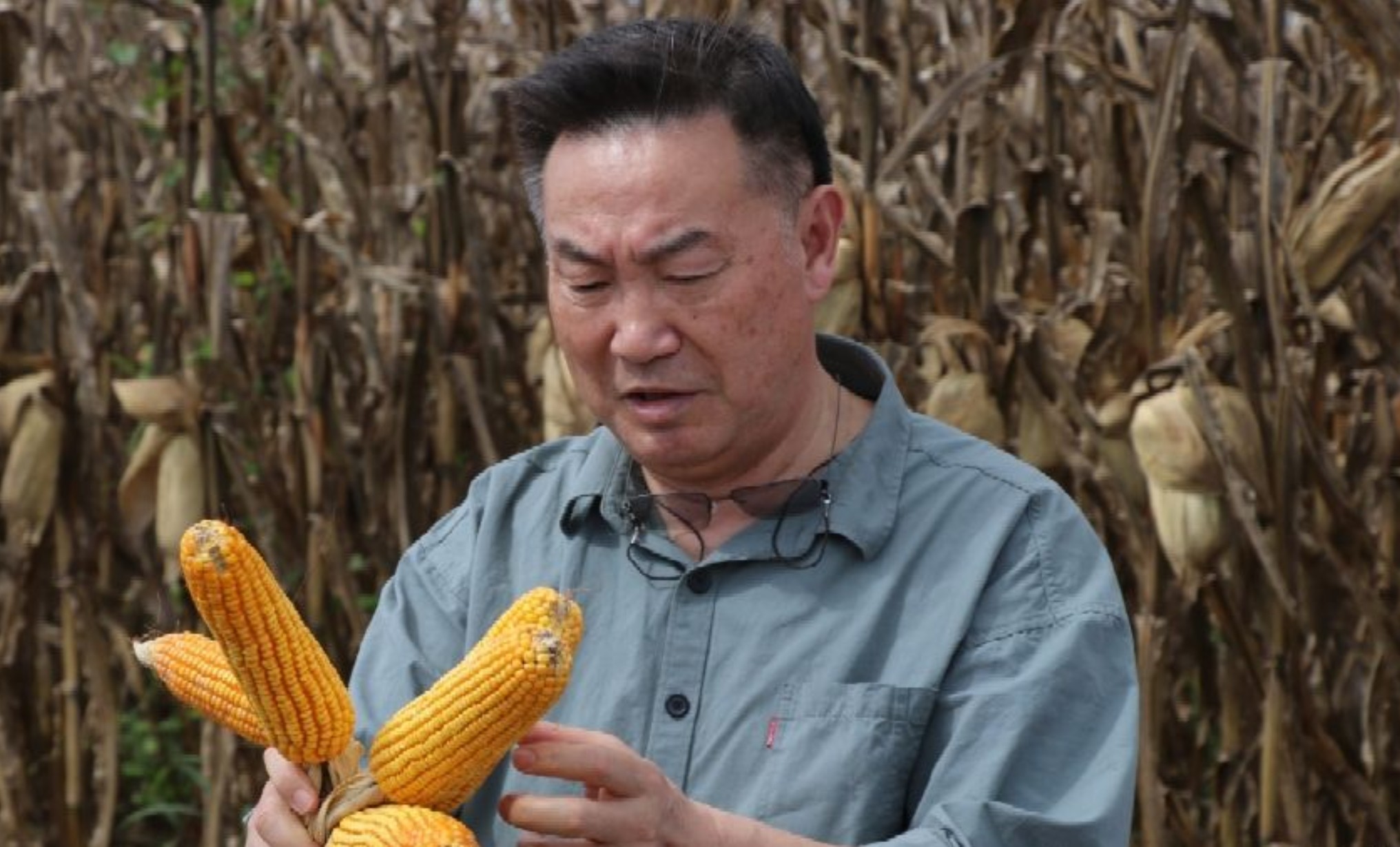
LAHORE – “It’s no secret that the most pressing issue facing Pakistani agriculture today is water scarcity. So, how could we best adapt to local conditions, as well as turn this bottleneck, a national constraint, into an opportunity for development? Developing drought- and infertility-tolerant crops is imperative, and maize, as a global staple, is the perfect choice,” Professor Yuan Guobao, Chairman of the Hubei Technical Market Association, introduced to China Economic Net just after the signing of the China-Pakistan Memorandum of Understanding on Cooperation in Maize Breeding and Industrialization Development on September 5.

The MoU was signed by Hubei University Modern Agricultural Innovation Research Institute, China, Hubei D-Gene Seed Incorporated Company, China, Patron Seeds (Pvt) Ltd, Multan and Department of Plant Breeding & Genetics, University of the Punjab, with focus on biotechnology breeding, seed production and processing, demonstration and promotion, and industrial development of maize.
 
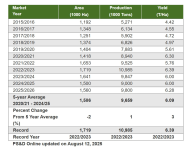
According to official data, Pakistan’s average corn yield over the five years from 2020/21 to 2025/06 was around 6.09 tons per hectare. “As for China, our average maize yield is currently about 8-10 tons per hectare. If high-quality varieties are planted in areas with good fertility and water resources, the yield can reach as high as 12-15 tons per hectare. Therefore, there is huge potential for increasing maize production in Pakistan,” Yuan told.

Yuan, who has visited Pakistan more than 30 times and has a deep understanding of the local climate, soil and hydrological conditions, expressed that China, as a country with a large population and livestock industry, still needs to import 20-30 million tons of maize each year. Pakistan, with huge agricultural potential, can achieve a 30-50% increase in maize production by combining good varieties and good methods.

MoU signed to facilitate China-Pak coop in maize breeding & industrialization


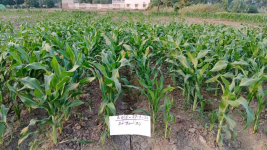
Yuan checks the growth of maize in Pakistan [Photo provided to CEN]

“To have a good harvest, you first need good land. Recent local research has revealed a large amount of saline-alkali land along the Indian Ocean coast. According to Pakistani data, the area is approximately 10 million hectares,” Yuan pointed out.

“Besides, some areas have formed secondary saline-alkali land due to improper fertilization. Therefore, we need first remediate saline-alkali land according to requirements. China has extensive experience in this area and is well-suited to comprehensive remediation using a combination of engineering and biological measures.”


MoU signed to facilitate China-Pak coop in maize breeding & industrialization


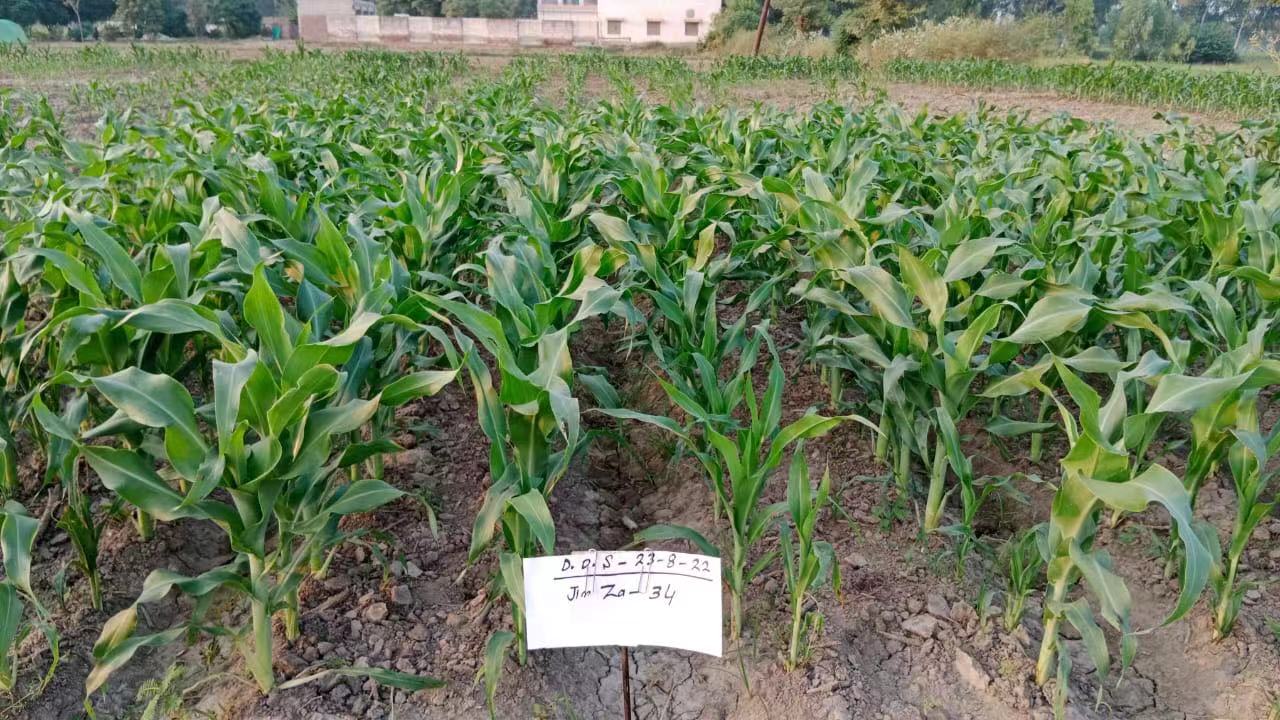
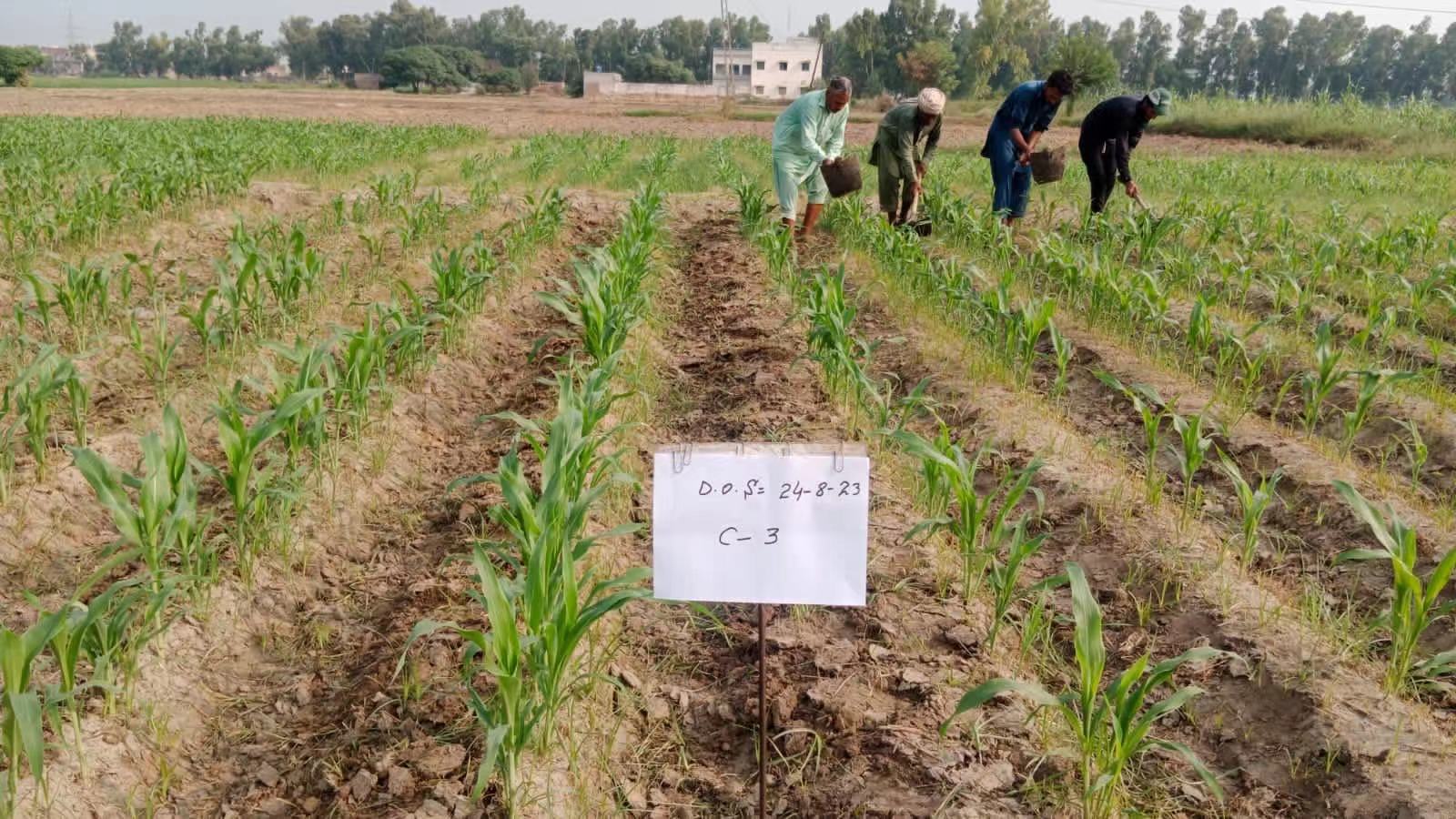
Pakistani farmers are working in a Chinese maize variety test field [Photo provided to CEN]

Yuan then gave a detailed introduction to the varieties. The maize being promoted locally is primarily heat-resistant varieties. Considering Pakistan’s high temperatures (around 40 degrees Celsius, the growth limit for most crops), China has designed the most critical sowing and heading/grain-filling periods based on local climatic conditions.

Furthermore, considering the varying climates of different regions across Pakistan, Chinese researchers plan to verify and select the most suitable varieties through actual planting.

“Only through local breeding can we find the most suitable varieties for the local area. In addition, we plan to cultivate local talents related to crop gene editing technology, which is also the top priority of this China-Pakistan cooperation plan.”

The reporter learned that related industrial upgrades have also been the subject of in-depth discussions between the two parties. Beyond the deep processing industry chain for maize itself as a food, more efficient straw utilization is going to further empower the livestock industry.

“Furthermore, to achieve true industrial upgrading, we must move beyond the existing traditional planting model. For example, we could customize a specialized fertilizer for each high-quality variety and apply it to the sowing process, essentially planting both seeds and fertilizer simultaneously.

Regarding labor, the local area faces low labor efficiency due to extreme high temperatures. We could customize supporting agricultural machinery to enable farmers to complete agricultural work without enduring prolonged heat waves,” Yuan added.
 

Govt seeks Beijing’s help to restructure, reform Pakistan Agricultural Research Council


Amin Ahmed
September 23, 2025

1758631898464.png

ISLAMABAD: The government is seeking assistance from the Chinese Academy of Agricultural Sciences (CAAS) to restructure the Pakistan Agricultural Research Council (PARC) into a modern and vibrant institution capable of addressing emerging agricultural challenges and ensuring national food security.

Minister for National Food Security and Research Rana Tanveer Hussain on Monday held detailed discussions with a delegation of the Chinese Academy to discuss transformation of PARC.

The Chinese team shared their experience of successfully transforming CAAS nearly two decades ago and offered valuable insights into PARC’s reform process.

They identified financial constraints, limited incentives for scientists, and restricted international collaborations as key hurdles for PARC.


They stressed the need for a competitive model supported by long-term investment and stronger collaboration with the private sector and international partners.

Chinese team cites financial constraints, limited international collaboration as key hurdles for the council

Mr Hussain reiterated that reforming PARC is a national priority and assured the government’s complete support to expedite the process, and expressed confidence that with China’s partnership and Pakistan’s commitment, PARC will emerge as a strong and modern research institution capable of delivering innovative solutions, enhancing agricultural productivity and securing the country’s food future.

The Chinese delegation was led by Ms Yan, Consultant at the Department of International Cooperation of the Chinese ministry of agriculture and rural affairs.

He emphasised that the transformation roadmap for PARC must include clear timelines, measurable outcomes, and sustainable investment mechanisms. The minister also underlined the importance of rewarding scientists for their innovations, noting that talent retention requires an incentive structure linked to commercialisation of research.


Secretary of National Food Security and Research, Amir Mohyuddin while discussing Pak-China collaboration in the agricultural sector, emphasised the critical role of innovation and international collaboration in shaping the future of agriculture in Pakistan.

“The challenges we face — climate change, water scarcity, declining soil fertility, and a rapidly growing population — require science-driven, innovative solutions. International collaboration, particularly with China, offers Pakistan a historic opportunity to modernise agriculture and strengthen food security,” he said.

During discussions, PARC Chairman Dr Syed Hassan Andrabi said that despite limited resources, PARC continues to play a pivotal role in boosting the national economy through research and innovation.

“We see immense potential in joint ventures with China to address mutual challenges, particularly in climate change adaptation, food insecurity, and sustainable production systems,” he stated.

Dr Andrabi proposed the establishment of Centre of Excellence at PARC — National Agricultural Research Centre (NARC) on CAAS model, focused on high-impact research for food security, climate-resilient technologies, and sustainable agricultural development.
 

Beijing-Islamabad project may revolutionize tomato farming in Pakistan​


Sargodha field experiments reduce chemicals by over 40 percent while keeping yields stable

Our Correspondent
September 25, 2025


tribune


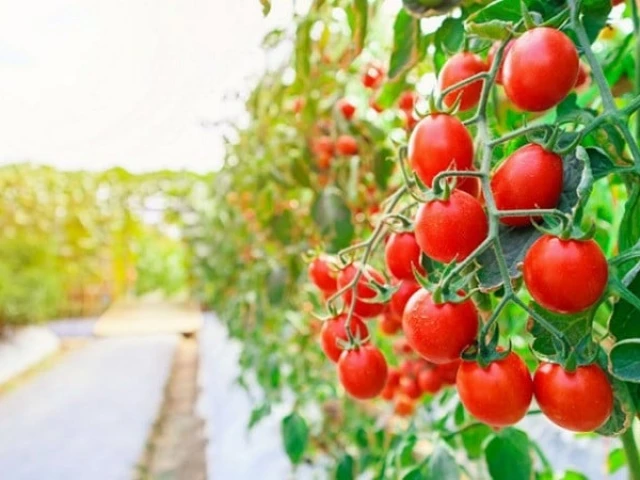
Pakistan and China have launched a joint initiative to test eco-friendly methods of tomato cultivation aimed at cutting pesticide use while sustaining yields.

The field trials were carried out in the tomato-growing area of Chak #48 NB, Sargodha, under the supervision of the University of Agriculture Faisalabad (UAF) and Yunnan University. The work was conducted through the Yunnan Fruit Vegetable Flower Integrated Pest Management International Joint Lab.

Researchers tested a system known as “3MP,” or Multidimensional Management of Multiple Pests. The method combines improved fertilization to strengthen natural plant resistance with companion cropping. Sesamum indicum was planted as a trap crop to attract harmful insects away from tomatoes, while Verbena hybrida was introduced to provide nectar for beneficial insects that feed on pests.

According to trial results, the 3MP approach reduced chemical pesticide use by more than 40 percent. Tomato yields were maintained at levels comparable to conventional farmer practices, with some cases recording slight increases. The trials also reported improvements in fruit quality, soil health, and field biodiversity, alongside lower greenhouse gas emissions.

Dr. Abid Ali, a Pakistani agricultural scientist, explained that in the absence of officially recommended pesticides, many farmers have relied on unregulated chemical spraying, which carries risks for soil, biodiversity, and human health. He noted that the new system offers a safer alternative for growers.

Dr. Han Peng of the joint lab said the trials in Sargodha showed that integrating trap crops, nectar plants, and improved fertilization provided effective pest control without heavy dependence on chemical pesticides.

Two Pakistani PhD candidates, Mr. Jawad Hassan and Miss Sana Anjum, were closely involved in the field experiments.

The collaboration between UAF and Yunnan University began in 2023 and is part of wider international trials of the 3MP system in China, Vietnam, Thailand, and parts of Europe.

Project leaders plan to expand training through workshops with farmers, extension workers, and policymakers to support adoption of the new system in Pakistan’s tomato farming operations.
 
Sindh province included in officially Basmati growing region by the European Union. Huge boost to Pakistan dismay in India.

To view this content we will need your consent to set third party cookies.
For more detailed information, see our cookies page.
 

China’s YFTC to host 40 Pakistani Students for Forestry, Agriculture Training​


By Tahir Ali | Gwadar Pro
Sep 24, 2025

China’s YFTC to host 40 Pakistani Students for Forestry, Agriculture Training


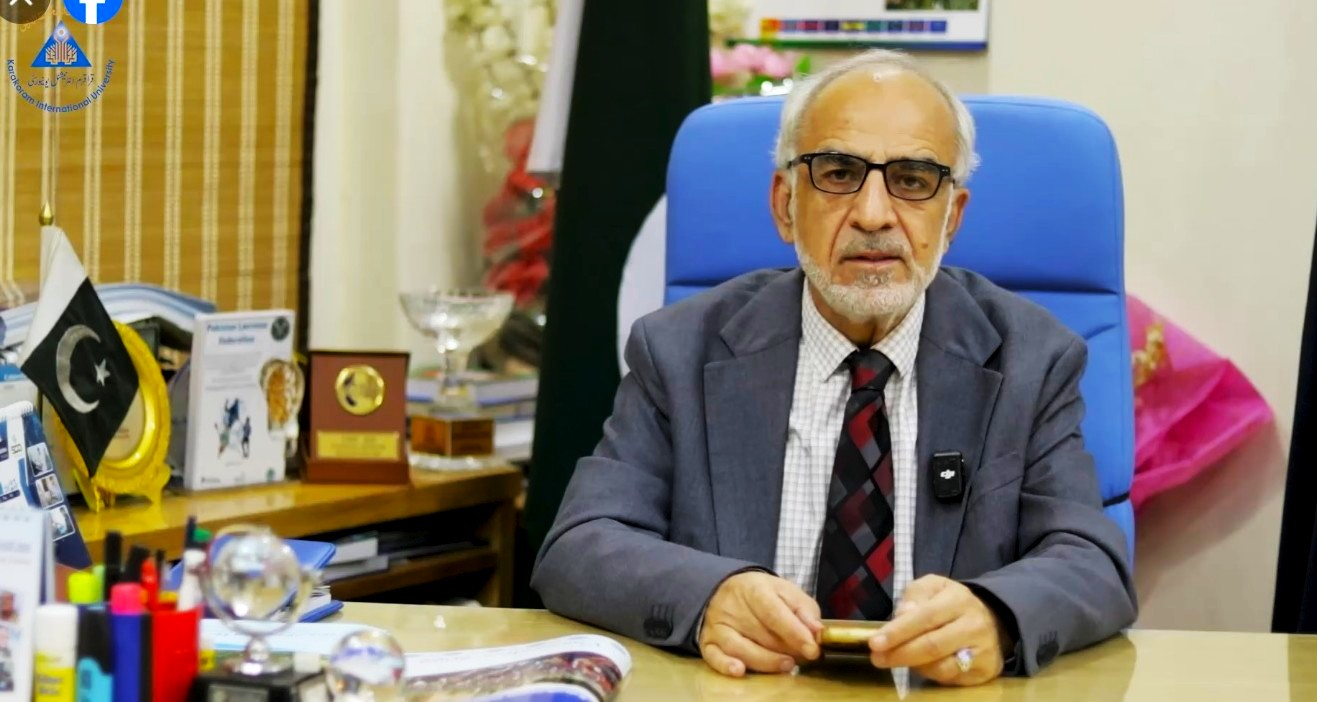
GILGIT- Yunnan Forestry Technological College (YFTC), China, will host 40 students from Karakoram International University (KIU), Pakistan for a year-long program in forestry and agriculture, KIU Vice Chancellor Prof. Dr. Attaullah Shah announced in a congratulatory video message marking Chinese college’s 70th anniversary on September 23.

“Under this partnership, our 40 students in forestry and agriculture will study at YFTC for one year, across two semesters, where they will be taught modern technologies in forestry and agriculture,” Shah said. “We deeply value this collaboration because learning from each other for the development and improvement of this region is very important.”

The Vice Chancellor praised YFTC’s seven decades of excellence, highlighting its contributions to nurturing “both forests and talents” as well as improving health in the region. “I have visited Yunnan province and this college twice, and I was very inspired to see the hard work being done by the university president and the entire academic team,” he said.

Calling it “high time” to learn from one another’s experiences, Shah emphasized the importance of academic exchanges. “We exchange students, we exchange faculty, we develop each other’s programs, and we learn from the lessons of history,” he said.

He added that the partnership would not remain limited to forestry and agriculture. “We will further expand this collaboration to other disciplines, such as tourism and hospitality, business management, and economics,” Shah said, expressing hope that in the future YFTC students would also study at KIU.

“As Yunnan Forestry Technological College marks this important milestone, I look forward to more collaboration in other fields,” he added. “Certainly, once our students arrive at YFTC, they will become part of this collaborative partnership.”
 

Pakistan's flaxseed production may revive with Chinese high-yield varieties​


By Wang Xiaotong | China Economic Net
Sep 23, 2025

TANDOJAM & LANZHOU - A recent field experiment conducted in Sindh, Pakistan, has demonstrated that three Chinese flaxseed varieties - Longya-10, Longya-14, and Longxuan-1 - outperform the local check variety Ilsi-90 when applied with balanced NPK and boron fertilization. Led by Gansu Academy of Agricultural Sciences (GAAS) and Sindh Agriculture University (SAU), the study aims to address the declining flaxseed cultivation in Pakistan, where productivity (692 kg/ha) lags far behind global leaders like China (1,000 kg/ha) and Canada (1,385 kg/ha).

The experiment adopted a standard randomized block design with three replications and five fertilizer treatments. Data on agronomic traits including plant height, branches per plant and grain yield, as well as nutrient concentrations in leaves and seeds were collected.

Longya-14 stood out among all tested varieties: under optimal fertilization, it reached a plant height of 78.5 cm, with 17 branches and 12 seed pods per plant. Its 1000-seed weight hit 7.5 g, grain yield reached 1,089.3 kg/ha, and oil content touched 40.12%. Plus, its leaves and seeds contained higher levels of nitrogen (N), phosphorus (P), and potassium (K) than Ilsi-90. Ilsi-90 showed lower productivity and nutrient uptake efficiency even under improved fertilization; it only exhibited higher leaf boron concentration under the optimal treatment but failed to match the overall performance of Chinese varieties

Pakistan's flaxseed production may revive with Chinese high-yield varieties


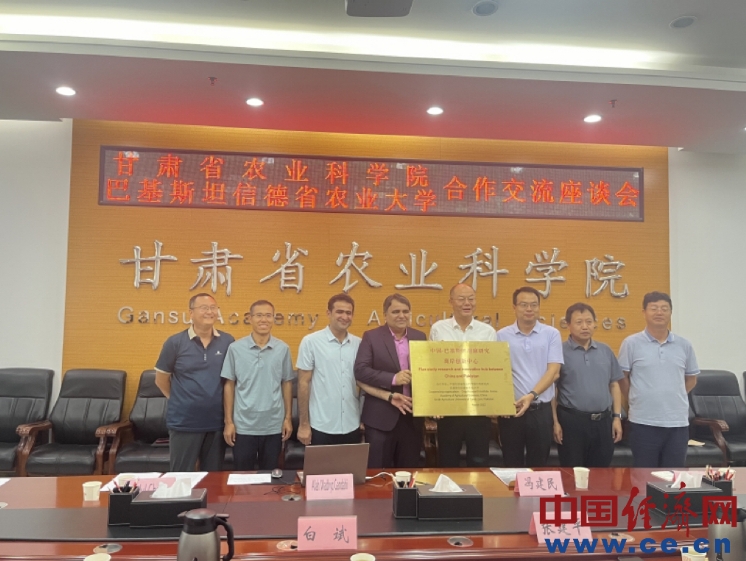
The Flax Study Research and Innovation Hub between China and Pakistan by Gansu Academy of Agricultural Sciences and Sindh Agriculture University is unveiled in July, 2024. [Photo provided by Zhao Wei]

The study, published in the Journal of Ecological Engineering in August, 2025, confirms that combining balanced NPK fertilizer with boron - together with nutrient-responsive Chinese varieties (especially Longya-14) - can substantially enhance flax yield and seed nutritional quality in Sindh’s nutrient-deficient soils, providing a practical solution to revitalize Pakistan’s flaxseed industry.
 

Pakistan gearing up to assemble 57-80hp Belarus tractors

Tahir Amin Published September 26, 2025

ISLAMABAD: Pakistan is gearing up to locally assemble 57–80 horsepower Belarus tractors, in what officials described as a breakthrough for the country’s agricultural and industrial sectors.

Special Assistant to the Prime Minister (SAPM) on Industries and Production, Haroon Akhtar Khan, while chairing a high-level meeting with representatives from private tractor investors, Margalla Heavy Industries Ltd, Heavy Industries Taxila, and Green Corporate Initiatives on Thursday, said the government will facilitate the establishment of a CKD (Completely Knocked Down) plant for high-horsepower tractors in partnership with Belarus.

“An agreement with Belarus on tractors will significantly boost agriculture and increase farmers’ productivity,” Khan said. He added that the initiative would not only modernize Pakistan’s farming practices but also strengthen the country’s industrial base.


Industry sources estimate a market potential of 2,800 tractor units over the next five years, underscoring strong demand for high-power machinery to support crop yields and mechanization.

Khan revealed that several investors have already expressed deep interest in the Belarus tractors project and urged more private players to seize the opportunity.

“This B2B partnership between Pakistan and Belarus has the potential to be a real game-changer,” he emphasized.

The project is seen as a critical step in reducing import dependence, enhancing local manufacturing capacity, and empowering farmers with modern tools to drive productivity and growth.

Copyright Business Recorder, 2025
 

China to invest $37m in donkey breeding in Pakistan​

Chinese company to set up 40 farms with target of producing 80,000 animals annually
Zaheer Ali Khan


Pakistan is set to witness a unique investment initiative as Chinese company Sing Ying has agreed to pour $37 million into increasing donkey breeding across the country.

The plan includes establishing 40 specialized farms and setting up a laboratory to enhance breeding on a scientific basis.

$37m investment for donkey farming​


According to sources in the Ministry of Food Security, the farms will be developed in different regions of Pakistan with the goal of producing 80,000 donkeys every year. Officials believe that with systematic and scientific breeding, Pakistan could become part of the global donkey supply chain, opening new trade avenues.

Laboratory to be established in Peshawar​


As part of the project, a dedicated donkey breeding laboratory will be established at the University of Agriculture, Peshawar. The breeding process is expected to run intensively for the first three to five years to ensure sustainable production.

Export of donkey meat and bones to China​


Once operations begin, around 10,000 donkeys will be processed for meat exports to China every month. Officials clarified that donkey meat and bones will only be exported, while local sales of donkey meat will remain strictly prohibited.

Potential role in global supply chain​


The Ministry of Food Security sources highlighted that this agreement positions Pakistan to become an important link in the international supply chain for donkey-related products. With demand rising in China, the move could provide Pakistan with a niche export market while also encouraging scientific livestock management.
 

Users who are viewing this thread

Pakistan Defence Latest

Country Watch Latest

Back
Top