Pakistan Budget for FY 2026-27

Less than a week before the next budget, the Economic Coordination Committee (ECC) of the cabinet on Friday approved more than Rs40 billion in supplementary grants and a Rs100bn sovereign-guarantee-backed financing facility for the Pakistan State Oil (PSO), which is facing over Rs900bn in receivables from other state-owned enterprises, raising concerns about smooth oil supplies.

And despite financial constraints forcing development cuts in the name of IMF restrictions, the ECC meeting, presided over by Finance Minister Muhammad Aurangzeb, also allowed Rs10bn additional funds for parliamentarians’ development schemes and expanded the scope of special honoraria running up to six-month additional salaries to more ministries and departments involved in federal budget preparations.

Read more: https://www.dawn.com/news/2005583

The last paragraph - buying loyalty
 

Government proposes Rs187.2b social outlay​

Proposes social sector allocation has been increased to Rs187 billion from the current fiscal year's Rs147 billion

Our Correspondent
June 07, 2026

tribune


ISLAMABAD: The government has proposed a substantial increase in social sector spending in the upcoming fiscal year, earmarking Rs187.2 billion to support poverty alleviation and sustainable development initiatives under the Sustainable Development Goals (SDGs) framework.

According to budget proposals, Rs70 billion has been allocated for the SDGs Achievement Programme aimed at improving the welfare of poor and marginalised communities across the country.

The proposed social sector allocation has been increased to Rs187 billion from the current fiscal year's Rs147 billion.

A total of Rs78.5 billion has been proposed for the education sector and the Higher Education Commission (HEC). To support underprivileged students nationwide, Rs3 billion has been earmarked for the Pakistan Education Endowment Fund to provide educational scholarships.
 

Fixed tax scheme​

.


EditorialJune 08, 20261 min read


tribune


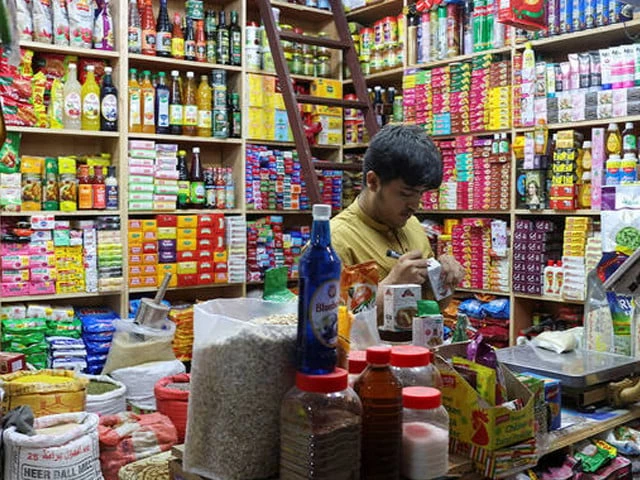
The new fixed tax scheme of the Federal Board of Revenue represents the latest attempt to expand the anaemic tax base using a flawed half-measure that is neither fair nor effective. The new scheme comes a year after the much-touted 'Tajir Dost' scheme, which collected less than Rs1 million against an IMF-imposed target of Rs10 billion for the first quarter. A critical cause of the previous scheme's failure was its voluntary nature and lack of incentives. The new scheme has the same fatal flaws. People cannot be expected to give the government large sums of money out of the goodness of their hearts. There have to be some rewards for filing and harsh penalties for not filing.

In this case, the ridiculously low tax rate of 1%, coupled with audit exemptions, makes it seem like a 'wash' scheme. Participants are also exempt from installing point-of-sale machines or issuing digital invoices, though they will not qualify for returns. Not only is this a step backward on the goal of digitising the economy, but it is also toothless in that nobody who actually pays the flat rate will want a refund - people opting in would invariably do so as a way to save money by paying a significantly lower tax rate.

Still, the scheme would have some value if it genuinely helps widen the tax net, but we will not get our hopes up. Until the government starts treating tax evasion like an actual crime, rather than some sort of game, it will never go beyond this yearly exercise of failed 'scheming'. Small businesses are the backbone of the economy. The government should abandon its incremental approach and go for a policy of genuine incentivisation, while also punishing non-compliance. Higher penalties, including jail time, along with rewards such as lower tax rates and access to loans and investment would be a start. Bringing evaders into the tax net must be done using a path paved with real rewards and real punishments for all.
 

Users who are viewing this thread

Latest Posts

Back
Top