Pakistan Deploys Chinese SH-15 155mm howitzers Near India Border Against a Backdrop of Regional Tensions.

Artillery is still the most cost effective option to doing massive damage.

Drones are cheaper than missiles but artillery is best bang for buck and you can just keep the pressure on consistently

I totally agree with your point. But wouldn't this also put our artillery units under danger specially from Indian FPV and other LMs ? Because the rounds stored on both sides of the SH-15 are open to any FPV drone and may cause serious damage is secondary blasts.

They should be training with Anti-FPV nets also.
 
Last edited:
I totally agree with your point. But wouldn't this also put our artillery units under danger specially from Indian FPV and other LMs ?
From my understanding, typical FPV drones don't have the range to reach artillery positions. The more complex ones do and there isn't much defence for that. Either invest in anti drone weapons or just swamp them with your own drones.
 
From my understanding, typical FPV drones don't have the range to reach artillery positions. The more complex ones do and there isn't much defence for that. Either invest in anti drone weapons or just swamp them with your own drones.

Ukrainians have achieved an FPV kill 103 km away. Modern warfare is changing with each passing month. Sh-15 are very capable and necessary addition but we still need to protect them from enemy assets. As I recommended in my previous post, starting to train SH-15 crew with active anti-FPV nets will help.
 
Ukrainians have achieved an FPV kill 103 km away. Modern warfare is changing with each passing month. Sh-15 are very capable and necessary addition but we still need to protect them from enemy assets. As I recommended in my previous post, starting to train SH-15 crew with active anti-FPV nets will help.
There is a lot of defences including just stashing thousands of inflatable artillery.

In ukraine war a lot of artillary is under camouflage and very difficult to see as well.

But modern warfare changes a lot of things and we have yet to fully understand it completely
 
Ukrainians have achieved an FPV kill 103 km away. Modern warfare is changing with each passing month. Sh-15 are very capable and necessary addition but we still need to protect them from enemy assets. As I recommended in my previous post, starting to train SH-15 crew with active anti-FPV nets will help.

Nothing in battlefield is safe against FPV.
 
I totally agree with your point. But wouldn't this also put our artillery units under danger specially from Indian FPV and other LMs ? Because the rounds stored on both sides of the SH-15 are open to any FPV drone and may cause serious damage is secondary blasts.

They should be training with Anti-FPV nets also.
There is something called Firefinder Radar or Weapon-Locating Radar, designed to detect and track incoming mortar, artillery and rocket fire determining the point of origin for counter-battery fire.

Once the projectile you fired is airborne, it rapidly detects and continuously tracks the target, while quickly calculating the precise location of the launch point... and then, the counterattack begins.

A key feature of the SH-15 is its ability to withdraw rapidly. Ideally, the system should be equipped with its own radar or other detection capabilities to determine whether the enemy has pinpointed its location and is launching a counterattack. Remaining in a fixed position for sustained firing makes the unit highly vulnerable to enemy counter-fire.

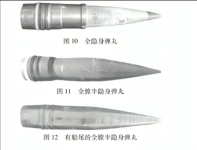
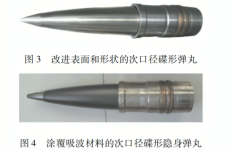
But...... a "new toy" has recently appeared in China: the 155mm stealth projectile.
1789488680813.png
1789488717241.png
 
Put flak, which includes massive output 20mm and 50mm cannons and high jamming screens in front of the artillery which have been very effective against drones.
Should start producing cheap AA guns with cheap anmunition - install AA guns along the Border every 2 km one gun !
 
There is something called Firefinder Radar or Weapon-Locating Radar, designed to detect and track incoming mortar, artillery and rocket fire determining the point of origin for counter-battery fire.

Once the projectile you fired is airborne, it rapidly detects and continuously tracks the target, while quickly calculating the precise location of the launch point... and then, the counterattack begins.

A key feature of the SH-15 is its ability to withdraw rapidly. Ideally, the system should be equipped with its own radar or other detection capabilities to determine whether the enemy has pinpointed its location and is launching a counterattack. Remaining in a fixed position for sustained firing makes the unit highly vulnerable to enemy counter-fire.

But...... a "new toy" has recently appeared in China: the 155mm stealth projectile.
View attachment 215613
View attachment 215614


so are you saying, these guns need to go within the FPV range, bec of these shells?

or, bec,, of a radar, it is not possible for FPV to come near the gun?

the way I see it, FPV drone means zero effectiveness of any gun!
 
so are you saying, these guns need to go within the FPV range, bec of these shells?
or, bec,, of a radar, it is not possible for FPV to come near the gun?
the way I see it, FPV drone means zero effectiveness of any gun!
To date, the flight endurance of any FPV drone has been extremely limited. Faced with a vast battlefield, where will you fly your FPV?

Without battlefield radar or other detection methods to provide a general heading, FPVs are of little practical value against mobile targets. People usually only see FPVs attacking enemy targets, but rarely pay attention to why the FPVs fly in this direction, or why they hover and search carefully in this area.

FPVs are small UAVs with very limited sensor capabilities, necessitating flight at extremely low altitudes. However, this makes them vulnerable to attack—a classic example of the escalating cycle between offense and defense.

On the Russia-Ukraine battlefield, large numbers of Chinese-made agricultural radars—originally designed to detect wild boars—have been repurposed for battlefield surveillance, though they rarely garner much attention.

It is true that FPVs achieved spectacular results early on in the conflict. But what about now?

The legend of the FPV is changing...
 
To date, the flight endurance of any FPV drone has been extremely limited. Faced with a vast battlefield, where will you fly your FPV?

Without battlefield radar or other detection methods to provide a general heading, FPVs are of little practical value against mobile targets. People usually only see FPVs attacking enemy targets, but rarely pay attention to why the FPVs fly in this direction, or why they hover and search carefully in this area.

FPVs are small UAVs with very limited sensor capabilities, necessitating flight at extremely low altitudes. However, this makes them vulnerable to attack—a classic example of the escalating cycle between offense and defense.

On the Russia-Ukraine battlefield, large numbers of Chinese-made agricultural radars—originally designed to detect wild boars—have been repurposed for battlefield surveillance, though they rarely garner much attention.

It is true that FPVs achieved spectacular results early on in the conflict. But what about now?

The legend of the FPV is changing...


so you are saying, even optical tracking is useless for a gun on a truck or a wheeled gun, let alone using a radar bec, of a stealth shell!

thats very innovative
 

Users who are viewing this thread

Country Watch Latest

Back
Top