Pakistan Tehreek-e-Insaf's (PTI) Rallies / Protests

The War of Independence of 1857, also known as the Indian Rebellion of 1857, was a significant uprising against British rule in India. It began on May 10, 1857, in Meerut and quickly spread to regions such as Delhi, Agra, Kanpur, and Lucknow.


Causes of the Rebellion


The rebellion stemmed from multiple factors:


• Political Grievances: The British East India Company’s policies, including the Doctrine of Lapse, led to the annexation of several Indian states, causing discontent among local rulers.


• Economic Exploitation: Heavy taxation and the destruction of traditional industries adversely affected peasants and artisans.


• Social and Religious Interference: Reforms perceived as attempts to Christianize India, such as outlawing certain social practices, fueled resentment.


• Military Causes: Indian soldiers, or sepoys, faced discrimination in the British army. The introduction of new rifle cartridges rumored to be greased with cow and pig fat offended both Hindu and Muslim religious sensibilities.


Key Events


• Outbreak in Meerut: On May 10, 1857, sepoys in Meerut rebelled against their British officers, marking the rebellion’s beginning.


• Capture of Delhi: Rebels seized Delhi and declared the Mughal emperor, Bahadur Shah II, as the leader of the uprising.


• Siege of Cawnpore (Kanpur): Nana Sahib led forces that captured Kanpur, resulting in significant casualties.


• Siege of Lucknow: The British Residency in Lucknow faced a prolonged siege, with heavy losses on both sides.


Consequences


• End of Company Rule: The British government dissolved the East India Company, bringing India under direct Crown control.


• Administrative Changes: Reforms were introduced to integrate Indians into governance, though significant power remained with the British.


• Military Reorganization: The British restructured the army to prevent future rebellions, increasing the ratio of British to Indian soldiers and reorganizing command structures.


• Social and Economic Policies: The British adopted more conservative approaches, avoiding interference in social and religious matters to reduce unrest.


The War of Independence of 1857 was a pivotal event in Indian history, highlighting the growing discontent with British colonial rule and setting the stage for future movements toward independence.
 
The War of Independence of 1857, also known as the Indian Rebellion of 1857, was a significant uprising against British rule in India. It began on May 10, 1857, in Meerut and quickly spread to regions such as Delhi, Agra, Kanpur, and Lucknow.


Causes of the Rebellion


The rebellion stemmed from multiple factors:


• Political Grievances: The British East India Company’s policies, including the Doctrine of Lapse, led to the annexation of several Indian states, causing discontent among local rulers.


• Economic Exploitation: Heavy taxation and the destruction of traditional industries adversely affected peasants and artisans.


• Social and Religious Interference: Reforms perceived as attempts to Christianize India, such as outlawing certain social practices, fueled resentment.


• Military Causes: Indian soldiers, or sepoys, faced discrimination in the British army. The introduction of new rifle cartridges rumored to be greased with cow and pig fat offended both Hindu and Muslim religious sensibilities.


Key Events


• Outbreak in Meerut: On May 10, 1857, sepoys in Meerut rebelled against their British officers, marking the rebellion’s beginning.


• Capture of Delhi: Rebels seized Delhi and declared the Mughal emperor, Bahadur Shah II, as the leader of the uprising.


• Siege of Cawnpore (Kanpur): Nana Sahib led forces that captured Kanpur, resulting in significant casualties.


• Siege of Lucknow: The British Residency in Lucknow faced a prolonged siege, with heavy losses on both sides.


Consequences


• End of Company Rule: The British government dissolved the East India Company, bringing India under direct Crown control.


• Administrative Changes: Reforms were introduced to integrate Indians into governance, though significant power remained with the British.


• Military Reorganization: The British restructured the army to prevent future rebellions, increasing the ratio of British to Indian soldiers and reorganizing command structures.


• Social and Economic Policies: The British adopted more conservative approaches, avoiding interference in social and religious matters to reduce unrest.


The War of Independence of 1857 was a pivotal event in Indian history, highlighting the growing discontent with British colonial rule and setting the stage for future movements toward independence.
Left out the important details of pogroms and persecution of Muslims, destruction of their livelyhood, power centers and culture.

There are pictures of Dehli Jama Masjid from prior to 1857 surrounded by dwellings, shops and business and post 1857, whereby there is only bare land with no buildings in sight.
 
Nobody is forcing you to support PTI, you can support the 2 family dynasties if you want.

what proof do you want?
Anything besides a tweet by an unknown individual, which no one will remember in a few days unless the conspiracy gains traction, at which point the PTI leadership would distance themselves from the rumour and the we will be back to square one.
 
The War of Independence of 1857, also known as the Indian Rebellion of 1857, was a significant uprising against British rule in India. It began on May 10, 1857, in Meerut and quickly spread to regions such as Delhi, Agra, Kanpur, and Lucknow.


Causes of the Rebellion


The rebellion stemmed from multiple factors:


• Political Grievances: The British East India Company’s policies, including the Doctrine of Lapse, led to the annexation of several Indian states, causing discontent among local rulers.


• Economic Exploitation: Heavy taxation and the destruction of traditional industries adversely affected peasants and artisans.


• Social and Religious Interference: Reforms perceived as attempts to Christianize India, such as outlawing certain social practices, fueled resentment.


• Military Causes: Indian soldiers, or sepoys, faced discrimination in the British army. The introduction of new rifle cartridges rumored to be greased with cow and pig fat offended both Hindu and Muslim religious sensibilities.


Key Events


• Outbreak in Meerut: On May 10, 1857, sepoys in Meerut rebelled against their British officers, marking the rebellion’s beginning.


• Capture of Delhi: Rebels seized Delhi and declared the Mughal emperor, Bahadur Shah II, as the leader of the uprising.


• Siege of Cawnpore (Kanpur): Nana Sahib led forces that captured Kanpur, resulting in significant casualties.


• Siege of Lucknow: The British Residency in Lucknow faced a prolonged siege, with heavy losses on both sides.


Consequences


• End of Company Rule: The British government dissolved the East India Company, bringing India under direct Crown control.


• Administrative Changes: Reforms were introduced to integrate Indians into governance, though significant power remained with the British.


• Military Reorganization: The British restructured the army to prevent future rebellions, increasing the ratio of British to Indian soldiers and reorganizing command structures.


• Social and Economic Policies: The British adopted more conservative approaches, avoiding interference in social and religious matters to reduce unrest.


The War of Independence of 1857 was a pivotal event in Indian history, highlighting the growing discontent with British colonial rule and setting the stage for future movements toward independence.
It’s not the relevant topic but as mentioned earlier, the so-called War of Independence was primarily fought in the Indian part of the subcontinent. We Punjabis, as usual, largely accepted the situation and mostly supported the British. The Sikhs, having recently lost Punjab, chose to align with the British, while the Muslims remained disunited similar to the aftermath of 2022 vote of no-confidence in Pakistan.
 
These are the heroes of the Islamabad Police who did not participate in the atrocities at the behest of the regime. Now action is being taken against them.

To view this content we will need your consent to set third party cookies.
For more detailed information, see our cookies page.

it has personal phone numbers..
 
It’s not the relevant topic but as mentioned earlier, the so-called War of Independence was primarily fought in the Indian part of the subcontinent. We Punjabis, as usual, largely accepted the situation and mostly supported the British. The Sikhs, having recently lost Punjab, chose to align with the British, while the Muslims remained disunited similar to the aftermath of 2022 vote of no-confidence in Pakistan.
We talking about us our forefathers were involved in treason way today bajawa and Asim munier
 
To view this content we will need your consent to set third party cookies.
For more detailed information, see our cookies page.
 
I have spent 2 decades backing PTI. But each time I investigated, it was always bunch of lies.

I support PTI but I know they are the biggest liars in Pakistan, hence the proof


Like every scammer who calls in the USA introducing himslef as David from Austin in thick Indian accent with curry smell.....every Patwari starts the conversation by saying he was the biggest PTI supporter but has now changed his mind......
 
Very known person who is tweeting
To view this content we will need your consent to set third party cookies.
For more detailed information, see our cookies page.
 
To view this content we will need your consent to set third party cookies.
For more detailed information, see our cookies page.
 
To view this content we will need your consent to set third party cookies.
For more detailed information, see our cookies page.
 
To view this content we will need your consent to set third party cookies.
For more detailed information, see our cookies page.
 
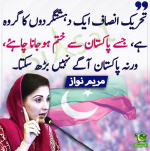
Tehreek-e-Insaf is a terrorist group, which should be eliminated from Pakistan, otherwise, Pakistan cannot move forward.

Maryam Nawaz
1733339059760.png
 
DPO Joke !!

To view this content we will need your consent to set third party cookies.
For more detailed information, see our cookies page.
 
To view this content we will need your consent to set third party cookies.
For more detailed information, see our cookies page.

Pakistan had its moment. PTI protestors reached D Chowk and the Army left peacefully.
The thing is SK army left and didn't come back with blazing guns.
 

Users who are viewing this thread

Latest Posts

Back
Top