ghazi52
THINK TANK: CONSULTANT


- Thread starter
- #91
Special Service Group Navy - SSGN 
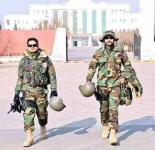
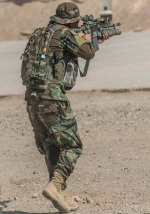
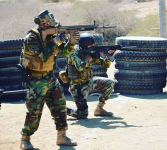
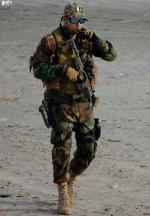
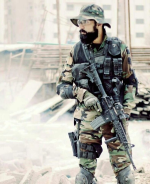
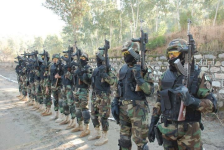
The special operations force tasked with conducting operations in all environmental formats of the sea, air, and land by adopting to the tactics of the unconventional warfare.
After the second war with India in 1965, the Pakistan Navy recognized the need for establishing the armed forces diving unit to conduct the covert reconnaissance of landing beaches and coastal defenses from the attacks by the approaching enemy.
Despite its vision and efforts, the Navy had little experience in combat diving and had little educational understanding about the nature of the seaborne special operations.
In 1966, Vice-Admiral S. M. Ahsan took personal initiatives establishing the special operations force within the Navy by organizing the underwater demolition teams (UDTs) tasked with gathering intelligence while operating the midget submarines.
The establishment of the Special Service Group (Navy) lies from the contribution by the Pakistan Army's Special Service Group whose frogmen team— the Musa Company— first initially trained the Navy personnel on the military combat diving in 1966.
Crucial training on getting trained on the sea, air, and land environmental formats came from the United States Navy when the first unit of the U.S. Navy SEALs was detached to the Pakistan Navy in Karachi, also in 1966.
The teams in the Navy Special Service Group were given training on the armed forces diving, high-altitude parachuting, demolitions, foreign languages, and the intelligence management for the intelligence services.
In 1970, the joint training of the Navy SSG and the U.S. Navy SEALs took place in Naval Base Iqbal in Karachi coast, receiving training and getting the expertise in the sea, air, and land environmental formats.
Since the 1970s, the Navy SSG teams are occasionally sent to the United States for specialized courses and training conducted with the United States Navy SEALs.
In March 1971, the Navy SSG were deployed in the East-Pakistan to support the Army Special Service Group (SSG) instead of the Army's frogmen team— the Musa Company that remained in Pakistan to conduct the inland waterways operations.
Their first direct action based military mission took place in a counterinsurgency operation in Barisal in East-Pakistan, which turned out be a successful in maintaining the control of the city.
In April 1971, the Navy SSG teams were involved in taking another direct actions in Toulon in France when the thirteen East-Pakistani enlists decided to takeover the submarine to try defecting to India but their plans were foiled due to advance knowledge that the Naval Intelligence had gathered on their plans.
The Navy SSG teams engagement with the Bengali insurgents, taking military counter actions at the ports of Chittagong and the Cox's Bazar.
The Navy SSG teams operated from Dacca under the command of the Captain Ahmad Zamir but the teams returned to Pakistan in September 1971 to be trained in operating the X-Craft midget submarines.
The Navy SSG's focused moves towards the special military operations to combating terrorism from the seaborne platform after the terrorist attacks in the United States in 2011.
The Navy Special Service Group became involved in the Afghan war and the extended military operations in Western Pakistan in a joint coordination with the Army Special Service Group in a conflict with the foreign fighters, Talibans, and the al-Qaeda.
The Navy SSG's SEAL Team was involved in taking a crucial direct action against Taliban fighters in dislodging their attack on the Mehran Naval Air Station in May 2011.
In 2014, the Navy SEAL Teams successfully engaged the al-Qaeda fighters after they attempted to maneuver the guided missile frigate, the PNS Zulfiquar (251), and successfully neutralize the attack without the damage done to the guided missile frigate as well as apprehending the attackers alive.
The special operations force tasked with conducting operations in all environmental formats of the sea, air, and land by adopting to the tactics of the unconventional warfare.
After the second war with India in 1965, the Pakistan Navy recognized the need for establishing the armed forces diving unit to conduct the covert reconnaissance of landing beaches and coastal defenses from the attacks by the approaching enemy.
Despite its vision and efforts, the Navy had little experience in combat diving and had little educational understanding about the nature of the seaborne special operations.
In 1966, Vice-Admiral S. M. Ahsan took personal initiatives establishing the special operations force within the Navy by organizing the underwater demolition teams (UDTs) tasked with gathering intelligence while operating the midget submarines.
The establishment of the Special Service Group (Navy) lies from the contribution by the Pakistan Army's Special Service Group whose frogmen team— the Musa Company— first initially trained the Navy personnel on the military combat diving in 1966.
Crucial training on getting trained on the sea, air, and land environmental formats came from the United States Navy when the first unit of the U.S. Navy SEALs was detached to the Pakistan Navy in Karachi, also in 1966.
The teams in the Navy Special Service Group were given training on the armed forces diving, high-altitude parachuting, demolitions, foreign languages, and the intelligence management for the intelligence services.
In 1970, the joint training of the Navy SSG and the U.S. Navy SEALs took place in Naval Base Iqbal in Karachi coast, receiving training and getting the expertise in the sea, air, and land environmental formats.
Since the 1970s, the Navy SSG teams are occasionally sent to the United States for specialized courses and training conducted with the United States Navy SEALs.
In March 1971, the Navy SSG were deployed in the East-Pakistan to support the Army Special Service Group (SSG) instead of the Army's frogmen team— the Musa Company that remained in Pakistan to conduct the inland waterways operations.
Their first direct action based military mission took place in a counterinsurgency operation in Barisal in East-Pakistan, which turned out be a successful in maintaining the control of the city.
In April 1971, the Navy SSG teams were involved in taking another direct actions in Toulon in France when the thirteen East-Pakistani enlists decided to takeover the submarine to try defecting to India but their plans were foiled due to advance knowledge that the Naval Intelligence had gathered on their plans.
The Navy SSG teams engagement with the Bengali insurgents, taking military counter actions at the ports of Chittagong and the Cox's Bazar.
The Navy SSG teams operated from Dacca under the command of the Captain Ahmad Zamir but the teams returned to Pakistan in September 1971 to be trained in operating the X-Craft midget submarines.
The Navy SSG's focused moves towards the special military operations to combating terrorism from the seaborne platform after the terrorist attacks in the United States in 2011.
The Navy Special Service Group became involved in the Afghan war and the extended military operations in Western Pakistan in a joint coordination with the Army Special Service Group in a conflict with the foreign fighters, Talibans, and the al-Qaeda.
The Navy SSG's SEAL Team was involved in taking a crucial direct action against Taliban fighters in dislodging their attack on the Mehran Naval Air Station in May 2011.
In 2014, the Navy SEAL Teams successfully engaged the al-Qaeda fighters after they attempted to maneuver the guided missile frigate, the PNS Zulfiquar (251), and successfully neutralize the attack without the damage done to the guided missile frigate as well as apprehending the attackers alive.