Saudi Arabia strategic Projects: news, discussions & updates

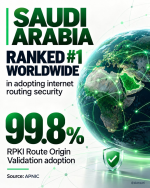
Quite a big milestone.


1793215181923.png

First heavy autumn rainfalls across much of KSA, good to see.


Great video:


Great news:
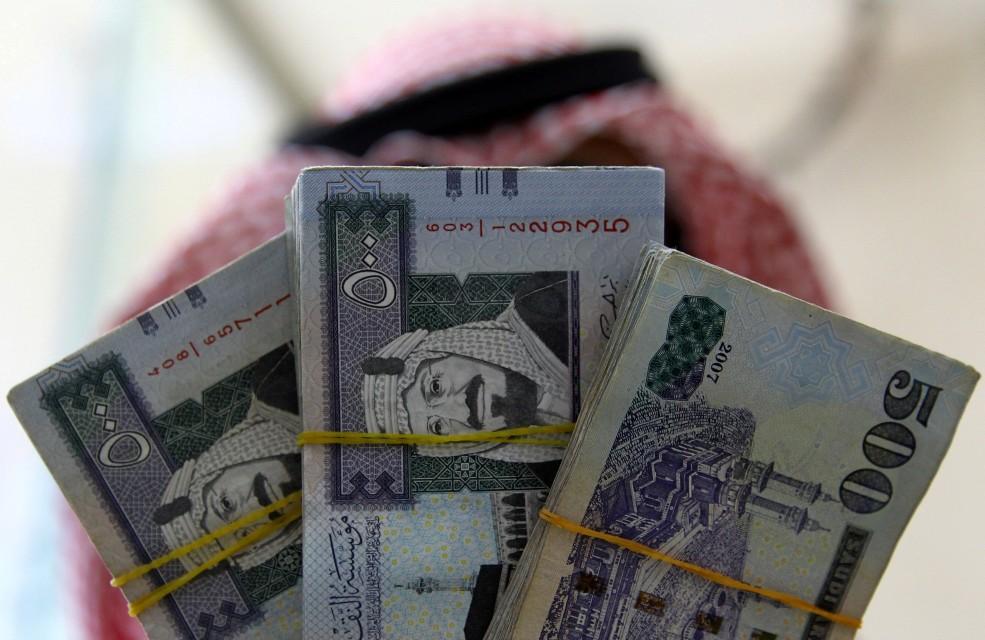
Saudi Arabia’s economy to expand 4.1% in 2027: OECD​


  • Saudi Arabia's GDP is projected to grow by 4.1% in 2027, outpacing the global economy, G20, and G7 countries according to the OECD.
  • The Kingdom's growth rate marks a significant recovery from a projected 1.8% contraction in 2026, following an estimated growth of 4.6% in 2025.
  • Global economic growth is expected to be 2.9% in 2026, driven by resilient activity in many countries despite challenges from the Middle East conflict.
  • Saudi Arabia's inflation is projected to remain low at 1.8% in 2026 and 2.1% in 2027, indicating stability in the country's economy.
  • The OECD forecasts G20 countries will see growth of 3.1% in 2026 and 3% in 2027, while major economies like the US and euro area are expected to grow at 2.2% and 1%, respectively.
  • Global economic prospects are uncertain, reliant on resolving the Middle East conflict and facing risks such as prolonged energy shocks and agricultural impacts from climate events.


While our main enemy regime now has an economy over 2 times smaller than 10 million big UAE with tiny Qatar almost catching up, KSA is booming and showing its incredible resilience despite the events of the last 8 months and an active conflict with the Houthi terrorist cult.
 
Last edited:
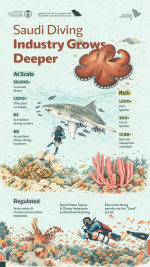

1793217966659.png


Good to see that the development occurs across the board and across provincial capitals and cities across the Kingdom.


Tremendous potential in many areas of KSA that in the past were given less attention. It is inevitable that much of the development will occur and occurs in the main cities but in order to keep the cohesion intact, other areas cannot be neglected which they have luckily not been for the most part.


1793218645591.png

1793218783564.png

1793218790676.png


Some amazing landscapes covered by this account below as well as footage of recent rainfall and change of landscapes. Quite a sight.

 
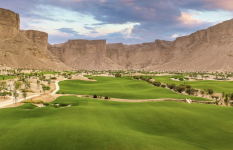
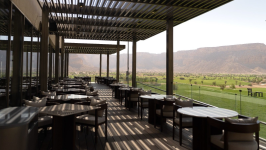
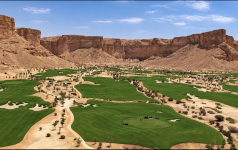
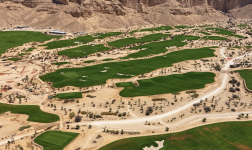
Not played golf regularly of late but this looks like a world class golf course. Definitely on my bucket list.

Opening officially tomorrow with no membership requirements:


"Qiddiya Investment Company announces the opening of the National Golf Club in Qiddiya City tomorrow, Friday. It features an 18-hole golf course aligned with the Tuwayq Mountains and allows everyone to play golf without requiring membership. The permanent club building and its specialized academy are set to be completed in 2028."

1793282077670.png

1793282086236.png

1793282114562.png

1793282122575.png


Saudi Culture Continues Its Global Presence 🇸🇦From the Kingdom to Algeria, the influence of Saudi cultural dynamism extends; led by the participation of the Literature, Publishing and Translation Authority, where the Kingdom serves as Guest of Honor #Algeria_International_Book_Fair_2026, affirming its cultural stature and presence in international forums
Great to see that the relations with our Algerian brothers and sisters is continuously reaching greater heights.
 
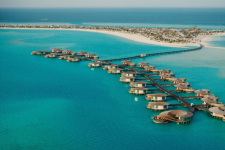
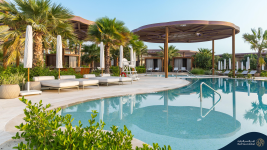
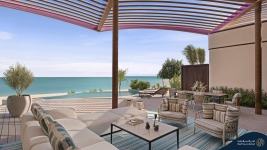
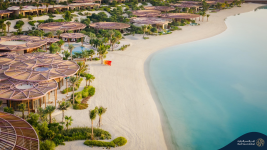
Stunning architecture:


New resort has opened on Shura island in the stunning Red Sea.


Looks like AI but the photos are real.

1793282406871.png

1793282422880.png

1793282441539.png

The amazing forestation and regreening across KSA continues. A reminder that KSA has regreened an area larger than Lebanon in recent years.


Recent afforestation updates from Madinah and outskirts of Ha'il.


Saudi-US venture to invest $4bn in American power sector​

By Pramod Kumar
October 29, 2026 5:57 PM

US electricity demand is expected to reach record levels, driven by the growth of data centres and wider electrification
US power demand is likely to reach record highs, driven by data centres and wider electrificationCopyright:Acwa Power

Acwa, the Saudi sovereign fund-backed renewables company, and global infrastructure investor EIG have agreed to allocate $4 billion in capital to expand the US power sector.

The companies will launch Plenum Power, committing the money as an initial equity contribution. Acwa will own a 49 percent stake in the joint venture, while EIG will hold the rest.

US electricity demand is expected to reach record levels, driven by data centres and wider electrification. The deal marks a further expansion of Saudi investment in American infrastructure as Riyadh strengthens economic ties with Washington.

In November 2025 Saudi Crown Prince Mohammed bin Salman increased his pledge for investment in the US economy to $1 trillion, from the $600 billion he committed in January that year. The funds are mainly for energy, defence, aviation and technology.

The US Energy Information Administration projected this month that power demand will rise from a record 4,195 billion kilowatt-hours (kWh) in 2025 to 4,288 billion kWh in 2026 and 4,356 billion kWh in 2027.

Plenum Power will pursue acquisitions, develop new capacity and support the next phase of growth in US power infrastructure, Acwa said in a statement.

Further reading:​

R Blair Thomas, chief executive of EIG, said the US power industry is at an inflection point, with demand accelerating as artificial intelligence, data centres and electrification reshape the market.

EIG has committed more than $14 billion globally across power generation, renewable energy, energy storage and related energy-transition infrastructure.

Acwa has 32 projects under development, with combined power-generation capacity of 47 gigawatts and water desalination capacity of 2 million cubic metres per day.

The Saudi Public Investment Fund owns 44.1 percent of Acwa. The company’s shares were around 3 percent lower in late Thursday trading, and are down about 14 percent year-to-date.


Saudi Service Exports Rise by 6.9%​

Saudi Service Exports Rise by 6.9%

Maaal: «Riyadh»Published: 29 October 2026

Statistics on international trade in services indicate that the total value of the Kingdom’s service exports in 2025 reached SAR 251.7 billion, up from SAR 235.5 billion in 2024—an increase of 6.9%.

According to the General Authority for Statistics, this growth is primarily attributed to a 4.1% rise in travel service exports compared to the previous year. Meanwhile, the total value of the Kingdom’s service imports reached approximately SAR 488.6 billion, compared to SAR 469 billion in 2024—an increase of 4.2%—with transport services accounting for the largest share at SAR 133.7 billion.


ZAWYA: Saudi business sector revenues rise 2.3% to $1.50trln in 2025​

Oct 29, 2026 at 10:47 GMT+1


Saudi projects seek to boost water storage and cut energy use in Riyadh​

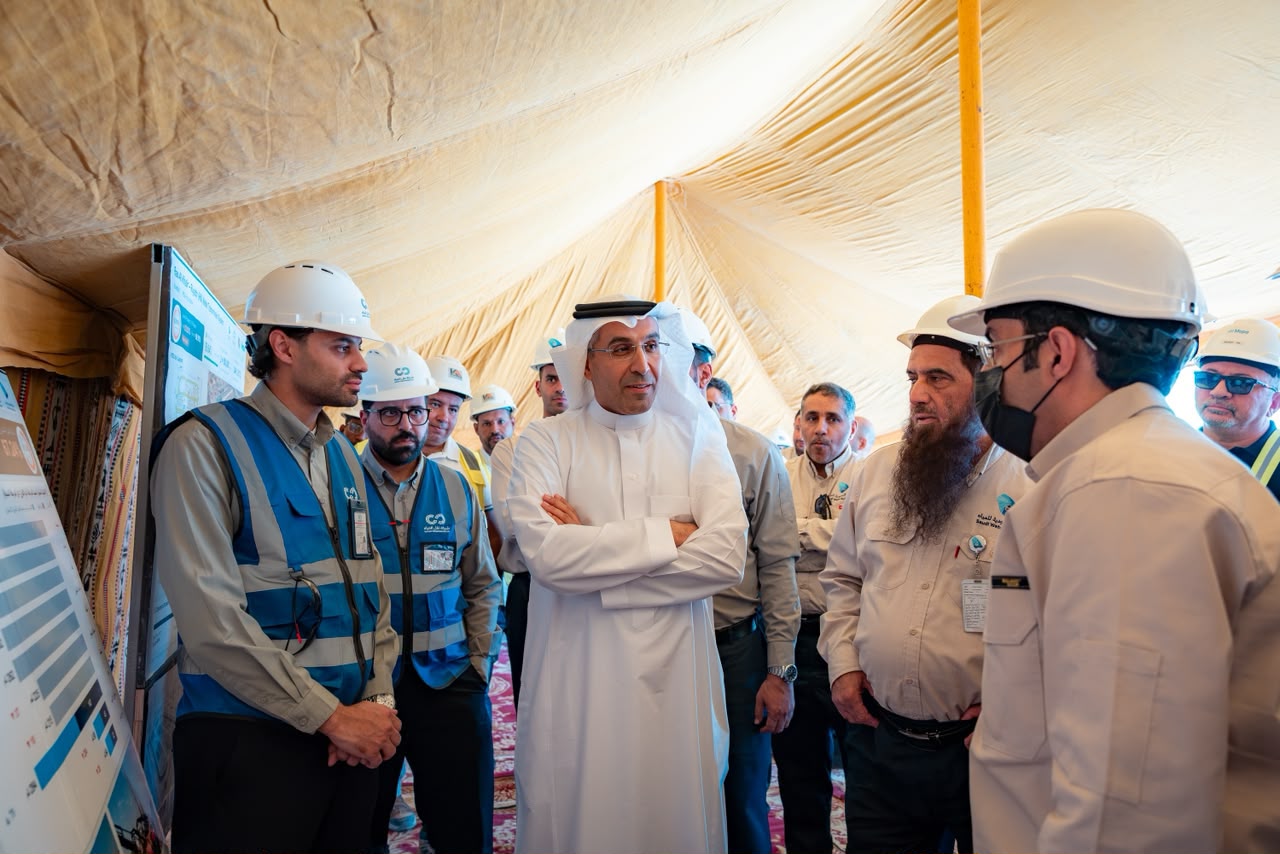
  • The Saudi Water Authority president, Abdullah Ibrahim Al-Abdul-Karim, inspected water and energy projects in Riyadh and the Eastern Region
  • A system is being developed to transmit water from the Eastern Province to Riyadh, with new storage facilities to accommodate urban growth

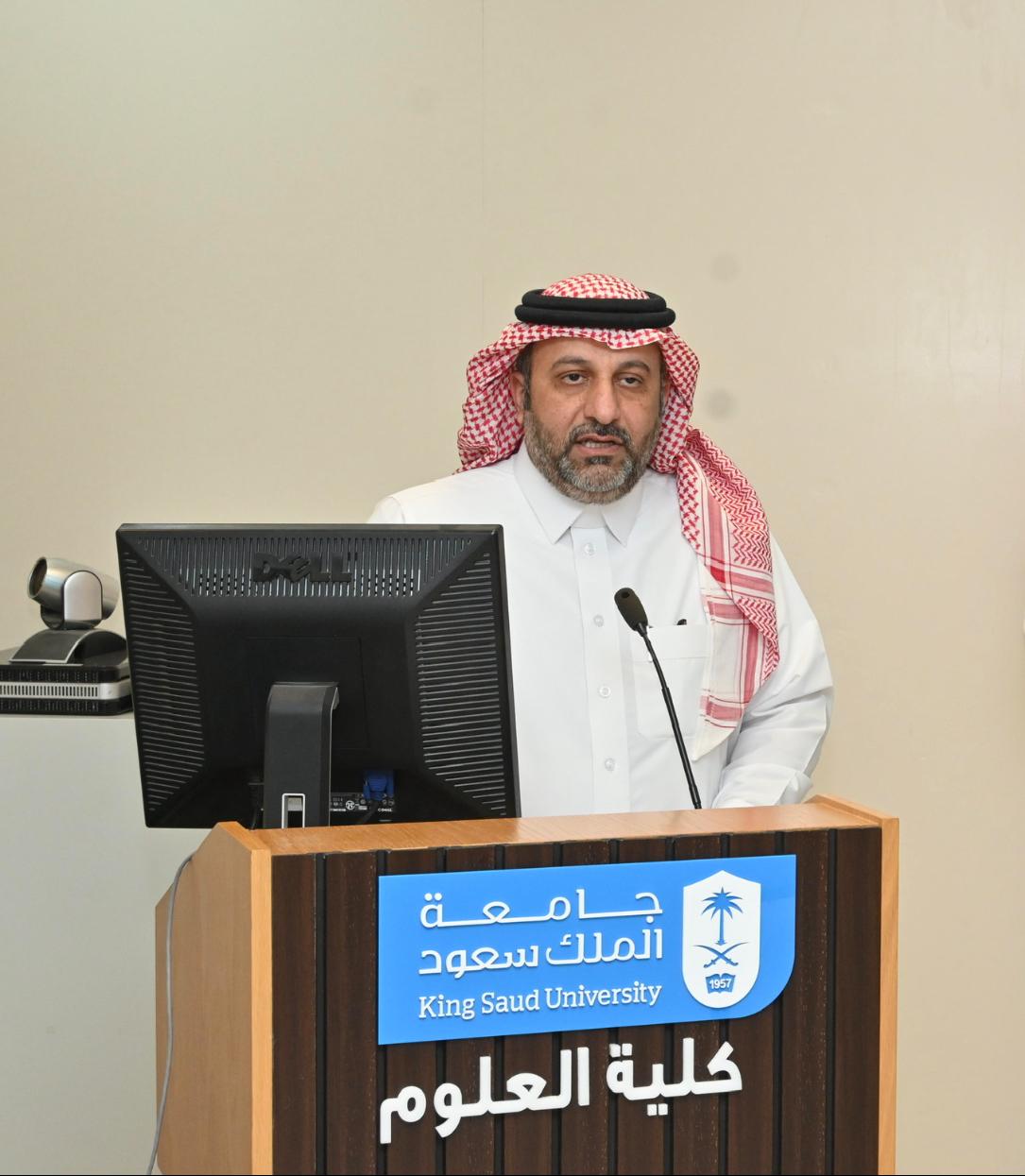
151 King Saud University scientists named among world’s top researchers​


Saudi hospital jumps 107 places in global smart hospitals rankings​

Riyadh hospital one of 15 worldwide to earn top digital and AI honors (SPA)


Great news:

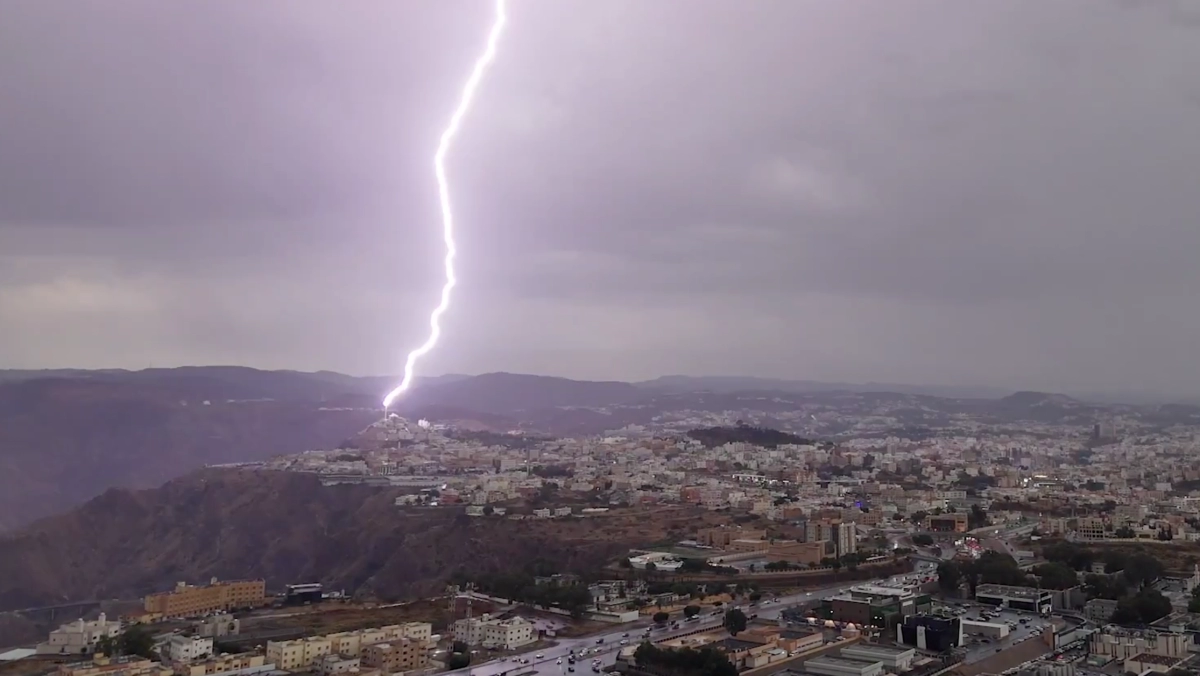
Saudi Arabia issues red and orange alerts as heavy thunderstorms sweep across several regions​


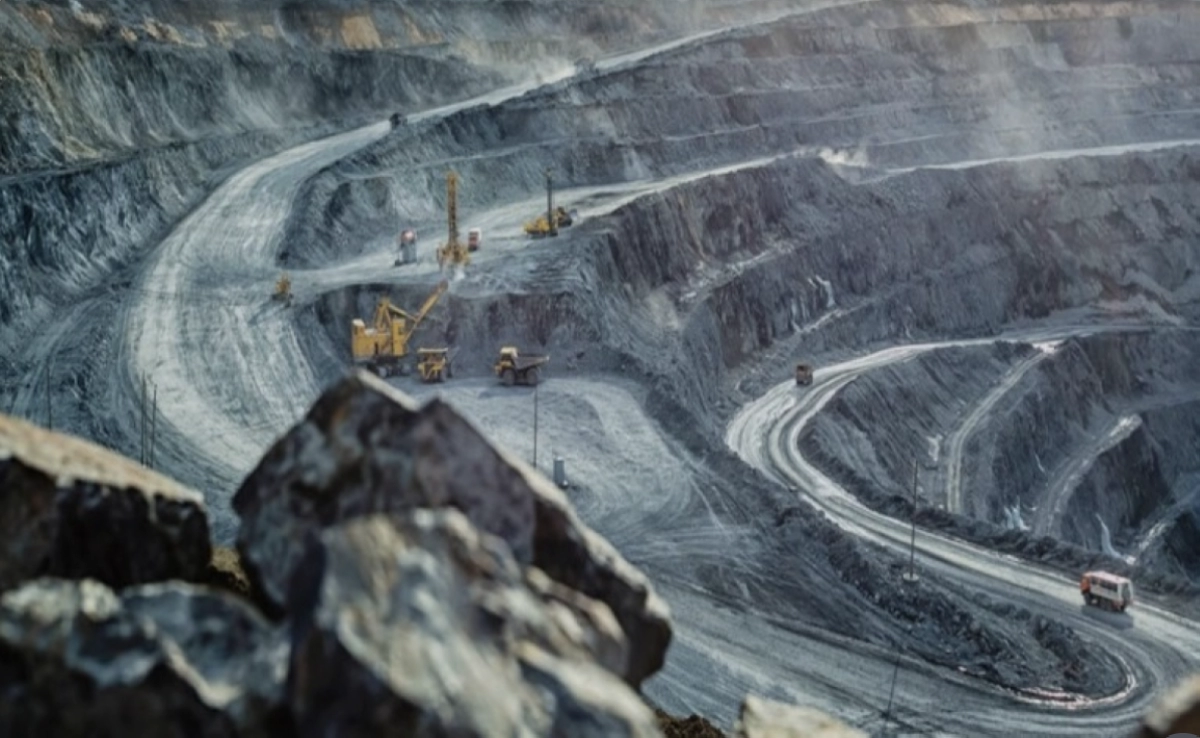
Saudi mining licenses rise to 2,925 as mineral discoveries reach 5,680 in 2025​

Saudi mining licenses rise to 2,925 as mineral discoveries reach 5,680 in 2025


October 28, 2026 | 11:07 AM
Saudi Gazette

 
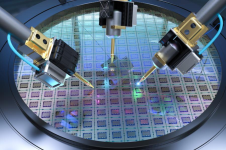
From radars to missiles and artificial intelligence.. Saudi Arabia is building a national semiconductor industry and localizing chip technology​

1794343969111.png

Saudi Arabia builds a national system for the semiconductor industry and localizes electronic chip technology

The Kingdom of Saudi Arabia is working to build a comprehensive national semiconductor manufacturing system, encompassing the design, development, and manufacturing of electronic chips. This strategic step aims to shift from relying on the consumption of advanced technologies to possessing the necessary national capabilities for their production and development, thereby strengthening the Kingdom's position in one of the world's most important technology industries.

In this context, the National Semiconductor Cluster brings together government entities, universities, research centers, local and international companies, along with investors and venture capital firms, with the goal of developing the semiconductor sector within the Kingdom and building an integrated industrial value chain. It also aims to attract global and regional companies specializing in chip design to establish development centers within Saudi Arabia and link their activities with Saudi talent and engineers.

At the local capabilities level, the King Abdulaziz City for Science and Technology (KACST) has made significant progress in this field within the Saudi Semiconductor Program (SSP). KACST has successfully designed and manufactured 25 advanced electronic chips in cleanroom laboratories, using Saudi expertise, for training, research, and development purposes.

Researchers from the National Laboratory, along with students from four Saudi universities, participated in developing these chips as part of efforts to qualify national talent and develop local expertise in the design and manufacture of advanced electronic circuits.

Potential applications of these technologies include electronics, wireless communications, high frequencies, integrated circuits, energy-efficient lighting systems, miniaturized sensors, and measurement and testing technologies.

In support of local companies, KACST launched the Ignition Semiconductor Incubator to nurture startups, support entrepreneurs, and develop specialized technology projects. This contributes to building a base of Saudi companies capable of participating in various stages of the value chain, from design and research and development to industrial applications.

The Saudi strategy is not limited to developing local research and manufacturing capabilities; it also includes attracting foreign investment, strengthening international partnerships and acquisitions, and creating an industrial environment capable of absorbing specialized companies and localizing knowledge and advanced technologies.

These moves come at a time when the semiconductor industry is experiencing rapid global growth, with global sales reaching $795.6 billion in 2025, representing a year-on-year increase of 26.2%, according to data from the World Semiconductor Industry Association (WSTS). Global sales also reached $517.7 billion in the third quarter of 2026, a 24.1% increase compared to the previous quarter, according to the Semiconductor Industry Association (SIA).

From a defense perspective, this strategy is of great importance to Saudi Arabia, as semiconductors are a fundamental component in many modern military systems, including radars, electronic warfare systems, military communications, guided missiles, sensor systems, drones, and command and control centers.

1794344394049.png​

Building Saudi capabilities in chip design, development, and manufacturing will provide a technological foundation that can be leveraged in the future to localize defense electronics components and reduce reliance on foreign supply chains, especially if cooperation is expanded between research centers, national companies, and entities operating in the military industries sector.

While the production of 25 electronic chips represents an initial phase in the development of this industry, it reflects Saudi Arabia's transition from building knowledge and research capabilities to the practical application of design and manufacturing within its national laboratories. This establishes a base of expertise and experience capable of gradually expanding to more advanced industrial stages. This step provides a foundation upon which to build in order to attract investments and international companies, develop infrastructure, manufacturing equipment, and packaging and testing technologies, thus supporting the transition to large-scale commercial production in the future.

1794344451445.png

Saudi ambitions are not limited to manufacturing electronic chips; they extend to possessing an integrated national system encompassing research, design, development, and manufacturing, as well as localizing knowledge and technologies and linking them to civilian and military applications. The maturation of this system will enhance the Kingdom’s technological independence, support the development of advanced industries in artificial intelligence, electronics, communications and defense systems, and give Saudi companies a greater role in global supply chains for strategic technologies.
 
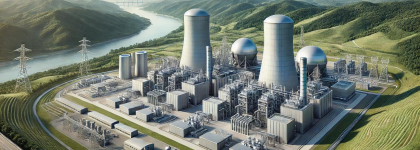
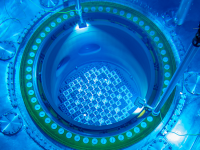
International Atomic Energy Agency welcomes Saudi –US nuclear agreement​

1795040679742.png

The director general of the International Atomic Energy Agency, Rafael Grossi, welcomed the agreement between Saudi Arabia and the United States to provide the kingdom with a civilian nuclear program on Wednesday.

Speaking to reporters after the opening of a meeting of the IAEA Board of Governors, Grossi said, “We have reached a very satisfactory outcome with this agreement,” stressing that the agency would follow the development of Saudi Arabia’s nuclear energy program as soon as it gets underway.

In his opening remarks to the Board of Governors, Grossi said that in October, the United States and Saudi Arabia had asked the IAEA “to take the necessary steps to implement safeguards and verification measures” under their agreement.

Grossi explained that under the agreement, the agency “will be provided with information on any conversion, enrichment, fuel fabrication and reprocessing facilities” in Saudi Arabia and will be granted access to them.

He added, “I welcome the open and transparent approach of the two governments and their communication with member states and the secretariat on this issue.”Grossi told reporters that the agreement “is fully consistent with the legal framework in place at the International Atomic Energy Agency.”He added that Saudi Arabia had also agreed to “additional verification measures on a voluntary basis.

”US media reported that the agreement would allow Washington to export nuclear technology to Saudi Arabia without imposing the usual safeguards to prevent its future use for military purposes.

1795040806127.png
 

Users who are viewing this thread

Pakistan Defence Latest

Country Watch Latest

Latest Posts

Back
Top