Saudi Arabia strategic Projects: news, discussions & updates

Vienna: Saudi Arabia receives the chairmanship of the global operations network for law enforcement authorities concerned with fighting corruption (Globe Network)

1739428875889.png

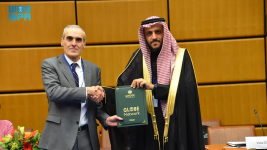
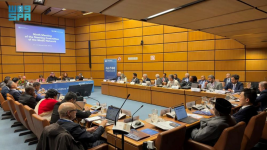
Today, the Kingdom of Saudi Arabia, represented by the Control and Anti -Corruption Authority, was handed over the chairmanship of the Global Operations Network for the Globe Network, during an official ceremony held at the United Nations headquarters in the Austrian capital Vienna.

1739428949681.png

This handover came after the Kingdom was unanimously elected to head the network for the period 2025-2027, during a high-level meeting previously held in the Chinese capital, Beijing.

The Kingdom's assumption of the presidency of the network, which represents the largest international platform to coordinate the joint efforts between law enforcement devices for investigation and combating cross -border corruption crimes, in appreciation of the member states of the Kingdom's efforts to fight corruption; It also reflects the confidence of the international community in the Kingdom's capabilities in achieving a qualitative shift in enhancing international cooperation to pursue the perpetrators of corruption crimes and to address cross -border corruption crimes, as the network includes more than 219 laws concerned with law enforcement representing more than 120 countries, in addition to many international networks and organizations about the world.

https://www.spa.gov.sa/N2259638
 
CEER is the first trademark of Saudi electric cars signs 11 partnerships with 5.5 billion riyals during the "Public Investment Fund and the Private Sector Forum" 80% of them are national companies, according to the Economic CEO James Deloca

To view this content we will need your consent to set third party cookies.
For more detailed information, see our cookies page.
 
The Public Investment Fund estimated the volume of investment opportunities in the car industry supplies in Saudi Arabia at about 5 billion riyals within the Localization plan in the sector, according to what the head of the sectors development of the National Development Department at @Pifsaudi mentioned to Al -Iqtisadiya, Khaled Al -Jahsh

To view this content we will need your consent to set third party cookies.
For more detailed information, see our cookies page.
 
Suha Qayyum, Director of the Department of Artificial Intelligence and Analysis, Planning and Coordination, General Administration of Investment and Economic Studies in the Public Investment Fund during the Leap 25 conference, on the fund’s approach in the field of artificial intelligence and its role in supporting innovation and growth.

1739431961424.jpeg
1739431983363.jpeg


Wonderful updates as usual @The SC

September 12, 2024 12:44 PM GST

Saudi Arabia invest over $1.3 trillion in real estate and infra projects​

Riyadh, the country’s capital, remains a focal point with $35 billion in contracts awarded so far

by Staff Writer

Saudi Arabia invest over $1 trillion in real estate and infra projects


Saudi Arabia has launched an ambitious $1.3 trillion wave of real estate and infrastructure projects as part of its strategy to diversify its economy away from oil and become a global hub for living, working, and travel. The country’s extensive development drive, which spans the past eight years, marks a 4% increase in project volume compared to the previous year, according to Knight Frank’s latest Saudi Giga Projects Report.

This development spree includes over one million new residential units and mega-projects like the futuristic NEOM on the Red Sea coast, all aimed at enhancing the quality of life for locals and attracting foreign investment and tourism.

Faisal Durrani, Head of Research, MENA at Knight Frank, highlighted a 58.5% rise in announced homes over the past year, linked to government efforts to increase homeownership to 70 % by 2030 from nearly 64 % today.
“The unprecedented response by private and public-sector-linked developers cannot come soon enough. In Riyadh, which sits at the epicentre of the economic transformation of Saudi Arabia, apartment prices have climbed by 58 % over the last three years, while villa values have climbed by 38 % over the same period and at SAR 5,155 per square metre are now higher than those in Jeddah for the first time,” Durrani added.

During the first six months of 2024, residential transactions accounted for 61% of real estate deals, marking a significant 41% increase in sales to nearly 91,860 transactions. The total value of these transactions surged by 48% to SAR 77.6 billion. The growth in homeownership to 63.74% by the end of 2023 can be attributed to government initiatives such as the Sakani and Wafi programmes.

Since 2016, when Crown Prince Mohammed bin Salman unveiled his plan to reduce Saudi Arabia’s dependence on oil, the kingdom has awarded $164 billion in real estate contracts. The biggest slice of this funding—$28.7 billion—has gone to NEOM, particularly its flagship project, The Line.

Other significant projects receiving major investment include National Housing Co. ($12 billion), Diriyah Gate ($9 billion), and Qiddiya, Riyadh’s upcoming entertainment city, which has seen almost $7 billion in awards.

Though many of these mega-projects are still in progress, Saudi Arabia is working hard to overcome supply chain issues, labour shortages, and rising costs to meet its 2028-2030 targets. The kingdom is expected to become the world’s largest construction market as these projects move closer to completion.

Riyadh, the country’s capital, remains a focal point with $35 billion in contracts awarded so far. By 2030, the city will boast 29,000 new hotel rooms, 4.6 million square metres of office space, and 340,000 new homes. Riyadh is also gearing up to host major global events, such as the World Expo in 2030 and the FIFA World Cup in 2034, ensuring a continuous flow of new developments.

Saudi Arabia’s western region has attracted over $54 billion in development funding, with at least 17 ‘giga’ projects underway. These developments aim to elevate the kingdom’s tourism appeal while supporting its broader economic diversification strategy. With plans to attract 150 million tourists annually by 2030, Saudi Arabia is fast becoming a prime destination for international visitors and investors alike.

To accommodate the anticipated influx of travellers, Saudi Arabia plans to add 362,000 new hotel rooms by the end of the decade. Knight Frank estimates that this ambitious hotel pipeline, expected to cost $110 billion, will be instrumental in meeting tourism targets.

These projects collectively will contribute to the growth of the kingdom’s housing stock with the addition of 382,500 new homes. Furthermore, there will be 3 million square metres of new offices, 4.3 million square metres of new retail space, and 330,000 new hotel rooms by 2030.


Amazing project. I still remember the times when anti-KSA elements were saying that such projects would never be built. The past 6-8 years have been one massive disappointment for them.

To view this content we will need your consent to set third party cookies.
For more detailed information, see our cookies page.


To view this content we will need your consent to set third party cookies.
For more detailed information, see our cookies page.


The rise of non-oil revenue since 2015. Reached 472 billion riyals in 2024.

To view this content we will need your consent to set third party cookies.
For more detailed information, see our cookies page.


Approximately a 300% rise in 9 years.

Projected economic growth in the GCC for 2025.

KSA leading with 4.8%.

To view this content we will need your consent to set third party cookies.
For more detailed information, see our cookies page.


PIF signs an agreement with Schuler Group (largest manufacturer in the world of presses) to establish the world’s most advanced, fully automated auto body assembly plant, within the Ceer (the first Saudi Arabian electric vehicle brand) electric vehicle manufacturing complex in King Abdullah Economic City.

To view this content we will need your consent to set third party cookies.
For more detailed information, see our cookies page.


More info about Ceer:


News from today:

Saudi Arabia targets $1 trillion infrastructure investment by 2030​

 
Last edited:
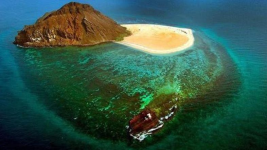
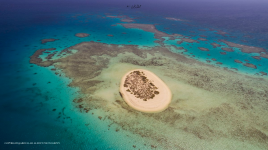
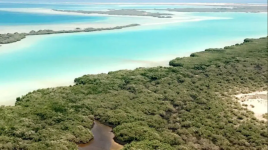
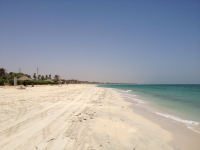
this red sea resort looks like from fairy tales.
Yes, it is very impressive. Easily comparable to Maldives and I would say much better/much more interesting as there is nothing to do in the Maldives besides enjoying similar beaches. The good thing is that those 1500 + Saudi Arabian islands (on both coastlines) are not located that far away from KSA (and other countries) thus such trips can easily be combined with nature tourism (mountain tourism, volcano, desert, culture, heritage, large city tourism, Makkah, Madinah (Umrah and Hajj) etc. It is just a few hours by boat or 30 minutes by plane in most cases.

Also the weather in many parts of Hejaz and the Red Sea is very mild surprisingly.

Take a look at Al-Wajh - one of many ancient coastal Hijazi cities.


Daily mean on average year round is 25.4. The daily average temperatures during the summer are even lower than in many popular Southern European regions/tourism hot spots.

DIfferent case with Southern coastal KSA which is the only place in KSA outside of areas of Hejaz such as Makkah (ironically the hottest city in KSA) that retains hot/warm temperatures year round.

Also the islands in KSA have many different characteristics. You have tropical islands, desert-like, mountainous, volcanic (KSA, in particular Hejaz is home to one of the largest concentration of extinct volcanoes in the world - can be googled), mangrove etc.

The Red Sea also has the second largest coral reef in the world, the best kept and it is a tropical sea with year-round warm water temperatures and sunny weather all year round.

1739532175630.png

1739532112731.png

1739532270970.png

1739532034280.png


فرسان by Jazan Know, on Flickr

486406971_e6598b2c2b_o.jpg

Tabuk area منطقة تبوك by tabuk تبوك, on Flickr

To view this content we will need your consent to set third party cookies.
For more detailed information, see our cookies page.


Some 5-10% of all marine life is endemic to the Red Sea. It is an incredibly rich sea.
 
Yes, it is very impressive. Easily comparable to Maldives and I would say much better/much more interesting as there is nothing to do in the Maldives besides enjoying similar beaches. The good thing is that those 1500 + Saudi Arabian islands (on both coastlines) are not located that far away from KSA (and other countries) thus such trips can easily be combined with nature tourism (mountain tourism, volcano, desert, culture, heritage, large city tourism, Makkah, Madinah (Umrah and Hajj) etc. It is just a few hours by boat or 30 minutes by plane in most cases.

Also the weather in many parts of Hejaz and the Red Sea is very mild surprisingly.

Take a look at Al-Wajh - one of many ancient coastal Hijazi cities.


Daily mean on average year round is 25.4. The daily average temperatures during the summer are even lower than in many popular Southern European regions/tourism hot spots.

DIfferent case with Southern coastal KSA which is the only place in KSA outside of areas of Hejaz such as Makkah (ironically the hottest city in KSA) that retains hot/warm temperatures year round.

Also the islands in KSA have many different characteristics. You have tropical islands, desert-like, mountainous, volcanic (KSA, in particular Hejaz is home to one of the largest concentration of extinct volcanoes in the world - can be googled), mangrove etc.

The Red Sea also has the second largest coral reef in the world, the best kept and it is a tropical sea with year-round warm water temperatures and sunny weather all year round.

View attachment 100828

View attachment 100826

View attachment 100829

View attachment 100825


فرسان by Jazan Know, on Flickr

486406971_e6598b2c2b_o.jpg

Tabuk area منطقة تبوك by tabuk تبوك, on Flickr

To view this content we will need your consent to set third party cookies.
For more detailed information, see our cookies page.


Some 5-10% of all marine life is endemic to the Red Sea. It is an incredibly rich sea.

Wonderful indeed and it is great thing that is opened and facilitated for world to visit with only one thing needed to be put in consideration which is preserving it from human influence in best possible ways,
 
Wonderful indeed and it is great thing that is opened and facilitated for world to visit with only one thing needed to be put in consideration which is preserving it from human influence in best possible ways,
I agree. The good thing is that KSA is a very large country and has one of the lowest population densities in the world. Equal to likes of Argentina, Australia etc. Which means that most of KSA's many unspoilt areas and nature in general (whether coastal areas - themselves almost 3000 + km long, 1500 + islands, mountainous regions and ranges (half of the country), many wonderful and varied deserts and steppe, forests (less so as they are popular and often well-visited in the summer due to being located in very popular tourism locations) will likely always be mostly secure from human intervention.

Also there is the wonderful "Saudi Green Initiative" project of planting many billion trees in KSA.


Also one of the many good things that the government has been doing for ages is their focus on rehabilitating nature and creating national parks and protected areas. Which now means that today KSA has one of the largest land areas in the world that are nature reserves/protected areas.

Of course if you ask me more can always be done and personally I consider it more interesting and important for KSA to implement even 50% of the Saudi Green Initiative than whatever military projects that are in store in the future

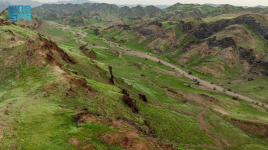
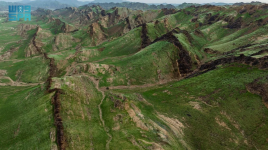
BTW it is amazing what just a bit of rain can do even in the hottest and some of the most dry areas of KSA (areas close to Makkah).

To view this content we will need your consent to set third party cookies.
For more detailed information, see our cookies page.


To view this content we will need your consent to set third party cookies.
For more detailed information, see our cookies page.


1739535336348.png

1739535353875.png


To view this content we will need your consent to set third party cookies.
For more detailed information, see our cookies page.


You guys in Bosnia/Balkans have been blessed with plenty of rainfall so from what I know of no problems of desertificaiton/draught like in many places even in Europe.

To view this content we will need your consent to set third party cookies.
For more detailed information, see our cookies page.


To view this content we will need your consent to set third party cookies.
For more detailed information, see our cookies page.


But to be fair this happening in Makkah (hottest city in KSA) is not that rare at all and occurs fairly frequently. However it would be good if this could occur on a consistent basis during all of winter/spring/autumn for instance.

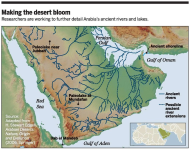
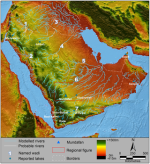
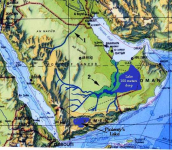
But the world undergoes many climatic cycles. Less than 10.000 Arabia was one of the most fertile areas on the planet which archaeological findings, bones from animals such as elephants, hippopotamus and some of the most ancient and advanced ancient cultures/civilizations (such as Al-Magar)

10.000 + years ago confirms all over KSA. Even as "late" as 8000 years ago. Not to mention the 1000's of rock art/historic artifacts findings scattered across the landscape.

Some of the largest lakes/rivers of the ancient world were also located in KSA/Arabia.


This is a good article below from a leading expert/professor on the field who has also worked within KSA.


1739536704371.png

1739536957788.png

Scientific article below covering this topic:


1739536794795.png


Cooling a planet with Revegetation, with special attention to the Arabian Peninsula, and a method to significantly increase water resources of the area.

http://www.ecoseeds.com/juicy.gossip.fourteen.html

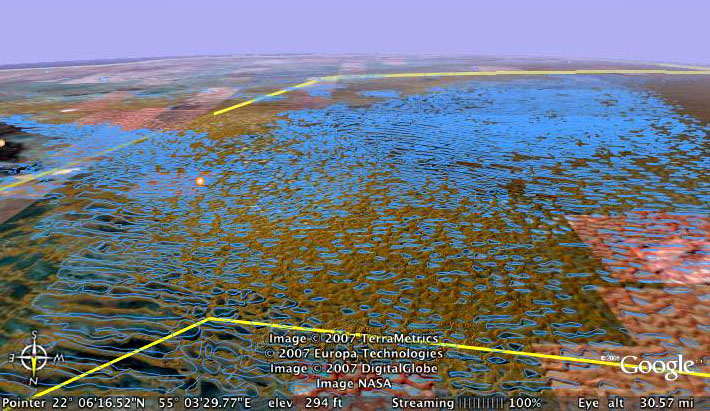
UAE_lake_30_mi.JPG


Ancient 6,000 year old, Empty Quarter lake bed, seen from 30.6 miles, Google Earth image. Looking from the UAE across KSA into the Sultanate of Oman.

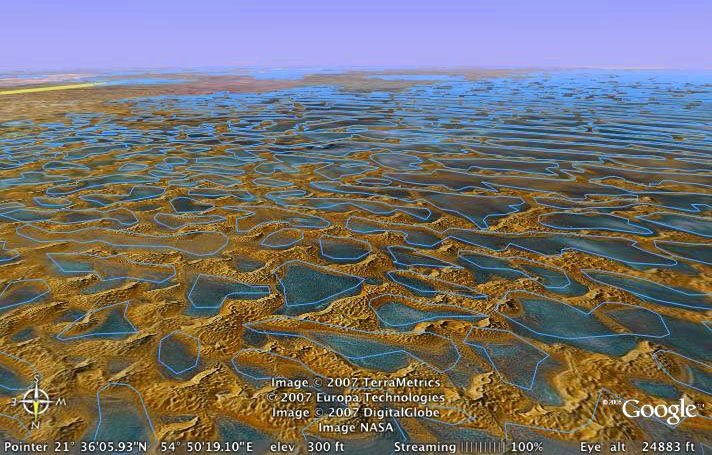
UAE_lake_24K_ft.jpg


Ancient 6,000 year old, Empty Quarter lake bed, seen from 24,000 feet, Google Earth image.


Actually all those ancient lakes/rivers in KSA are still seasonal to this day (called wadis - meaning non-permanent rivers) but sometimes in case of heavy rainfall in certain years, they turn into large rivers again.


Wadi Al-Rummah during the large floods back in 2008:


Last edited:
I agree. The good thing is that KSA is a very large country and has one of the lowest population densities in the world. Equal to likes of Argentina, Australia etc. Which means that most of KSA's many unspoilt areas and nature in general (whether coastal areas - themselves almost 3000 + km long, 1500 + islands, mountainous regions and ranges (half of the country), many wonderful and varied deserts and steppe, forests (less so as they are popular and often well-visited in the summer due to being located in very popular tourism locations) will likely always be mostly secure from human intervention.

Also there is the wonderful "Saudi Green Initiative" project of planting many billion trees in KSA.


Also one of the many good things that the government has been doing for ages is their focus on rehabilitating nature and creating national parks and protected areas. Which now means that today KSA has one of the largest land areas in the world that are nature reserves/protected areas.

Of course if you ask me more can always be done and personally I consider it more interesting and important for KSA to implement even 50% of the Saudi Green Initiative than whatever military projects that are in store in the future

BTW it is amazing what just a bit of rain can do even in the hottest and some of the most dry areas of KSA (areas close to Makkah).

To view this content we will need your consent to set third party cookies.
For more detailed information, see our cookies page.


To view this content we will need your consent to set third party cookies.
For more detailed information, see our cookies page.


View attachment 100834

View attachment 100835


To view this content we will need your consent to set third party cookies.
For more detailed information, see our cookies page.


You guys in Bosnia/Balkans have been blessed with plenty of rainfall so from what I know of no problems of desertificaiton/draught like in many places even in Europe.

To view this content we will need your consent to set third party cookies.
For more detailed information, see our cookies page.


To view this content we will need your consent to set third party cookies.
For more detailed information, see our cookies page.


But to be fair this happening in Makkah (hottest city in KSA) is not that rare at all and occurs fairly frequently. However it would be good if this could occur on a consistent basis during all of winter/spring/autumn for instance.

But the world undergoes many climatic cycles. Less than 10.000 Arabia was one of the most fertile areas on the planet which archaeological findings, bones from animals such as elephants, hippopotamus and some of the most ancient and advanced ancient cultures/civilizations (such as Al-Magar)

10.000 + years ago confirms all over KSA. Even as "late" as 8000 years ago. Not to mention the 1000's of rock art/historic artifacts findings scattered across the landscape.

Some of the largest lakes/rivers of the ancient world were also located in KSA/Arabia.


This is a good article below from a leading expert/professor on the field who has also worked within KSA.


View attachment 100837

View attachment 100839

Scientific article below covering this topic:


View attachment 100838


Cooling a planet with Revegetation, with special attention to the Arabian Peninsula, and a method to significantly increase water resources of the area.

http://www.ecoseeds.com/juicy.gossip.fourteen.html

UAE_lake_30_mi.JPG


Ancient 6,000 year old, Empty Quarter lake bed, seen from 30.6 miles, Google Earth image. Looking from the UAE across KSA into the Sultanate of Oman.

UAE_lake_24K_ft.jpg


Ancient 6,000 year old, Empty Quarter lake bed, seen from 24,000 feet, Google Earth image.


Actually all those ancient lakes/rivers in KSA are still seasonal to this day (called wadis - meaning non-permanent rivers) but sometimes in case of heavy rainfall in certain years, they turn into large rivers again.


Wadi Al-Rummah during the large floods back in 2008:


About water and blessing it provides , you are right about my country and sadly lot of people here take is as granted.
I think that in previous conversation do not know if with you or someone else, i mentioned that you should cap it and let that nature do the rest, when i see floods in SA or any other similar geoclimated country always makes me wonder why do they not trying to cap in some valleys or lakes.
 
About water and blessing it provides , you are right about my country and sadly lot of people here take is as granted.
I think that in previous conversation do not know if with you or someone else, i mentioned that you should cap it and let that nature do the rest, when i see floods in SA or any other similar geoclimated country always makes me wonder why do they not trying to cap in some valleys or lakes.
There are many artificial lakes created in KSA and many large dams that collect rainfall in the many mountain regions of the country in particular in Hejaz, Southern KSA and Najd. Problem is the soil and geography (mostly mountainous and usually when heavy rainfall occurs, it occurs right after a the dry season/period. Which makes flash flooding even more devastating and harder to collect.

The solution to this problem is to gradually change the makeup of soil in areas prone to flooding in order to make it easier for the soil to collect the rainfall and reduce the devastating effects of flash flooding. This could be done by increasing the forest cover which again would lower the temperature and increase the fertility of the soil and make it less prone to flooding.

However you have a problem with geography here (mountains and highlands) as it is not possible or even practical to built dams everywhere.

Also due to the size of KSA, geography etc. KSA has built the most extensive seawater desalination infrastructure on earth which provides the necessary water for human consumption, agriculture etc. This is expensive but the technology keeps improving and the costs are thus getting lower.

Most if not all large cities in KSA are connected to this seawater desalination infrastructure including the interior which is located far away from the coastlines on either side of the country.

But it is indeed a shame that most of the rainfall in KSA is wasted and solutions for this problem should be found. No disagreement here from me but it is not easy.


Here is a resarch paper about rainfall catchment within Southern KSA:


I have not read it so don't know what the conclusions are but probably something similar to what I wrote.

At the end of the day KSA is located in a dry part of the world (currently) and we have to make due with what we have in this regard. You cannot have it all.
 
There are many artificial lakes created in KSA and many large

The solution to this problem is to gradually change the makeup of soil in areas prone to flooding in order to make it easier for the soil to collect the rainfall and reduce the devastating effects of flash flooding. This could be done by increasing the forest cover w

However you have a problem with geography here (mountains


Most if not all large cities in KSA are connected to this seawater desalination infrastructure including the interio

But it is indeed a shame that most of the rainfall in KSA is wasted and solutions for this problem should be found. No disagreement here from me but it is not easy.
As the large cities are covered already with desalanation plants then maybe scaling down goals and divert it towards small village communities and for those needs i suppose this capping solutions focused and targeted on their local geography should work and provide long term sustainability and preservation of traditional rural life which is also goal of highest importance for society, especially nower days.
 
Last edited:
Yes, it is very impressive. Easily comparable to Maldives and I would say much better/much more interesting as there is nothing to do in the Maldives besides enjoying similar beaches. The good thing is that those 1500 + Saudi Arabian islands (on both coastlines) are not located that far away from KSA (and other countries) thus such trips can easily be combined with nature tourism (mountain tourism, volcano, desert, culture, heritage, large city tourism, Makkah, Madinah (Umrah and Hajj) etc. It is just a few hours by boat or 30 minutes by plane in most cases.

Also the weather in many parts of Hejaz and the Red Sea is very mild surprisingly.

Take a look at Al-Wajh - one of many ancient coastal Hijazi cities.


Daily mean on average year round is 25.4. The daily average temperatures during the summer are even lower than in many popular Southern European regions/tourism hot spots.

DIfferent case with Southern coastal KSA which is the only place in KSA outside of areas of Hejaz such as Makkah (ironically the hottest city in KSA) that retains hot/warm temperatures year round.

Also the islands in KSA have many different characteristics. You have tropical islands, desert-like, mountainous, volcanic (KSA, in particular Hejaz is home to one of the largest concentration of extinct volcanoes in the world - can be googled), mangrove etc.

The Red Sea also has the second largest coral reef in the world, the best kept and it is a tropical sea with year-round warm water temperatures and sunny weather all year round.

View attachment 100828

View attachment 100826

View attachment 100829

View attachment 100825


فرسان by Jazan Know, on Flickr

486406971_e6598b2c2b_o.jpg

Tabuk area منطقة تبوك by tabuk تبوك, on Flickr

To view this content we will need your consent to set third party cookies.
For more detailed information, see our cookies page.


Some 5-10% of all marine life is endemic to the Red Sea. It is an incredibly rich sea.


It can be same building than Maldives hotels, but hardly same weather than Maldives.
 
It can be same building than Maldives hotels, but hardly same weather than Maldives.
Actually the Red Sea is the most northernly located tropical sea in the world. The coral reefs and marine life of the Red Sea is also much richer than in the Maldives (I have visited both places).

In terms of water temperature, I even believe that it is higher in the Red Sea at least during the summer. Maldives is after all located in the open Arabian Sea/Indian Ocean.

Climate is similar temperature wise but there is much more rainfall in Maldives which has a genuine tropical climate. The humidity is thus also higher.

Of course the Maldives is located much, much closer to the equator so the sun is sharper (UV index) and the average minimum temperatures are higher during the night and It basically almost never gets under 20 celcius. I think the lowest recorded temperature is 19.2 in the capital Malé.


There is literally nothing to do in the Maldives outside of beach island resorts. It is like comparing an isolated Pacific Island with what Costa del Sol/Andalusia has to offer.

Point is here that is is quite well done by KSA (if you ask me) that they have created resorts on islands in the Red Sea that can match the best resorts that the Maldives have to offer and the Maldives main international reputation is in this regard while KSA's rich marine life and marine/beach tourism is mostly unknown even for many locals. As well as most of the pristine coastline of KSA (in particular Red Sea) not being developed for tourism yet at all.

In any case a healthy balance needs to be found between tourism, preservation of nature and local communities.

The KSA resorts in the Red Sea have been created on uninhabited islands so outside of potential environmental hazards, humans (local communities) are not impacted.

As the large cities are covered already with desalanation plants then maybe scaling down goals and divert it towards small village communities and for those needs i suppose this capping solutions focused and targeted on their local geography should work and provide long term sustainability and preservation of traditional rural life which is also goal of highest importance for society, especially nower days.
Water access in KSA is secure in every part of the country due to the great infrastructure. Even the smallest and most isolated villages (mountain, coastal, inland and desert villages alike) have access to water 24/7 either connected through water pipelines, daily/weekly water deliveries (if very isolated villages) or ancient wells. So access to clean drinking water is not the problem. If anything waste is and as we discussed earlier catching/using all of the rainfall. Due to the sheer size of KSA, I once read that the annual rainfall of KSA, if it could be stored (and not wasted as mostly the case now due to geography and soil), it could feed the agricultural area the size of Spain alone just in Hejaz. Some American engineer once did a documentary a few years ago about some isolated Bedouin community that through old techniques of storing water in the mountains/valleys helped green an dry valley and helped store rainfall (even if sparse) and thus created a rich agricultural area.

In any case the best solution is to help change the soil in many areas of KSA by greening the land which would have a positive impact on flash flooding, reduce water waste (rainfall water), improve agricultural output (which is already good but KSA has the potential to become a global food bread basket), reduce temperature, increase humidity in the dry interior (but not only).
 
Last edited:
Minister of State for Foreign Affairs Adel Al-Jubeir:

We seek to develop a Saudi nuclear program that exploits our uranium reserves to generate energy, strengthen local industries, and create jobs, and we will not mine uranium abroad 🔥🇸🇦.

To view this content we will need your consent to set third party cookies.
For more detailed information, see our cookies page.

This is basically an open admission of the end goal being Saudi Arabian nuclear weapons if not already de facto the case courtesy of the Pakistani nuclear program that KSA was a key supporter of.

If you add all the dots together (KSA missile deal with China already back in 1988), documented KSA support for the defunct Iraqi nuclear program, ongoing and strengthened domestic Saudi Arabian ballistic missile program and missiles that can reach anywhere in the immediate region (rumored reach of 8000 + km), ongoing uranium extraction within KSA and it all is very clear.


Whatever the case we should definitely develop nuclear weapons and MbS has publicly said so much as well indirectly and in the case of regional enemy states getting it, directly.

Personally I would aim at creating a cobalt bomb as well which is much more potent than a nuclear bomb.
 
Last edited:

Users who are viewing this thread

Country Watch Latest

Back
Top