Navigation
Install the app
How to install the app on iOS
Follow along with the video below to see how to install our site as a web app on your home screen.
Note: This feature may not be available in some browsers.
More options
Style variation
You are using an out of date browser. It may not display this or other websites correctly.
You should upgrade or use an alternative browser.
You should upgrade or use an alternative browser.
Saudi Arabia strategic Projects: news, discussions & updates
- Thread starter The SC
- Start date
More options
Who Replied?

Watandar
SpeedLimited


An in-depth article about spendthrift MBS and how Saudi is now forced to cutback.

 www.bbc.com
How Saudi Arabia's spending spree reached the end of the line
MBS's Vison 2030 project seemed the stuff of science fiction. Now reality has bitten
www.bbc.com

The SC
INT'L MOD
- Thread starter
- #1,278
Reuters:The U.S.-Saudi Nuclear Agreement Enters Final Review Phase and Will Be Without Restrictions- The U.S. State Department informed Congress in a letter dated May 18 that the anticipated civil nuclear cooperation agreement between Saudi Arabia and the United States has entered the final review stage prior to signing by President Trump- The agreement does not include what is known as the "gold standard," which prohibits uranium enrichment and nuclear fuel reprocessing… and under it, Saudi Arabia will not be obligated to grant the International Atomic Energy Agency full inspection powers over its entire nuclear program, including undeclared sites or surprise inspections___
Note:
1) The absence of the gold standard does not automatically mean the existence of a military program; it only means that Saudi Arabia retains broader rights within the civil nuclear fuel cycle.
2) Even without the gold standard, any civil nuclear program remains subject to basic oversight agreements and safeguards of the International Atomic Energy Agency, but the powers and inspection orders differ depending on the type of protocols signed for each nuclear site.
Note:
1) The absence of the gold standard does not automatically mean the existence of a military program; it only means that Saudi Arabia retains broader rights within the civil nuclear fuel cycle.
2) Even without the gold standard, any civil nuclear program remains subject to basic oversight agreements and safeguards of the International Atomic Energy Agency, but the powers and inspection orders differ depending on the type of protocols signed for each nuclear site.
mythbuster
Trusted Member
Crown Prince Mohammed bin Salman in Abu Dhabi receives Sheikh Mohammed bin Zayed Al Nahyan, President of the State
Old visit
Are you going to kiss and make up with UAE anytime soon ? .... it's creating unnecessary problems for Pakistan.
The SC
INT'L MOD
- Thread starter
- #1,281
The British newspaper "The Economist":
Saudi Arabia is the Gulf state capable of pursuing an independent foreign policy, as Crown Prince Mohammed bin Salman has expanded the kingdom's room for maneuver without being beholden to any international party. It has thus maintained its relations with the United States, while at the same time strengthening its cooperation with China and Russia.
Saudi Arabia is the Gulf state capable of pursuing an independent foreign policy, as Crown Prince Mohammed bin Salman has expanded the kingdom's room for maneuver without being beholden to any international party. It has thus maintained its relations with the United States, while at the same time strengthening its cooperation with China and Russia.

Feroze
Trusted Member
Saudi Arabia and Japan’s new era of strategic resilience

Noriko Suzuki
June 16, 202614:02
Follow

Short Url

Saudi Arabia and Japan’s new era of strategic resilience
The renewed tensions surrounding the Strait of Hormuz have once again highlighted the fragility of global energy security and the close relationship between geopolitics, maritime trade and economic stability. As one of the world’s most critical energy chokepoints, any disruption to shipping...
 arab.news
As one of the world’s most critical energy chokepoints, any disruption to shipping through the strait carries consequences far beyond the Gulf region. For Japan, however, the challenge extends beyond the possibility of temporary shortages of crude oil and petrochemical products. The more immediate concern lies in maintaining the stable operation of a refining system that has been developed over decades around medium and heavy crude grades supplied primarily by Saudi Arabia, the UAE and other Gulf producers.
Some observers argue that Japan could offset disruptions in Gulf supplies by increasing imports of American shale oil or diversifying procurement from other regions. While diversification remains an important objective, such arguments often overlook practical realities. Japanese refineries are optimized for specific crude grades and replacing Gulf supplies requires far more than identifying alternative producers. It entails addressing challenges related to refinery compatibility, shipping logistics, tanker and port availability, marine insurance costs, supply chain reliability, and the availability of experienced oil traders capable of securing cargoes in highly competitive spot markets.
Saudi Arabia therefore remains indispensable to Japan’s energy security. The Kingdom is not only one of the world’s largest energy producers but also one of the few countries capable of maintaining supply stability during periods of geopolitical uncertainty. In an increasingly volatile international environment, Saudi Arabia’s role has evolved beyond that of a traditional supplier to that of a strategic stabilizer.
The current situation also demonstrates that energy security can no longer be assessed solely in terms of supply volumes. The safety of maritime transport, protection of critical infrastructure, stability of shipping insurance markets, cyber resilience and geopolitical stability have become equally important components of a secure and resilient energy system.Saudi Arabia’s role has evolved beyond that of a traditional supplier to that of a strategic stabilizer
Noriko Suzuki
Saudi Arabia has invested significantly in strengthening its resilience against such risks. The East-West Pipeline connecting the Gulf coast to the Red Sea provides an alternative export route that reduces dependence on the Strait of Hormuz. While not a complete solution, it represents a strategically important asset that contributes to the stability of both regional and global energy markets.
The lessons emerging from recent tensions suggest that Japan and Saudi Arabia should move beyond a traditional supplier-consumer relationship and develop a broader framework of strategic cooperation.
Energy will remain the central pillar of the partnership. Beyond energy, future cooperation should increasingly focus on emerging sectors that strengthen long-term economic resilience, technological competitiveness and strategic security.
One promising area is hydrogen and ammonia. Saudi Arabia possesses abundant renewable resources, industrial scale and investment capacity, while Japan has developed advanced technologies in fuel cells, transport and industrial applications. Together, the two countries can help establish reliable international supply chains that support both energy security and decarbonization objectives.
Carbon management technologies also present significant opportunities. Despite the global energy transition, oil and natural gas will continue to play a vital role in the world economy for decades to come. Carbon capture, utilization and storage can help reduce emissions while maintaining economic stability. Japanese technological expertise and Saudi Arabia’s large-scale energy infrastructure provide a natural foundation for deeper cooperation.
The digital economy is likely to become another major pillar of this bilateral relationship. Artificial intelligence, cloud computing, cybersecurity and data centers are increasingly emerging as strategic assets comparable to traditional energy infrastructure. Saudi Arabia’s Vision 2030 and Japan’s economic security agenda create strong incentives for collaboration in these sectors.
The partnership can also contribute to broader regional stability. The Middle East remains a complex geopolitical mosaic shaped by regional rivalries, conflicts, diplomatic realignments, economic transformation and ongoing efforts toward peacebuilding. Developments in the region increasingly influence global supply chains, financial markets and energy security far beyond its borders.
As a leading regional power, Saudi Arabia has played an increasingly important role in promoting dialogue, economic development and regional stability. Japan, meanwhile, has long maintained a reputation as a trusted and balanced partner throughout the Middle East.
By working together, these two countries can support initiatives that contribute to conflict prevention, economic development, infrastructure investment and regional cooperation across the Middle East and Africa.
New opportunities are also emerging through major international initiatives, including Saudi Arabia’s Vision 2030 and the upcoming Riyadh Expo 2030. These platforms offer additional avenues for collaboration in innovation, smart cities, advanced manufacturing, digital infrastructure, human capital development and next-generation technologies.
For 70 years, energy has formed the foundation of Japanese-Saudi relations. The next 70 years, however, should be built on a broader concept: strategic resilience.
The Strait of Hormuz tensions serve as a reminder that energy security, economic security, technological competitiveness, supply-chain resilience and geopolitical stability are now deeply interconnected. The vulnerabilities exposed by disruptions in one region can quickly reverberate across global markets, manufacturing networks, digital infrastructure and national economies.
To reinforce the long-term foundations of the relationship, greater alignment is needed between strategic objectives and the realities of an increasingly complex global energy environment. As energy markets become more uncertain, Japan would benefit from a more integrated and forward-looking approach to energy security that preserves its reputation as a dependable partner to Saudi Arabia and other key energy suppliers.
Among the existing mechanisms that support bilateral cooperation, the Japan-Saudi Parliamentary Friendship League provides a particularly valuable example. Its role extends far beyond ceremonial diplomacy. Through close engagement with government institutions, parliamentarians, business leaders, academic experts and other stakeholders in both countries, it serves as an important platform for aligning economic, energy and strategic interests at a time when geopolitical developments are increasingly shaping global markets.Deeper strategic coordination can help ensure that the partnership remains a pillar of stability and prosperity
Noriko Suzuki
Building on such successful frameworks, these two countries should consider establishing a dedicated Japan-Saudi Strategic Energy and Economic Resilience Council. Such a mechanism could complement existing parliamentary and governmental channels by bringing together policymakers, industry representatives, researchers and security specialists to address energy security, critical infrastructure protection, supply-chain resilience, emerging technologies, digital infrastructure and the energy transition.
As Japan and Saudi Arabia expand their cooperation beyond traditional energy trade into areas such as advanced technologies, AI, clean energy, economic security and regional stability, stronger institutional cooperation will become increasingly important.
In an era where energy security is closely linked to economic resilience, technological competitiveness and geopolitical stability, deeper strategic coordination can help ensure that the Japanese-Saudi partnership remains a pillar of stability and prosperity for decades to come.
Recent disruptions in the Middle East have demonstrated that energy security depends not only on stable supplies but also on maritime security, logistics, refining compatibility, insurance markets and resilient supply chains. As these factors become increasingly interconnected, closer cooperation among policymakers, industry leaders and strategic partners will be essential.
Looking ahead, Japan would benefit from a comprehensive approach to energy security that combines industrial expertise with strategic foresight. This includes strengthening supply-chain diversification, enhancing logistical flexibility, improving crisis preparedness and exploring alternative export routes where appropriate, while maintaining the long-standing partnership that has underpinned Japan’s energy security for decades.
Ultimately, the Japanese-Saudi partnership should be built not only on energy trade but also on shared strategic objectives, technological innovation, economic resilience and regional stability. The lessons of the current energy crisis are clear: long-term security depends not only on reliable supplies but also on strategic foresight, resilient supply chains and trusted partnerships. In this regard, the Japan-Saudi Arabia relationship remains one of the most important pillars of stability and prosperity in the evolving global energy landscape.
- Noriko Suzuki is a Visiting Professor at Osaka University and Non-Resident Senior Researcher at the Gulf Research Center.
Saudi Arabia and Japan’s new era of strategic resilience
The renewed tensions surrounding the Strait of Hormuz have once again highlighted the fragility of global energy security and the close relationship between geopolitics, maritime trade and economic stability. As one of the world’s most critical energy chokepoints, any disruption to shipping...
www.arabnews.com
The SC
INT'L MOD
- Thread starter
- #1,283
MIDANA and Opus Aerospace have signed a memorandum of understanding to enable multi-range sounding missile test and launch capabilities in the Kingdom of Saudi Arabia.
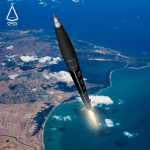
Press release – February 13, 2026
Opus Aerospace and MIDANA signed a memorandum of understanding to establish a cooperation framework for testing and launching Sounding Rockets in the Kingdom of Saudi Arabia. The agreement was signed in Riyadh during the World Defense Expo 2026.
The MOU outlines a joint approach under which the two parties will plan, execute and evaluate test and launch campaigns of sounding missiles, by combining MIDANA's test ranges, integrated test and evaluation (T&E) capabilities, and sounding missile technologies developed by OPUS. The MERANGE sounding rocket will be the initial reference program for this cooperation.
After completing this initial activity, the two parties intend to jointly evaluate the possibility of implementing repeated test and launch campaigns from within Saudi Arabia, in addition to exploring broader multi-field applications that can be achieved thanks to MIDANA’s test field infrastructure.
This cooperation represents an important step towards enhancing the capabilities of testing and launching space and air systems in the region, while supporting international cooperation in the field of advanced air and space systems and technologies.
Press release – February 13, 2026
Opus Aerospace and MIDANA signed a memorandum of understanding to establish a cooperation framework for testing and launching Sounding Rockets in the Kingdom of Saudi Arabia. The agreement was signed in Riyadh during the World Defense Expo 2026.
The MOU outlines a joint approach under which the two parties will plan, execute and evaluate test and launch campaigns of sounding missiles, by combining MIDANA's test ranges, integrated test and evaluation (T&E) capabilities, and sounding missile technologies developed by OPUS. The MERANGE sounding rocket will be the initial reference program for this cooperation.
After completing this initial activity, the two parties intend to jointly evaluate the possibility of implementing repeated test and launch campaigns from within Saudi Arabia, in addition to exploring broader multi-field applications that can be achieved thanks to MIDANA’s test field infrastructure.
This cooperation represents an important step towards enhancing the capabilities of testing and launching space and air systems in the region, while supporting international cooperation in the field of advanced air and space systems and technologies.
The SC
INT'L MOD
- Thread starter
- #1,284
Establishment of the Defense Development Authority (GADD)
The Council of Ministers: Approval of the establishment of a body called the “General Authority for Defense Development”, which has a legal personality and financial and administrative independence, and is linked to the Prime Minister, and is concerned with determining the objectives of research, development and innovation activities related to the fields of technology and defense systems and developing their policies and strategies.
The establishment of the General_Authority_for_Defense_Development is a wise decision that strengthens the defense_component as one of the most important components of National Security and reduces threats and turns them into strategic opportunities, and this is completely consistent with the strategic_direction of Vision_2030
All aspects:
Defensive development.. The Kingdom's innovative mind towards defense leadershipIn light of the rapid transformations witnessed by the defense sector globally, the Kingdom of Saudi Arabia is moving with confident steps towards building an advanced defense system based on innovation, localization of technology, and enhancing strategic independence.
The General Authority for Defense Development is one of the main pillars of this system, as it plays a pivotal role in leading defense research, development and innovation, and linking scientific knowledge to field needs, in a way that enhances readiness and keeps pace with the aspirations of Saudi Vision 2030.
In this special meeting, Defense Magazine hosts the Governor of the General Authority for Defense Development, Dr. Faleh bin Abdullah Al-Sulaiman, to shed light on the authority’s role, its research priorities, integration mechanisms with relevant authorities, and its efforts to build national human and technical capabilities, and shape the future of the Kingdom’s defense capabilities.
What are the primary tasks of the General Authority for Defense Development? How do you explain its role within the defense system in the Kingdom?
The General Authority for Defense Development was established to contribute to achieving the Kingdom’s sovereignty and leadership in the defense sector, by localizing defense technologies, in line with the ambitious national goals and directives of the wise leadership 2030. The Authority works to formulate general policies for defense research, and develop an integrated national road map for the targeted technologies and the resulting development and innovation mechanisms in this vital sector.
The authority seeks for the Kingdom to be in a position of global leadership, capable of developing advanced defense capabilities that enhance its readiness and preserve its sovereignty and the independence of its strategic decision, and then strive for global leadership with its abundant human capabilities, great support from the leadership, and ambitious future visions. In this context, the authority’s tasks are not limited to legislation or supervision only, but go beyond that to complete the building of the national innovation system and integrate the roles with its components, to unify efforts and accelerate the wheel of technical development in order to achieve the highest levels of operational efficiency and reliability on national capabilities.
The future strategic areas can be summarized as follows:
You talked about large research funding projects and programmes. How do you choose these projects? What are the basic criteria for selection?
The Authority selects these projects according to precise scientific principles and based on a clearly defined strategy, as it studies whether these gaps can be filled through local research and development or international partnerships. After that, precise selection criteria are set, including technical feasibility, operational impact on the readiness of the armed forces, and the level of innovation, in addition to the opportunities to transform these research outputs into products that can be manufactured locally.
What is the role of universities and research centers in the Authority’s strategy? Are there mechanisms to encourage graduate students and innovators?
Universities and national research centers are the main partners of the Authority. Therefore, the Authority launched partnership programs with a number of Saudi universities to direct their scientific research to be compatible with defense priorities, and provided them with funding and technical support. Today, the Authority sponsors 90 master’s and doctoral students in a number of Saudi universities, and connects the students with industrial mentors and private companies to bridge their research and direct it to industry accurately. The Authority also launched the “Jad” platform to receive innovative ideas from interested people in general, adopt those ideas, and transform them into defense products.
The Authority's basic tasks are briefly summarized in the following points:
How does the Authority distinguish between its tasks and the tasks of other entities in the defense sector, such as the General Authority for Military Industries? What is the coordination mechanism between them?
It is important to clarify that our wise leadership - may God support it - has set clear goals that all parties participate in implementing. The General Authority for Defense Development and the General Authority for Military Industries are part of a broader system that includes the ultimate beneficiary of universities (the university and vocational education sector), development centers and the private sector, and they are integrated today to serve the defense sector in the Kingdom and achieve the allocated goals. While the General Authority for Defense Industries focuses on organizing, empowering and developing the national defense industry, encouraging investments, and building a strong local manufacturing base, we at the General Authority for Defense Development assume the responsibility of leading research, development and innovation in the defense sector, and we work to build knowledge and technical capabilities that precede and nourish the industry, in addition to laying the scientific and knowledge foundations that are later transformed into industrial products and solutions through our close partnership with the military industries.
As for the coordination mechanism, it is based on joint councils, coordination committees, business teams, periodic meetings, and joint projects, where experts from both sides meet to follow up on joint work and review developments in a way that achieves integration of roles. The authority focuses on directing, supporting and enabling innovation in the defense sector and completing the requirements of the defense development system, including qualifying fields, preparing the building test, and building laboratories and laboratories to follow up on joint work, review developments, align them with priorities, and work to overcome obstacles.
Since the Authority is concerned with research, development and innovation in defense technology and systems, what are the current research priorities? What areas is the Authority preparing strategically in the next stage?
The Authority draws its research and development priorities from the National Security Strategy, the National Defense Strategy, the Homeland Security Strategy, and other relevant strategies. It is also based on the beneficiary’s requirements and technical foresight, which is an essential input for building priorities. The Authority works to harness the national potential of resources or research capabilities, to achieve the localization of technologies and the Kingdom’s defense sovereignty.
At this stage, the Authority has developed a roadmap for supporting technologies and projects to raise defense capabilities in the targeted technologies. The world today is witnessing a huge amount of technologies that are developing rapidly, and therefore it was important to focus on the technologies that the Kingdom needs that have a significant impact on defense development to achieve the Kingdom’s security and defense requirements.
The list includes 12 technical fields, including technologies for unmanned systems and drones, artificial intelligence and big data technologies, in addition to advanced materials technologies, cybersecurity technologies, communications technologies, along with sensing and navigation technologies, defense technologies against weapons of mass destruction, directed energy weapons technologies, electronic warfare, missile technologies, and finally quantum technologies, and space technologies.
In the context of identifying the targeted technologies, this is an important step followed by other steps that include building detailed plans for each technology and building the human capabilities and infrastructure necessary to reach advanced Saudi technologies, God willing.
We have concluded agreements in the fields of artificial intelligence and unmanned systems with partners from Europe, America and Asia
It means confidence that the development outcomes support the Kingdom’s knowledge economy and contribute to creating jobs for Saudi cadres.
How does the Authority contribute to achieving the Kingdom’s goal of enhancing local content in the defense sector?
The concept of local content goes beyond mere manufacturing or assembly within the Kingdom. It is building an integrated knowledge and technology system capable of producing added value. The authority works to transfer knowledge and localize technologies through joint research, and build partnerships with international companies, as it trains Saudi cadres on advanced defense technologies and systems, and also links the research or technical project requirements with specific outputs and products and enhances local content.
In conclusion, our success in achieving the goals of Vision 2030 in this sector will be measured by our ability to make the Kingdom a source of innovation and development, not a consumer of imported technology.
Local content in the defense and security sector is one of the primary goals of the centralization of the Kingdom’s Vision 2030, and the Authority plays a pivotal role in it, through a number of policies and initiatives, which are:
What international partnerships has the Authority concluded or is seeking to conclude, whether in research, technologies or military manufacturing? How is a balance achieved between technical benefit and preserving national sovereignty?
Since the establishment of the Authority, we have been working to build a wide network of international partnerships with major research centers and defense companies around the world. The General Authority for Defense Development has undertaken a set of international initiatives and partnerships, and is still seeking more of them. Our goal is for the partnerships concluded to be technically beneficial to ensure the transfer of knowledge to the Kingdom, while preserving national interests, rights to intellectual property, and sovereign capabilities.
These partnerships are based on the exchange of knowledge and the transfer of technology in a thoughtful manner that ensures the strengthening of our local capabilities. We have concluded agreements in the fields of artificial intelligence and unmanned systems with partners from Europe, America and Asia, and we are working to expand cooperation with countries that have pioneering experiences in localizing and developing defense industries, such as South Korea (ADD), Turkey (SSP-Tubitak-Sagi), and France (DGI). This is done through cooperation agreements in the field of transferring defense technology and training national cadres, which, along with the localization of technologies, represents a foundation for the independence of national decision-making. This is a systematic process that requires clear governance systems.
What is the Authority’s strategy for building national capabilities in the fields of defense research and development? Do you have programs dedicated to training and qualifying Saudi cadres?
Building national capabilities is the primary focus of our work. The real investment is not in devices or platforms, but in the minds that develop, innovate, and improve their use. It is not an exaggeration to say that the qualified Saudi cadres that our country produces - praise be to God - are the greatest resource for the nation and its technology.
The Authority’s strategy for building national capabilities is consistent with the national vision and national cadres, the required skills and national priorities in this field. Taking advantage of this, the Authority is working to develop programs to qualify national cadres in technical fields, such as the fields of artificial intelligence, unmanned systems, communications, electronic warfare, material selection techniques, and other fields. The Authority is also working to build strategic partnerships with universities and research centers, to be an essential part of the development system. The Authority is currently working on building a national platform for research and development in defense technologies, and this platform is one of The most important capabilities that will contribute greatly to developing national capabilities, and come in line with the goals of Vision 2030, which confirms that the Saudi human being is the foundation of development and the pillar of the future.
In light of the regional and international strategic changes, how is the Authority preparing for future challenges, and what are the most prominent projects or initiatives that you are currently working on?
The world today is going through a phase of profound strategic transformations, whether at the level of the nature of conflicts and wars or the nature of alliances, and modern technologies and the speed of their growth and development pose great challenges and opportunities as well. We at the General Authority for Defense Development believe that effective preparedness requires proactive planning and anticipation of technologies, and after technical foresight in this field, one of the most important tools to help achieve pro-activeness in this and analysis of potential areas of use. In this context, the Authority is constantly working to anticipate emerging technical trends with the changes or behaviors that accompany them, and analyze the impact of those technologies on the side. Operational, as well as various future scenarios. Then comes the stage of alignment between potential technologies and capabilities, then the stage of evaluation and initial experiments, and finally the stage of expansion of promising technologies. This is a systematic process that requires clear governance systems.
In conclusion, we say that our message is clear, which is that the Kingdom’s technology and capabilities represent one of the most important latent capabilities and factors that contribute to the security of the region and the world, based on its leadership position and future vision.
The Council of Ministers: Approval of the establishment of a body called the “General Authority for Defense Development”, which has a legal personality and financial and administrative independence, and is linked to the Prime Minister, and is concerned with determining the objectives of research, development and innovation activities related to the fields of technology and defense systems and developing their policies and strategies.
The establishment of the General_Authority_for_Defense_Development is a wise decision that strengthens the defense_component as one of the most important components of National Security and reduces threats and turns them into strategic opportunities, and this is completely consistent with the strategic_direction of Vision_2030
All aspects:
- Development
- Research
- Innovation
Defensive development.. The Kingdom's innovative mind towards defense leadership
The General Authority for Defense Development is one of the main pillars of this system, as it plays a pivotal role in leading defense research, development and innovation, and linking scientific knowledge to field needs, in a way that enhances readiness and keeps pace with the aspirations of Saudi Vision 2030.
In this special meeting, Defense Magazine hosts the Governor of the General Authority for Defense Development, Dr. Faleh bin Abdullah Al-Sulaiman, to shed light on the authority’s role, its research priorities, integration mechanisms with relevant authorities, and its efforts to build national human and technical capabilities, and shape the future of the Kingdom’s defense capabilities.
What are the primary tasks of the General Authority for Defense Development? How do you explain its role within the defense system in the Kingdom?
The General Authority for Defense Development was established to contribute to achieving the Kingdom’s sovereignty and leadership in the defense sector, by localizing defense technologies, in line with the ambitious national goals and directives of the wise leadership 2030. The Authority works to formulate general policies for defense research, and develop an integrated national road map for the targeted technologies and the resulting development and innovation mechanisms in this vital sector.
The authority seeks for the Kingdom to be in a position of global leadership, capable of developing advanced defense capabilities that enhance its readiness and preserve its sovereignty and the independence of its strategic decision, and then strive for global leadership with its abundant human capabilities, great support from the leadership, and ambitious future visions. In this context, the authority’s tasks are not limited to legislation or supervision only, but go beyond that to complete the building of the national innovation system and integrate the roles with its components, to unify efforts and accelerate the wheel of technical development in order to achieve the highest levels of operational efficiency and reliability on national capabilities.
The future strategic areas can be summarized as follows:
- Artificial Intelligence, Machine Learning, and Deep Learning: in areas such as intelligence data analysis, border surveillance, decision support, and intelligent robotics.
- Autonomous systems and unmanned aircraft or vehicles (UAVs, UGVs): includes the full or partial development of unmanned aerial systems and autonomous land or sea vehicles.
- Advanced cyber security, electronic warfare and counter technologies: Requires capabilities to counter cyber attacks, electronic jamming and communications protection.
- Advanced sensing, radar, and remote vision systems: including multi-spectral sensing, bio-radar, and imaging in various conditions.
- Advanced technologies in advanced materials and manufacturing: such as additive manufacturing (3D printing), lightweight and laminated materials, and nanosensors.
- Maritime and space: maritime defense, maritime and ship surveillance systems, image detection and surveillance satellites, and military space communications.
You talked about large research funding projects and programmes. How do you choose these projects? What are the basic criteria for selection?
The Authority selects these projects according to precise scientific principles and based on a clearly defined strategy, as it studies whether these gaps can be filled through local research and development or international partnerships. After that, precise selection criteria are set, including technical feasibility, operational impact on the readiness of the armed forces, and the level of innovation, in addition to the opportunities to transform these research outputs into products that can be manufactured locally.
What is the role of universities and research centers in the Authority’s strategy? Are there mechanisms to encourage graduate students and innovators?
Universities and national research centers are the main partners of the Authority. Therefore, the Authority launched partnership programs with a number of Saudi universities to direct their scientific research to be compatible with defense priorities, and provided them with funding and technical support. Today, the Authority sponsors 90 master’s and doctoral students in a number of Saudi universities, and connects the students with industrial mentors and private companies to bridge their research and direct it to industry accurately. The Authority also launched the “Jad” platform to receive innovative ideas from interested people in general, adopt those ideas, and transform them into defense products.
The Authority's basic tasks are briefly summarized in the following points:
- Organizing and directing research and development: in the areas of defence, security and dual-use technologies, and setting strategic objectives in those areas; The authority determines research and development priorities based on the requirements of defense and security agencies, the level of threats, and global technology trends.
- Supporting innovation and technology: whether in supporting laboratories and laboratories, academic empowerment, testing and evaluation facilities, or through incubators and accelerators, as well as providing research grants, and supporting the innovations of individuals and entities to reach national capabilities.
- Increasing the percentage of local content in defense industries by developing national defense systems. Also, the authority enables the national local industry to qualify its outputs, and works to focus university research in the defense field and support its use in the defense field.
- Establishing controls, policies, and strategies: that enable the growth of the defense development sector, in terms of legislation, regulations, incentives, infrastructure, technology transfer, and international partnerships, as well as platforms that bring together innovators and researchers and connect them to the final beneficiary in the defense, military, and security sectors.
- Supporting national human and institutional capabilities: The Authority focuses on building competencies, training and qualifying researchers and innovators, and developing research institutions and national centers, to ensure sustainability and reduce external dependence.
How does the Authority distinguish between its tasks and the tasks of other entities in the defense sector, such as the General Authority for Military Industries? What is the coordination mechanism between them?
It is important to clarify that our wise leadership - may God support it - has set clear goals that all parties participate in implementing. The General Authority for Defense Development and the General Authority for Military Industries are part of a broader system that includes the ultimate beneficiary of universities (the university and vocational education sector), development centers and the private sector, and they are integrated today to serve the defense sector in the Kingdom and achieve the allocated goals. While the General Authority for Defense Industries focuses on organizing, empowering and developing the national defense industry, encouraging investments, and building a strong local manufacturing base, we at the General Authority for Defense Development assume the responsibility of leading research, development and innovation in the defense sector, and we work to build knowledge and technical capabilities that precede and nourish the industry, in addition to laying the scientific and knowledge foundations that are later transformed into industrial products and solutions through our close partnership with the military industries.
As for the coordination mechanism, it is based on joint councils, coordination committees, business teams, periodic meetings, and joint projects, where experts from both sides meet to follow up on joint work and review developments in a way that achieves integration of roles. The authority focuses on directing, supporting and enabling innovation in the defense sector and completing the requirements of the defense development system, including qualifying fields, preparing the building test, and building laboratories and laboratories to follow up on joint work, review developments, align them with priorities, and work to overcome obstacles.
Since the Authority is concerned with research, development and innovation in defense technology and systems, what are the current research priorities? What areas is the Authority preparing strategically in the next stage?
The Authority draws its research and development priorities from the National Security Strategy, the National Defense Strategy, the Homeland Security Strategy, and other relevant strategies. It is also based on the beneficiary’s requirements and technical foresight, which is an essential input for building priorities. The Authority works to harness the national potential of resources or research capabilities, to achieve the localization of technologies and the Kingdom’s defense sovereignty.
At this stage, the Authority has developed a roadmap for supporting technologies and projects to raise defense capabilities in the targeted technologies. The world today is witnessing a huge amount of technologies that are developing rapidly, and therefore it was important to focus on the technologies that the Kingdom needs that have a significant impact on defense development to achieve the Kingdom’s security and defense requirements.
The list includes 12 technical fields, including technologies for unmanned systems and drones, artificial intelligence and big data technologies, in addition to advanced materials technologies, cybersecurity technologies, communications technologies, along with sensing and navigation technologies, defense technologies against weapons of mass destruction, directed energy weapons technologies, electronic warfare, missile technologies, and finally quantum technologies, and space technologies.
In the context of identifying the targeted technologies, this is an important step followed by other steps that include building detailed plans for each technology and building the human capabilities and infrastructure necessary to reach advanced Saudi technologies, God willing.
We have concluded agreements in the fields of artificial intelligence and unmanned systems with partners from Europe, America and Asia
It means confidence that the development outcomes support the Kingdom’s knowledge economy and contribute to creating jobs for Saudi cadres.
How does the Authority contribute to achieving the Kingdom’s goal of enhancing local content in the defense sector?
The concept of local content goes beyond mere manufacturing or assembly within the Kingdom. It is building an integrated knowledge and technology system capable of producing added value. The authority works to transfer knowledge and localize technologies through joint research, and build partnerships with international companies, as it trains Saudi cadres on advanced defense technologies and systems, and also links the research or technical project requirements with specific outputs and products and enhances local content.
In conclusion, our success in achieving the goals of Vision 2030 in this sector will be measured by our ability to make the Kingdom a source of innovation and development, not a consumer of imported technology.
Local content in the defense and security sector is one of the primary goals of the centralization of the Kingdom’s Vision 2030, and the Authority plays a pivotal role in it, through a number of policies and initiatives, which are:
- First - Determining priorities and mechanisms to maximize local content and increase its returns: The Kingdom - according to the directives of His Royal Highness Prince Mohammed bin Salman, the Crown Prince and Prime Minister, may God protect him - aims for more than 50% of defense spending to be focused on equipment and services locally by 2030. This percentage is not just a number, but has been translated into concrete policies and procedures to enable and stimulate localization and set standards for determining priorities, including security importance, economic return, duration and costs of localization, and others.
- Second - Providing incentives and grants to national companies, universities, and research centers: to develop the authority’s systems provided by the General Authority for Defense Development with national companies, universities, and research centers, and to develop modern defense systems. The Authority has signed contracts with the Saudi Military Industries Company worth more than 650 million riyals, to develop software-defined radio technology with the aim of localizing and building the technology, developing national capabilities and infrastructure in the field of military communications, and developing a system to combat drones. This support aims to connect research centers and universities with national companies, and the rest of the contracts will be added to the design of systems that are manufactured locally.
- Third: Infrastructure for technologies and product qualification: As well as completing the infrastructure with the aim of localizing technologies and qualifying national cadres to work in defense technologies.
- Fourth - Localization of technical skills and knowledge: training engineers and researchers, transferring technical knowledge through practical training, hosting programs with international bodies, and involving universities in industrial projects, which helps in creating competencies capable of design and innovation within the Kingdom.
- Fifth - Monitoring and measuring performance: The General Authority for Defense Development participates with the Military Industries Authority and other bodies in monitoring the percentage of local content, and takes regulatory measures and policies that support linking development agencies with security and military requirements and transforming their outputs into high-quality products and services.
- Sixth - Benefiting from the Industrial Participation Program: which is supervised by the General Authority for Military Industries, through which it funds a number of initiatives aimed at increasing localization rates and completing the basic infrastructure of the innovation system, such as fields, laboratories, and others.
What international partnerships has the Authority concluded or is seeking to conclude, whether in research, technologies or military manufacturing? How is a balance achieved between technical benefit and preserving national sovereignty?
Since the establishment of the Authority, we have been working to build a wide network of international partnerships with major research centers and defense companies around the world. The General Authority for Defense Development has undertaken a set of international initiatives and partnerships, and is still seeking more of them. Our goal is for the partnerships concluded to be technically beneficial to ensure the transfer of knowledge to the Kingdom, while preserving national interests, rights to intellectual property, and sovereign capabilities.
These partnerships are based on the exchange of knowledge and the transfer of technology in a thoughtful manner that ensures the strengthening of our local capabilities. We have concluded agreements in the fields of artificial intelligence and unmanned systems with partners from Europe, America and Asia, and we are working to expand cooperation with countries that have pioneering experiences in localizing and developing defense industries, such as South Korea (ADD), Turkey (SSP-Tubitak-Sagi), and France (DGI). This is done through cooperation agreements in the field of transferring defense technology and training national cadres, which, along with the localization of technologies, represents a foundation for the independence of national decision-making. This is a systematic process that requires clear governance systems.
What is the Authority’s strategy for building national capabilities in the fields of defense research and development? Do you have programs dedicated to training and qualifying Saudi cadres?
Building national capabilities is the primary focus of our work. The real investment is not in devices or platforms, but in the minds that develop, innovate, and improve their use. It is not an exaggeration to say that the qualified Saudi cadres that our country produces - praise be to God - are the greatest resource for the nation and its technology.
The Authority’s strategy for building national capabilities is consistent with the national vision and national cadres, the required skills and national priorities in this field. Taking advantage of this, the Authority is working to develop programs to qualify national cadres in technical fields, such as the fields of artificial intelligence, unmanned systems, communications, electronic warfare, material selection techniques, and other fields. The Authority is also working to build strategic partnerships with universities and research centers, to be an essential part of the development system. The Authority is currently working on building a national platform for research and development in defense technologies, and this platform is one of The most important capabilities that will contribute greatly to developing national capabilities, and come in line with the goals of Vision 2030, which confirms that the Saudi human being is the foundation of development and the pillar of the future.
In light of the regional and international strategic changes, how is the Authority preparing for future challenges, and what are the most prominent projects or initiatives that you are currently working on?
The world today is going through a phase of profound strategic transformations, whether at the level of the nature of conflicts and wars or the nature of alliances, and modern technologies and the speed of their growth and development pose great challenges and opportunities as well. We at the General Authority for Defense Development believe that effective preparedness requires proactive planning and anticipation of technologies, and after technical foresight in this field, one of the most important tools to help achieve pro-activeness in this and analysis of potential areas of use. In this context, the Authority is constantly working to anticipate emerging technical trends with the changes or behaviors that accompany them, and analyze the impact of those technologies on the side. Operational, as well as various future scenarios. Then comes the stage of alignment between potential technologies and capabilities, then the stage of evaluation and initial experiments, and finally the stage of expansion of promising technologies. This is a systematic process that requires clear governance systems.
In conclusion, we say that our message is clear, which is that the Kingdom’s technology and capabilities represent one of the most important latent capabilities and factors that contribute to the security of the region and the world, based on its leadership position and future vision.

_Arabia_
Trusted Member

As I wrote over 2 months ago, the last time I used this forum, KSA has rehabilitated/restored and planted trees on a landmass the size of Lebanon, successfully.
The unique marine life of the Red Sea:
Like the nature and restoration element, this is one of the key positive aspects of the current development across the board.
https://x.com/CICSaudi/status/2063943057523814875
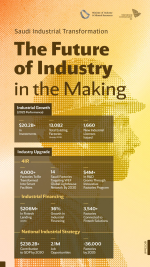
_Arabia_
Trusted Member
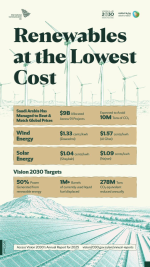
Very impressed with the reforestation across many parts of KSA.
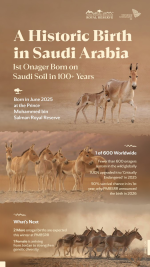
Increase in the populations of the endangered Arabian leopard, gazelles, Arabian oryx, Arabian wolves, Arabian sand cats, ostriches etc. as well.
2 years ago 4 cheetah cubs were born in KSA and afterwards released into the wild (national parks). Cheetahs in KSA went extinct in the wild in the 1970's.

Four new cheetah cubs born in Saudi Arabia after 40 years of extinction | Discover Wildlife
The birth of four Asiatic cheetahs is a huge sign of success for conservation efforts on the Arabian Peninsula.
 www.discoverwildlife.com
There have been rumors of reintroducing lions in KSA (national parks again) which went extinct in KSA some 100 years ago in the wild.
KSA hosted the Hajj without any major incidents for the 11th year in a row.
Last edited:
_Arabia_
Trusted Member
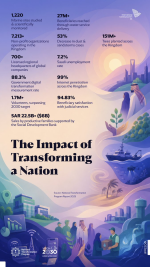
Wonderful and impressive statistics across the board.
KSA is a world leading expert in separating conjoined twins. Conjoined twins from across the world are operated in KSA on an almost monthly basis. All for free.
Saudi Arabia leads efforts to protect sea turtles

Ras Baridi Beach, about 70 km north of Yanbu, is the Kingdom’s most important and well-known sea turtle nesting site. (SPA)

Saudi Arabia leads efforts to protect sea turtles
RIYADH: World Sea Turtle Day, celebrated annually on June 16, highlights Saudi Arabia’s role in protecting this threatened marine species. Ras Baridi Beach, about 70 km north of Yanbu, is the Kingdom’s most important and well-known sea turtle nesting site. The day was established in 2000...
www.arabnews.com
Saudi Arabia’s new soil technologies offer breakthrough in desert restoration

With Saudi Arabia aiming to restore 40m hectares and plant 10bn trees, sustainable solutions for soil health and ecosystem recovery are becoming vital. (Supplied)


Saudi Arabia’s new soil technologies offer breakthrough in desert restoration
JEDDAH: As the world marks Desertification and Drought Day on June 17, global attention is focused on the future of rangelands, which cover more than half of the Earth’s land surface and support the livelihoods of around 2 billion people. This year’s theme, “Rangelands: Recognize. Respect...
www.arabnews.com
Jazan:

Last edited:
_Arabia_
Trusted Member
I came to think about it. The KSA and GCC are a completely unique phenomenon in the world.
For instance KSA (and the wider GCC to great or smaller degree) are in many ways the best mixture of capitalism and socialism.
In KSA we do not pay any taxation but we have free education, healthcare, free child-care, interest-free mortgages, a generous monthly allowance, VAT only 15% , government-backed marriage loans, social assistance programs and tons of other benefits etc. Incredibly unique for the world.
At the same time no direct political participation in the traditional Western sense by voting - other than municipal elections - albeit the society is completely different with the Shura Council and citizenship consultations daily/weekly with regional, provincial leadership and even directly with the Head of State (petitions, writing letters to him, meetings in person) etc. The tradition and society is also very different and works in unison with the leadership mostly due to the clan and tribal structure.
Just a side comment about how lucky and grateful we really should be. Many take it for granted. Add the security, prosperity, stability, economic growth, social cohesion etc.
For instance KSA (and the wider GCC to great or smaller degree) are in many ways the best mixture of capitalism and socialism.
In KSA we do not pay any taxation but we have free education, healthcare, free child-care, interest-free mortgages, a generous monthly allowance, VAT only 15% , government-backed marriage loans, social assistance programs and tons of other benefits etc. Incredibly unique for the world.
At the same time no direct political participation in the traditional Western sense by voting - other than municipal elections - albeit the society is completely different with the Shura Council and citizenship consultations daily/weekly with regional, provincial leadership and even directly with the Head of State (petitions, writing letters to him, meetings in person) etc. The tradition and society is also very different and works in unison with the leadership mostly due to the clan and tribal structure.
Just a side comment about how lucky and grateful we really should be. Many take it for granted. Add the security, prosperity, stability, economic growth, social cohesion etc.
Last edited:
Users who are viewing this thread
Total: 2 (members: 0, guests: 2)
Pakistan Defence Latest


Country Watch Latest
-
-
Trump orders military base mass shooter to be executed by firing squad (6 Viewers)
- Latest: j_hungary
-

-
-
Latest Posts
-

-

-
-
 Makkah Defence Alliance: Turkey, Saudi Arabia, and Pakistan, news & updates (37 Viewers)
- Latest: Starlord
-