China is waging a restitution campaign against Taiwan’s Forbidden City treasures
Louise Benson
5 June 2023
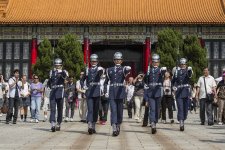
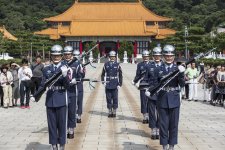
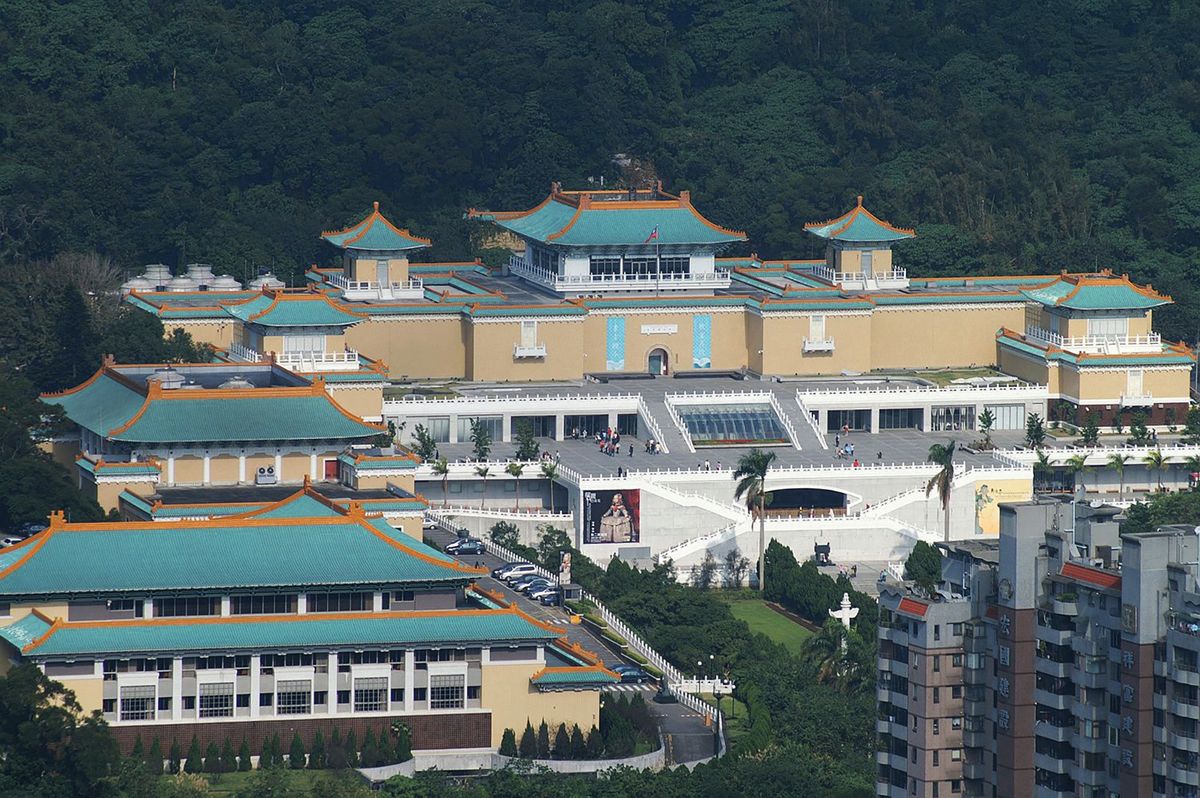
Since 1949, Taipei’s National Palace Museum has housed around 600,000 artefacts and works of art from Beijing’s Forbidden City
Almost 75 years ago, the world’s largest collection of Chinese artefacts and art was moved from Beijing’s Forbidden City to Taipei, the capital of Taiwan.
The transference of the artefacts, which numbers more than 600,000, was orchestrated by Chiang Kai-shek, the former leader of China’s ruling nationalist party Kuomintang (KMT), as he escaped Mao Zedong’s communist Red Army in 1949 by fleeing to Taiwan during the Chinese civil war.
Today, China wants the collection back. The artefacts have been housed at Taipei’s National Palace Museum since 1965, but are increasingly at the root of a fomenting dispute between China and Taiwan.
The National Palace Museum’s position is clear. It has unconditionally refused to return any of the items formerly displayed in Beijing. The museum also refuses to loan the artefacts to other countries due to fears they might be seized and repatriated to the Chinese mainland.
The museum, then, can be seen as a microcosm for the intensifying political tensions and historical conflicts that define China’s relationship with its Taiwanese neighbour.
Last October, it emerged that three porcelain pieces in the museum’s collection, worth a total of $66m, had been broken. The museum chose not to officially record the breakages at the time, which led to accusations of a cover-up by senior staff.
The story was seized upon by the Chinese government, which attacked the Taiwan authorities in a state newspaper, saying that only under reunification could these national treasures be fully protected. A cyber attack was also launched. Countless accounts across multiple social media platforms were created, all accusing the Taipei museum of chronically mishandling China’s priceless artefacts.
“In museum work, incidents like this are not very rare because, sometimes, due to the structural composition of the object, or due to age, objects can deteriorate,” said Tsai Chun-Yi, the curator of painting and calligraphy at the National Palace Museum, in a BBC documentary on Taiwan that aired this spring. “I do think [at the museum] we take great care of the cultural heritage passed on to us that belongs to people around the world.”
The cyber attacks take many forms. In March, up to 100,000 high-resolution images of paintings and calligraphy in the collection were leaked online after the museum was subject to an extensive digital heist. The artefacts were then put up for sale, often for less than $1, on Taobao, a Chinese shopping platform.
“We are looking into it and have hired lawyers to raise to Taobao the intellectual properties and damages involved,” the museum’s deputy museum director, Huang Yung-tai, told CNN at the time, explaining that the museum’s private server had been hacked.
“The historical artefacts displayed in the National Palace Museum in Taipei, are of utmost importance to China,” says Baoping Li, a lecturer in Chinese archaeology at University College London. The items formed part of the royal collection in the Forbidden City of the Ming and Qing dynasties (1368-1911). After the founding of the Republic of China (ROC), in 1925, the Forbidden City in Beijing was turned into the Palace Museum to house the royal collection.



 en.wikipedia.org