
Dalit
Elite Member


The controversy began after the US State Department released details of a phone call between Indian External Affairs Minister S Jaishankar and his American counterpart.
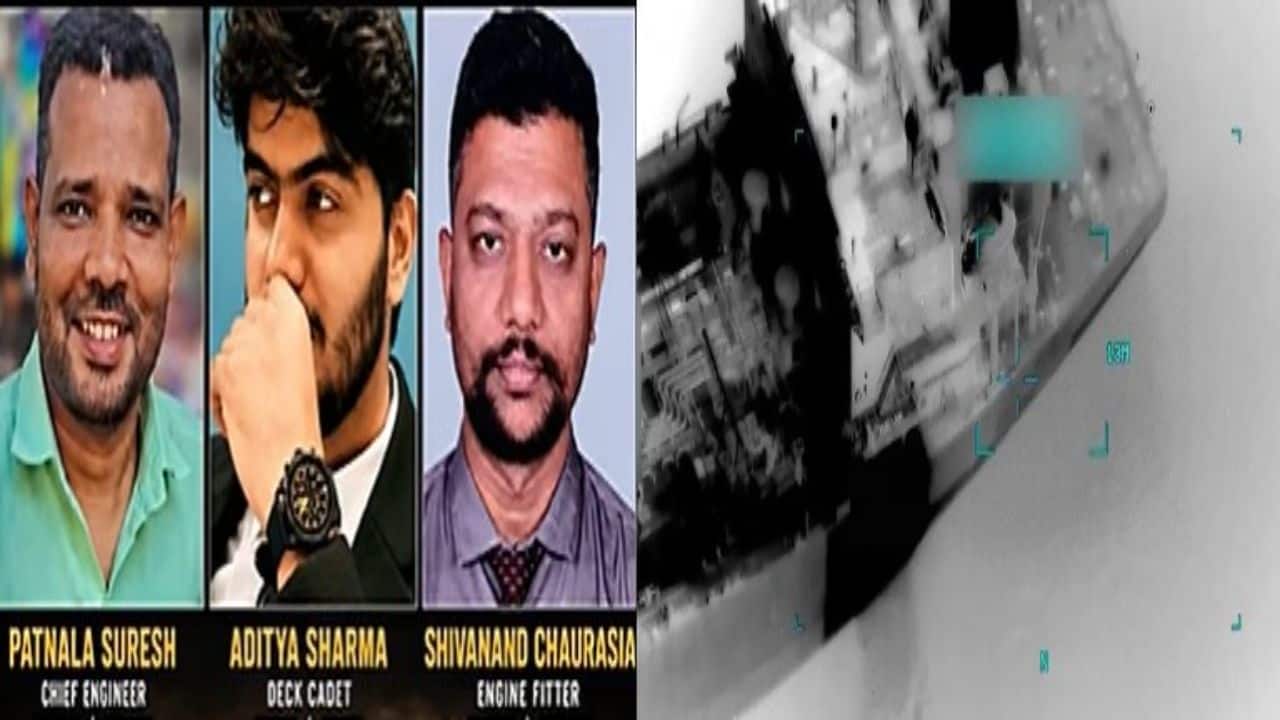
New Delhi: The killing of three Indian sailors in a US naval strike off the Oman coast have turned into a diplomatic flashpoint after US Secretary of State Marco Rubio defended Washington’s maritime blockade policy without expressing regret over the casualties.
His statements have led to strong reactions from Indian Opposition leaders, former diplomats, strategic analysts and even some international observers, many of whom see the comments as unusually blunt for a close strategic partner.
What Rubio said
The controversy began after the US State Department released details of a phone call between Indian External Affairs Minister S Jaishankar and his American counterpart.
According to the American statement, Rubio stressed that all commercial vessels must comply immediately with US military instructions in the Strait of Hormuz and warned that “violations” of the American blockade and “illegal” transport of Iranian oil would not be tolerated.
The wording stood out in India because it came days after a confirmed US naval attack on the commercial ship Setebelo on June 9, in which three Indian crew members were killed. Twenty-one other Indian sailors were rescued by the Oman Navy.
India had lodged a formal protest. Jaishankar said he conveyed India’s “strong protest” to Rubio and told him that such “lethal action” against commercial shipping was “not acceptable in any way”.
Opposition attacks the US response
Congress MP Shashi Tharoor wrote on X that he was “deeply shocked” by the US statement because it contained “not a word of regret or condolence for the deaths of innocent Indians”.
“How can a ‘friend’ and strategic partner be so insensitive?” he asked and questioned whether the vessel could have been disabled without killing civilians, asking if targeting propulsion or steering systems would have been a more proportionate response.
Congress leader Pawan Khera went further, calling the American response “shameful”. He argued that India should have demanded an unconditional apology for the deaths of the sailors. “This is the language of orders, not remorse,” he said, referring to Rubio’s warning about compliance with US military instructions.
He also criticised India’s official statement, saying calling the strike merely “not right” was too weak for an incident in which civilians died in a military attack.
Ex-diplomats and analysts warn of a harsher US tone
Former Indian Foreign Secretary Nirupama Rao described the incident as an example of how international relations are changing. Sharing comments by Indo-Pacific expert Derek J Grossman, she wrote that “power is speaking in the language of sanctions, blockades, tariffs and coercion”.
Grossman too said Rubio’s remarks were “insensitive” and likely to strengthen anti-American sentiment in India because he “did not even express condolences for the loss of Indian lives”.
Strategic affairs analyst Brahma Chellaney also criticised New Delhi’s response, calling it “weak”. He argued that there had been no demand for an apology or compensation for the victims’ families.
Veteran journalist Rajdeep Sardesai questioned whether merely summoning diplomats was enough. He wrote that targeting commercial vessels amounted to “a blatant violation of international law”.
A pattern of attacks in the Gulf
The June 9 strike was not an isolated incident. According to the information available, two other vessels carrying Indian crew members were attacked in the Gulf region on June 8 and June 11 as well, though there were no fatalities in those cases.
The June 9 incident is also being described as the first confirmed case in the American military campaign where deaths from a US strike have been publicly acknowledged.
Was India indirectly warned?
One reason the episode has become politically explosive is the interpretation of Rubio’s language. Edward Wong, diplomatic correspondent of The New York Times, described the statements on social media as effectively “a warning to India”.
He wrote that the Trump administration had angered India through the strike near Oman, and that Rubio’s latest remarks appeared to reinforce that message rather than soften it.
The Hindu’s diplomatic editor Suhasini Haidar also pointed to the contrast between India’s protest and the US emphasis on enforcing its blockade policy.
India-US ties face an uncomfortable moment
The episode comes at a sensitive time in India-US relations. The two countries have strengthened defence cooperation, maritime coordination and strategic ties over the past decade. The deaths of Indian sailors and the absence of an explicit American apology, however, have created visible discomfort in New Delhi.
Retired Major General GD Bakshi described the issue in emotional terms, questioning whether India’s efforts to build a closer partnership with Washington were being reciprocated fairly. He pointed out that many Chinese ships had crossed the blockade without being targeted, while Indian crew members had paid the price.
So far, New Delhi has limited its response to diplomatic protest. The domestic reaction, however, suggests the issue may not fade so soon, especially if Washington continues to defend the strikes primarily as part of its blockade enforcement policy rather than acknowledging the human cost for India.
 zeenews.india.com
New Delhi: The killing of three Indian sailors in a US naval strike off the Oman coast have turned into a diplomatic flashpoint after US Secretary of State Marco Rubio defended Washington’s maritime blockade policy without expressing regret over the casualties.
His statements have led to strong reactions from Indian Opposition leaders, former diplomats, strategic analysts and even some international observers, many of whom see the comments as unusually blunt for a close strategic partner.
What Rubio said
The controversy began after the US State Department released details of a phone call between Indian External Affairs Minister S Jaishankar and his American counterpart.
According to the American statement, Rubio stressed that all commercial vessels must comply immediately with US military instructions in the Strait of Hormuz and warned that “violations” of the American blockade and “illegal” transport of Iranian oil would not be tolerated.
The wording stood out in India because it came days after a confirmed US naval attack on the commercial ship Setebelo on June 9, in which three Indian crew members were killed. Twenty-one other Indian sailors were rescued by the Oman Navy.
India had lodged a formal protest. Jaishankar said he conveyed India’s “strong protest” to Rubio and told him that such “lethal action” against commercial shipping was “not acceptable in any way”.
Opposition attacks the US response
Congress MP Shashi Tharoor wrote on X that he was “deeply shocked” by the US statement because it contained “not a word of regret or condolence for the deaths of innocent Indians”.
“How can a ‘friend’ and strategic partner be so insensitive?” he asked and questioned whether the vessel could have been disabled without killing civilians, asking if targeting propulsion or steering systems would have been a more proportionate response.
Congress leader Pawan Khera went further, calling the American response “shameful”. He argued that India should have demanded an unconditional apology for the deaths of the sailors. “This is the language of orders, not remorse,” he said, referring to Rubio’s warning about compliance with US military instructions.
He also criticised India’s official statement, saying calling the strike merely “not right” was too weak for an incident in which civilians died in a military attack.
Ex-diplomats and analysts warn of a harsher US tone
Former Indian Foreign Secretary Nirupama Rao described the incident as an example of how international relations are changing. Sharing comments by Indo-Pacific expert Derek J Grossman, she wrote that “power is speaking in the language of sanctions, blockades, tariffs and coercion”.
Grossman too said Rubio’s remarks were “insensitive” and likely to strengthen anti-American sentiment in India because he “did not even express condolences for the loss of Indian lives”.
Strategic affairs analyst Brahma Chellaney also criticised New Delhi’s response, calling it “weak”. He argued that there had been no demand for an apology or compensation for the victims’ families.
Veteran journalist Rajdeep Sardesai questioned whether merely summoning diplomats was enough. He wrote that targeting commercial vessels amounted to “a blatant violation of international law”.
A pattern of attacks in the Gulf
The June 9 strike was not an isolated incident. According to the information available, two other vessels carrying Indian crew members were attacked in the Gulf region on June 8 and June 11 as well, though there were no fatalities in those cases.
The June 9 incident is also being described as the first confirmed case in the American military campaign where deaths from a US strike have been publicly acknowledged.
Was India indirectly warned?
One reason the episode has become politically explosive is the interpretation of Rubio’s language. Edward Wong, diplomatic correspondent of The New York Times, described the statements on social media as effectively “a warning to India”.
He wrote that the Trump administration had angered India through the strike near Oman, and that Rubio’s latest remarks appeared to reinforce that message rather than soften it.
The Hindu’s diplomatic editor Suhasini Haidar also pointed to the contrast between India’s protest and the US emphasis on enforcing its blockade policy.
India-US ties face an uncomfortable moment
The episode comes at a sensitive time in India-US relations. The two countries have strengthened defence cooperation, maritime coordination and strategic ties over the past decade. The deaths of Indian sailors and the absence of an explicit American apology, however, have created visible discomfort in New Delhi.
Retired Major General GD Bakshi described the issue in emotional terms, questioning whether India’s efforts to build a closer partnership with Washington were being reciprocated fairly. He pointed out that many Chinese ships had crossed the blockade without being targeted, while Indian crew members had paid the price.
So far, New Delhi has limited its response to diplomatic protest. The domestic reaction, however, suggests the issue may not fade so soon, especially if Washington continues to defend the strikes primarily as part of its blockade enforcement policy rather than acknowledging the human cost for India.
Three Indian sailors killed, no remorse or apology from US: Has Rubio sent India a warning? | India, World News | Zee News
The controversy began after the US State Department released details of a phone call between Indian External Affairs Minister S Jaishankar and his American counterpart.
zeenews.india.com


