For a country like Lao with a GDP of 15 billion, they have spent $ 6 billion on this project. but the funny part is $3.6 billion of it is a loan from a chinese bank by Lao. Another $480 million is contributed by the Laon government, which in turn again took a loan from Chinese Bank. net, Lao took $4 billion loan for a single project, which is 27% of its GDP..
with a rate of return on investment of 4.65% on the total investment for the project vs interest payment for the loan + Operations cost of the projects, only God, XI and our friend
@Beijingwalker would know how good is the project for the Laon people..

)
China-Laos Railway Surpasses Around Sixty Million Passengers, Strengthening Cross-Border Connectivity and Economic Growth
Published on September 22, 2025
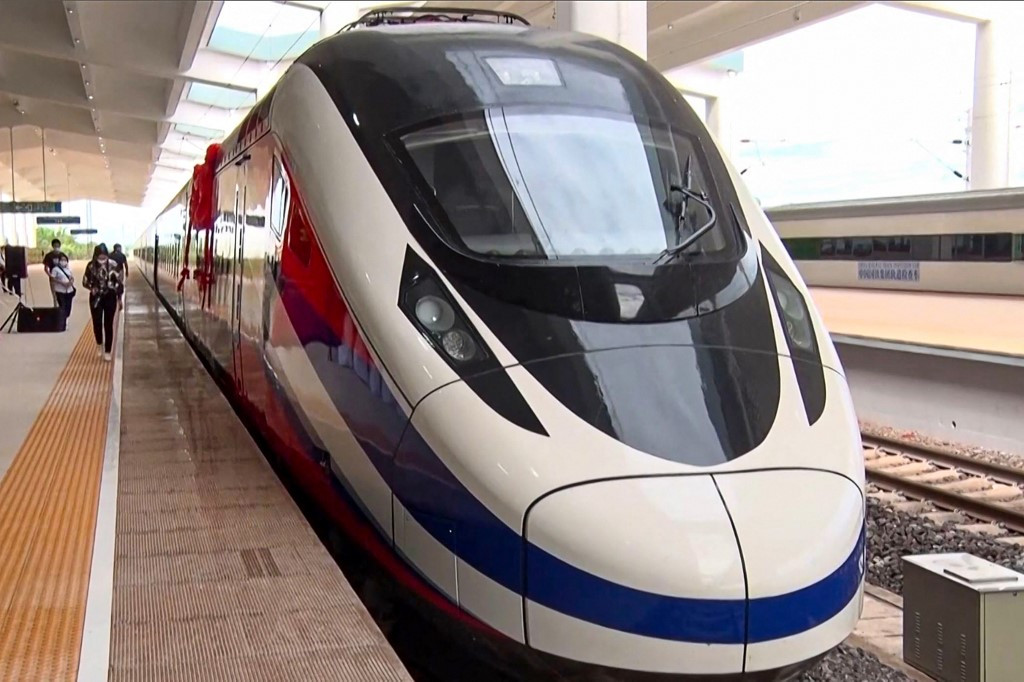
China-Laos Railway has surpassed around sixty million passengers, a significant milestone that underscores its growing importance in enhancing cross-border connectivity between China and Laos. Since its launch in December 2021, the railway has facilitated smoother, more efficient travel, making it a vital link for both domestic and international tourists. This achievement not only reflects the increasing demand for cross-border travel but also highlights the railway’s role in stimulating economic growth and regional integration. By connecting major cities such as Kunming and Vientiane, the railway has bolstered trade, tourism, and cultural exchanges, contributing to stronger economic ties between the two nations and supporting broader regional development under China’s Belt and Road Initiative.
The railway has seen a remarkable increase in international travelers. The China Railway Kunming Group Co., the organization overseeing the project, reports that 83,000 passenger trains have been operated, welcoming over 580,000 visitors from around the globe. A significant number of these passengers have used the service to travel to Laos’ capital, Vientiane, explore the scenic landscapes of Yunnan Province in China, or delve into the rich cultural heritage of both nations. This growing traffic underscores the China-Laos Railway’s role in fostering mutual understanding and strengthening economic links between the two countries.
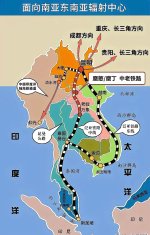
Part of the broader Belt and Road Initiative, the 1,035-kilometer railway spans from Kunming in China’s Yunnan Province to Vientiane in Laos, improving access between two regions with strong historical, cultural, and economic ties. Its completion has heralded a new era of regional integration, providing more efficient routes for trade, tourism, and people-to-people exchanges. Over time, the railway has not only boosted local economies but has also become a symbol of China’s growing influence in Southeast Asia.
The railway’s contribution to tourism is particularly notable. In 2025, the China-Laos Railway recorded 14.5 million passenger trips, a 3.2% year-on-year increase. Of those, 11.9 million were on the Chinese section, with 2.6 million on the Laotian segment. These figures represent a steady rise in demand for cross-border travel, reflecting both the railway’s success and its integral role in regional tourism. The volume of passengers traveling along the railway has grown progressively, with monthly ridership increasing from an initial 600,000 to more than 1.6 million passengers across the entire route.
One of the major areas of growth has been in the frequency of train services. On the Chinese section, the number of daily passenger trains has increased dramatically—from 8 trains per day in the early stages to a peak of 86 trains. The Laotian section has also experienced similar growth, with services expanding from 4 to 18 daily trains. These increases have allowed the railway to carry over 48.6 million passengers, offering a reliable and attractive travel option for tourists exploring the region.
To meet the increasing demand, authorities in China and Laos have implemented several initiatives to make international travel more seamless. These include offering foreign bank card payments, allowing cash withdrawals in Chinese yuan, and enhancing the ticketing systems for international passengers. Additionally, online booking and payment options have been expanded, making it easier for travelers to secure tickets in advance. These improvements have helped to streamline travel, particularly for visitors from outside the region, contributing to the railway’s growing popularity.
In response to surging demand, the number of cross-border passenger seats has increased significantly, from an initial 250 to 420 per train. Additionally, the number of daily border crossings has grown, with the peak now reaching 1,300 entries and exits. This growth is a clear indication of the railway’s success in facilitating international travel and expanding opportunities for cultural and economic exchanges between China and Laos.
The expansion of the China-Laos Railway comes at a time when China’s visa-free policies are helping to stimulate tourism in Southeast Asia. As more travelers gain easy access to Laos and China, the railway has become an even more attractive option for tourists seeking efficient and comfortable travel between the two countries. In particular, the railway links popular tourist destinations, including Kunming and Xishuangbanna in China, and Vientiane and Luang Prabang in Laos. These locations are renowned for their cultural richness, stunning natural landscapes, and unique culinary experiences, making the railway an essential link for tourists eager to explore the best of both nations.
China-Laos Railway has surpassed around sixty million passengers, marking a key milestone in enhancing cross-border connectivity. This growth highlights its vital role in boosting tourism, trade, and economic development between China and Laos.
The China-Laos Railway has firmly established itself as a “golden route” connecting China with Southeast Asia. It offers travelers a smooth and enjoyable journey, while also serving as a vital artery for economic, cultural, and social exchanges. The convenience and speed of the railway, combined with its cultural and scenic offerings, have made it a popular choice for both domestic and international travelers. As the railway continues to expand, its role in enhancing regional connectivity and supporting economic growth will only continue to grow. The project stands as a powerful example of how infrastructure can foster lasting bonds between countries and contribute to shared prosperity.







 PTI Murad Saeed in Afghanistan, was 'controlling KP govt' from there: Rana Sanaullah (6 Viewers)


 Chinese ground war fighting capacity is based on industrial capacity (9 Viewers)
