Beijingwalker
VIP Member

U.S.-Supplied F-16 Fighters in Pakistan Were Too Obsolete to Fight India in 2025
August-13th-2026Pakistan’s ageing F-16 fourth generation fighter fleet was reportedly constrained during the 2025 India-Pakistan conflict by the limited range of its AIM-120C-5 AMRAAM missiles, according to comments attributed to a retired Pakistan Air Force (PAF) Air Commodore.
The reported assessment highlights a growing disparity between Pakistan’s U.S.-origin fighters and its newer Chinese-supplied combat aircraft in their beyond-visual-range combat capabilities.
The AIM-120C-5 remains the principal air-to-air weapon of the Pakistani F-16 fleet, and has an approximately 100 kilometre range. although the effective engagement range against a manoeuvring fighter can be considerably lower, however, and depends on launch altitude, speed, target behaviour, electronic warfare and other factors.
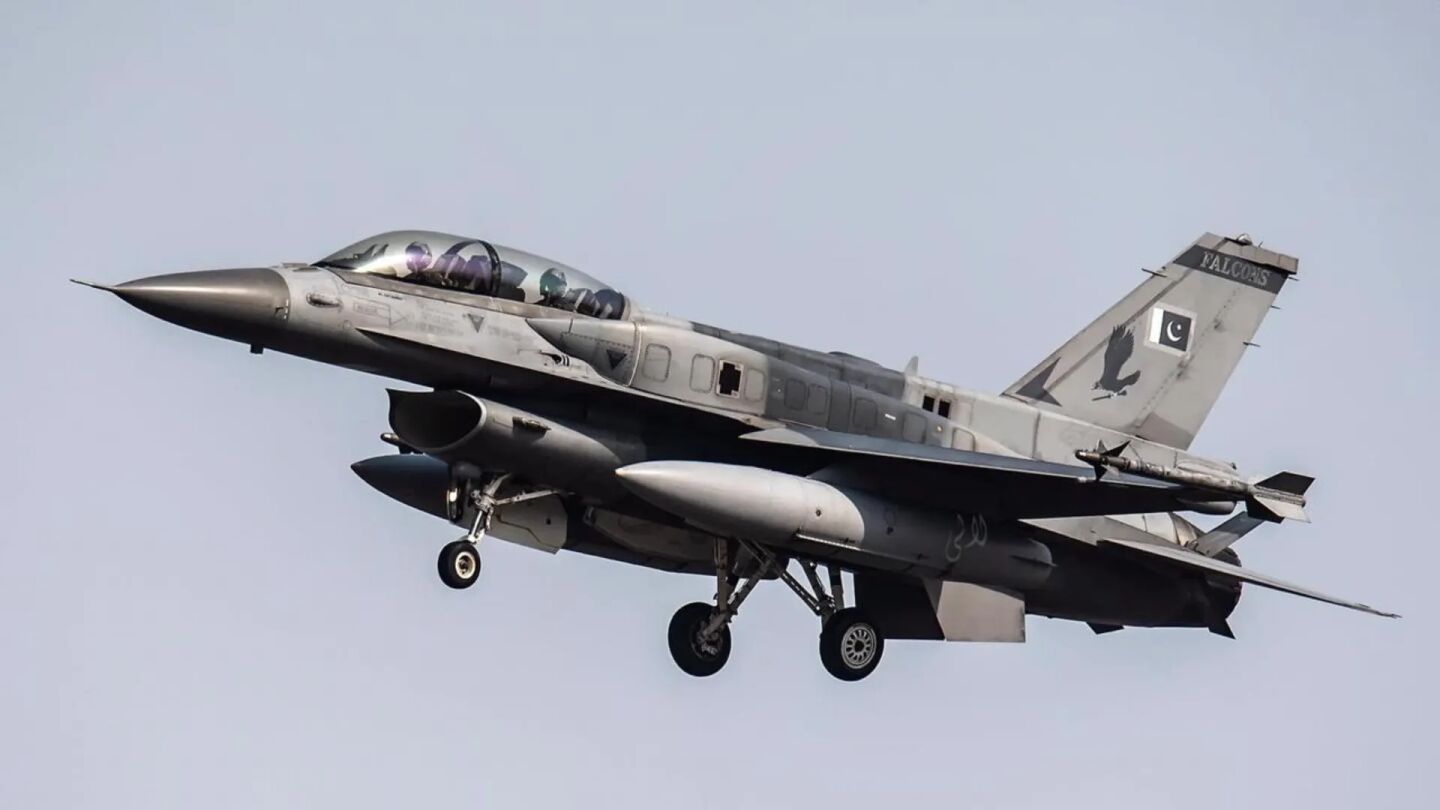
According to the reported Pakistani assessment, this limitation affected how aggressively F-16s could be employed during Operation Sindoor. Aircraft approaching the forward edge of the battlespace could potentially find themselves inside the effective engagement envelope of Indian fighters carrying newer or longer-ranged missile types before the Pakistani F-16s could achieve a comparable firing opportunity. Consequently, the Air Force was reportedly reluctant to expose a large proportion of its F-16 force to the most dangerous areas of the confrontation.
Pakistan first procured F-16 fighters in the early 1980s, although the faced significant disadvantages against Soviet fighters operating over Afghanistan, such as the MiG-23ML which had advanced beyond visual range combat capabilities. The F-16s were modernised in the early 2000s and integrated the AIM-120C, which for the first time provided them with radar guided air-to-air missiles. This narrowed the performance gap with India’s newly procured Su-30MKI ‘4+ generation’ fighters, which today form the backbone of its fleet. The Su-30MKI carries a radar several times more powerful and considerably more advanced, and has a greater missile payload, superior electronic warfare capabilities, and a far more outstanding flight performance.
Pakistan’s F-16s for decades, the aircraft formed the technological core of the Air Force’s fighter fleet, and played a central role during the 2019 India-Pakistan confrontation. Procurements of JF-17 Block III, and subsequently J-10C fighters from China in the early 2020s represented a game changer that left the F-16, and the large majority of Indian fighter types, far out of date. Both combine advanced active electronically scanned array (AESA) radars with modern data links and the PL-15 long-range air-to-air missile. The PL-15, and many of the technologies integrated onto the two fighter types, were originally developed for the J-20 fifth generation fighter program.
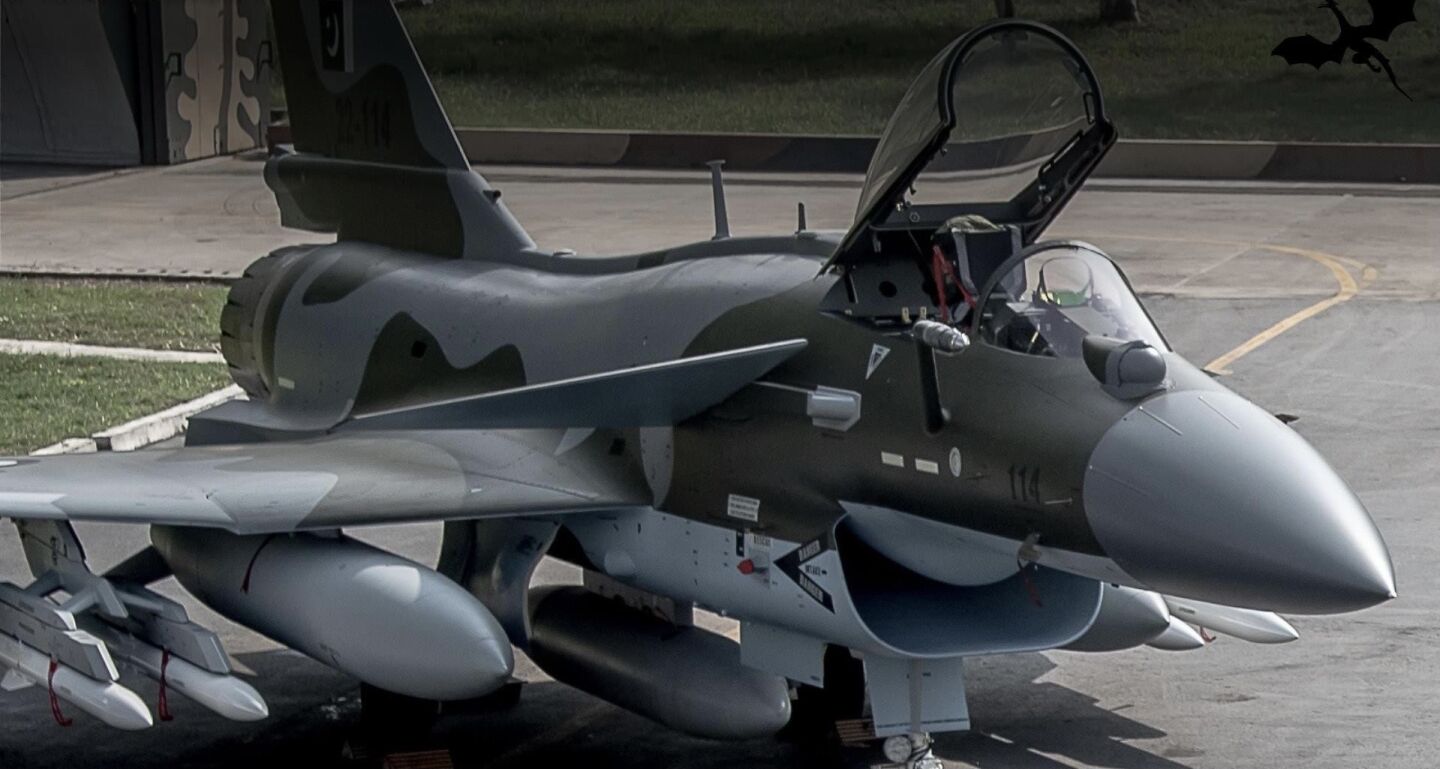
The PL-15 is designed to provide a substantially greater engagement envelope than older medium-range missiles such as the PL-12. Jane’s estimates its maximum range at around 300 kilometres, while its AESA radar seeker is considerably more powerful and challenging to jam than the much older seeker on the AIM-120C.
The J-10C’s service entry for the first time provided Pakistani fighter units with a distinct advantage over those in Indian Air Force service, with the aircraft credited with shooting down between one and for Indian Rafale fighters. Indian forces heavily compensated for these disadvantages by relying on newly procured S-400 long range air defence systems to take a heavy toll on Pakistani air power.
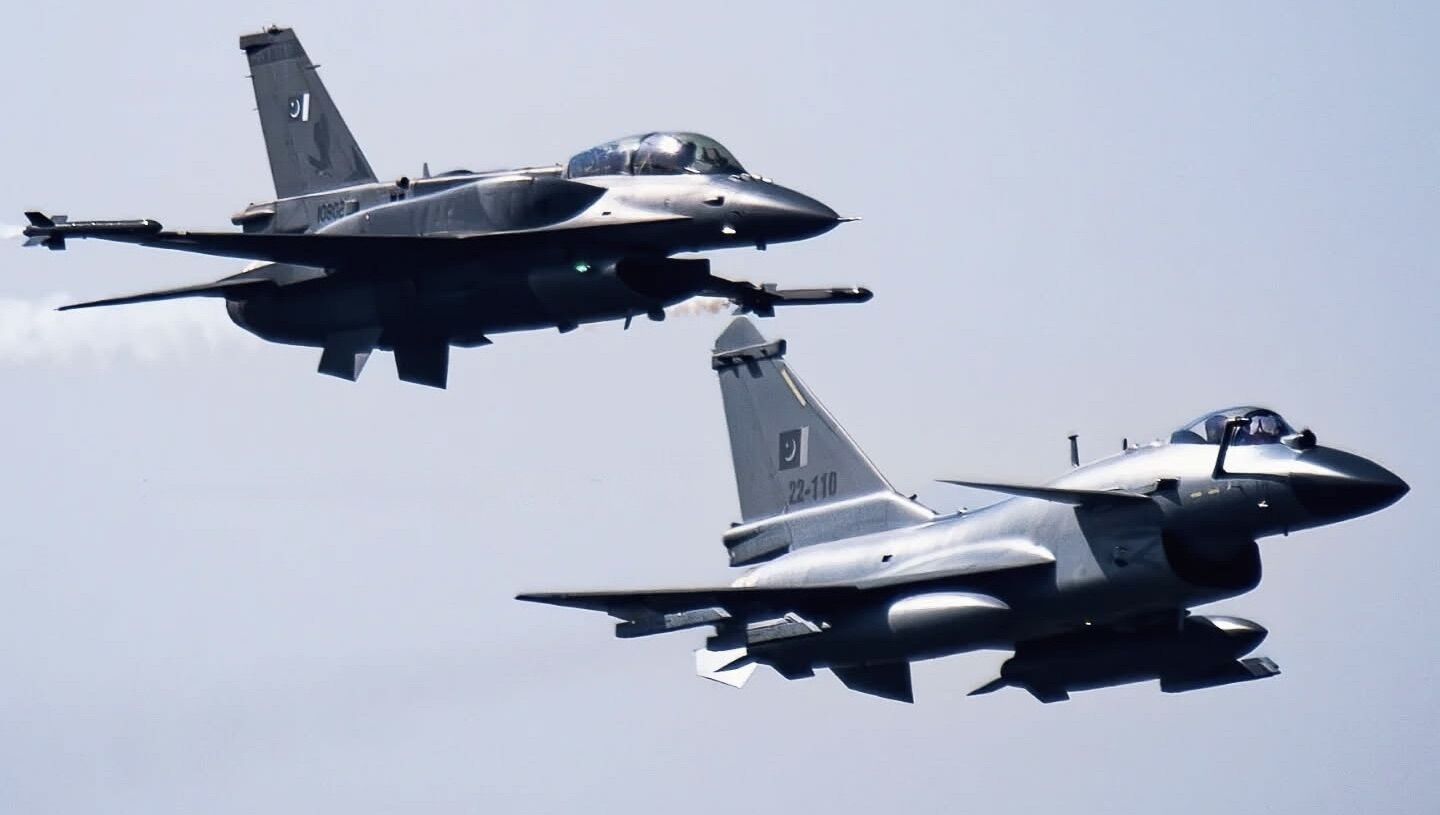
Pakistan’s growing dependence on Chinese combat aircraft reflects a broader strategic evolution in its air force. The JF-17 has already become the central component of the fleet, while the J-10C provides a substantially more capable platform that is expected to be procured in growing numbers.
The age of much of the F-16 fleet has fuelled speculation that the type could be passed out of service by the mid-2030s, with sustainment costs being significantly higher than those of the two newer Chinese fighter types. Multiple Pakistani sources have also reported that the country is expected to procure J-35 fifth generation fighter aircraft from China, which would further widen its advantage over Indian aircraft.