Navigation
Install the app
How to install the app on iOS
Follow along with the video below to see how to install our site as a web app on your home screen.
Note: This feature may not be available in some browsers.
More options
Style variation
You are using an out of date browser. It may not display this or other websites correctly.
You should upgrade or use an alternative browser.
You should upgrade or use an alternative browser.
USA Deportations news
- Thread starter Davey Crockett
- Start date
More options
Who Replied?

AZ_HighCountry
INT'L MOD
Little bump time. Tell me Colorado is a blue state without telling me Colorado is a blue state:

 www.foxnews.com
Colorado lawyers say court e-file system now makes them certify they won’t assist ICE
Colorado reportedly requires lawyers to certify they won't assist ICE as a condition of accessing the state's court e-filing system, sparking outrage.
www.foxnews.com
AZ_HighCountry
INT'L MOD
Let's be intellectually honest. This has nothing to do with the law. This all a part of "the resistance":
 www.foxnews.com
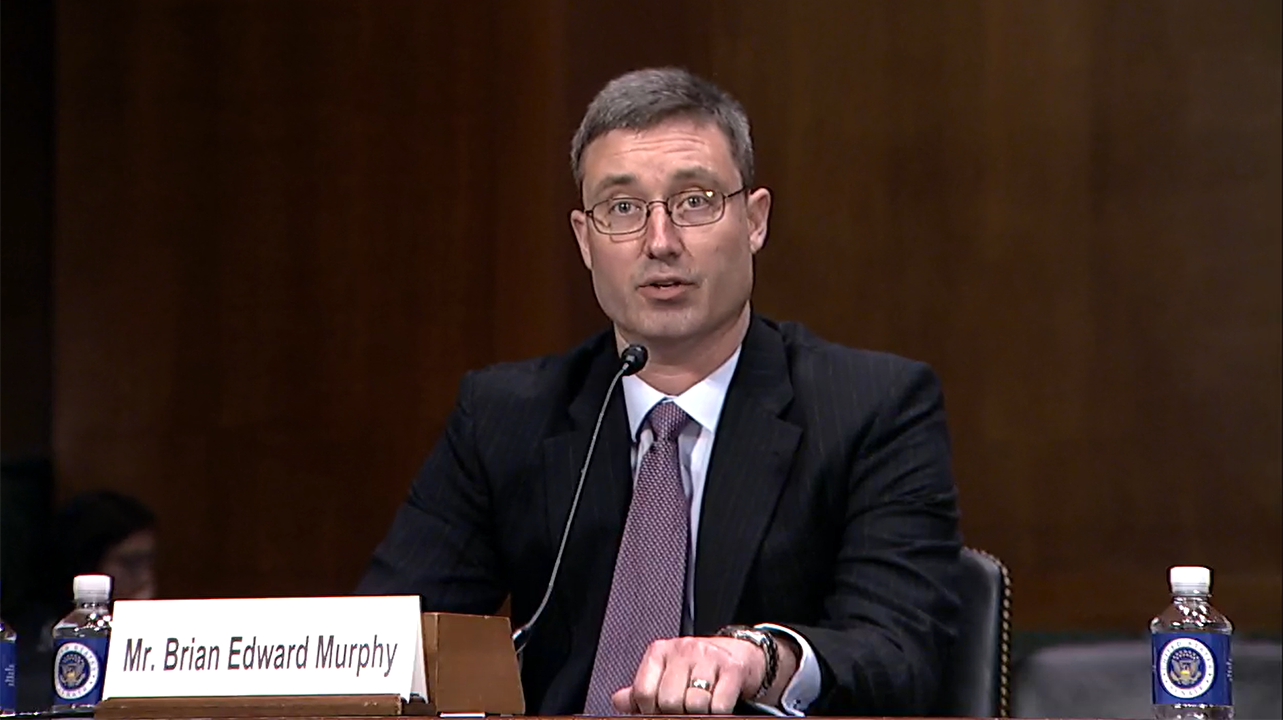
Biden-appointed judge at center of repeated clashes with Trump admin issues new immigration block
Biden-appointed Judge Brian Murphy blocked the deportation of thousands of Ethiopian migrants, finding DHS did not follow proper protocols to cancel their temporary protected status.
www.foxnews.com
Davey Crockett
Elite Member
- Thread starter
- #2,119
Donald J. Trump
@realDonaldTrump
An Illegal Alien Criminal from Haiti, who was released into our Country by the WORST President in History, Crooked Joe Biden, and the Radical Democrats in Congress, just beat an innocent woman to death with a hammer at a gas station in Florida. The video of her brutal slaying is one of the most vicious things you will ever see.
Viewer discretion advised
@realDonaldTrump
An Illegal Alien Criminal from Haiti, who was released into our Country by the WORST President in History, Crooked Joe Biden, and the Radical Democrats in Congress, just beat an innocent woman to death with a hammer at a gas station in Florida. The video of her brutal slaying is one of the most vicious things you will ever see.
Viewer discretion advised

Hamartia Antidote
Elite Member
oh sure..when a State Police office gets hurt ICE is called pronto.
hey where are the protestors and the outrage???
ICE agents arrest Mass. man as he enters courthouse for wrong-way crash hearing
Lucas Di Benedetto, 41, was scheduled to be arraigned in Peabody District Court on charges following a Sunday morning crash with a Massachusetts State Police cruiser on Route 1. The trooper driving the cruiser was hospitalized and Di Benedetto was charged with operating under the influence, negligent operation of a motor vehicle and driving the wrong way.
hey where are the protestors and the outrage???
Hamartia Antidote
Elite Member
ICE officer who fatally shot driver in Maine was 'fearing for public safety,' agency says
Sen. Angus King says the motorist killed by ICE officers in a Maine shooting was not the target of the warrant the officers were executing.
 apnews.com
ICE shot and killed a motorist in Maine. Advocates say he’s a 26-year-old from Colombia
Federal authorities were silent about what led up to the shooting, but U.S. Sen. Angus King said Homeland Security Secretary Markwayne Mullin told him the officer opened fire after the man tried to use his vehicle as a weapon against ICE agents in Biddeford, a coastal city roughly 15 miles (24 kilometers) southwest of Portland.
Man witnessed shooting involving immigration agents in Biddeford, Maine
AZ_HighCountry
INT'L MOD

ICE officer who fatally shot driver in Maine was 'fearing for public safety,' agency says
Sen. Angus King says the motorist killed by ICE officers in a Maine shooting was not the target of the warrant the officers were executing.ICE shot and killed a motorist in Maine. Advocates say he’s a 26-year-old from Colombia
Man witnessed shooting involving immigration agents in Biddeford, Maine
He wasn't a target but became one when he attempted to run ICE agents over.
Poor choices come with consequences.

SolarWarden
Trusted Member
Doesn't matter ICE evil illegal good and just trying to live his life and defend himself. He will be another martyr for the wacky left. Since he's Colombian he more than likely had yayo in his system.He wasn't a target but became one when he attempted to run ICE agents over.
Poor choices come with consequences.


Indian nationals constitute the third-largest population of undocumented immigrants in the United States, trailing only Mexico and El Salvador. As of recent estimates, there are approximately 725,000 undocumented Indian immigrants living in the country. [1, 2, 3]
The phenomenon of irregular migration from India to North America involves specific transit routes, demographic trends, and an ongoing enforcement crackdown. [1, 2, 3]
 Common Migration Routes
Undocumented Indian migrants primarily use two entry points into the United States, often organized by sophisticated smuggling syndicates: [1, 2, 3]
 Demographic Profile & Regional Pockets
Research papers and census data highlight unique characteristics of this migrant group:
The phenomenon of irregular migration from India to North America involves specific transit routes, demographic trends, and an ongoing enforcement crackdown. [1, 2, 3]
Common Migration RoutesUndocumented Indian migrants primarily use two entry points into the United States, often organized by sophisticated smuggling syndicates: [1, 2, 3]
- The Northern Border (Canada-US): Canada has increasingly served as a transit point. Migrants fly into Canada using tourist or student visas before attempting to cross illegally into northern US states. [1, 2, 3, 4]
- The Southern Border (Mexico-US): Known as the "Donkey Route" (or Dunki), this arduous itinerary involves flying to transit countries in Europe, Africa, or Latin America (such as El Salvador or Brazil) and traveling overland through dangerous regions like the Darien Gap to reach the Mexico-US border. [1, 2, 3]
Demographic Profile & Regional PocketsResearch papers and census data highlight unique characteristics of this migrant group:
- Economic Background: Unlike many global migrant groups, most undocumented Indians are economic migrants from wealthier Indian states, particularly Punjab, Haryana, and Gujarat. The perilous journey requires massive funding—often between $30,000 and $100,000—forcing families to sell ancestral land or borrow from local lenders. [1, 2, 3, 4]
- Top US States: The largest populations of undocumented Indian immigrants reside in states with pre-existing, large South Asian communities:
- California (approx. 112,000)
- Texas (approx. 61,000)
- New Jersey (approx. 55,000)
- New York (approx. 43,000)
- Illinois (approx. 31,000) [1]
- Asylum Claims: A significant percentage of apprehended Indian nationals file for asylum upon crossing. According to studies on Illegal immigration to the United States, asylum seekers from India surged by over 460% between 2018 and 2023, with Punjabi speakers representing the vast majority of applicants. [1, 2]
- Mass Deportations: The US government has dramatically stepped up repatriation efforts. Thousands of undocumented Indians have been detained and deported. Notably, the US Immigration and Customs Enforcement (ICE) has deployed large-scale charter and military aircraft to fly shackled deportees directly back to airports in Punjab.
 [1, 2, 3, 4, 5, 6]
 - Border Sharp Declines: Enhanced security, bilateral cooperation, and strict enforcement have led to a sharp contraction in illegal crossings. According to US Customs and Border Protection (CBP) data, illegal Indian crossings at the northern Canada-US border fell by 68%. [1, 2]
- Overstay Enforcement: Beyond border crossings, the US Embassy in India has tightened scrutiny on visa overstays, warning that overstaying tourist or student visas will yield rapid deportation and permanent entry bans. [1, 2]
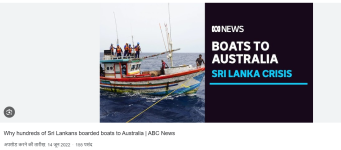
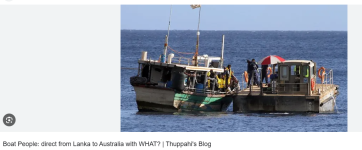
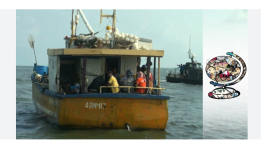
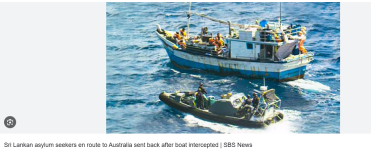
The history of Tamil boat people seeking asylum in Australia primarily stems from the decades-long civil war and persecution in Sri Lanka, which intensified in the 1980s and culminated in the war's brutal end in 2009. Driven by the threat of violence, human rights abuses, and the legacy of the separatist Tamil Tiger conflict, thousands of Sri Lankan Tamils undertook perilous sea journeys to reach Australian shores. [1, 2, 3]
The flow of Tamil asylum seekers to Australia occurred in several distinct waves and phases:
Early Arrivals and the 2000s
Small numbers of Tamils first began arriving by boat in Australia in the 1990s as the Sri Lankan Civil War escalated. Seeking refuge from conflict and systemic discrimination, many took dangerous routes, often departing not just from Sri Lanka, but also from refugee camps in Tamil Nadu, India. [1, 2]
The 2012–2013 Peak
Following the defeat of the Tamil Tigers in 2009, maritime migration to Australia saw a massive surge. During 2012 and 2013, Sri Lankans—the majority being Tamils—comprised the largest single source of boat asylum seekers to Australia. These journeys, usually organized by people smugglers, were extremely hazardous, with migrants packed into unseaworthy wooden fishing trawlers or cargo holds for weeks at a time. The UN and aid agencies estimated that hundreds, and possibly over 1,200, Tamil refugees died or disappeared at sea while attempting to cross the Indian Ocean during this period. [1, 2, 3, 4, 5]
.
=>
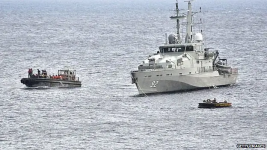
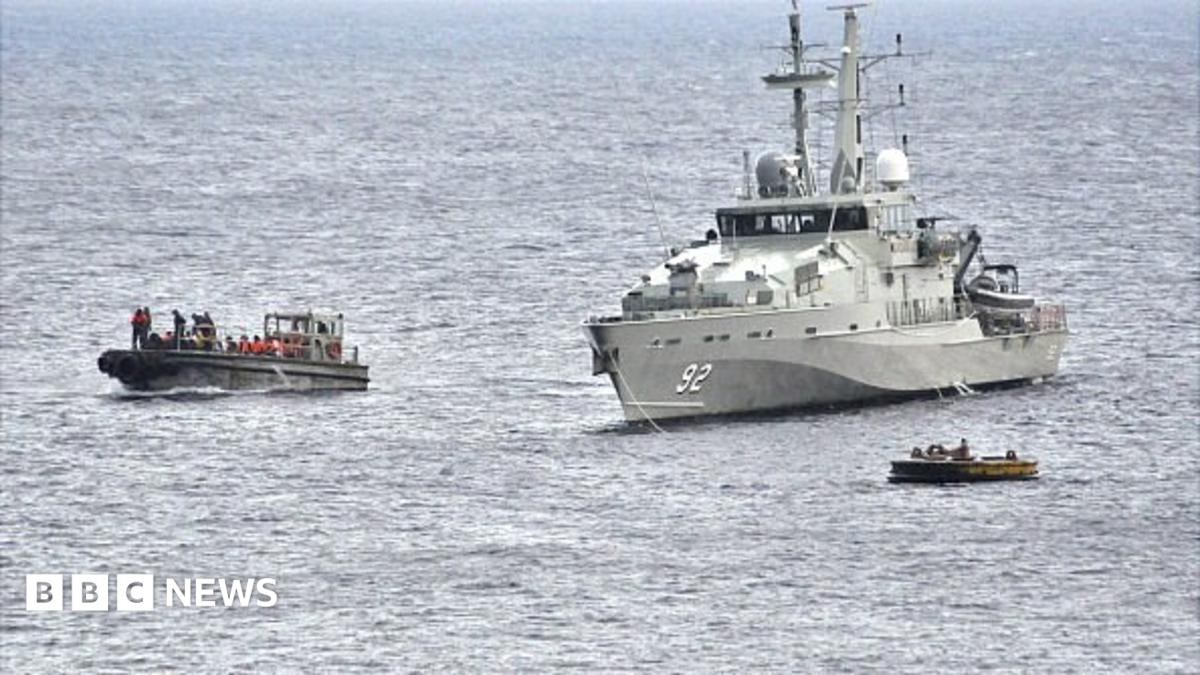
Australia says it is trying to deter asylum seekers from making dangerous sea voyages
Australia is refusing to comment on the fate of more than 200 Tamil asylum seekers reportedly intercepted at sea to the north-west of the country.
It is believed two boats carrying the asylum seekers were stopped by Australian authorities in the Indian Ocean and that some passengers were handed over to the Sri Lankan navy.
Refugee campaigners say it is a violation of international law.
They say at least 11 of those on board had been tortured in Sri Lanka.
Australia has been taking a tough approach on asylum seekers who try to reach the country by perilous sea journeys.
Hundreds of would-be migrants have died trying to make their way to Australia by boat in recent years.
The government has made no comment for what it says are "operational reasons" and will neither confirm nor deny the existence of the two boats carrying Tamils from Sri Lanka, says the BBC's Phil Mercer in Sydney.
But Australian media say that some have already had their refugee claims rejected and have been transferred to the Sri Lankan navy, he adds.
Forcing asylum seekers back to their country of origin without properly investigating their claims is a flagrant breach of the Refugee Convention and international law, the Refugee Council of Australia said.
Chief executive Paul Power said: "For asylum seekers, this is a matter of life and death, particularly in Sri Lanka which has a long history of political violence on a scale unimaginable to Australians."
Ministers say, however, that Australia is upholding its international obligations.
 www.bbc.com
The flow of Tamil asylum seekers to Australia occurred in several distinct waves and phases:
Early Arrivals and the 2000s
Small numbers of Tamils first began arriving by boat in Australia in the 1990s as the Sri Lankan Civil War escalated. Seeking refuge from conflict and systemic discrimination, many took dangerous routes, often departing not just from Sri Lanka, but also from refugee camps in Tamil Nadu, India. [1, 2]
The 2012–2013 Peak
Following the defeat of the Tamil Tigers in 2009, maritime migration to Australia saw a massive surge. During 2012 and 2013, Sri Lankans—the majority being Tamils—comprised the largest single source of boat asylum seekers to Australia. These journeys, usually organized by people smugglers, were extremely hazardous, with migrants packed into unseaworthy wooden fishing trawlers or cargo holds for weeks at a time. The UN and aid agencies estimated that hundreds, and possibly over 1,200, Tamil refugees died or disappeared at sea while attempting to cross the Indian Ocean during this period. [1, 2, 3, 4, 5]
.
=>
Australia in row over boats carrying Tamil asylum seekers
Australia says it is trying to deter asylum seekers from making dangerous sea voyages
Australia is refusing to comment on the fate of more than 200 Tamil asylum seekers reportedly intercepted at sea to the north-west of the country.
It is believed two boats carrying the asylum seekers were stopped by Australian authorities in the Indian Ocean and that some passengers were handed over to the Sri Lankan navy.
Refugee campaigners say it is a violation of international law.
They say at least 11 of those on board had been tortured in Sri Lanka.
Australia has been taking a tough approach on asylum seekers who try to reach the country by perilous sea journeys.
Hundreds of would-be migrants have died trying to make their way to Australia by boat in recent years.
The government has made no comment for what it says are "operational reasons" and will neither confirm nor deny the existence of the two boats carrying Tamils from Sri Lanka, says the BBC's Phil Mercer in Sydney.
But Australian media say that some have already had their refugee claims rejected and have been transferred to the Sri Lankan navy, he adds.
Forcing asylum seekers back to their country of origin without properly investigating their claims is a flagrant breach of the Refugee Convention and international law, the Refugee Council of Australia said.
Chief executive Paul Power said: "For asylum seekers, this is a matter of life and death, particularly in Sri Lanka which has a long history of political violence on a scale unimaginable to Australians."
Ministers say, however, that Australia is upholding its international obligations.
Australia in row over boats carrying Tamil asylum seekers
Australia is refusing to comment on the fate of more than 200 Tamil asylum seekers reportedly intercepted in the country's northern waters.
www.bbc.com
@Hamartia Antidote
@Viet@Beijingwalker
Dangerous EU Momentum Towards Offshore Deportation Centers

A German police officer takes a man to a deportation flight to Pakistan, February 25, 2025, Hesse, Germany. © 2025 Boris Roessler/picture-alliance/dpa/AP Photo
The European Union is forging ahead on its quest to increase deportations regardless of the consequences for people’s rights. On June 17, the European Parliament approved a Return Regulation that portends increased detention, forced removals, and externalization. Two days later, 19 EU states signed an open letter encouraging “full use of the new possibilities” of “return hubs.”
The idea is to send people, including families with children, to somewhere outside the EU if they cannot be deported directly to their country of origin.
It is unclear whether people will be detained wherever they go and for how long, whether they will be deported onward to their country of origin despite threats to their rights, or if they will have opportunities to rebuild their lives in a country to which they have no connection. Potential access to justice and redress people would have for rights violations is anyone’s guess. The European Union is forging ahead on its quest to increase deportations regardless of the consequences for people’s rights. On June 17, the European Parliament approved a Return Regulation that portends increased detention, forced removals, and externalization. Two days later, 19 EU states signed an open letter encouraging “full use of the new possibilities” of “return hubs.”
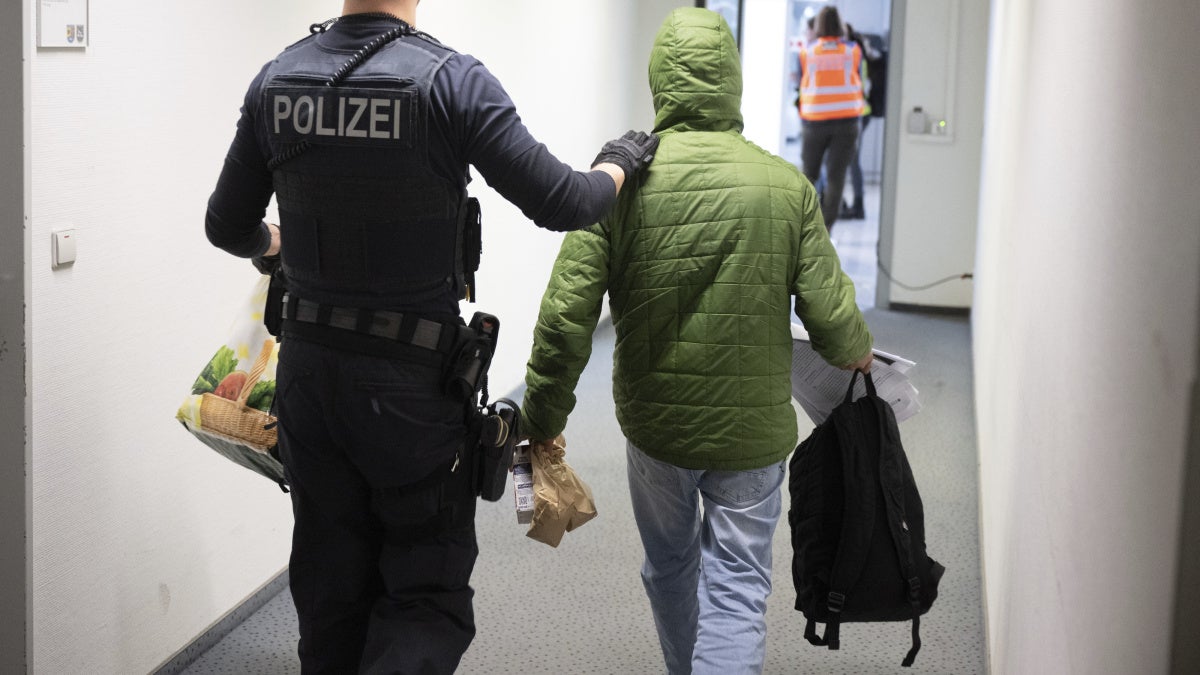
Dangerous EU Momentum Towards Offshore Deportation Centers
The European Union is forging ahead on its quest to increase deportations regardless of the consequences for people’s rights. On June 17, the European Parliament approved a Return Regulation that portends increased detention, forced removals, and externalization. Two days later, 19 EU states...
Attachments


RescueRanger
Meme Lord


Davey Crockett
Elite Member
- Thread starter
- #2,129

Davey Crockett
Elite Member
- Thread starter
- #2,130
Couple deported by ICE found bound and shot dead in Guatemala sugarcane field
Nixon Giovanni Pérez Paz and Glendy Marisol González de la Cruz had left the U.S. a while ago from Missouri and were discovered dead in southern Guatemala.


Couple deported by ICE found bound and shot dead in Guatemala sugarcane field
Nixon Giovanni Pérez Paz and Glendy Marisol González de la Cruz had left the U.S. a while ago from Missouri and were discovered dead in southern Guatemala.
Actually remember the day they left Missouri for Guatemala.
The family was dressed in their "Sunday's best" when they stopped at the truck stop very early one morning. The world is a cruel place.
Last edited:
Users who are viewing this thread
Total: 1 (members: 0, guests: 1)
Pakistan Defence Latest

Country Watch Latest

Latest Posts
-

-
-

-
Trump talks to Putin, then announces diesel deal with Russia, in sharp reversal of US policy (5 Viewers)
- Latest: Yommie
-