- Thread starter
- #931
Why the Vietnam-Pakistan trade pact matters
Authors: Hadia Allaudin and Zainab Bibi*
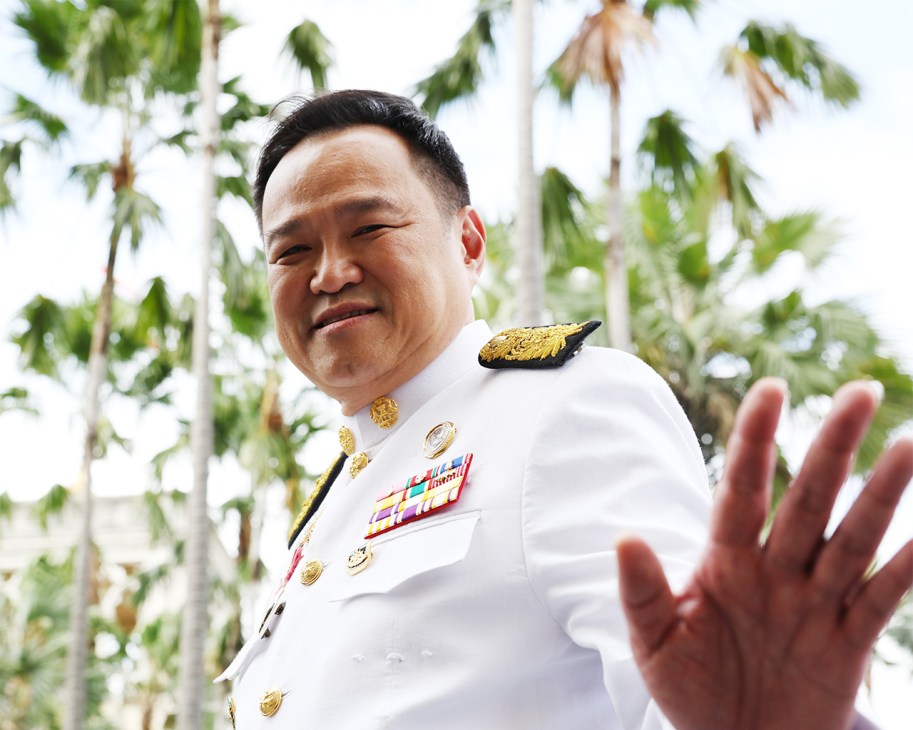
Vietnamese trade minister Nguyễn Hồng Diên arrived in Pakistan on 13 October for a three day visit to discuss the launch of PTA with Pakistan.
Both nations are exploring the launch of preferential trade agreement, and this visit carries the potential to shape the economic dynamics across the Asia. Pakistan is diversifying its trade options beyond traditional partners and considers Vietnam not only as one of the growing economy in South-East Asia but as a gateway to ASEAN. While Vietnam considers engagement with Pakistan as as way to expand its consumer base in South Asia. Thus this visit is not just a diplomatic exchange but it signals a turning point for South-South cooperation.
Pakistan and Vietnam established diplomatic relations in 1972, with a primary focus on strengthening their bilateral trade relations particularly in economic and trade cooperation. On the 9th of July, 2025 Jam Kamal Khan visited Vietnam, a Joint Trade Committee (JTC) meeting happened after 8 years focusing on bilateral trade and investments and talks on enhancing the bilateral trade volume to $1 billion in the end of this year or in early 2026. Moreover, the two sides accelerated negotiations on a Preferential Trade Agreement (PTA) with a view of strategic steps towards reducing Tariffs and laying the groundwork for future Free Trade Agreement (FTA).
Pakistan is one of the major trading countries for Vietnam in South Asia. Between 2017 and 2024 Vietnam and Pakistan have seen steady growth in bilateral trade, with an annual increase of over 6.7%.Also Pakistan is one of the most important countries for the export market for Vietnam and the same for Pakistan. According to the COMTRADE database on international trade, Pakistan’s export to Vietnam was about US$308.37 million during the year 2024 .Both countries shared strong cultural ties and have a shared history of resilience and determination.
Earlier this year Pakistan’s visit of high level delegation to Vietnam led by Federal Minister of Commerce Jam Kamal Khan marked a new way of growing ties and cooperation. During the visit, both countries signed a Memorandum of Understanding(MoU) to advance bilateral trade and investment. The Revival of Pakistan-Vietnam Joint Trade Committee (JTC) in Hanoi after 8 years , in this fifth meeting of JTC. Pakistan and Vietnam reaffirmed their commitment to advancing new trade relations. The two ministers emphasized the need for advanced business-to-business linkages, cooperation in sectors such as textiles, agriculture, pharmaceuticals, information technology, and energy and boosting of joint ventures. Discussions also included that Pakistan and Vietnam have agreed to begin the negotiations for Preferential trade Agreement within 2025, focusing on reducing tariff on selective goods in smoothing the trade flow which will mark a pivotal action in the bilateral trade for Pakistan and Vietnam.
The two sides also negotiated and signed a Memorandum of Understanding (MoU) between Pakistan television (PTV) and Vietnam Television (VTV), in which Pakistan has taken the initiative to broadcast popular documentaries and TV series about Pakistan on VTV. This initiative would provide Pakistan a tool to expand soft power beyond South Asia and to promote cultural exchange and understanding of Pakistan’s culture. The exchange of culture, traditions and values further strengthened the bond between Pakistan and Vietnam.
Furthermore, both countries have already shown interest in enhancing bilateral trade towards the goal of 10 billion USD. As recent data shows that Pakistan’s sea food exports to Vietnam reached $9 Million in 2024 ,which was a significant contributor to Pakistan’s economic growth. Direct flights between countries will also be an important factor for promotion of people-to-people contact and tourism . In first five months of 2025, the two way trade of Pakistan-Vietnam reached over 327.5 million USD and is expected to surpass the 6.7% and will up on 7.2% year-on-year.
A meeting of Pakistan-Vietnam business forum was held on 14 October in Islamabad chaired by Commerce minister Jamal Kamal Khan and Vietnam’s minister of trade and Industry Mr Nguyễn Hồng Diên. Both ministers emphasized that PTA would diversify export markets and strengthen resilient economies against global economic challenges.
With this recent visit of Vietnam’s trade minister and delegation, there are a lot of opportunities for both the countries and it could pave the way for further areas of cooperation which can benefit both the countries. Pakistan and Vietnam can support each other’s strength in trade and investments and connect it to the world. Pakistan’s strategic location can give vietnam the access Middle Eastern countries’ markets through regional connectivity. Moreover, Vietnam is interested in importing more Pakistani halal-certified products, including the seafood and meat.
For Pakistan Vietnam is also very vital in terms of export in investing but it has shown interest in Pakistani technology, infrastructure sectors and in the China-Pakistan Economic Corridor (CPEC). Vietnam shows high interest in importing Pakistani rice, cotton, fabric and other garment materials. The invitation of both countries to their trade events such as Vietnam invited Pakistan to major trade events as SaigonFabric, Saigontex, HanoiFabric, Hanoitex .In return, Pakistan invited Vietnam to participate in FoodAg, TEXPO and HEMS which will boost more pathways for collaboration and investments.
In conclusion, for both the countries Vietnam-Pakistan the bilateral trade and negotiations on Preferential Trade Agreement (PTA) will be a game changer. To enhance the full potential of their economic relations, both countries must prioritize cooperation and high level dialogue to pave the way for Free Trade Agreement (FTA).
*Zainab Bibi is an intern at the Consortium for Asia-Pacific Studies. She is a student of international relations at University of Azad Jammu and Kashmir with a keen interest in global politics, geo-economics and climate change. She can be reached at awanzainab496[at]gmail.com
Authors: Hadia Allaudin and Zainab Bibi*
Vietnamese trade minister Nguyễn Hồng Diên arrived in Pakistan on 13 October for a three day visit to discuss the launch of PTA with Pakistan.
Both nations are exploring the launch of preferential trade agreement, and this visit carries the potential to shape the economic dynamics across the Asia. Pakistan is diversifying its trade options beyond traditional partners and considers Vietnam not only as one of the growing economy in South-East Asia but as a gateway to ASEAN. While Vietnam considers engagement with Pakistan as as way to expand its consumer base in South Asia. Thus this visit is not just a diplomatic exchange but it signals a turning point for South-South cooperation.
Pakistan and Vietnam established diplomatic relations in 1972, with a primary focus on strengthening their bilateral trade relations particularly in economic and trade cooperation. On the 9th of July, 2025 Jam Kamal Khan visited Vietnam, a Joint Trade Committee (JTC) meeting happened after 8 years focusing on bilateral trade and investments and talks on enhancing the bilateral trade volume to $1 billion in the end of this year or in early 2026. Moreover, the two sides accelerated negotiations on a Preferential Trade Agreement (PTA) with a view of strategic steps towards reducing Tariffs and laying the groundwork for future Free Trade Agreement (FTA).
Pakistan is one of the major trading countries for Vietnam in South Asia. Between 2017 and 2024 Vietnam and Pakistan have seen steady growth in bilateral trade, with an annual increase of over 6.7%.Also Pakistan is one of the most important countries for the export market for Vietnam and the same for Pakistan. According to the COMTRADE database on international trade, Pakistan’s export to Vietnam was about US$308.37 million during the year 2024 .Both countries shared strong cultural ties and have a shared history of resilience and determination.
Earlier this year Pakistan’s visit of high level delegation to Vietnam led by Federal Minister of Commerce Jam Kamal Khan marked a new way of growing ties and cooperation. During the visit, both countries signed a Memorandum of Understanding(MoU) to advance bilateral trade and investment. The Revival of Pakistan-Vietnam Joint Trade Committee (JTC) in Hanoi after 8 years , in this fifth meeting of JTC. Pakistan and Vietnam reaffirmed their commitment to advancing new trade relations. The two ministers emphasized the need for advanced business-to-business linkages, cooperation in sectors such as textiles, agriculture, pharmaceuticals, information technology, and energy and boosting of joint ventures. Discussions also included that Pakistan and Vietnam have agreed to begin the negotiations for Preferential trade Agreement within 2025, focusing on reducing tariff on selective goods in smoothing the trade flow which will mark a pivotal action in the bilateral trade for Pakistan and Vietnam.
The two sides also negotiated and signed a Memorandum of Understanding (MoU) between Pakistan television (PTV) and Vietnam Television (VTV), in which Pakistan has taken the initiative to broadcast popular documentaries and TV series about Pakistan on VTV. This initiative would provide Pakistan a tool to expand soft power beyond South Asia and to promote cultural exchange and understanding of Pakistan’s culture. The exchange of culture, traditions and values further strengthened the bond between Pakistan and Vietnam.
Furthermore, both countries have already shown interest in enhancing bilateral trade towards the goal of 10 billion USD. As recent data shows that Pakistan’s sea food exports to Vietnam reached $9 Million in 2024 ,which was a significant contributor to Pakistan’s economic growth. Direct flights between countries will also be an important factor for promotion of people-to-people contact and tourism . In first five months of 2025, the two way trade of Pakistan-Vietnam reached over 327.5 million USD and is expected to surpass the 6.7% and will up on 7.2% year-on-year.
A meeting of Pakistan-Vietnam business forum was held on 14 October in Islamabad chaired by Commerce minister Jamal Kamal Khan and Vietnam’s minister of trade and Industry Mr Nguyễn Hồng Diên. Both ministers emphasized that PTA would diversify export markets and strengthen resilient economies against global economic challenges.
With this recent visit of Vietnam’s trade minister and delegation, there are a lot of opportunities for both the countries and it could pave the way for further areas of cooperation which can benefit both the countries. Pakistan and Vietnam can support each other’s strength in trade and investments and connect it to the world. Pakistan’s strategic location can give vietnam the access Middle Eastern countries’ markets through regional connectivity. Moreover, Vietnam is interested in importing more Pakistani halal-certified products, including the seafood and meat.
For Pakistan Vietnam is also very vital in terms of export in investing but it has shown interest in Pakistani technology, infrastructure sectors and in the China-Pakistan Economic Corridor (CPEC). Vietnam shows high interest in importing Pakistani rice, cotton, fabric and other garment materials. The invitation of both countries to their trade events such as Vietnam invited Pakistan to major trade events as SaigonFabric, Saigontex, HanoiFabric, Hanoitex .In return, Pakistan invited Vietnam to participate in FoodAg, TEXPO and HEMS which will boost more pathways for collaboration and investments.
In conclusion, for both the countries Vietnam-Pakistan the bilateral trade and negotiations on Preferential Trade Agreement (PTA) will be a game changer. To enhance the full potential of their economic relations, both countries must prioritize cooperation and high level dialogue to pave the way for Free Trade Agreement (FTA).
*Zainab Bibi is an intern at the Consortium for Asia-Pacific Studies. She is a student of international relations at University of Azad Jammu and Kashmir with a keen interest in global politics, geo-economics and climate change. She can be reached at awanzainab496[at]gmail.com