Chaudhary Mohammad Ashraff ,
Khalid Saeed Wattoo
May 25, 2026
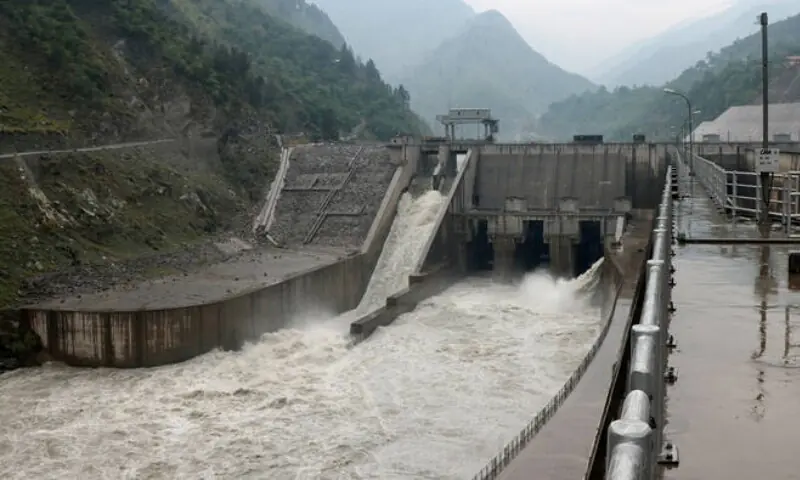
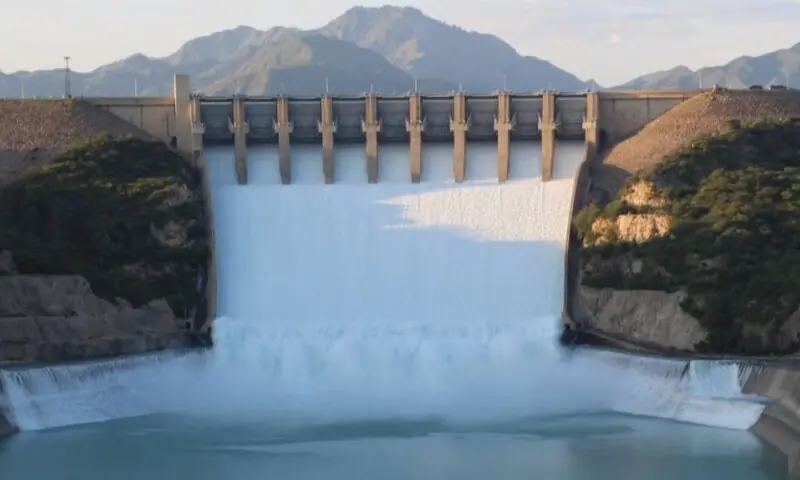
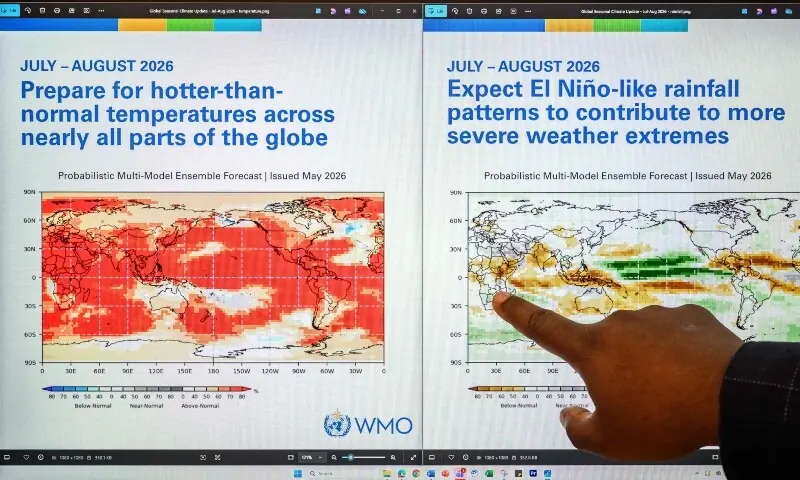
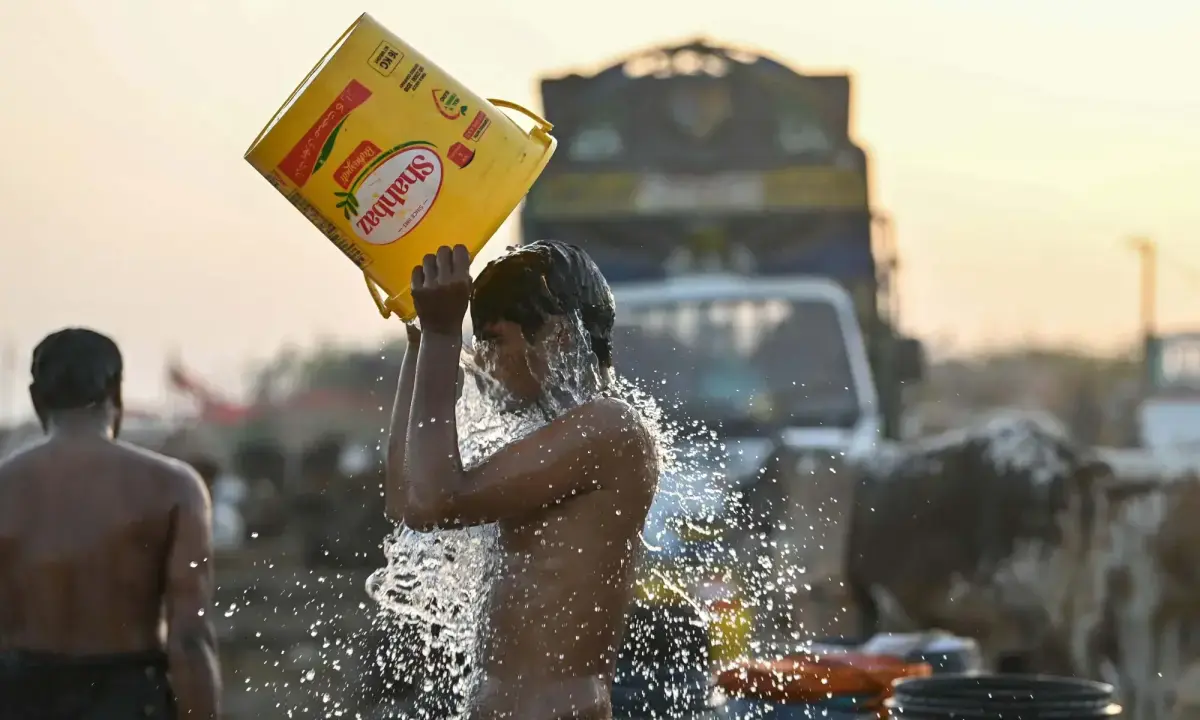
Pakistan’s water scarcity has been intensifying with each passing year. River flows are becoming increasingly variable and unreliable, groundwater tables are declining, and crop water requirements are rising due to increasing temperatures.
Together, these trends are creating mounting pressure on an already stressed water system. This worsening situation calls for large-scale improvement in water storage and conservation infrastructure.
From a water conservation perspective, Pakistan’s agriculture sector represents the highest-priority area for intervention, as it accounts for more than 90 per cent of national water consumption. There is now a growing realisation that without conserving water, sustaining the existing cropped area may become increasingly difficult in the years ahead, let alone expanding it to meet the demands of a rapidly growing population.
Within the agriculture sector, flood irrigation and unlined (kacha) watercourses remain two major sources of water losses that need policy attention.
Recognising this challenge as early as the mid-1970s, the On-Farm Water Management programme was initiated, with a particular focus on improving the last segment of the irrigation conveyance system — the community watercourses that carry water from canals and distributaries to farmers’ fields. At that time, it was estimated that nearly half of the water was being lost through seepage, leakage, spillage, and evaporation in these watercourses. As a result, a large-scale initiative was launched to line watercourses with bricks and concrete, along with the construction of associated siphons and culverts.
In many areas where water was once accessible at a depth of around 20 feet, it has now fallen to more than 100 feet, significantly increasing pumping costs.



 Can Pakistan Win Bangladesh’s Trust Without Apologizing for the Genocide of 1971? (7 Viewers)

 Canada considers cancelling part of the 88 US F-35 order to buy 60 Swedish Gripen fighters (4 Viewers)