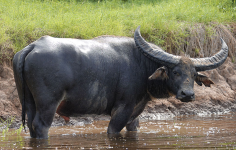
STATUS: Endangered POPULATION: 3,000-4,000 (India)
This wild bovine is likely ancestors of the domestic water buffaloes that we see. There could be 1,500 individuals in Kaziranga almost 70 per cent of the world population. But there are scattered populations elsewhere in NE region.
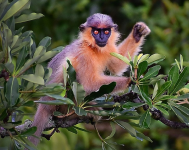
STATUS: Vulnerable POPULATION: Not Known
These arboreal primates are found in the dry deciduous forests of Kaziranga national park. They feed on at least 40 different kinds of plants. They are seen in small troops of 2 – 14 members led by a large male.
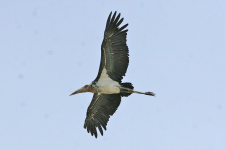
STATUS: Endangered POPULATION: > 1,000
Also known locally as the Hargila, it is one of the most endangered storks in the world. Breeding population is known in Kaziranga, but the population of the bird is constantly decreasing. Extreme conservation measures, specially by local villagers have shown some positive results in their population in the recent times.
In the northeastern part of India, the greater adjutant stork has been considered an ill omen for generations, and the endangered bird has paid the price. Its breeding population here fell to just 115 birds by the 1990s. But when biologist Purnima Devi Barman witnessed villagers chop down a tree crowned with the storks’ nests — and chicks — she launched a grassroots effort to do something about it. Today, 10,000 women across the region have banded together to protect nests, raise fledglings, and run educational programs for children and adults explaining the benefits the storks bring to their communities. They even produce textiles that celebrate the giant bird — and bring critical income and empowerment to the local women who are safeguarding its future.These efforts have been a resounding success for greater adjutant stork conservation. A recent survey found 1,830 of the distinctive birds in Assam, and the species’ status on the IUCN Red List has been changed from “endangered” to “near threatened” — a testament to what can be achieved with community conservation.