UAE defence ministry says it has voluntarily ended counterterrorism mission in Yemen
Yemen council chief declared emergency, scrapped UAE security pact after Abu Dhabi separatists seized land
Anadolu/
Reuters
December 30, 2025
The United Arab Emirates' defence ministry said on Monday it has ended the mission of its counterterrorism units in Yemen voluntarily, state news agency WAM reported. It said the decision came after a comprehensive assessment.
Earlier, the leader of Yemen's presidential council declared a state of emergency and cancelled a security pact with the United Arab Emirates on Tuesday after Abu Dhabi-backed separatists seized swathes of territory.
"The Joint Defence Agreement with the United Arab Emirates is hereby cancelled," a statement said, while a separate decree announced a 90-day state of emergency including a 72-hour air, sea and land blockade.
The announcements by Rashad al-Alimi, head of the Presidential Leadership Council, come after the Saudi-led coalition fighting in divided Yemen said it struck a UAE weapons shipment destined for the separatists.
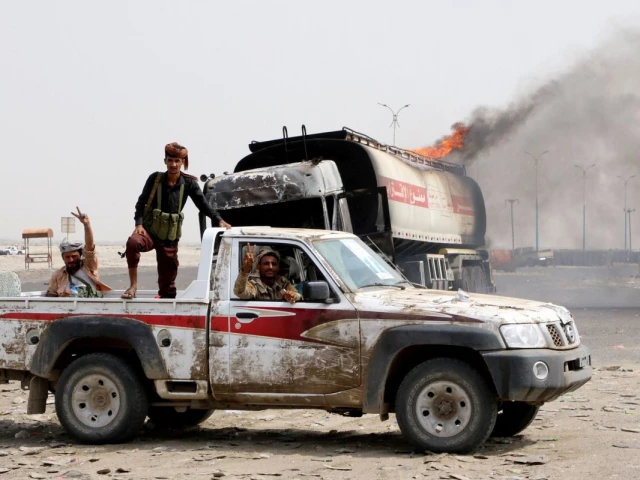
The UAE-backed Southern Transitional Council (SCT) forces have swept through the south of Yemen this month, taking most of resource-rich Hadramawt province and swathes of neighbouring Mahrah.
Alimi ordered the SCT to hand over the territory to Saudi-backed forces, calling the separatists' advance an "unacceptable rebellion" in a televised address.
The confrontation risks tearing apart the already fractured Yemeni government, which has different factions backed by oil-rich Gulf powers Saudi Arabia and the UAE.
It also threatens slow-moving peace negotiations with the Iran-backed Houthi rebels, who ousted the government from the capital Sanaa in 2014, triggering a military intervention by the Saudi-led coalition.
In remarks reported by the Saudi Press Agency, Coalition Forces spokesperson Maj. Gen. Turki al-Maliki said two vessels arriving from the UAE port of Fujairah entered the port of Mukalla on Dec. 27-28 without securing official authorization from the coalition’s Joint Forces Command.