Naysayers don't pay attention to political considerations and realities and unwisely underestimate kinetic options of a superpower.
The US chose to reshape political landscape of Germany, Japan, Iraq, and Libya. However, the US does not aim to reshape political landscape of every country or have a decisive outcome in every regional conflict situation. The US can have limited objectives and it is usually an opportunity to test new tools of war in real-time.
Theory of Limited War.
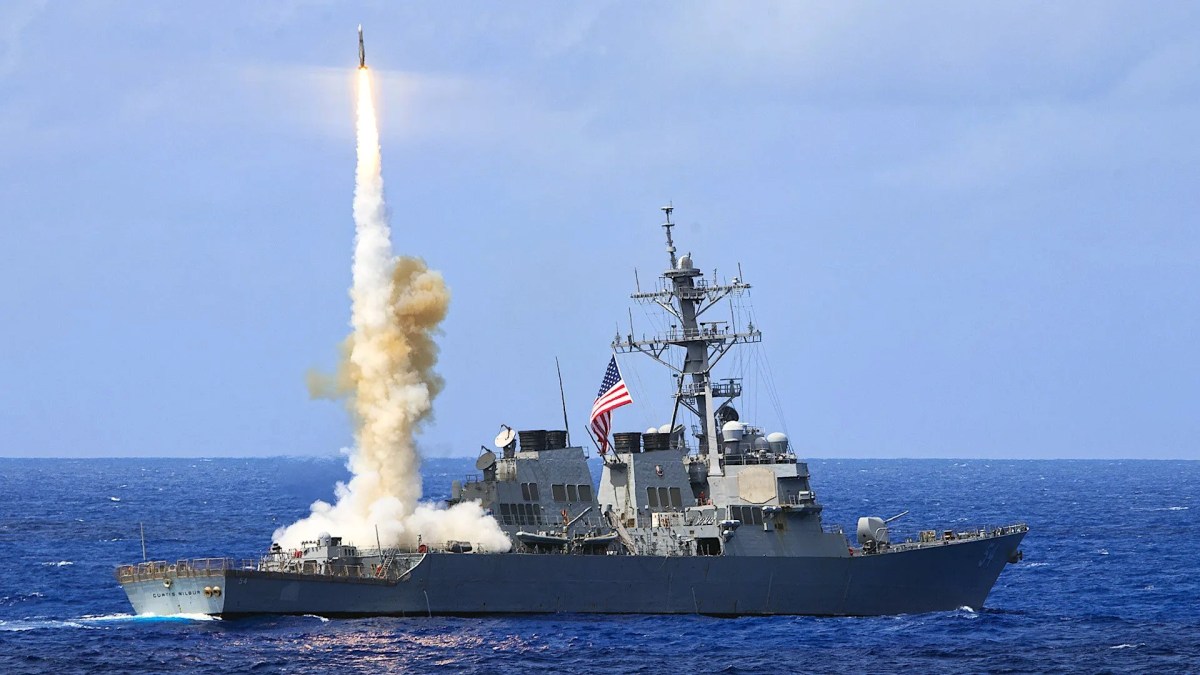
The past 15 months in the Red Sea have provided the Navy with a real-world stress test of its systems, platforms and people.

www.twz.com
They don't even hide it anymore.
There are two Korean states (North Korea and South Korea). The Korean War was a major escalation between US-led forces and communist forces to decide the fate of South Korea. North Korea invaded South Korea in 1950 and came close to annexing it but the US intervened to prevent collapse of South Korea. China and Soviet Union provided full support to North Korea and there were back-and-forth in clashes but the US managed to
restore South Korea in 1953. This is impressive outcome given the odds in the region.
There were two Vietnamese states (North Vietnam and South Vietnam). North Vietnam invaded South Vietnam in 1965 but the US intervened to prevent fall of South Vietnam. Vietnamese terrain does not provide much room for mechanized operations and technology of the day was less effective in the region as well. The US
developed new tools to cripple Vietcong but Nixon decided to abandon South Vietnam due to political crisis in the US and this decision was conveyed to North Vietnam.
POLITICAL DECISION. The US withdrew its forces from South Vietnam in 1972 and North Vietnam was able to recover and annex South Vietnam in 1975. This was still a terrible war in which millions of Vietnamese lost their lives and there was much ecological destruction in the region as well. Nevertheless, the US and Vietnam are on good terms in the present.
The US invaded Afghanistan to bring perpetrators of 9/11 to justice and dismantle Al-Qaeda Network in the region. This objective is met and Taliban agreed to not support Al-Qaeda Network in Doha Accords in 2020. Taliban was the dominant political force of the region and its support did not diminish when the US created a new Afghan political setup. The US did not see further reason to reshape political landscape of Afghanistan after Doha Accords.
POLITICAL DECISION.
The US have fought bigger wars in other regions such as in Europe and in the Pacific and US-led forces managed to reshape political landscape of true regional powers such as Germany and Italy in Europe, Japan in the Pacific, and Iraq in the Middle East.
So the US is lacking in kinetic options and capacity to fight a war and have a decisive outcome when necessary? Wake up please.
The US was reluctant to attack Houthi in a big way because Houthi do not support Al-Qaeda Network in Yemen. However, Houthi anti-shipping campaign did not sit well with Trump. Trump has told American military to kill Houthi leaders and engineers if necessary. This is why there are strikes on different buildings in different sectors of the country. Information is limited in the present but details will come out in time.
Good to see you in pink for your trolling but my post is for general knowledge of all readers here.




 ️ The media of Ansar Allah group reported that an American bombing targeted the province of Saada with five air strikes.
 These raids came in the framework of the American military escalation in Yemen against the Houthis, as the American forces continued, since last Saturday, to launch extensive raids on the movement's positions in several Yemeni governorates, amid reports from Washington that a number of the group's leaders were killed..


