Iran ramping up construction of new, deeper suspected enrichment facility in Esfahan (Natanz-2)
While direct progress on the most sensitive aspects of Iran’s nuclear program has been minimal, Iran has continued construction at Pickaxe Mountain, a deeply buried facility just one mile south of the Natanz uranium enrichment site. In July of 2020, a fire broke out at a centrifuge assembly hall at Natanz, likely due to sabotage. After that, the head of Iran’s nuclear program, Ali Akbar Salehi,
stated that Iran would build a more modern and larger centrifuge assembly hall “in the heart of the mountain near Natanz.” Construction of that facility, buried in Pickaxe Mountain, began in 2020.
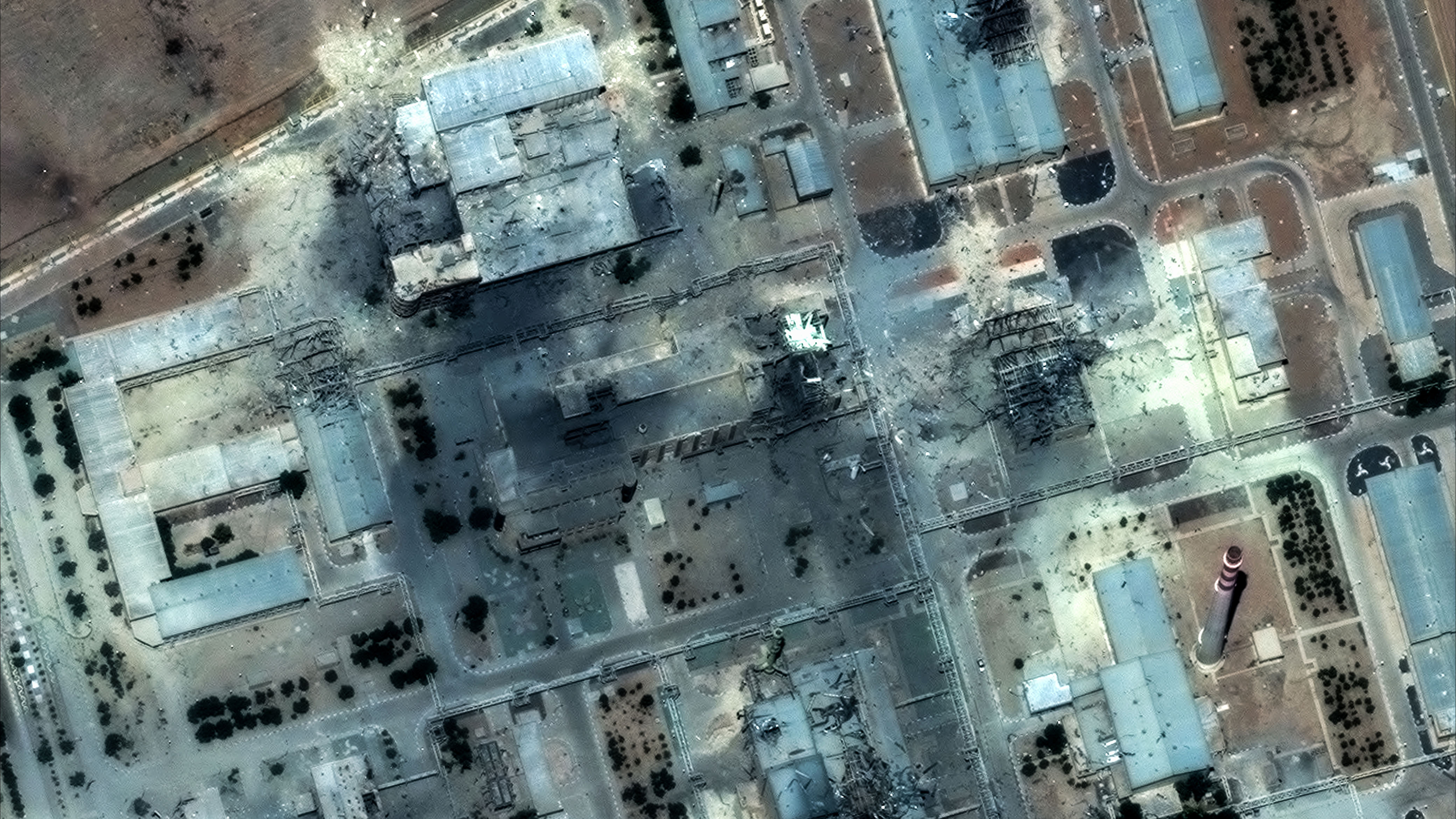
Since the U.S. strikes in June, Iran has stepped up construction at the Pickaxe Mountain site. By comparing images from June 30 and September 30, CSIS analysis determined that Iran has constructed a security wall around the entire perimeter of the site. There are tunnels to the west, east, and south of the site. There are visible signs of construction at the site. At the eastern end of the site, the underground facility consists of two portals. The northern of these two portals has recently been extended and is being covered by gravel and sand. The western area also consists of two portals, both of which are open in the imagery. The western of these two portals has also recently been extended and is being covered by gravel and sand. The southern area consists of a single portal. A dirt beam is placed in front of this portal, which suggests that the southern portal is not actively being used.
There are at least three potential explanations for this activity at Pickaxe Mountain. First, Iran may be pushing to construct the centrifuge assembly facility as initially planned. Given the uptick in pace, the timeline for Pickaxe Mountain’s operation has likely moved up. Second, Iran could be expanding the scope of the mission at Pickaxe Mountain, pushing activities like metallurgy, which was destroyed in Isfahan, into the Pickaxe Mountain facility. Third, Iran may be pursuing a clandestine uranium enrichment facility at Pickaxe Mountain, with the hopes that this facility could enrich Iran’s existing stockpile of 400 kg of 60 percent enriched uranium. Regardless of the true explanation, the main takeaway is that this increased activity points to the renewed need for greater transparency into Iran’s nuclear activities and ambitions, which only the IAEA and international diplomacy can provide. It’s worth noting that Iran has many other UGFs around the country. Iran could also covertly move many of the aspects of its nuclear program to these other facilities.
The scope, precision, and breadth of the U.S. and Israeli military strikes
indicate that U.S. and Israeli intelligence assets deeply penetrated Iran’s nuclear and military programs. In the years leading up to the June 2025 strikes, Iran’s nuclear program suffered repeated targeted losses, including
sabotage and
assassinations. While these efforts have set back Iran’s program, Iran has historically found a way to rebuild facilities and recruit new scientists. More recent security failures have led Tehran to launch a fierce internal crackdown, focusing on counterintelligence efforts. On June 25, Iranian intelligence forces
arrested over 700 Iranians accused of spying for Israel. To further emphasize their hardline approach, Iran
executed two men in September who were accused of meeting with Mossad, Israel’s spy agency. More broadly, Iranian hardliners have taken more draconian measures in 2025. The Norway-based nonprofit Iran Human Rights
claims that Iran has executed at least 1,000 people in 2025, which is more than at any time in the past three decades.
This mass arrest and execution campaign is likely creating a culture of fear in the Iranian nuclear and military organizations. If Iran wants to resume its nuclear operations, it will need to figure out how deeply Mossad penetrated its program. When and if the nuclear program resumes full-scale operations, it will likely suffer from pervasive distrust. In the aftermath of the 12-day war, Iran is rethinking the security arrangements that guard its nuclear scientists. An Iranian official
reportedly told
The Telegraph that several surviving nuclear scientists don’t trust their own bodyguards and have requested replacements. A renewed emphasis on security and secrecy could significantly impact the productivity and pace of a future dash to rebuild nuclear capacity. Repairing damaged facilities is difficult, but rebuilding trust and human capital are equally challenging problems.
If Tehran continues to deny international access to its nuclear program while actively constructing secretive underground facilities such as Pickaxe Mountain, Iran could build back key aspects of its nuclear program in the dark. The international community must pressure Iran to comply with the NPT and cooperate with the IAEA as a prerequisite for any meaningful future dialogue.
The Iran deal is over. Strikes forced a nuclear slowdown, but Iran is ramping up construction at the secretive Pickaxe Mountain facility while banning IAEA access, pushing its program into a new, dangerous era.

www.csis.org